4WD in Xinjiang: Self-Drive or Hire a Driver? A Decision Guide
The self-drive-or-hire decision changes with your route and your nerve. I have done both in Xinjiang, and this guide is the comparison I wish I had read before the first long mountain stage.
The companion guide 4WD in Xinjiang: When You Need It answers which routes demand four-wheel drive. This article answers a different question — should you self-drive or hire a driver? It is the decision most first-time visitors actually face, and the answer changes with your group, license, and appetite for remote roads.
Self-drive — the upsides
- Freedom: stop at any snow peak, dune, or roadside grill. No negotiating with a schedule.
- Cost: for a group, one rental split several ways beats a daily driver fee.
- Control: you set the pace and the playlist.
Self-drive — what it demands
- License: a home-country license plus an official Chinese translation or International Driving Permit; enforcement varies, so confirm with the rental company in advance.
- Navigation: Google Maps is patchy here — Baidu (百度地图) or AutoNavi (高德地图) are reliable but need some Chinese reading. Download offline maps; signal dies in remote valleys.
- Permits & checkpoints: border areas (the Pamir especially) need a border permit from your passport; expect ID checks at gas stations and checkpoints. Patience is part of the drive.
- Conditions: winter tires or chains for shoulder-season mountain passes; a spare tire and basic tools; always fuel up below half a tank — stations are far apart.
- Insurance: standard cover often carries a high deductible and can be void off clearly marked prohibited roads, so read it before any off-pavement detour.
Hire a driver — the upsides
- Local knowledge: a driver who knows the Pamir or Ili loops finds the shots and the yurts you’d miss alone.
- Paperwork handled: permits, checkpoints, and navigation are someone else’s problem.
- You rest: useful on 8-hour transfer days where a tired driver is a risk.
Hire a driver — the trade-offs
Expect roughly ¥600–1,200 per day plus fuel for a car with driver (more for a 4WD), and less spontaneity — the day follows a plan you agree each evening.
What winter does to this road
A high pass like this can close without notice for a full day and reopen at first light, with word spreading only through drivers’ radio traffic. Summer driving makes all of this irrelevant. Snow chains help, warm layers in the cabin matter more, and a full tank matters more than both. Between November and March you are planning around a gate that moves. The surface is fine. If the timing is the question, our [[4wd-in-xinjiang-when-you-need-four-wheel-drive-and-which-routes-demand-it|4WD in Xinjiang: When You Need Four-Wheel…]] goes through it properly.
The checkpoints, honestly
Keep the passport and car paperwork within reach in the glovebox, so you are not unpacking the boot in front of a line of traffic. They are brief and perfectly civil; a foreign-plated vehicle simply takes longer because there is extra paperwork to log. Nobody has ever been rude to me at one of these. Keep a note of your accommodation address for the night, because that is what they will ask for. They are a nuisance, not a threat; the driver’s prepared document pack is what keeps them brief. You will stop at checkpoints. That stretch of the trip is described in our [[renting-a-car-in-xinjiang-self-drive-rules-costs-and-routes|Renting a Car in Xinjiang: Self-Drive…]] too.
What a local driver would refuse to do
A winter night drive across the high sections is one thing they will decline, quite reasonably. They are quite willing to set off at five to catch the light, and that is the option worth requesting. My host in Xinjiang said the pass was two hours, meaning two hours driving without the stops, and that is the number to plan around, not the one the map shows. Someone who drives this road regularly gives you a straight answer on distance. I wrote the driving side up in our [[group-tour-vs-self-drive-in-xinjiang-which-should-you-choose|Group Tour vs. Self-Drive in Xinjiang:…]] as well.
How to decide
- Solo or tight budget: buses and shared cars between towns; you don’t need your own vehicle.
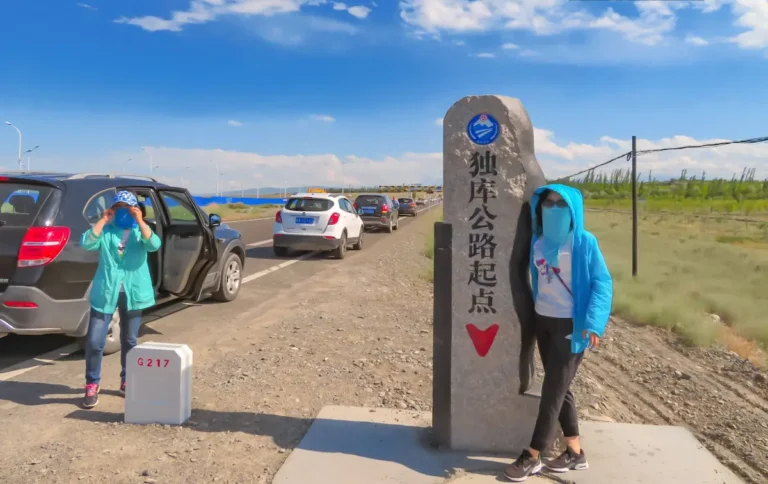
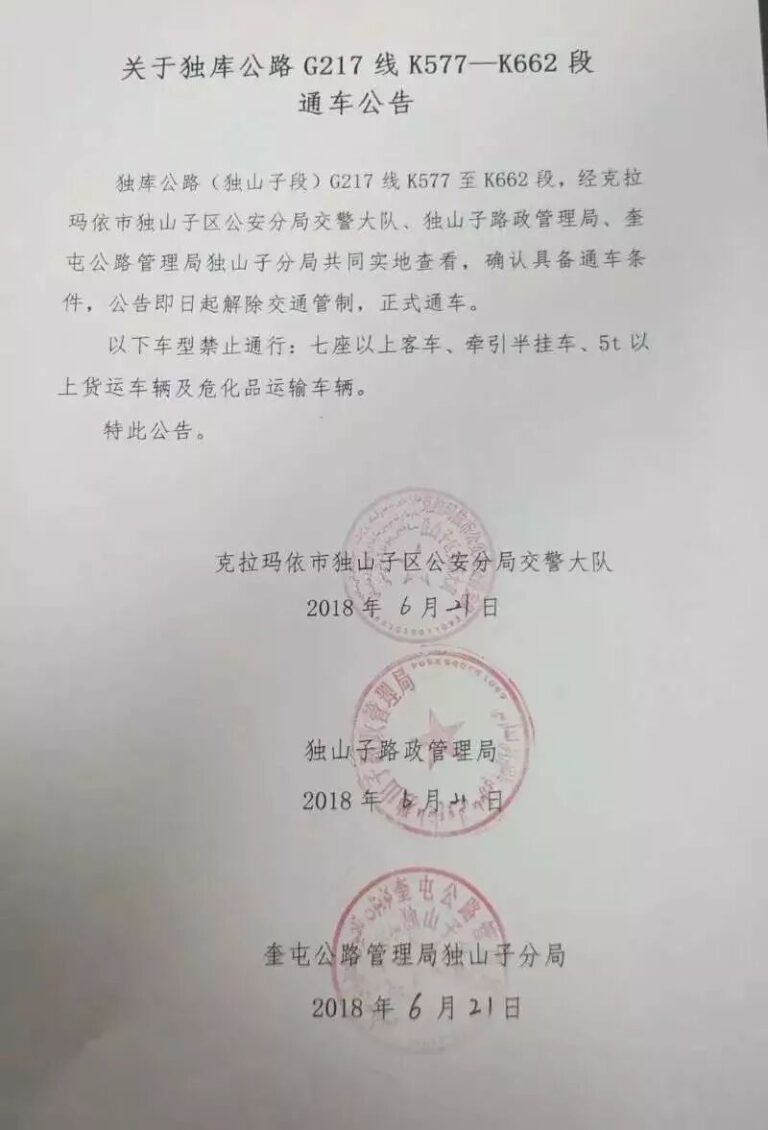
- Group on paved loops (Duku, Ili, Urumqi–Sayram): a standard 2WD rental is enough — save the money.
- Remote or off-pavement, or unsure about your license: hire a driver. The Pamir in particular is smoother with one.
- Want both: self-drive the easy regions, hire a driver only for the Pamir or a specific remote leg.
At a glance
| Self-drive (2WD enough) | Hire a driver | |
|---|---|---|
| Best for | Groups, paved loops, flexible pace | Pamir, remote legs, no-license travelers |
| Typical cost | Rental ¥200–600/day + fuel | ¥600–1,200/day + fuel |
| Main hassle | License, permits, navigation | Less spontaneous, higher daily cost |
For the route-by-route verdict on whether you even need four-wheel drive, see the main 4WD guide.