Pamir Plateau Drive: Tashkurgan to the Khunjerab Gateway
The Pamir is the high tableland at the crossroads of four mountain ranges — and the road from Tashkurgan to the Khunjerab gateway is its finale. At 4,700 meters the Khunjerab Pass is the highest paved border crossing on earth; even if you don’t cross (most travelers don’t), driving to the gateway is the closest you get to the roof of the world by car. It’s also the most altitude-demanding drive in Xinjiang, so the strategy matters as much as the route.
This is the upper half of the G314, beyond Karakul Lake.
Tashkurgan Base
The Tajik county town at ~3,100 m is your launch point and your acclimatization stop. See the Stone City (石头城) ruins above town and the nearby grassland where the famous ‘golden’ light hits at dusk. Overnight here before pushing higher — sleeping low protects you for the pass.
To the Gateway
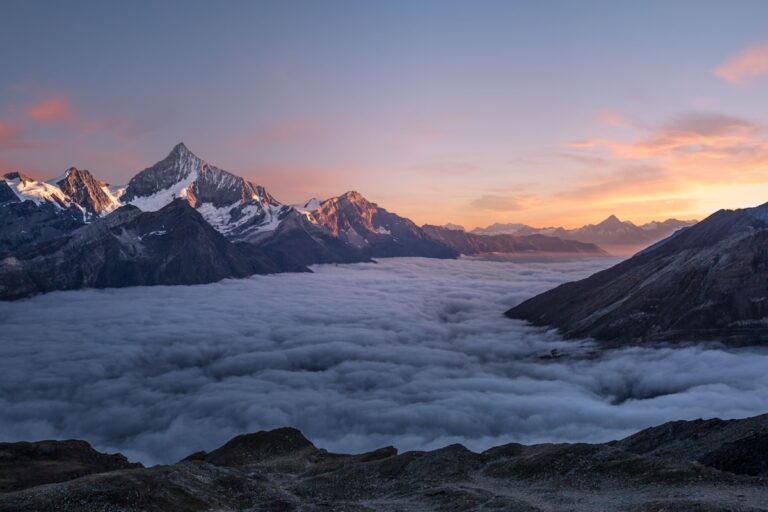
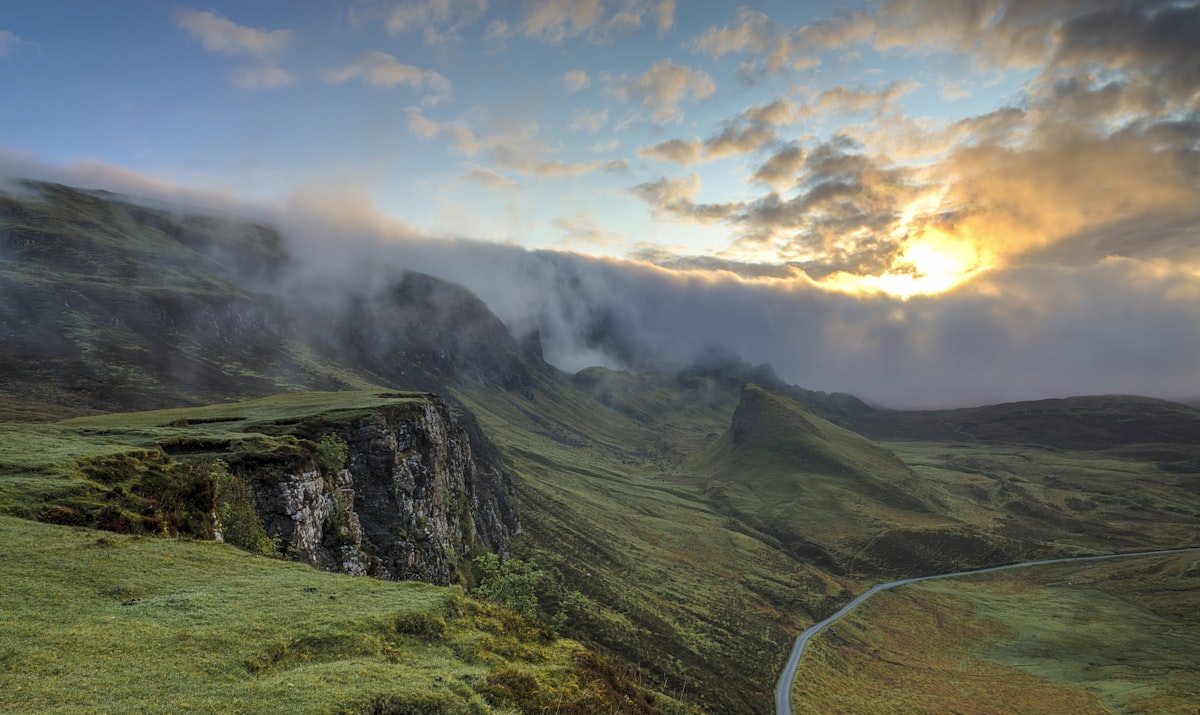
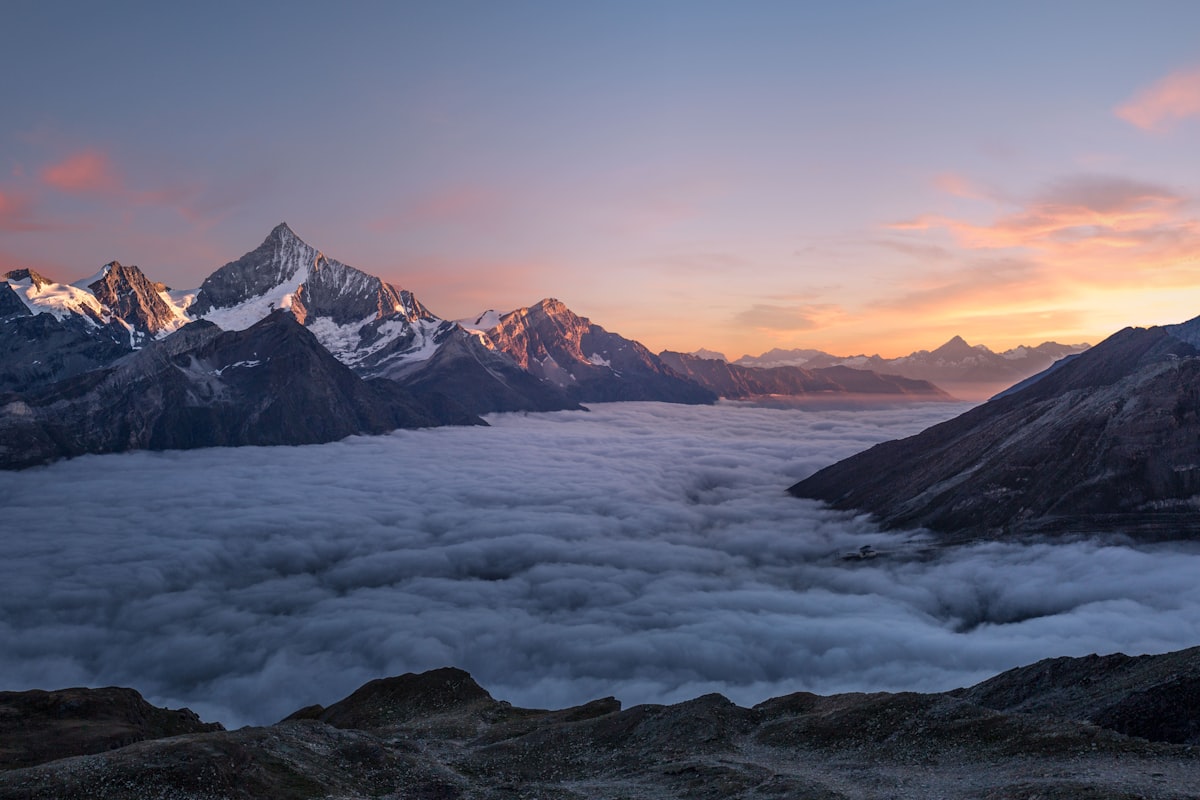
The road climbs past the Karakul turn-off and over progressively higher ground, with Muztagh Ata and a string of lesser peaks to the west. The landscape thins to rock and ice; vegetation essentially ends. The gateway (the border post, not the actual crossing for most) is the turnaround. The drive is ~130 km round trip from Tashkurgan — half a day with stops.
How to order, and what a portion really costs
Order one less than you think, because the rice arrives in a bowl the size of a small basin and the second helping does not need ordering. The number on the board is for one, and one here is enough for a European adult if you share two. Card and phone payment both work everywhere in Pamir Plateau Drive Tashkurgan. Tips are not expected in the small places and are quietly welcome where there is table service, but do not build the visit around it.
The stall, the teahouse and the restaurant
The street stall is fastest, cheapest and eaten standing up. The teahouse is where you sit an hour and get refilled. The restaurant is where you take someone you want to impress. The food is the same and the price gap is not small.
I eat at the first two most days and take people to the third when they ask for somewhere proper. Everything else is right there. What you lose at the stall is a seat and some shade. Three kinds of place sell the same dish in Pamir Plateau Drive Tashkurgan, and they are not competing so much as serving different occasions.
The short version, with the numbers, is in our [[the-ultimate-pamir-plateau-travel-guide-2026|The Ultimate Pamir Plateau Travel Guide…]].
How it is actually eaten
In Pamir Plateau Drive Tashkurgan the meal is a long one, not a fast one. Eating alone here is a quiet business and the kitchen knows it. If you are travelling solo and the thought of a room full of families bothers you, the counter seats at the small places are exactly the right answer. Bread goes down first, tea arrives without being asked for, and the main dish comes when the people eating together are already sitting properly. For the part people underestimate, see our [[karakul-lake-muztagh-ata-pamir-plateau-2|Karakul Lake & Muztagh Ata: The Pamir…]].
Three words that change the order
Point at what the next table has. What you need is the phrase for not spicy, the hand signal for a smaller portion, and the knowledge that one word covers what locals drink in winter, which is salt and butter, and what visitors get, which is sweet. You do not need Uyghur. In Pamir Plateau Drive Tashkurgan that single gesture has never once got me the wrong dish, and it saves you ordering a second plate you did not want. That stretch of the trip is described in our [[karakul-lake-muztagh-ata-pamir-plateau|Karakul Lake & Muztagh Ata: Trekking to the…]] too.
Altitude Strategy
Above 4,000 m, take it slow: no running, hydrate, skip alcohol, and watch for headache or nausea. The pass is closed in winter and can be weather-closed in shoulder months. Summer is the reliable season. If you felt Karakul (3,600 m), you’ll feel this more — respect it. A hired driver who knows the road is common here, but self-drive is permitted with the permit.
Why It’s Worth It
The Pamir is a landscape with no equal in the region — vast, silence-heavy, and geological. Standing at the gateway, you’re higher than almost any road in Asia. Pair it with Karakul and Tashkurgan for a two-night Pamir mini-trip that’s the most otherworldly thing Xinjiang offers. Just give the altitude the respect it demands.
For the whole overland route, my Pamir Highway Xinjiang Guide: Kashgar to Tashkurgan on the Karakoram Highway covers Kashgar to Tashkurgan, permits, and where to overnight.