
The Sunnat Toy: Xinjiang’s Circumcision Celebration and Rite of Passage
Among the life-cycle celebrations of Xinjiang‘s Muslim communities, few are as warm, loud, and openly joyful as the sunnat toy. It is the celebration held for a boy’s circumcision, a rite of passage that blends religious duty with a full community feast. I first stumbled into one by accident outside Kashgar, where music spilled onto the street and a long table groaned with pilaf. What I thought was a wedding turned out to be a sunnat toy — and it taught me more about local hospitality in an hour than a week of sightseeing. Here is what the celebration is, and how to understand it as a visitor.
What Is the Sunnat Toy?
The phrase pairs sunnat (the prophetic tradition of circumcision in Islam) with toy, a Turkic word for feast or celebration. Held for boys usually between ages 5 and 9, the sunnat toy marks the child’s entry into the religious community. It is both a solemn rite and a big party — families save for years to host one properly, and the guest list can run into the hundreds.
Religious Roots
Circumcision is a widely observed Sunni custom across Xinjiang’s Uyghur, Kazakh, Kyrgyz, and Uzbek communities, following the example of the Prophet. It is not treated as a medical procedure done quietly but as a milestone worthy of celebration, much like a first communion or a coming-of-age in other cultures. Understanding this framing helps visitors read the event correctly: it is happy, not sombre.
When and How It Is Celebrated
The celebration often coincides with school holidays or mild seasons, so guests can travel. The core elements are consistent across communities:
| Element | What happens | Who joins |
|---|---|---|
| The meal | Pilaf, kebabs, sweets served | Extended family, neighbours |
| Music & dance | Dutar, drums, meshrep dancing | All ages |
| Gifts | Clothes, money, toys for the boy | Guests |
| Blessing | Elder prays over the child | Family |
The Role of Family and Community
A sunnat toy is profoundly communal. The hosting family feeds not just relatives but neighbours and sometimes the whole street. In village settings the preparation can last days — slaughtering a sheep, boiling cauldrons of polo, and setting up tents. The message is clear: raising a child is everyone’s business, and this milestone is shared.
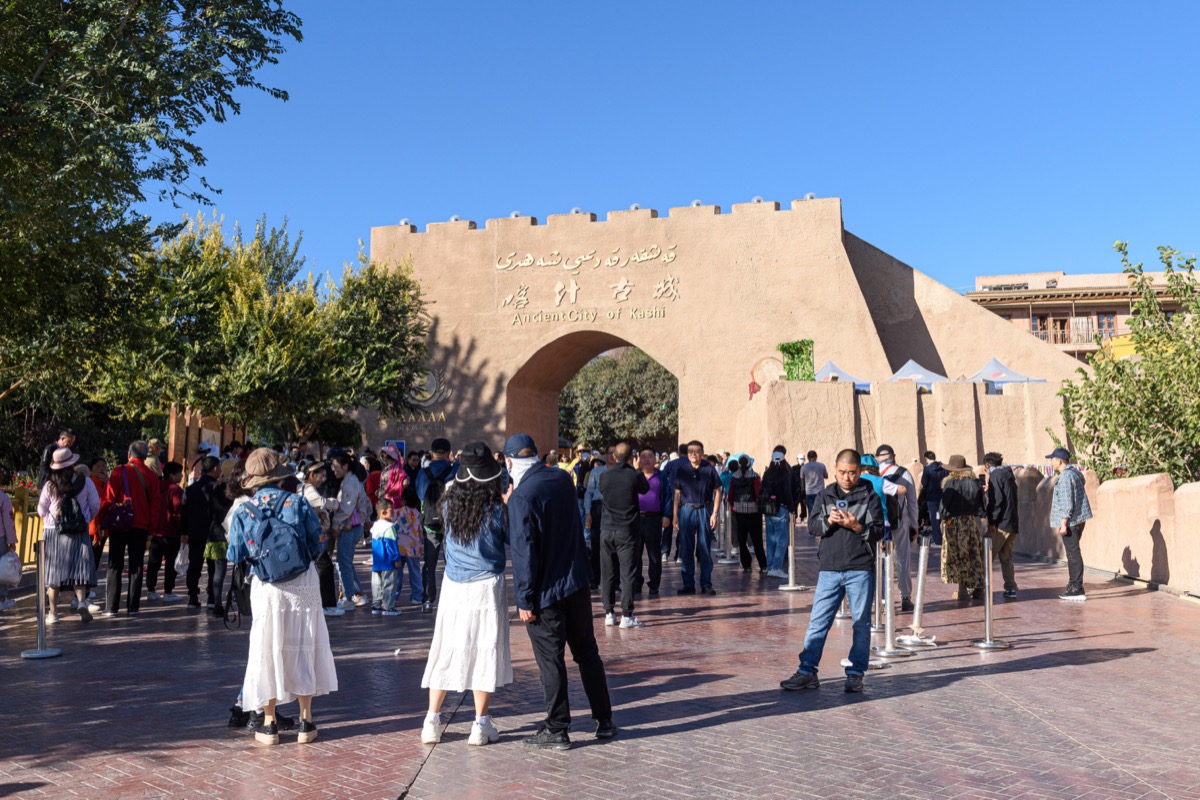
Food, Music, and Dress
Food is central. Expect mountains of polo (pilaf), whole-roasted lamb for larger events, handed-round kebabs, and sweet pastries. Music follows — a dutar player, hand drums, and often an impromptu meshrep where guests link arms and dance in a circle. The boy is dressed in his best, sometimes in miniature formal clothes, and seated at the head of the table like a small honoured guest.
Traditional Dishes Served
The menu tracks the wider regional table. Polo with yellow carrot and raisins is almost mandatory; samsa from the tone oven appears alongside; sweet sangza and fruit end the meal. If you are curious about the broader spread, the Xinjiang festivals guide maps how celebration food overlaps with Eid and Nowruz tables.
As a Visitor: Can You Witness One?
You will rarely be formally invited unless you know a family, but you may encounter one in public. Street-level celebrations — music, a decorated car, a procession — are common in old-town districts during holiday seasons. Watching respectfully from a distance is fine; joining uninvited into a private home feast is not.
Etiquette and Respect
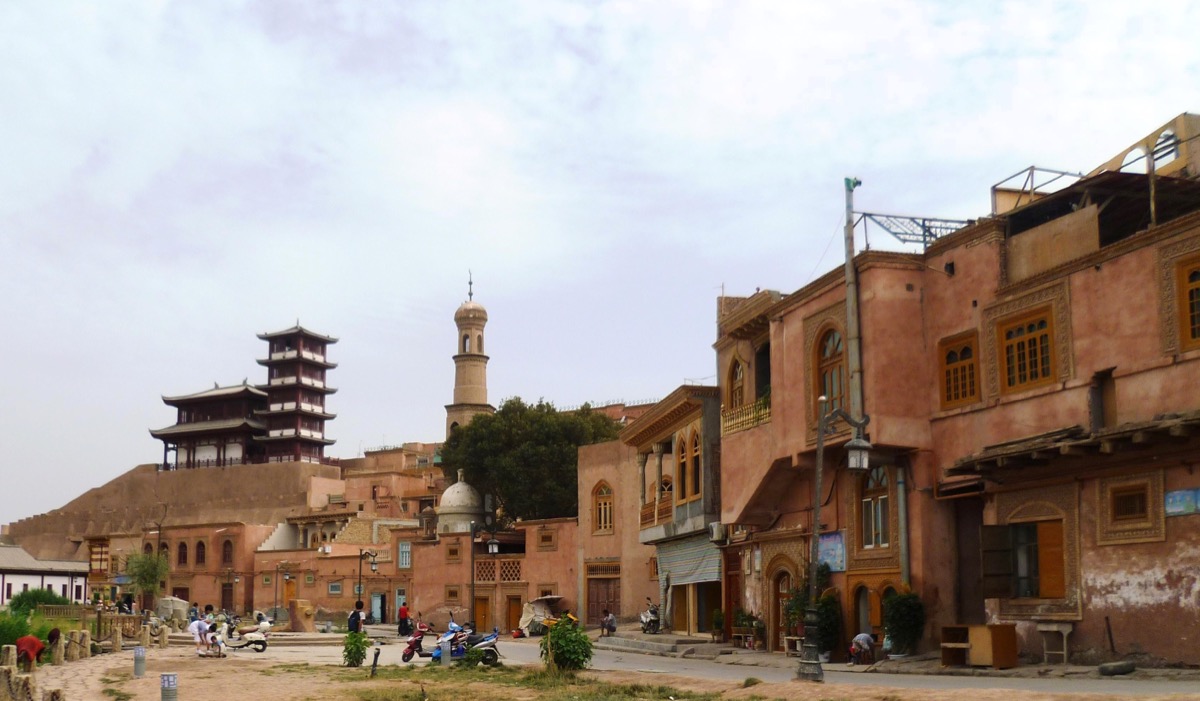
If you are welcomed in, accept food graciously, use your right hand, and do not photograph the child or women without clear permission. Offer a small gift or red envelope if you are close to the family. The same courtesies that govern any Kashgar Old City home visit apply, amplified by the sacred context of the rite.
What a Sunnat Toy Looks Like, Step by Step
If you are invited, the day usually unfolds in a loose order. Morning is for preparation — the house is cleaned, the pilaf cauldrons go on, and the boy is dressed in his best clothes. Guests arrive through the late morning; men and women may gather in separate but adjacent spaces, especially in more conservative households. A senior male elder often leads a short prayer and blessing over the child. Then comes the meal, followed by music and dancing that can run into the evening. The boy is fussed over, photographed, and showered with gifts — the unambiguous centre of the day, treated with a warmth that visitors find striking.
Regional Differences Across Communities
While the core rite is shared, the flavour varies. Uyghur celebrations in the south, around Kashgar and Hotan, tend to be large and musical, with meshrep dancing late into the night. Kazakh and Kyrgyz sunnat toys in the north and on the grasslands may blend the rite with horsemanship displays and yurt gatherings. In cities the event is often more compact and held in a hired hall. None of these is “correct” — they are local expressions of the same tradition, and part of the interest for a curious visitor is noticing the differences as you travel.
How It Compares to Other Life-Cycle Festivals
The sunnat toy sits alongside weddings and a coming-of-age gathering as one of the three big community feasts. Where a wedding joins two families and a festival like Nowruz marks the season, the sunnat toy centres on a single child and his place in the faith. Travellers who catch one get a rare, unscripted look at how ordinary households celebrate — far from any staged performance.
Wedding, Festival, or Sunnat Toy?
Unlike a wedding, which can sprawl into elaborate multi-day schedules, the sunnat toy is usually a single-day event focused on the family compound or a hall. Compared with Nowruz, which belongs to the whole community at once, the sunnat toy is intimate — about one child, even when the guest list is long. Knowing the distinction helps you read what you are seeing if music and a feast break out in the street.
Small questions, honest answers
What age is a boy circumcised?
Typically between about 5 and 9 years old, though timing varies by family and community. The celebration is held when the family is ready and the season is convenient.
Is the sunnat toy a religious or a social event?
Both. The circumcision is a religious custom, but the toy — the feast — is a social celebration involving the whole community. It is joyful, not solemn.
Can tourists attend?
Only if invited by a family you know. You may witness public street celebrations from a respectful distance, but do not intrude on private home gatherings.
What should I do if invited?
Accept food with your right hand, dress modestly, ask before photographing, and consider a small gift. Follow your hosts’ lead on customs and seating.
How is it different from a wedding?
A wedding joins two families and centres on the couple; the sunnat toy centres on a child’s rite of passage and is usually a smaller, family-and-neighbourhood affair — though large ones can feel like a wedding in energy.
When in the year do they happen?
There is no fixed date; families choose convenient, mild seasons and school holidays. You are more likely to see them in spring and autumn and around major holiday periods.