Xinjiang’s Ethnic Cuisines: How Uyghur, Kazakh, Kyrgyz, Hui and Han Tables Differ
Xinjiang is not one cuisine. It is a crossroads where at least five distinct food cultures share the same markets, the same lamb, and the same obsession with bread. The broad Xinjiang cuisine guide will tell you the famous dishes; this is the map of who cooks what, and why. Once you learn to read the table, a plate of rice or a bowl of milk tea tells you exactly which community you are sitting with.
Why the tables diverge
The split is geographic before it is ethnic. Oasis towns along the southern Tarim rim developed settled, wheat-and-lamb cultures with deep Persian and Turkic roots. The mountain and grassland north — Ili, the Altai, the Tian Shan passes — kept nomadic traditions built around herds, dairy, and the portable foods a yurt kitchen allows. Han and Hui communities, arriving over the last centuries along trade and garrison routes, layered their own techniques on top. The result is a region where the same ingredient becomes four different dinners.
The five tables at a glance
| Community | Staple | Signature dish | Best place to try it |
|---|---|---|---|
| Uyghur | Naan & rice | Polo (pilaf), laghman, kebabs | Kashgar, Hotan, Turpan |
| Kazakh | Boiled meat & dairy | Soğuk et, kymyz, baursak | Ili grasslands, Altai |
| Kyrgyz | Meat & fermented milk | Beshbarmak, bozo | Kizilsu, Pamir edge |
| Hui | Wheat noodles | Hand-pulled lamian, wonton | Urumqi, northern towns |
| Han | Rice & noodle | Stir-fries, dumplings | Every city |
Uyghur: the oasis masters of rice and bread
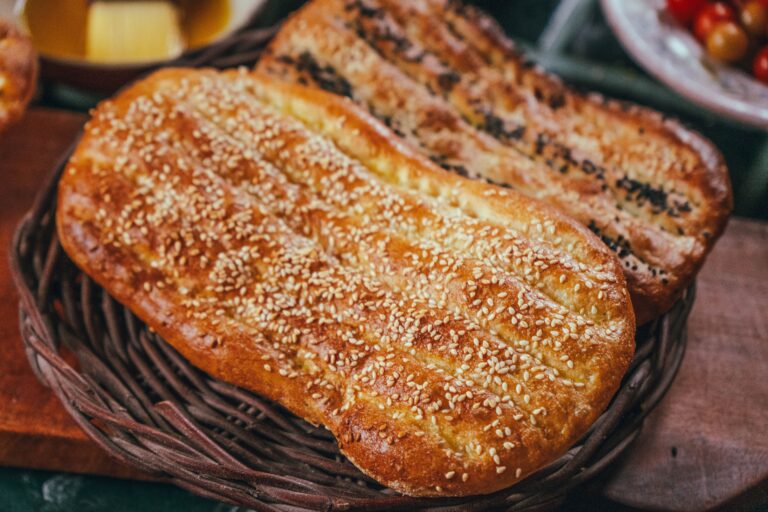
The Uyghur table is the one most travelers meet first. It centers on polo (a carrot-and-lamb pilaf cooked in a dizzying quantity of oil), naan pulled from clay tandoor ovens, and hand-made laghman noodles. The flavor profile is bold but not hot: cumin, black pepper, and onion do the work that chili does elsewhere in China. Meals are communal and bread is sacred — you will never see a naan tossed on the floor or stepped on.
Kazakh: the nomadic dairy-and-meat diet
Out on the Ili grasslands the Kazakh table is built for a life on horseback. Lamb is boiled whole and eaten with the hands; dairy is everywhere — kymyz (fermented mare’s milk), qurt (dried salted cheese balls that travel for weeks), and baursak (fried dough puffs). A first-time guest is fed before they are greeted. The food is plainer than the Uyghur version but deeply tied to hospitality and the seasons of the herd.
Kyrgyz: high-altitude comfort
Clustered near the Pamir and the Kizilsu valleys, Kyrgyz cooking overlaps with Kazakh but leans harder into beshbarmak — wide noodles under boiled meat and onion broth — and bozo, a mildly alcoholic millet drink. Portions are enormous and meals are excuses for music. If you are near Tashkurgan or the southern Pamir, this is the table you will be invited to.
Hui and Han: the settled, the stir-fried, the noodled
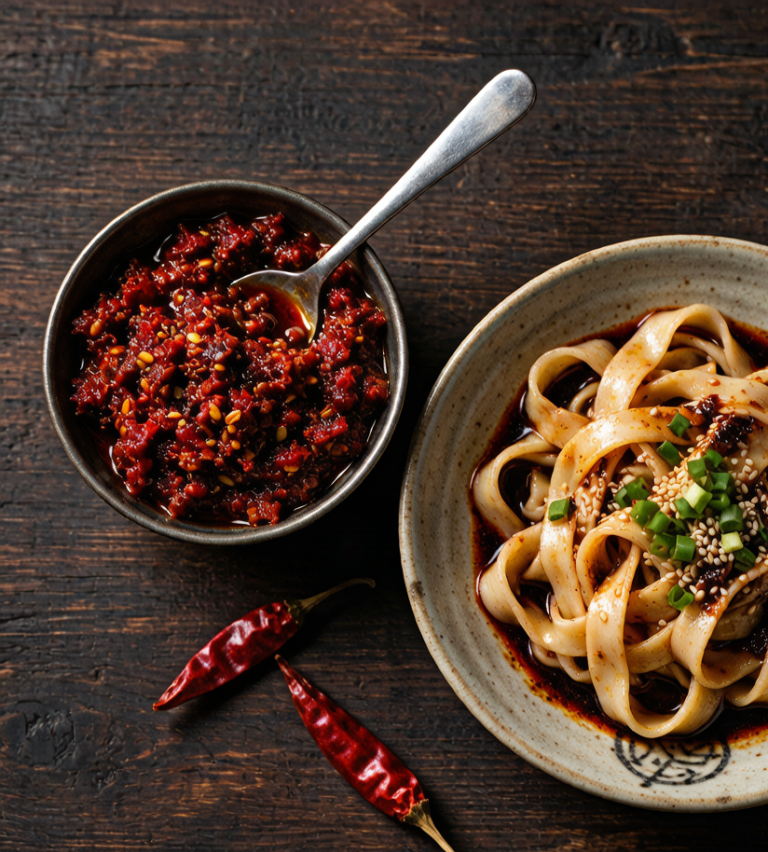
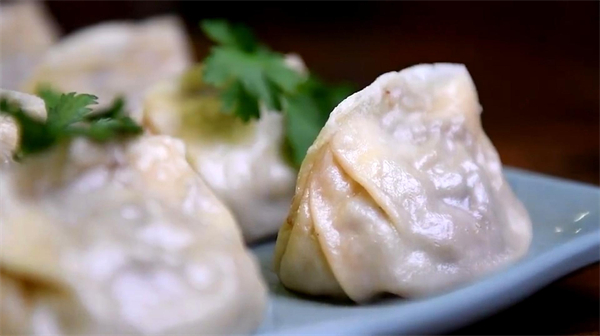
The Hui (Chinese Muslims) brought lamian noodle-pulling and a halal version of inland Chinese cooking; you’ll find the best hand-pulled soups in Urumqi. The Han communities added the stir-fries, dumplings, and rice dishes that make Xinjiang cities feel connected to the rest of China. None of these is “less authentic” — they are simply the layers the Silk Road has been stacking for two thousand years.
How to eat across cultures without offending
A few habits translate everywhere: accept food with your right hand, never refuse the first offer of tea, and treat bread with respect. Pork is absent from Uyghur, Kazakh, Kyrgyz, and Hui tables for religious reasons — don’t ask for it and don’t bring it into a halal home. When in doubt, watch your host, copy the elder at the table, and you’ll be fed generously.
A sample day of eating across cultures
The fastest way to understand the differences is to eat the way a mixed community does. In a place like Yining (Ghulja) in Ili, a single day can move through three traditions without leaving the city.
Morning: Uyghur base
Start with naan broken into a bowl of milk tea, the standard Uyghur breakfast, eaten at a corner bakery while the tandoor is still firing. It is plain, hot, and exactly enough to face a cold morning on the steppe edge.
Midday: Han and Hui noodles
For lunch, slide into a Hui-run lamian shop for a bowl of hand-pulled noodles in lamb broth — the settled, soupy counterpoint to the dry grasslands diet. This is where you taste the Chinese layer of Xinjiang most directly.
Evening: Kazakh hospitality
If you are invited to a yurt or a Kazakh home for dinner, the meal flips to boiled lamb, dairy, and endless tea, served in a fixed order that honors the guest. The same ingredient — lamb — has become three completely different dinners by the end of the day.
Where the cuisines meet: the bazaar
The real classroom is the Sunday bazaar. In Kashgar, Yining, and the smaller county towns, the food section of the market is where every group sells side by side: Uyghur samsa next to Hui noodle stalls next to Kazakh dairy buckets. Walk it hungry, buy one thing from three different vendors, and the region’s food map clicks into place faster than any guidebook. Prices are low, portions are honest, and the vendors are the best source of regional trivia you’ll ever meet.
Reading the table like a local
Once you know the signals, you can name the community behind almost any Xinjiang plate without asking. Two clues do most of the work.
Bread tells you the community
Round, stamped naan from a tandoor signals Uyghur or Hui roots; flat griddle bread points south; fried baursak puffs mean you are with Kazakhs or Kyrgyz. Bread shape is the fastest ethnic fingerprint on the table.
The meat tells you the latitude
Boiled and hand-eaten lamb marks the northern, nomadic-influenced table. Rice-bound lamb (polo) and grilled skewers mark the oasis towns. Stir-fried pork-free meat with vegetables marks the Han contribution. Read those three and you have read the Silk Road itself, one plate at a time.

Straight answers to what visitors ask
Is all Xinjiang food halal?
Uyghur, Kazakh, Kyrgyz, and Hui food is halal. Han-run restaurants may serve pork; look for the Arabic “halal” script or a blue sign to be safe.
Which group’s food is easiest for vegetarians?
None is naturally vegetarian-heavy, but Uyghur laghman (hold the meat), chickpea liangban, and vegetable polo are findable in cities. Always confirm.
Can I try Kazakh or Kyrgyz food without a homestay?
Yes — yurt camps on the Ili grasslands and around Karakul Lake serve Kazakh and Kyrgyz set meals to travelers year-round.
What is kymyz and will it upset my stomach?
It is fermented mare’s milk, lightly sour and fizzy with a tiny alcohol kick. Start with a small bowl; the live cultures are strong if you’re unused to them.
Why is bread treated so reverently?
Naan is seen as a daily gift; dropping or wasting it is taboo across the Muslim communities. Tear it, don’t cut it, and never put it crust-down on the floor.
Is the food very spicy?
Not by Sichuan standards. Cumin, pepper, and garlic lead; chili is optional and usually served separately.