Xinjiang Nan Bread: A Traveler’s Guide to the Region’s Iconic Flatbreads
On my first morning in Kashgar I followed the smell of smoke and yeast down a side street and found a baker pulling rounds of bread from the mouth of a clay oven. That bread, called nan, became the backbone of every meal I ate in Xinjiang for the next three weeks. It is cheap, filling, endlessly varied, and sold on almost every corner from Hotan to Urumqi. If you want to eat like a local here, learning the nan map is the fastest way in.
What Exactly Is Nan?
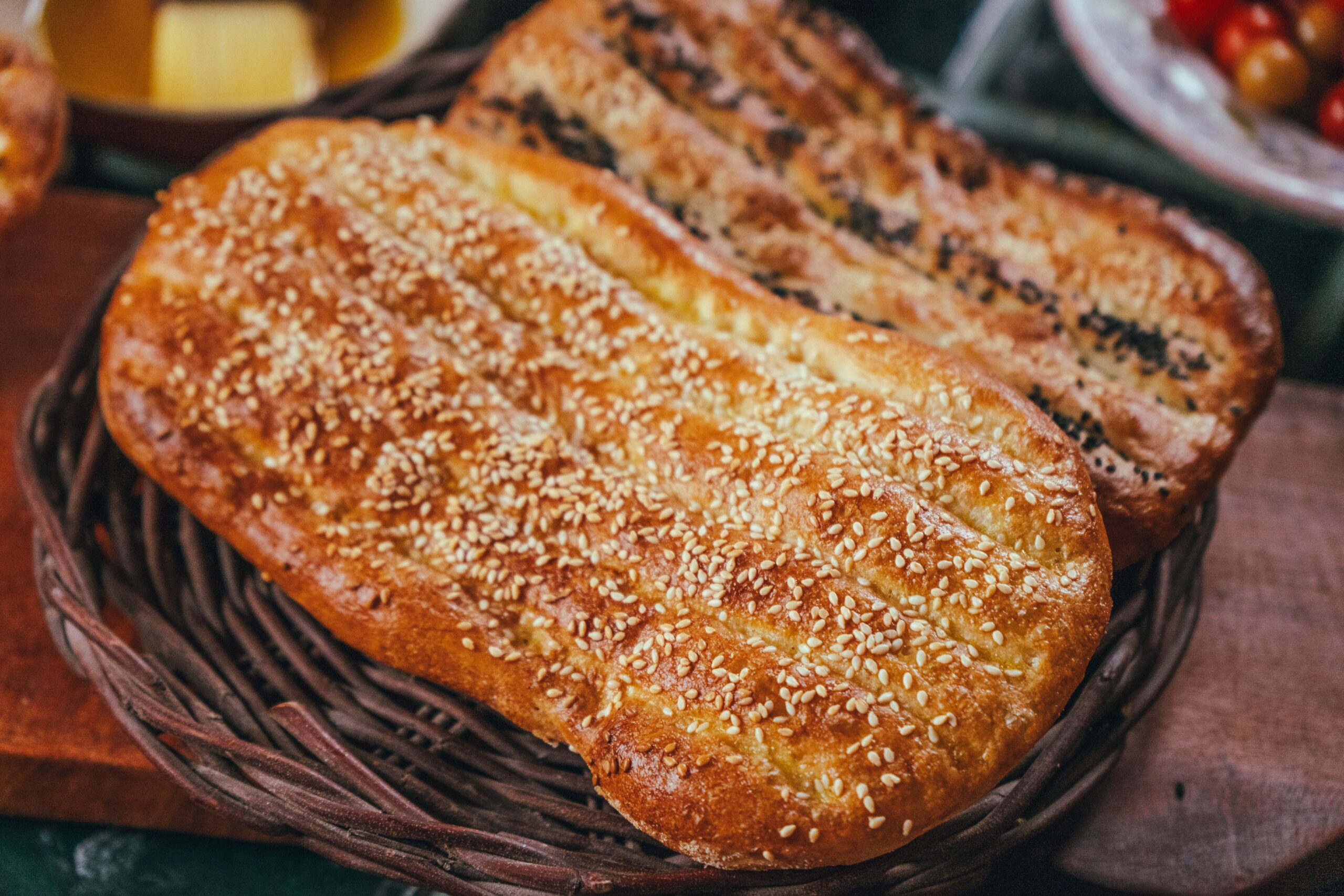
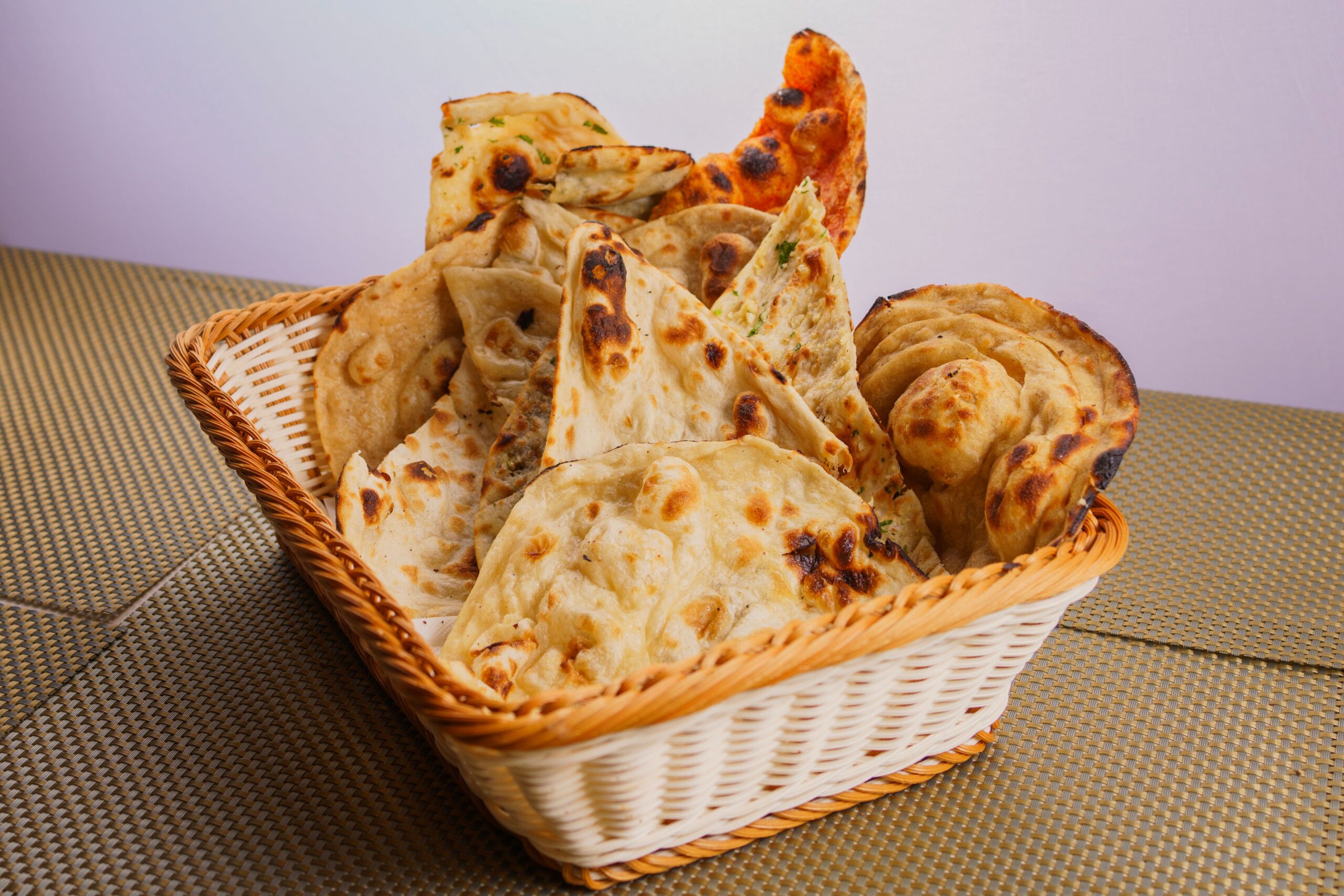
Nan is the generic Uyghur word for flatbread baked in a tandyr, a cylindrical clay oven sunk into the ground or built against a wall. Dough is slapped onto the hot inner wall, where it bakes in a few minutes into a blistered, slightly chewy disc. Unlike the steamed breads of central China, nan is always baked, which gives it a toasty crust and a shelf life of several days. Every region has its own shaping tricks, seeds, and sizes, but the principle is the same everywhere you go.
The bread also carries a social role that surprises visitors. A fresh round is the standard host gift, the thing offered first when you step into a yurt or a home, and the item most travelers photograph because the patterning on top is often beautiful. Bakers stamp the dough with carved wooden paddles that leave floral or geometric marks, so no two loaves look quite identical. Learning to read those marks is a small pleasure that makes market wandering more interesting.
The Main Varieties You’ll Meet
Most travelers only notice the plain round loaf, but the range is wider than it looks. Here are the ones worth seeking out.
| Variety | Look & taste | Best place to try |
|---|---|---|
| Plain nan (oil nan) | Round, dimpled, brushed with oil and sometimes onion; neutral and soft | Any bazaar, every city |
| Girde nan | Ring-shaped with a hole in the middle, firmer and drier | Kashgar, Hotan |
| Sheker nan | Sweet version with sugar, raisins, or walnut, often for festivals | Kashgar, during holidays |
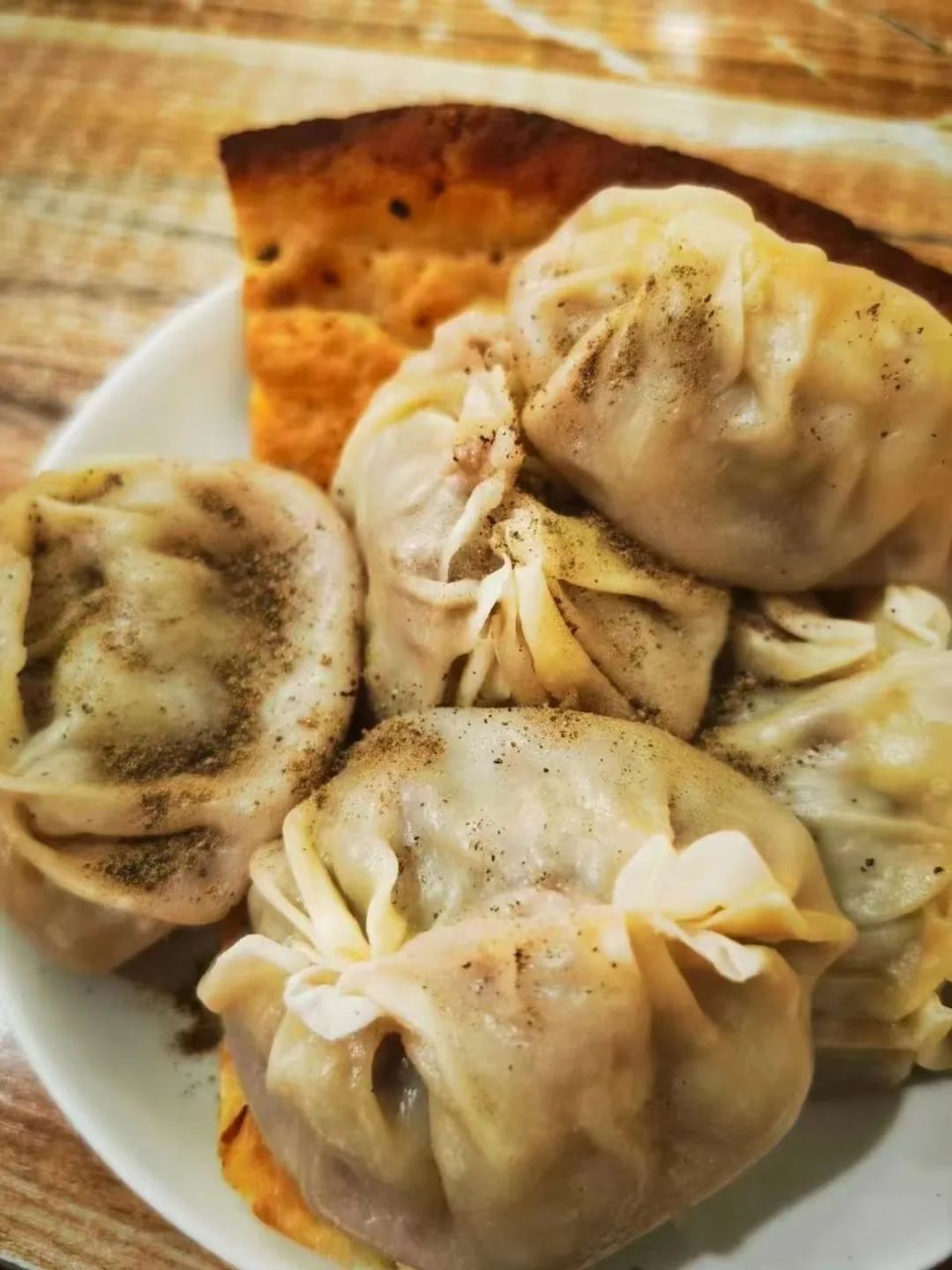
| Samsa (in the tandyr) | Small filled pastries, meat or pumpkin, baked against the oven wall | Urumqi, Turpan |
| Qotan nan | Thicker, layered, sometimes with sesame on top | South Xinjiang |
Girde Nan, the Ring Bread
Girde nan is the one that confuses first-timers because of the hole. It travels better than the soft rounds, which is why you see it stacked on long-distance bus seats. The crust is drier and the crumb tighter, so it is the bread people take on the road.
Sheker Nan, the Sweet One
Sheker nan is the celebration loaf. Bakers press patterns into the dough, dust it with sesame, and bake it darker. It is sweet but not dessert-sweet, more like a enriched bread, and it makes a good gift if you are invited to a Uyghur home.
How Nan Is Made in a Tandyr
Watching the bake is half the fun. The baker rolls the dough, presses dimples with a special tool, brushes it with a mix of water, oil, and sometimes egg, then slaps it onto the wall of the glowing tandyr using a damp cloth pad. Two or three minutes later it drops onto the oven floor, where a second baker fishes it out with a long hook. The whole rhythm is hypnotic, and most bakers are happy for you to watch if you stand clear. If you ask nicely, some will press a pattern or your initial into a loaf for a small extra charge, which makes a memorable breakfast and a funny photo to send home.
Where to Buy Nan on the Road
Nan is freshest in the morning, right after the first bake. Look for the tandyr shops with a stack of rounds on a wooden board outside. In the big cities the Urumqi Grand Bazaar has a dedicated bread section, and every county town has at least one neighborhood oven. For the wider food picture, our Xinjiang cuisine guide covers the dishes nan is meant to scoop up.
Eating Nan Without Looking Rude
A few habits keep you on the right side of local etiquette. Tear bread with your right hand rather than biting a shared loaf. Never stick a piece upright in the rice, that echoes a funeral custom. If someone breaks nan and offers you the first piece, accept it; refusing looks standoffish. And finish what you take, bread is respected here and wasting it reads as careless.
Regional Differences Worth Noting
Nan is not one recipe with a map pin. Northern cities like Urumqi lean toward larger, oil-brushed rounds eaten with stir-fries and polo. Down in the south, around Kashgar and Hotan, you find denser, seed-studded loaves built for the long desert drives, plus the sweeter festival versions that barely appear up north. If you are road-tripping the whole region, treat each town’s oven as a local specialty and taste the difference rather than assuming it is the same bread with a new stamp.
Kashgar and the South
In Kashgar the girde nan and sheker nan are the stars, and the old town ovens have been run by the same families for generations. The bread here travels well, which is why you see it strapped to the back of bicycles and piled in minibus aisles heading out to the villages.
Urumqi and the North
Up north the rounds are bigger and softer, eaten fresh the same morning with tea and jam or used to mop up the sauce from a plate of dapanji. The variety is wider because the city draws bakers from every part of the region, so it is a good place to sample the whole range in one market.
How Long Does It Last?
A plain nan stays soft for about a day and edible for three or four if you keep it in a paper bag, not plastic, which turns it soggy. Travelers use day-two nan as a crunchy base for dips or break it into soup. If it goes rock hard, local households re-steam it or toast it over a flame, and both tricks work on the road too.
On my last morning in Turpan I turned up at the tandir before seven, watched a baker slap the last loaves onto the wall, and carried one off still warm with a handful of black caraway seeds shaken along the side. That ten minutes taught me more than any menu would. If you eat naan twice and buy it twice, you stop treating it as background bread and start noticing which tandir belongs to which market.
Frequently Asked Questions
Is nan always vegetarian?
The bread itself almost always is, just flour, water, salt, oil, and sometimes milk or egg. Watch the toppings: sesame and onion are fine, but some festival loaves get a butter glaze, so ask if you avoid dairy.
Can I take nan home as a souvenir?
Yes, dried girde nan travels surprisingly well in a suitcase for a week or two. Customs rarely cares about plain bread, but check your own country rules if you are flying internationally with food.
How much does a loaf cost?
A plain round nan runs roughly 2 to 5 yuan in 2026, sweet or seeded versions a bit more. Prices barely move between cities, which is part of why it is the default cheap meal.
What is the difference between nan and samsa?
Nan is the bread; samsa is a small filled pastry baked in the same tandyr. Think of samsa as the stuffed cousin you buy from the same baker, usually meat, pumpkin, or potato.
Do bakeries take mobile payment?
Most city tandyr shops take Alipay or WeChat, but tiny roadside ovens in villages may be cash only. Carry a little small change and you will never be stuck.