Xinjiang Tea Houses (Chaykhana): Where the Region Slows Down Over a Bowl
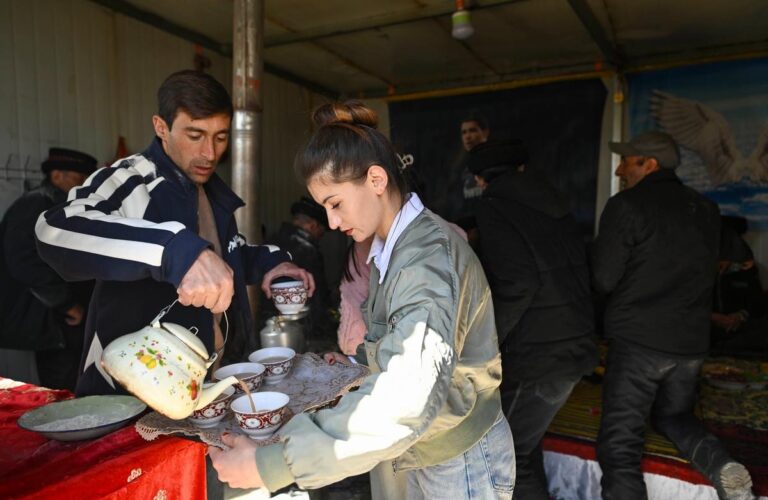
There is a particular kind of afternoon in Kashgar: the call from the mosque fades, the heat softens, and the old men drift into the chaykhana — the tea house — to sit for three hours over one bowl. I joined them once, ordered a bowl of brick-tea, and understood: the tea house in Xinjiang is not about caffeine, it is about time. This is the broader tea culture made physical, a room where the Silk Road’s slow pulse is still audible.
What Is a Chaykhana?
The word is Persian: chay (tea) + khana (house). In Xinjiang the chaykhana is a café, a men’s social club, a chess venue, and a news exchange rolled into one. Some are grand tiled halls; many are humble rooms with a samovar, low platforms, and carpets. You pay for the tea, not the seating — stay as long as you like.
What Gets Poured
Brick Tea (Hei Cha)
The workhorse is compressed brick tea — aged, fermented, dark — boiled with salt and sometimes a scrap of goat fat or milk. It is the base of Xinjiang milk tea but in the chaykhana you’ll often get it straight, black and bracing. A bowl is 2–5 RMB.
Flower and Fruit Teas
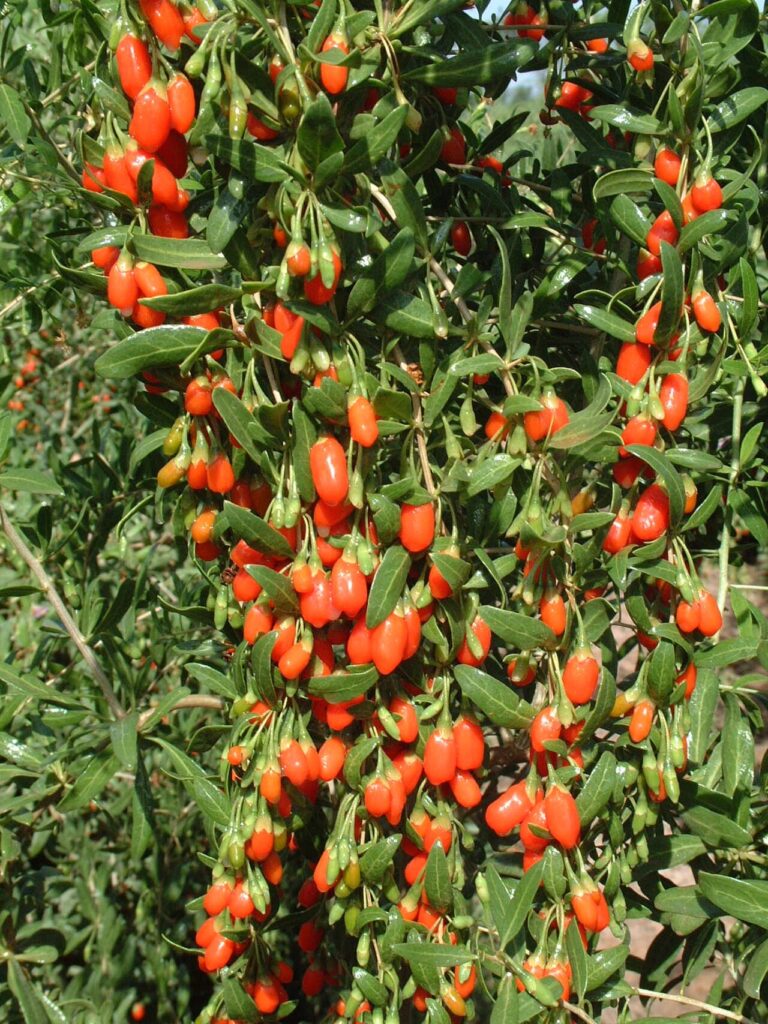
In the north and in tourist-facing houses, rosella, goji, and dried apricot teas appear — sweet, fragrant, and a world away from the brick. These cater to a younger, mixed crowd and to women, since the old brick-tea houses can be male-dominated.
Green and Milk Teas
Urumqi’s modern chaykhana lean toward gongting green teas and the salty milk tea of the south. The tea traditions guide maps the regional split well: salty and brick-heavy in the south, greener and milk-soft in the north.
| Tea type | Region | Price/bowl | Vibe |
|---|---|---|---|
| Brick tea (black) | Kashgar, south | 2–4 RMB | Traditional, male, slow |
| Salty milk tea | Everywhere | 3–6 RMB | Hospitality default |
| Rosella/fruit | Urumqi, Yili | 5–10 RMB | Modern, mixed |
| Green (gongting) | North cities | 4–8 RMB | Café-style |

Best Chaykhana Experiences
Kashgar Old Town
The centuries-old houses near Id Kah Mosque are the classic. Order brick tea, watch the dolanj (a long-necked lute) players some evenings, and let the chess games pull you in. Go at 4–6 pm.
Urumqi’s Erdaoqiao
More modern, with food stalls steps away. Good for a rainy afternoon and people-watching that mixes every ethnicity in the region.
Yili Grassland Yurt Tea
Not a building but a felt yurt where Kazakh hosts pour milk tea for hours. Less “house,” more “chaykhana spirit” — and the view is unbeatable.
The stall, the teahouse and the restaurant
The food is the same and the price gap is not small. The teahouse is where you sit an hour and get refilled. The restaurant is where you take someone you want to impress. I eat at the first two most days and take people to the third when they ask for somewhere proper.
What you lose at the stall is a seat and some shade. Everything else is right there. Three kinds of place sell the same dish in Xinjiang Tea Houses Chaykhana, and they are not competing so much as serving different occasions. The street stall is fastest, cheapest and eaten standing up.
I wrote the driving side up in our [[xinjiang-tibetan-culture-guide|Tibetan Culture in Xinjiang: The Plateau…]] as well.
How it is actually eaten
Eating alone here is a quiet business and the kitchen knows it. Bread goes down first, tea arrives without being asked for, and the main dish comes when the people eating together are already sitting properly. If you are travelling solo and the thought of a room full of families bothers you, the counter seats at the small places are exactly the right answer. In Xinjiang Tea Houses Chaykhana the meal is a long one, not a fast one. For the part people underestimate, see our [[xinjiang-xibe-culture-qapqal-guide|Xibe Culture in Xinjiang: Archery,…]].
The Etiquette of Loitering
Don’t rush. Refilling your bowl is the host’s job; tipping is not expected but a few RMB left on the tray is kind. If you join a shared platform, a small nod suffices as introduction. Reading a book or phone is fine; loud business calls are not.
Straight answers to what visitors ask
Are women welcome in chaykhana?
In the old brick-tea houses, yes but they skew male; you won’t be unwelcome, just possibly the only woman. The fruit-tea and Urumqi café-style houses are mixed and relaxed. Solo women travelers report feeling safe and left alone.
How long can I stay on one bowl?
As long as you like. It’s the whole point. I’ve sat two hours on a 3 RMB bowl and been waved off cheerfully.
Is the tea caffeinated enough to keep me up?
Brick tea is lower in caffeine than green; milk tea even gentler. An evening bowl won’t wreck your sleep, which is why it’s an after-dinner ritual.
Can I eat there too?
Many chaykhana serve naan, nuts, and sweets but not full meals. For food, pair the visit with a nearby Kashgar food stop.