Xinjiang Food Safety Tips: How to Eat Well Without Getting Sick
On my fourth trip through Xinjiang I finally stopped worrying about getting sick from the food — not because the kitchens got cleaner, but because I learned which habits actually matter. Xinjiang’s cuisine is some of the most rewarding street and home cooking in China, yet the mix of long-distance transport, 40°C summer heat, and very rich mutton dishes does catch unprepared travellers off guard. This guide distills the food-safety rules I now follow without thinking, so you can eat your way across the region with confidence.
Why Food Safety in Xinjiang Deserves Real Attention
Most visitors imagine “food poisoning” as the main threat, but in Xinjiang the bigger issues are milder and more annoying: a churning stomach from too much fat at altitude, dehydration in dry desert air, and the occasional bout of travellers’ diarrhea from cold cooked food left sitting out. None of these ruined a trip for me, but each one cost a day of comfort. The good news is that they are almost entirely preventable.
The real risks, ranked
| Risk | Where it bites | Likelihood | Easy fix |
|---|---|---|---|
| Rich mutton at altitude | Karakul, Tashkurgan, heavenly-lake stops | Medium | Small portions, eat slowly, sip hot tea |
| Cold cooked food in heat | Summer bazaars, buffet spreads | Medium | Choose hot, freshly cooked items |
| Untreated tap water | All cities | Low | Bottled or boiled water only |
| Ice from unknown source | Small-town drink stalls | Low | Skip ice outside big hotels |
| Unwashed raw produce | Roadside fruit stands | Low–Med | Peel it yourself or rinse with safe water |
Street Food: The Golden Rules I Follow
Xinjiang’s night markets and roadside grills are world-class, and you should absolutely eat there. The trick is to let the cooking process do the safety work for you. Anything boiled, grilled over open flame, or roasted in a tandoor-style oven reaches temperatures that kill pathogens — so laghman noodles, kawap lamb skewers, and freshly baked naan are among the safest things you can order.
How to pick a stall
I look for three signals: a fast turnover of customers (food does not sit), visible live fire or boiling pots, and locals queueing — especially families with kids. A stall that has been open for years in a city bazaar is, statistically, a safe bet. I avoid trays of pre-cooked meat that have clearly been sitting at room temperature for an hour, no matter how good they smell.
What to avoid at the end of a hot day
After about 7 p.m. in midsummer, I stop buying cold cutlets, cream-based salads, or anything dairy that has been unrefrigerated. The same dish at noon from a busy stall is fine; the same dish at 9 p.m. after a long hot afternoon is a gamble. When in doubt, order something that gets cooked again in front of you.
Water, Ice and Dairy
Tap water in Xinjiang’s cities is treated but not meant for drinking — boil it or buy sealed bottles. I carry a refillable bottle and top up at hotels and the many hot-water dispensers at train stations. For dairy, the region’s Xinjiang milk tea is usually boiled with salt and brick tea, which makes it safe and soothing; factory-sealed yogurt drinks are also fine. I skip loose, unrefrigerated cream sold from open bowls.
Meat, Mutton and Halal Kitchens
Nearly all Uyghur, Kazakh, Kyrgyz and Hui eateries in Xinjiang are halal, which already rules out pork and imposes strict butchery hygiene. That is a quiet safety advantage. The main thing to watch is simply how the meat is handled in the heat.
| Dish | Cooking method | Safety rating | My note |
|---|---|---|---|
| Kawap (lamb skewers) | Open-flame grill | High | Order hot off the coals |
| Naan / samsa | Tandoor oven | High | Buy whole, break yourself |
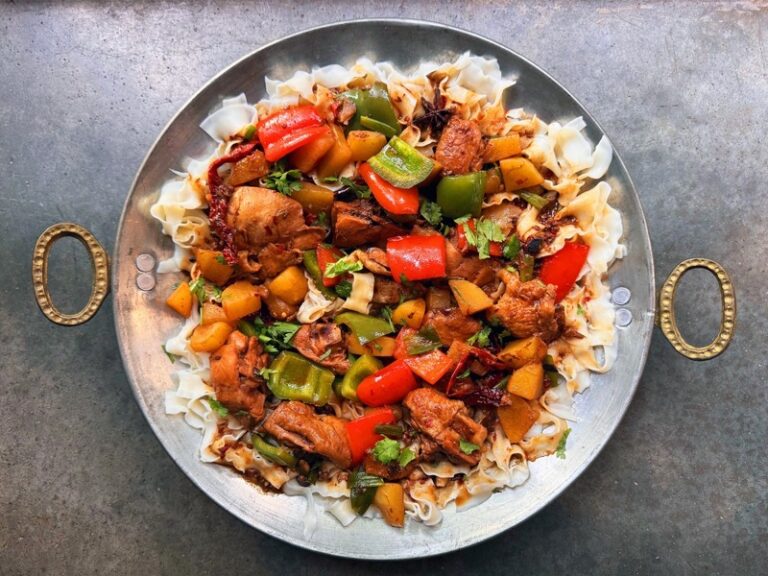
| Da pan ji | Deep wok boil | High | Eat immediately, not reheated |
| Polo (pilaf) | Steamed rice + meat | Medium | Pick a busy lunch spot |
| Cold noodle salad | Raw, dressed | Medium | Avoid in peak summer heat |
Altitude, Spice and Your Stomach
Much of southern Xinjiang sits high — Kashgar at 1,300 m, Tashkurgan near 3,100 m, and the Pamir passes higher still. At altitude your digestion slows and a heavy mutton feast can sit like a stone. I eat lighter the first day up high, drink more water than feels necessary, and let the wider Xinjiang food guide steer me toward balanced meals rather than all-meat binges. Chili itself is not the enemy; the fat load is.

A Small Safety Kit That Earns Its Weight
I pack: oral rehydration salts, a probiotic, basic anti-diarrheal tablets, hand sanitizer, and a few sealed wet wipes. None of these are exotic, but on a 14-hour drive between oasis towns they turn a bad evening into a minor inconvenience. Wash hands before every meal — the single most effective habit of all.
Ordering for a Group Without Overextending
Xinjiang meals are built to share, and the communal plate is where both the joy and the risk live. When I travel with friends, we order one hot dish per person plus bread, then add a cold item only if the venue is busy and the weather is mild. This keeps the table mostly hot-and-safe while still feeling like a feast. If someone in the group has a weak stomach, I steer them toward grilled meat and plain naan and let the adventurous ones tackle the cold specialties.
Reading a menu for safety cues
A menu itself tells you about kitchen confidence. Places that list clear prices and show photos of the actual dish tend to move volume and cook to order. Stalls with a glass case of pre-made cold plates sitting in the sun are the ones I walk past. When a vendor happily points you at the wok or the grill, that openness is a good sign the food is handled in front of you.
Small questions, honest answers
Is it safe to eat street food in Xinjiang?
Yes, with judgment. Stick to hot, freshly cooked items from busy stalls, avoid room-temperature cooked food in summer, and you will eat far better than you will get sick. The grilled and oven-baked classics are the safest choices on the menu.
Can I drink the tap water?
No. Treat tap water as non-potable: boil it or use sealed bottled water. Hot-water dispensers at hotels and stations make this easy, and boiled milk tea is a safe, traditional way to stay hydrated.
Will the spicy food upset my stomach?
Chili is rarely the cause; rich mutton fat and cold leftovers are. If you are sensitive, order grilled meats and steamed breads over creamy or cold dishes, and ease into big meals during your first days at altitude.
Are vegetarian options safe and available?
Vegetarians do well here: fresh-baked naan, noodle dishes, roasted vegetables, and fruit are widely available and low-risk. Ask for “gusalsiz” (without meat) and confirm no meat stock in soups.
How do I avoid getting sick from fruit?
Xinjiang’s melons and grapes are spectacular. Peel what you can (melons, apricots) or rinse under safe water and dry with a clean cloth. Skip pre-cut fruit left uncovered in the sun.
What should I do if I get sick anyway?
Rest, hydrate with oral rehydration salts, and eat plain naan and rice. Most mild cases pass in a day. Seek a clinic for high fever, blood in stool, or symptoms lasting beyond 48 hours — city hospitals in Urumqi and Kashgar are modern and capable.