
Xinjiang Packing List: What to Bring for Every Season and Region
A reliable Xinjiang packing list has to account for one of the widest climate ranges on the planet, which is why experienced visitors recommend planning gear by region and month rather than by a single season. The advice below is compiled from public climate data, local operator guidance, and traveler reports, not from a single personal trip, so treat it as a planning baseline rather than a fixed rule.
Xinjiang Packing List: Why the Region Breaks Normal Rules
Before listing specific items, it helps to understand why a Xinjiang packing list looks different from a normal China itinerary. This guide is built from published climate records, transport operator notes, and aggregated traveler feedback rather than the author’s own journey. Xinjiang spans roughly 1,600 kilometers east to west and covers both scorching desert basins and high Pamir and Tian Shan ranges. Travelers report temperature swings of 15 to 25 degrees Celsius between noon and midnight in spring and autumn, and the same day can demand a windproof shell and a short-sleeve shirt. Dust storms, intense ultraviolet light, and remote drives where shops are hours apart all push packing decisions toward redundancy and self-sufficiency. Readers should adjust every recommendation to their own route, altitude, and travel month. The sections below move from climate facts to a timed pre-trip checklist so the plan stays practical.
Key facts
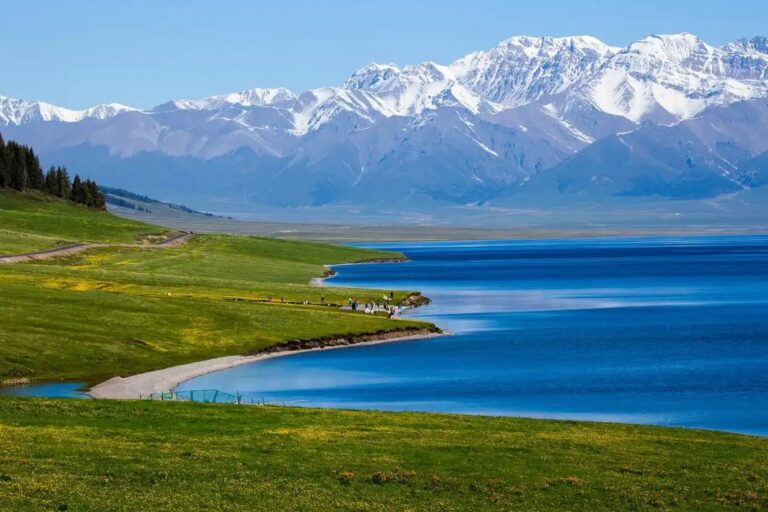
Xinjiang sits in a continental arid climate zone. Northern areas such as Urumqi, Yili, and Altay are cooler and greener, while the south, including Kashgar, Hotan, and Turpan, is drier and hotter. Turpan is one of the lowest and hottest places in China, while the Pamir Plateau near Tashkurgan sits above 3,000 meters. Climate data shows annual temperature variation can exceed 60 degrees Celsius from winter low to summer high across the region. Humidity is low almost everywhere, which makes the air feel drier than the thermometer suggests and increases the need for lip balm, moisturizer, and water. Travelers report that the single biggest mistake is underestimating nighttime cold even in July. A Xinjiang Weather month-by-month guide helps match gear to specific dates and avoids packing the wrong weight of jacket.
The table below compares north and south so you can weight your bag by destination. Northern routes need more rain and grass protection, while southern routes need more dust and heat defense.
| Factor | North Xinjiang (Urumqi, Yili, Altay) | South Xinjiang (Kashgar, Hotan, Turpan) |
|---|---|---|
| Summer daytime | 20 to 30 C, occasional rain | 30 to 42 C, dry heat |
| Winter low | -20 to -5 C, snow | -10 to 0 C, less snow |
| Key risk | Cold, mud, mosquitoes | Dust, sun, dehydration |
| Priority gear | Insulated boots, waterproof shell | Sun hat, dust mask, light cotton |
| Altitude note | Mostly below 2,000 m | Pamir side above 3,000 m |
Routes in
Most international and domestic visitors arrive via Urumqi Diwopu International Airport or by rail into Urumqi, then transfer to regional flights or long-distance buses. Travelers report that nearly everything on a packing list can be bought on arrival in Urumqi, Kashgar, or Yili, but selection and price vary. Sun hats, basic sunscreen, water bottles, and phone accessories are widely available in city malls and bazaars. However, specialist items such as high-SPF reef-safe sunscreen, quality hiking boots in large sizes, and medical supplies for altitude are harder to find outside major cities. Bringing these from home is the safer choice. A power bank, warm layers, and any prescription medication should travel in your carry-on, since remote stretches between towns can leave you without a shop for hours. If you fly via a hub with baggage limits, buy bulky items like a down jacket after arrival in Urumqi to save weight. Consider shipping nothing ahead; local courier coverage is patchy in rural counties.
Prices and passes
This section covers the local cost of items travelers commonly forget, based on traveler reports and 2025 market observations. Prices are ranges and should be confirmed locally, since they shift with season and location. A basic power bank (10,000 mAh) costs about 60 to 120 RMB as of 2025 in Urumqi electronics shops. Sunscreen (local brand, SPF 50) runs 30 to 70 RMB. A reusable 1-liter water bottle is 15 to 40 RMB. A simple dust mask or buff is 10 to 25 RMB. Warm gloves sell for 25 to 60 RMB in winter. There are no entry tickets required for packing itself, but national park and scenic area entries across Xinjiang typically range from 30 to 200 RMB per site, and some plateau areas need border permits processed in Kashgar for a small administrative fee. Budget travelers can review a detailed Xinjiang travel budget breakdown before buying gear, since forgetting an item can add 100 to 300 RMB in replacement runs.
When the roads open
The best travel window depends on your target region. Spring (April to May) and autumn (September to October) are the most balanced months for most routes, with moderate days and cooler nights. Summer (June to August) is best for the grasslands of Yili and the mountains, but the south gets very hot. Winter (November to March) offers snow scenery and low crowds but demands serious cold-weather gear. To build a season-correct Xinjiang packing list, match your dates to the climate table in our best time to visit Xinjiang guide, which breaks down each region month by month. Travelers report that shoulder seasons (late May and early September) give the best balance of comfortable temperatures and fewer tourists, and that is when a light layered clothing system performs best without extreme-weight jackets. Note that a season-correct Xinjiang packing list always starts from these dates.
How to spread the days
Rather than a sightseeing schedule, this is a pre-trip packing timeline with clock times so nothing is left for the airport. Use the table as a checklist in the two weeks before departure.
| Timeline | Clock Time | Task |
|---|---|---|
| T-14 days | 09:00 | Check border permit needs for Pamir or military areas; list prescription meds. |
| T-10 days | 20:00 | Order power bank, sun protection, and altitude supplies online if not local. |
| T-7 days | 08:30 | Test layered clothing system; pack carry-on with documents and meds. |
| T-3 days | 19:00 | Buy local cash (small RMB) and a reusable water bottle; confirm weights. |
| T-1 day | 21:00 | Final pack: dust mask, lip balm, offline maps, spare cables. Weigh bags. |
| Departure day | 06:00 | Wear bulkiest shoes and jacket; keep power bank and water in cabin bag. |
Travelers report that following a timed checklist reduces forgotten essentials far more than packing the night before. Adjust the clock times to your own schedule, but keep the sequence. The image below shows a packed backpack arranged by this order, with heavy items at the base and daily-use items on top.

Hotels, guesthouses, camps
Hotels in Urumqi, Kashgar, and Turpan generally provide air conditioning or heating, basic toiletries, and towels. Mid-range and budget guesthouses in smaller towns may not supply consistent hot water or thick blankets in shoulder season. Travelers recommend bringing your own lightweight sleep layer, a compact travel towel, and a universal plug adapter since socket types vary. High-altitude stays near the Pamir often lack electric blankets, so a warm mid-layer and thermal base become important even indoors. A small flashlight or phone light backup is useful when rural power dips. Most hotels offer Wi-Fi, but a power bank remains essential because long transfer days between towns drain phones used for maps and translation. If you book a yurt or homestay on the grassland, expect shared bathrooms and pack flip-free closed shoes plus a sleep sack.
What & Where to Eat Nearby
Xinjiang cuisine centers on lamb, noodles, flatbread (nan), and dairy, with strong halal traditions across the region. In cities you will find restaurants, night markets, and convenience stores, but on long drives between Kashgar and the plateau or across the Taklamakan fringe, food stops can be far apart. Travelers recommend carrying energy bars, nuts, and dried fruit bought in city bazaars, plus a refillable water bottle since dehydration is common in dry air. A small pack of wet wipes and a foldable spork helps at roadside stops. If you have dietary restrictions, bring labeled snacks from home, as English menus are rare outside Urumqi. Staying hydrated also supports altitude adjustment on the Pamir, where the Altitude Sickness on the Pamir Plateau guide covers preparation in detail. Market visits in Kashgar and Yili are good spots to stock up on trail snacks before remote legs.
On the practical side
Layered clothing is the core principle for every season. A three-layer system (base, mid, shell) lets you adapt from a cold morning to a hot afternoon without carrying a full wardrobe. Sun protection matters even in winter because ultraviolet levels are high on snow and plateau. Pack a wide-brim hat, UV sunglasses, SPF 50 sunscreen, and lip balm with SPF. Altitude above 2,500 meters calls for gradual ascent, extra water, and a basic symptom check; consider altitude medication only after consulting a doctor. Dust is unavoidable on rural roads, so a buff or light mask protects your nose and camera lens. A power bank of at least 10,000 mAh keeps maps and translation apps alive during long transfers. Keep photocopies or offline scans of your passport and permit. Footwear should be closed and broken-in; sandals are poor for dusty, rocky terrain. The image below shows a typical sun protection gear set for plateau and desert days.

The image below shows a layered clothing setup with a breathable base, a fleece mid-layer, and a packable shell, the combination most travelers report as sufficient across seasons.

Small questions, honest answers
Q1: Do I really need a power bank in Xinjiang?
A: Yes. Long drives between towns and limited charging on buses or trains make a 10,000 mAh or larger power bank practical for maps, translation, and tickets.
Q2: Is layered clothing necessary in summer?
A: Travelers report it is. Desert days can hit 35 degrees Celsius while nights drop to 15 or lower, so a light base, a mid fleece, and a wind shell cover the range.
Q3: How serious is the sun, and what sun protection should I bring?
A: Ultraviolet is strong year-round, especially on snow and plateau. Bring SPF 50 sunscreen, UV sunglasses, a wide-brim hat, and SPF lip balm. Local stocks exist but quality varies.
Q4: What should I know about altitude and dust?
A: The Pamir and parts of the Tian Shan exceed 3,000 meters. Ascend gradually, drink more water, and carry a dust mask or buff for rural roads. See the altitude guide before booking plateau stays.
Q5: Can I buy forgotten items on arrival instead of packing them?
A: In Urumqi and Kashgar, yes for basics like water bottles, hats, and a basic power bank. Specialist sunscreen, large-size boots, and altitude meds are safer to bring from home.
Q6: What clothing works for both north and south Xinjiang?
A: A neutral layered set: breathable base, insulating mid-layer, and a packable waterproof shell. Add a warm hat and gloves if visiting Altay or the plateau between October and April.
Q7: Should I pack food and water for the trip?
A: On remote drives, yes. City food is easy, but gaps between stops can be hours. Carry refillable water and shelf-stable snacks from bazaars or home.
Q8: Is winter travel possible, and how does packing change?
A: Yes, with proper gear. Add a down jacket, thermal base layers, insulated boots, and snow-rated tires if self-driving. The Winter Self-Driving in Xinjiang guide covers road rules.