
Is Xinjiang Safe for Tourists in 2026?
For international travelers who intend to explore Western China in 2026, the most concerned question is undoubtedly: Is Xinjiang safe for tourists in 2026? The answer is absolutely affirmative. Xinjiang ranks among the safest and most stable regions across China, renowned for its spectacular landscapes, profound ethnic heritage and exceptionally welcoming locals. This all-round objective guide elaborates on the current safety conditions for traveling in Xinjiang in 2026, together with a complete travel manual covering natural wonders and cultural experiences. It will completely dispel your doubts and help you confidently arrange this unforgettable bucket-list journey.
Last updated: July 15, 2026 · Written by Karl Huang, a Xinjiang travel specialist who has spent time across the region. Practical details are cross-checked against official tourism, transport, and border-regulation sources.
Part 1 Core Answer: Full Safety Analysis for Travelers
Safety is the cornerstone of any travel plan. From multiple practical perspectives, traveling in Xinjiang is safe, well-organized and fully secured for foreign visitors in 2026.
1. Social Security & Public Order
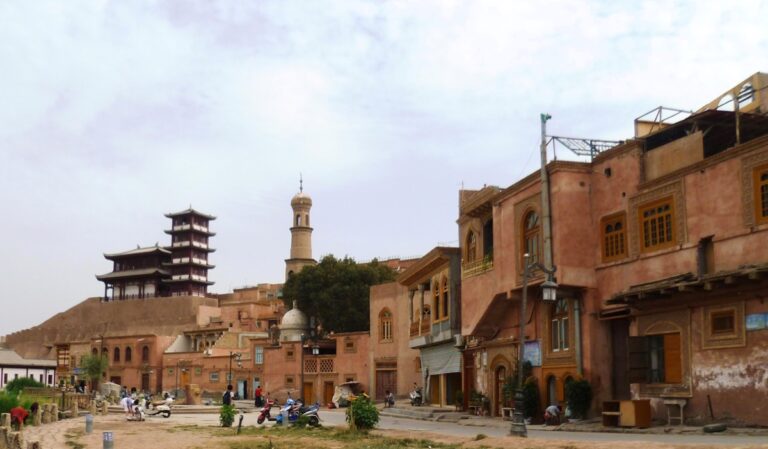
Xinjiang maintains an excellent public security environment. Strict public security management is implemented in all urban areas and mainstream scenic spots, with sufficient police forces and complete public safety facilities in place. Whether you wander among bustling crowds at Urumqi International Grand Bazaar or stroll along quiet alleys in Kashgar Ancient City at night, you can always feel a peaceful and orderly atmosphere.
Local residents of all ethnic groups including Uyghur, Kazakh, Kirghiz and Han are universally warm and hospitable. As long as you follow basic travel norms, respect local customs and abide by relevant laws and regulations, your personal safety and property are fully guaranteed. In terms of social order, you can travel in Xinjiang with total peace of mind.
2. Travel Health & Medical Support
- Altitude Sickness: Several scenic areas such as the Pamir Plateau (over 3000-4000 meters above sea level) carry mild altitude sickness risks. You can adapt easily by arranging a reasonable itinerary — for instance, staying in Kashgar for 1 to 2 days to acclimatize, avoiding strenuous exercise upon arrival, and preparing portable oxygen cylinders and common daily medicines.
- Diet & Hygiene: Xinjiang’s local cuisine is mainly based on beef, mutton, flour foods and seasonal fresh fruits. Cities and major tourist destinations offer diverse dining options ranging from international chain restaurants to authentic local eateries with reliable sanitary conditions. It is recommended to drink bottled water and taste fresh seasonal local fruits moderately.
- Medical Resources: Modern well-equipped general hospitals are available in core cities including Urumqi, Kashgar and Yining, capable of treating common illnesses and handling medical emergencies. All international travelers are highly advised to purchase comprehensive travel insurance covering medical evacuation and emergency rescue services within China before departure.
3. Traffic Safety & Road Conditions
- Road Infrastructure: Expressways and national highways connecting major cities and scenic spots are well maintained. World-famous scenic mountain roads such as the Duku Highway and Yizhao Highway are only open in summer with standardized management, complete viewing platforms and service stations along the routes.
- Self-driving & Chartered Travel: If you choose self-driving tours, please make sure you hold valid certified international driving documents or notarized Chinese translations of your home driving license, rent vehicles from formal car rental agencies and purchase full vehicle insurance. For the majority of tourists, hiring a local experienced driver and guide via chartered car service is the most recommended, safe and straightforward option. They are familiar with complex road conditions, volatile local weather and regional customs, able to avoid potential risks and deliver in-depth cultural explanations.
- Public Transport: A mature network of intercity flights and trains ensures safe and punctual trips between cities. Taxis and online car-hailing services are convenient and reliable within urban areas.
4. Tourism Policies & Regulations
Tourism-related policies in Xinjiang are clear, stable and transparent. Foreign travelers only need to comply with the following standard administrative regulations, which are formulated to ensure the safety and convenience of all visitors:
- Border Area Entry Permit: A valid entry permit applied in advance via qualified local travel agencies is mandatory for visiting border destinations such as Kanas, Baihaba and Taxkorgan on the Pamir Plateau. It is a routine administrative procedure with simple and streamlined application processes.
- Communication & Internet Coverage: Stable 4G and 5G network signals are accessible in cities and major towns, while signals may weaken in remote scenic areas such as deserts and remote mountain regions. It is suggested to download offline maps and translation apps in advance, and share your general travel itinerary with family or friends.
- Cultural Etiquette & Respect: Xinjiang is home to diverse ethnic groups and religions. Please dress modestly when visiting mosques, and politely ask for permission before photographing local residents or their daily business activities. Such basic manners will help you gain more friendliness and make your journey smoother.
To wrap it up, Is Xinjiang safe for tourists in 2026? The answer is definitely yes. With sufficient pre-trip preparation and full compliance with local rules and regulations, Xinjiang boasts an extremely high safety index for travelers. Sound tourism infrastructure, professional service staff and a friendly social atmosphere are sincerely welcoming tourists from all over the globe.
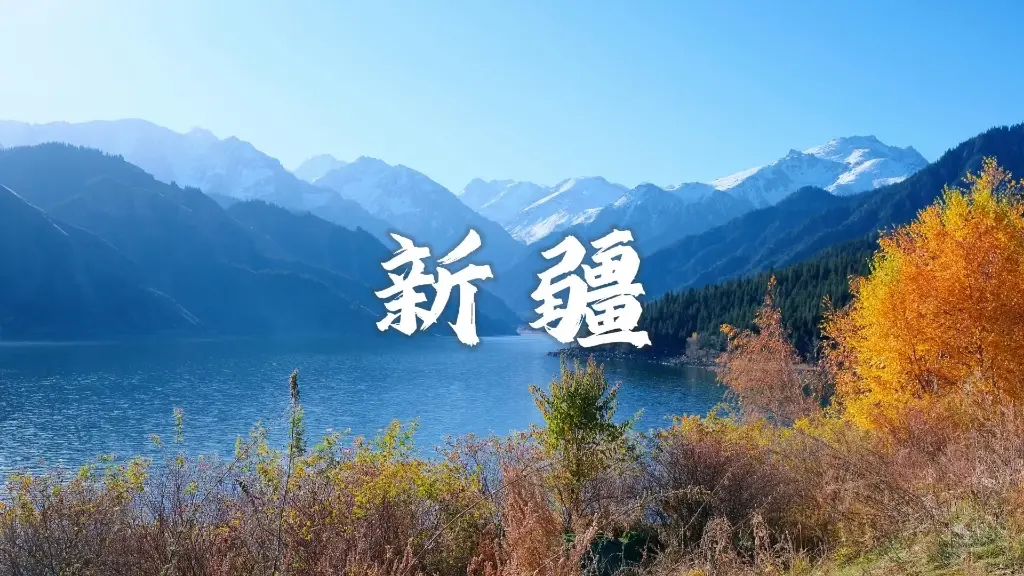
Part 2 Best Travel Seasons | 2026 Xinjiang Travel Calendar
Endowed with vast territories and diverse landforms, Xinjiang presents distinct scenery all year round. Your ideal travel period depends on the travel themes you prefer.
- Late Spring to Early Summer (May – June): Wild flowers bloom vigorously across grasslands in northern Xinjiang’s Ili region with pleasant temperatures and fewer tourists, perfect for enjoying serene pastoral scenery. Southern Xinjiang features mild weather, ideal for urban sightseeing and cultural exploration.
- Peak Summer (July – August): The busiest travel season. Cool climate in northern Xinjiang makes it a perfect summer retreat, with grasslands reaching their most beautiful phase; southern Xinjiang gets relatively hot yet ushers in the harvest season of sweet juicy fruits. Both Duku Highway and Yizhao Highway are fully open during this period.
- Golden Autumn (September – October): The most popular season among landscape photographers and in-depth travelers. Layered colorful forests in Kanas and Hemu of northern Xinjiang form fairy-tale landscapes, while golden poplar forests in southern Xinjiang present stunning natural views. The weather stays stable with top-tier scenic views.
- Winter (November – March): Northern Xinjiang transforms into an icy snow wonderland suitable for skiing and snow appreciation, while some scenic spots and mountain roads are closed in winter. Southern Xinjiang remains relatively warm, where you can experience unique winter customs and local festivals.
For first-time foreign travelers eager to experience diversified landscapes, September to October is the optimal travel window. You can appreciate gorgeous autumn foliage in northern Xinjiang and magnificent golden poplar forests in southern Xinjiang simultaneously. This season is not only safe for traveling, but also offers peerless natural scenery.
Part 3 Unmissable Core Attractions & Travel Highlights
Xinjiang’s greatest charm lies in its extreme landscape diversity and breathtaking natural beauty. Below are top must-visit travel experiences sorted for your 2026 trip, composing the most wonderful chapters of your safe Xinjiang journey.
Northern Xinjiang: Magnificent Natural Wonders
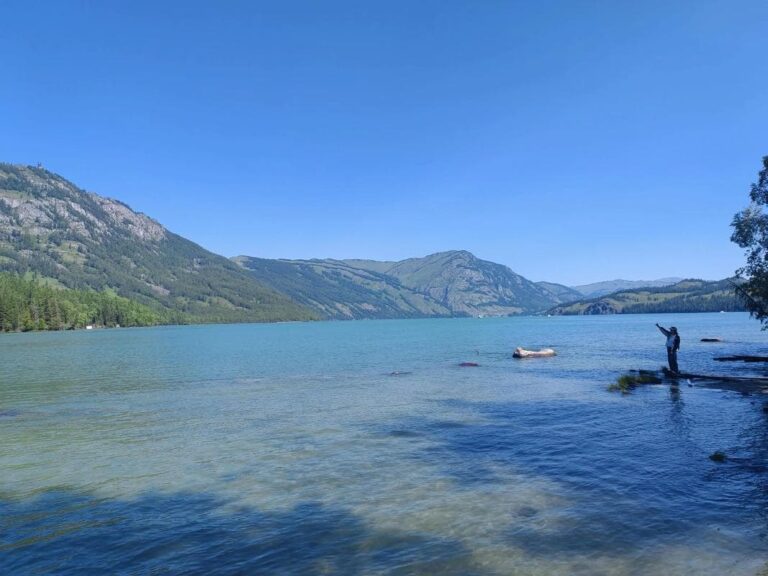
- Kanas Lake: Known as the Garden of Gods, its water color changes constantly with sunlight and seasons, and the legendary lake monster tales add a sense of mystery. In autumn, surrounding taiga forests are dyed golden and crimson, reflecting perfectly in emerald lake water, creating an ultimate visual feast.
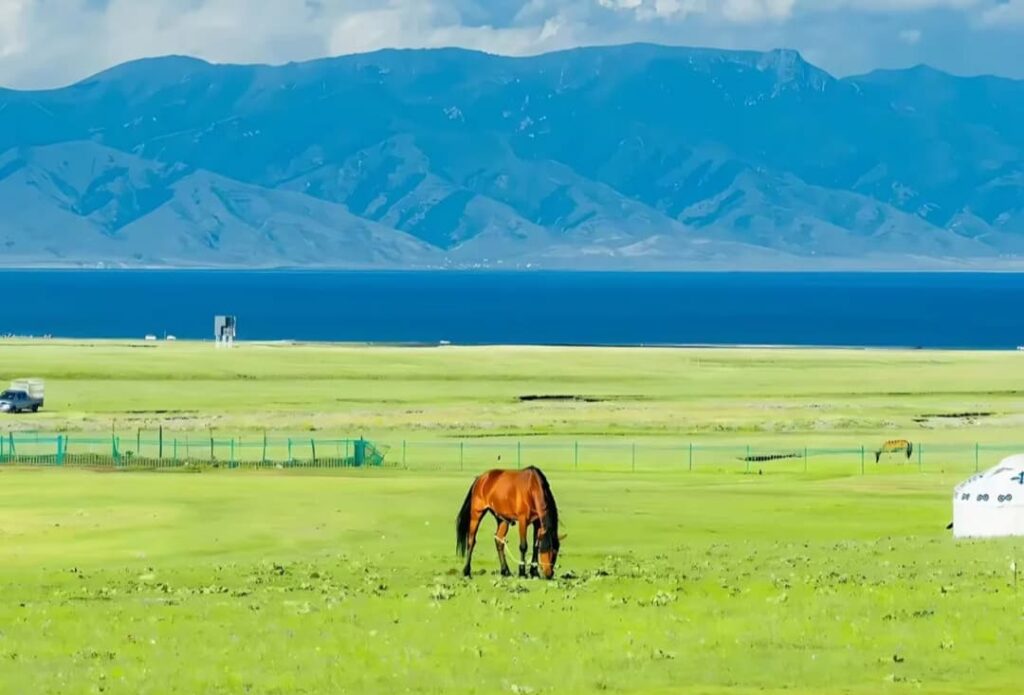
- Sayram Lake: Praised as the Last Tear of the Atlantic. Crystal clear blue lake water matches snow-capped peaks and vast grasslands, and lakeside self-driving or cycling tours are the best ways to embrace the grandeur of nature.
- Narat & Bayanbulak Grasslands: Ranked among China’s most renowned alpine grasslands. The sky grassland of Narat is covered in lush green vegetation, while the winding river bends of Bayanbulak glow like golden ribbons under sunset glow.
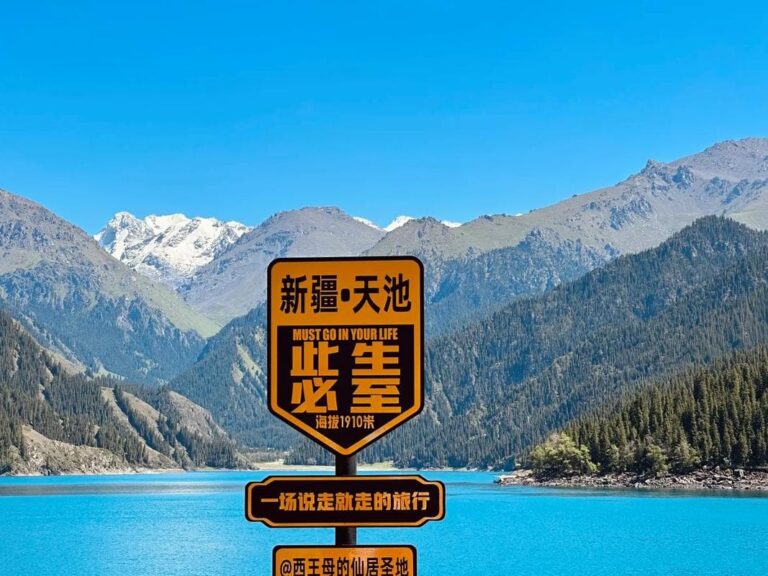
- Duku Highway: A world-famous scenic route running across the Tianshan Mountains. Stretching 561 kilometers, travelers can experience four distinct seasons within one single drive, passing glaciers, mountain passes, primeval forests and grand canyons — the driving journey itself is an unforgettable adventure.
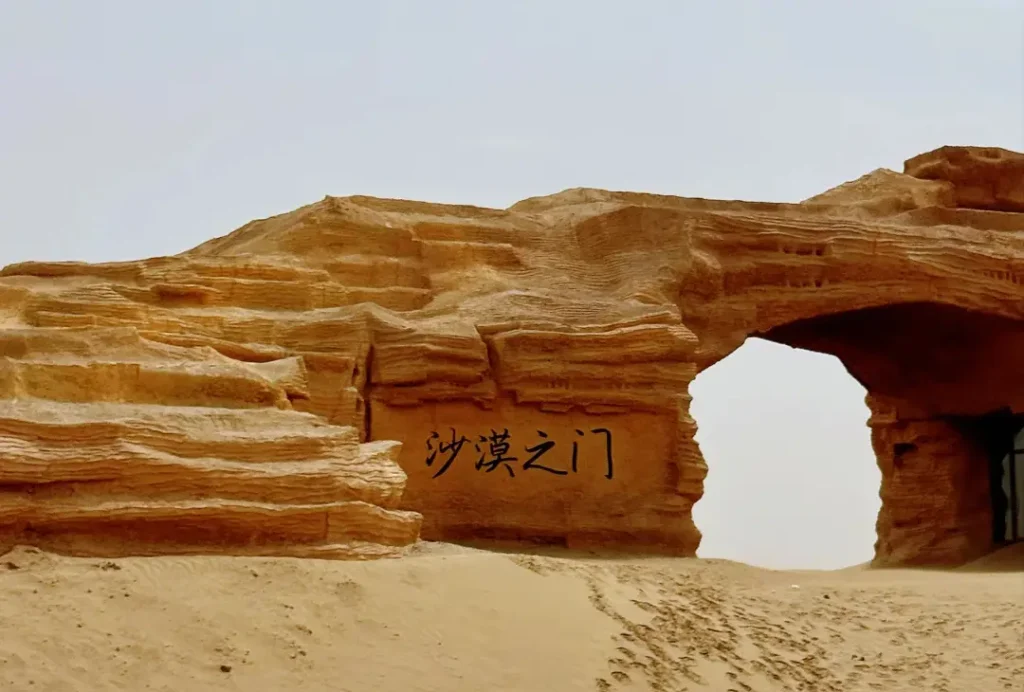
Southern Xinjiang: Cradle of Ancient Civilizations
- Kashgar Ancient City: A well-preserved living relic of the ancient Silk Road. Wander through maze-like earthen alleys, watch local children playing and listen to the clinking sound of traditional copperware craftsmanship. Savor a cup of tea in century-old teahouses and enjoy slow-paced authentic local life with complete travel safety.
- Pamir Plateau: Head towards the Roof of the World along the China-Pakistan Friendship Highway. You will be amazed by the pure scenery of White Sand Lake and the perfect reflection of Muztagh Ata Peak in Karakul Lake, and experience the unique culture of the eagle-worshipping Tajik people in Taxkorgan.
- Taklamakan Desert Highway: Set off on a road trip across the world’s second-largest shifting sand desert to feel ultimate wilderness vastness and tranquility. Straight highways stretch all the way to the horizon flanked by rolling sand dunes, with well-built roads and comprehensive travel support services.
- Luntai & Yuli Populus Euphratica Forests: Ancient poplar trees turn brilliant golden in autumn. Enduring thousands of years of tenacious vitality, these trees form magnificent soul-stirring landscapes on the edge of the desert.
Eastern Xinjiang & Ili River Valley: Oasis & Floral Romance
- Flaming Mountain (Turpan): Experience the sweltering legendary scenery, explore the ingenious ancient Karez underground water system and visit picturesque Grape Valley to discover the wisdom of oasis civilization.
- Ili River Valley: Huocheng lavender fields are comparable to Provence in summer; vast rapeseed flower fields and the famous Horse River scenery in Zhaosu create stunning pastoral views; the soft rolling contours of Kalajun Grassland also enjoy great popularity among travelers.
Part 4 Practical Safety & Travel Tips for International Travelers 2026
- Document Preparation: Keep valid passports and Chinese tourist visas properly. Apply for the Border Area Entry Pass in advance via formal travel agencies if you plan to visit border regions, which is essential for smooth travel.
- Payment Tips: Credit cards and mobile payments (WeChat Pay, Alipay) are widely accepted in major cities, while carrying a proper amount of RMB cash is necessary for remote towns and local street vendors.
- Clothing & Daily Essentials: Extreme temperature difference between day and night is typical in Xinjiang. Windproof warm outerwear is necessary all year round. High-SPF sunscreen, sunglasses, sun hats and lip balm are indispensable daily supplies.
- Choose Reliable Travel Service Providers: Book chartered cars, accommodation and group tours via formal platforms and reputable local travel agencies. Professional local guides can not only guarantee your travel safety, but also lead you to experience authentic local culture in depth, which is the most practical answer to whether Xinjiang is safe for tourists.
- Friendly Travel Attitude: Xinjiang is a harmonious multi-ethnic community. Treat every local resident with smiles and sincere respect, and you will receive equal kindness and help in return, which brings you the most reassuring sense of security during your trip.
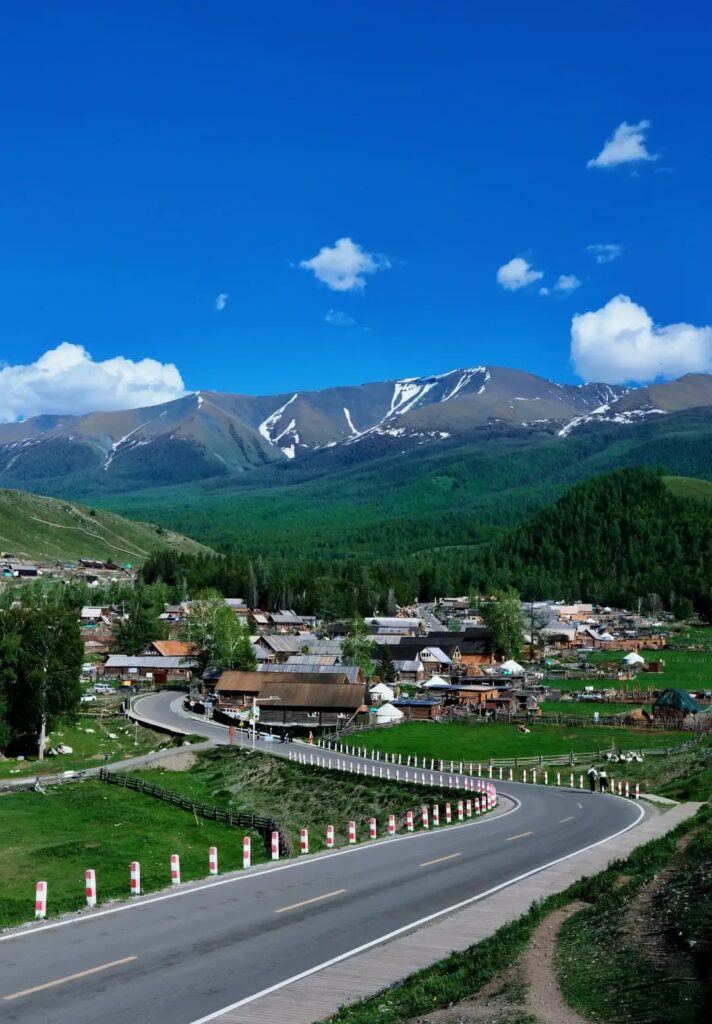
Conclusion Set off on Your Safe Xinjiang Adventure in 2026
Back to the core question: Is Xinjiang safe for tourists in 2026?
Based on comprehensive analysis covering social order, health care, traffic conditions and tourism policies, it is clear that Xinjiang is not only fully safe for traveling, but also embracing global tourists with more open-minded attitudes, mature tourism services and friendlier travel atmosphere. Snow-capped mountains, alpine lakes, boundless deserts, lush grasslands, ancient old towns and warm-hearted local people jointly create unique, reassuring and breathtaking travel memories.
With continuous upgrading of tourism facilities and international-oriented travel services, traveling in Xinjiang will become much more convenient in 2026. Start making your travel plans right now, grab your camera and pack your adventurous spirit, and witness the real charm of Xinjiang in person.
This vast and warm land is ready to narrate the most touching ancient Silk Road stories for you. Your safe, stunning and unforgettable Xinjiang journey is about to begin.
How many days do I need?
Plan 10-14 days for a comprehensive trip covering both north and south Xinjiang. Minimum 7 days for one region.
Is it safe for solo travel?
Xinjiang is very safe for independent travelers. Strong security presence, good infrastructure, welcoming locals.
What’s the best transport option?
Hire a driver (300-500 RMB/day) for flexibility, or use trains/buses for budget travel between major cities.