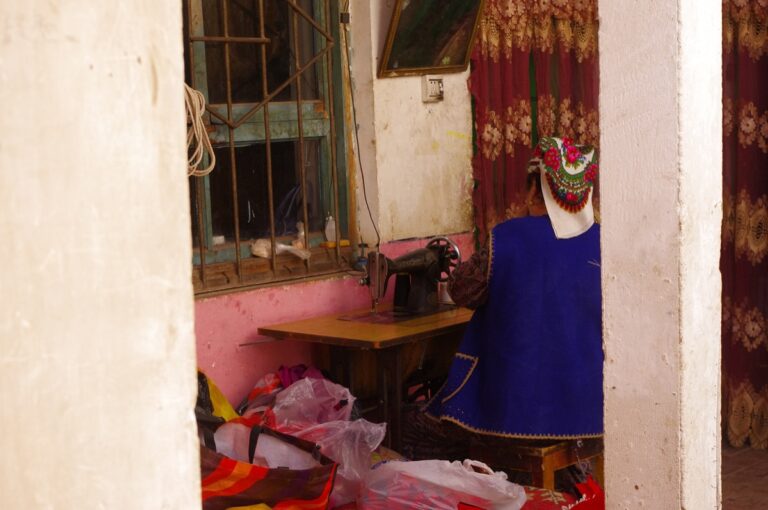
Visiting a Local Home in Xinjiang: Guest Etiquette That Wins a Second Invite
Some of my best meals in Xinjiang were not in restaurants but at low tables in someone’s front room — bowls of hand-pulled noodles, a block of naan broken and shared, and endless cups of milk tea. Hospitality in Xinjiang is not a performance; it is a duty and a joy, and if you travel with any openness you will likely be invited. This is a field guide to being a good guest: what to bring, how to greet, where to sit, and the small rules that earn you a second invitation. I have been pulled off the street for lunch in Kashgar, fed at a Kazakh yurt near the Ili valley, and taught to pour tea the right way by a grandmother who spoke no English — the warmth was the same in every language.
The single most useful mindset is simple: treat the invitation as a gift, not a service. The family is not running a restaurant. They are honoring you, and your job is to receive that honor graciously. Do that, and you will often leave with a handful of walnuts, a phone number, and an open invitation to come back.
Why You’ll Get Invited
Across Uyghur, Kazakh, Kyrgyz, and Hui households, hosting a stranger is a point of honor. On a long ride, at a teahouse, or simply while admiring a courtyard, an offer of “come, eat” is real. Accepting is almost always the right move — refusing can read as cold. The craft of hosting is captured beautifully in our piece on tea hospitality in Xinjiang, which is worth reading before you go.
Before You Arrive: What to Bring
You are not expected to bring anything, but a small gift smooths the door. Fruit from a roadside orchard, a bag of sweets, or — if you know the household drinks it — a package of tea are all safe. Avoid alcohol unless you are certain the family welcomes it; many households are Muslim and do not. A simple “thank you” and genuine curiosity are the real currency.
| Gift | Notes |
|---|---|
| Fresh fruit or nuts | Always safe, easy to share |
| Sweets for children | Welcomed, but not required |
| Tea | Good if you know they drink it |
| Alcohol | Skip unless explicitly offered |

The Doorway: Greetings and Shoes
At the door, offer the standard greeting — “Yakhshimusiz” (Uyghur) or a simple “Salam” — with a smile and a slight nod. Shoes come off at the threshold in most homes; look for the pile of slippers and follow the household’s lead. Use your right hand for handshakes and for passing anything; the left hand is considered unclean for giving. If you are unsure, pause and mirror whoever greeted you — copying the local rhythm is never wrong, and hosts read it as respect rather than hesitation.
Handshakes and the Right Hand
A handshake is common between men; with women, wait for her to extend her hand first, or offer a polite nod. Never point the sole of your foot at someone, and don’t step over a person sitting on the floor — both are easy slips for visitors and worth a moment of attention.
At the Table
You will likely be steered to the seat of honor — often farthest from the door or facing the room. Don’t sit until invited. Tea is poured for you constantly; tapping two fingers on the table is a quiet thank-you. When naan is served, don’t put it face-down or place it on the floor, and tear it with your hands rather than cutting it. The full choreography of the meal is worth studying in our Uyghur family dinner etiquette guide.
| Do | Don’t |
|---|---|
| Use the right hand to pass food | Point your foot sole at anyone |
| Accept tea with both hands or a nod | Refuse the first cup outright |
| Tear naan by hand | Lay bread face-down or on the floor |
| Wait to be seated | Reach across others for dishes |

Leaving Well
When you leave, thank the host specifically — name the dish you enjoyed. A short, warm goodbye matters more than a long one. If you were given a tour of the home or introduced to elders, a later message (through a mutual contact) is remembered fondly. The goal is not to perform politeness but to show you noticed the generosity. One traveler I know still exchanges voice notes with a Kashgar family he met by accident in 2019; that is the ceiling of what a single afternoon of good guesting can become.
Small Gestures That Matter More Than Words
You do not need the language to be a good guest. A hand on the heart after a meal, a smile at the children, and genuine attention to the food all translate. If you are offered the best seat or the first pour, accept it — refusing comfort is sometimes read as rejecting the relationship. Conversely, never put your feet up on a low table or stretch out soles-first toward the host; in a floor-seating home that single slip undoes a lot of good manners.
If You’re Invited Overnight
In yurt and village stays, overnight invitations happen, especially in the mountains. Expect simple sleeping arrangements — a mattress on the floor, shared warmth, early light. Charge your phone, keep your valuables close, and offer to help with the morning chores: fetching water, stacking firewood, or clearing the table buys more goodwill than any gift. The household will likely refuse your help, but the offer is the point.
Reading the Religious and Family Context
Many hosts observe Islam, which shapes the rhythm of the home: a quiet pause for prayer, halal food only, and modest dress. You are not required to pray, but stepping back respectfully during prayer and keeping shoulders covered shows you noticed. Elders are addressed and seated first; deferring to them is not optional etiquette but the core of how the room works. A traveler who gets this right is remembered as “that polite foreigner” for years.
Straight answers to what visitors ask
Is it rude to decline food?
Decline gently and once. Hosts press out of duty, not expectation; a polite “I’m full, it was delicious” while resting your hand on your stomach is understood.
Can I take photos inside the home?
Ask first, every time. Many families are happy to be photographed at the table; some are not, especially elders. A quick question avoids a lasting awkwardness.
What if I don’t eat the meat offered?
State any restriction early and lightly. Households are used to guests with different needs and will find you something — but tell them at the door, not after the plate arrives.
Should I tip my host?
No. Tipping a private host can feel like paying for friendship. A small gift or a heartfelt thanks is the right exchange; money is not.
How do I accept an invitation without overstaying?
Read the room. A meal invite is usually a few hours, not a sleepover. Thank them and leave while the warmth is high rather than waiting to be tired out.
Is it safe to accept invitations from strangers?
In rural Xinjiang, roadside hospitality is a long tradition and generally warm. Use normal travel sense: tell someone your plans, keep your phone charged, and trust your instinct if a situation feels off.