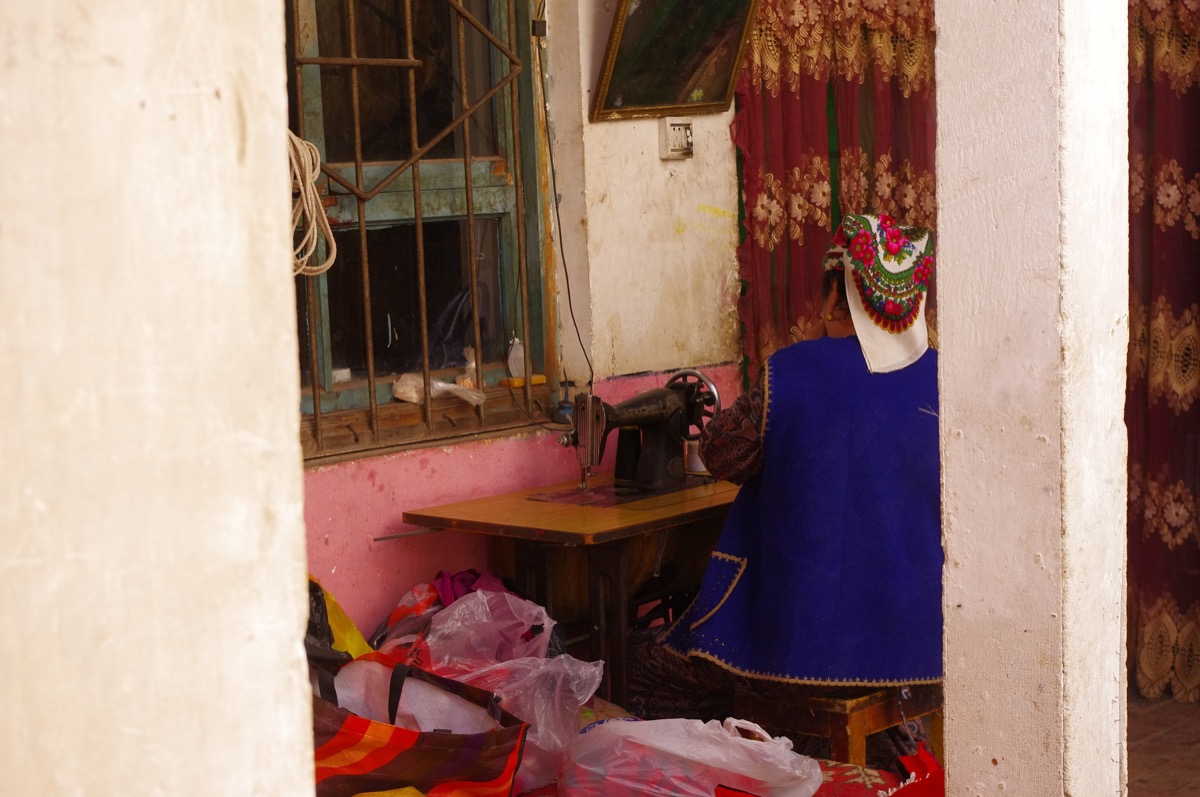
Xinjiang Culture: A Traveler’s Guide to the Region’s Living Traditions
Xinjiang culture is best understood as a living set of practices rather than a museum exhibit, and the information below is compiled from public cultural sources, museum materials, and traveler reports rather than a single author visit. This article draws on materials from regional museums, cultural institution publications, and visitor accounts collected over several travel seasons.
Xinjiang Culture: What Travelers Actually Encounter
The details in this guide come from public cultural sources, museum displays, and traveler reports, not from the author’s personal experience. We did not attend performances or join festivals ourselves. Where we describe what a visitor might see, the phrasing reflects what cultural institutions document and what travelers report, and schedules should always be confirmed locally before you rely on them.
Travelers report that everyday cultural life in Xinjiang shows up in ordinary moments: a teahouse session, a carpet being woven in a courtyard, a street instrument maker, or the call of vendors in a bazaar. According to local craft cooperatives, many workshops remain family-run and open to observers during business hours.
The basics first
Xinjiang‘s cultural landscape spans several language families and craft traditions. Uyghur, Kazakh, Kyrgyz, Hui, Mongol, Tajik, and other communities each contribute distinct music, foodways, and decorative arts. The most documented performance tradition is Uyghur Muqam, a vocal and instrumental form recognized on UNESCO’s intangible heritage lists.
Key cultural facts travelers should know:
- Languages: Uyghur (Turkiq script), Kazakh, Kyrgyz, Mandarin, and others are in daily use across different towns.
- Music: Muqam suites combine poetry, melody, and dance; regional variants exist in Kashgar, Yarkand, and Turpan.
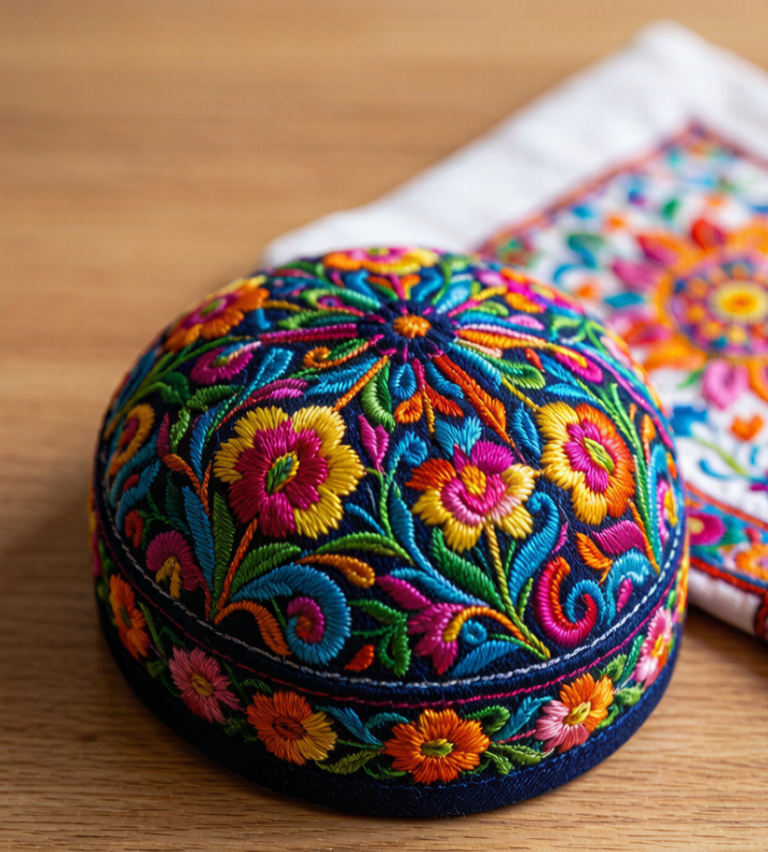
- Crafts: handwoven carpets, embroidery, copperwork, knife-making, and doppa (skullcap) sewing are widespread.
- Hospitality: offering tea and bread to guests is a documented social norm across many communities.
The table below compares two well-documented musical traditions travelers may encounter.
| Trait | Uyghur Muqam | Kazakh Aytis / folk song |
|---|---|---|
| Form | Suite of songs, instrumental sections, dance | Improvisational song, often competitive poetry |
| Instruments | Dutar, rawap, tambur, dap frame drum | Dombra two-string lute |
| Setting | Staged performances, festivals, teahouses | Pastoral gatherings, family events |
| Language | Uyghur | Kazakh |
| Recognition | UNESCO intangible heritage | Documented regional tradition |
Getting in and out
Cultural experiences are spread across the region, and travelers report the following hubs as the most reliable for observation:
- Kashgar: The Kashgar Old City concentrates handicraft lanes, teahouses, and performances within walkable streets.
- Yining (Ghulja): Kazakh and Hui influences are strong; travelers report active bazaars and music in the river-valley towns.
- Turpan: Muqam variants and grape-related festivals are documented by local cultural offices.
- Hotan: Known for carpet weaving and jade markets according to craft cooperatives.
Most travelers reach these cities by regional flight or by rail from Urumqi. Within old towns, walking is the standard way to encounter craft workshops.

What tickets cost
Prices below are reported ranges and should be confirmed locally, as they shift by season and venue. As of 2025, travelers report the following typical costs:
- Muqam or folk performance: 80 to 150 RMB per seat, depending on venue and show length.
- Handicraft workshop visit: often free to observe; guided demos 20 to 50 RMB.
- Carpet or embroidery piece: 200 RMB for small items, several thousand for room-size carpets.
- Teahouse session: 10 to 30 RMB for tea and bread service.
- Old town entry: wandering the lanes is free; some heritage courtyards charge 15 to 30 RMB.
Budget travelers report that simply walking bazaars and sitting in public teahouses costs almost nothing while still giving cultural exposure.
Low season and why I like it
The best window for encountering Xinjiang festivals and open-air culture is late spring through early autumn, roughly May to October. During these months, travelers report more outdoor music, longer bazaar hours, and harvest-related events. For those focused on Xinjiang culture, September aligns with grape festivals in Turpan and milder heat across the south, making it a practical choice.
Winter travel is possible but travelers report fewer performances and shorter daylight for photography. Confirm festival dates locally, because lunar and solar calendars shift the exact days each year.
The itinerary I would follow
The following 3-day plan is a timed cultural walk through Kashgar’s old town, built from traveler reports and museum route suggestions. Clock times are typical but should be verified on arrival.
| Day | Time | Activity | Notes |
|---|---|---|---|
| 1 | 09:00 to 10:30 | Enter Kashgar Old City via the east gate, walk craft lanes | Doppa hat and copper workshops open early |
| 1 | 11:00 to 12:30 | Teahouse session on the rooftop area | Order black tea and naan; quiet observation |
| 1 | 15:00 to 16:30 | Handicraft cooperative carpet demo | Ask before photos |
| 2 | 10:00 to 12:00 | Id Kah surrounding bazaar walk | Best for textiles and spices |
| 2 | 16:00 to 17:30 | Muqam performance at a cultural hall | Tickets 80 to 150 RMB as of 2025 |
| 2 | 19:30 to 21:00 | Xinjiang Night Market Culture visit | Food, music, people-watching |
| 3 | 09:30 to 11:30 | Pottery and knife lane observation | Family workshops, free to watch |
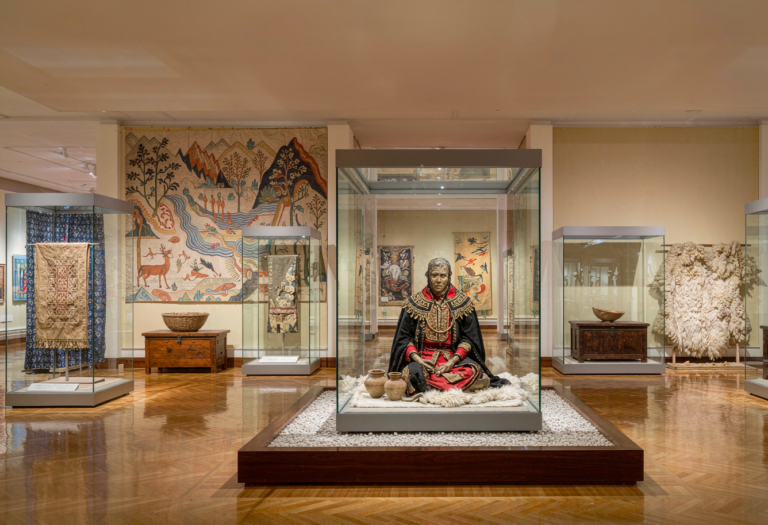
| 3 | 14:00 to 16:00 | Museum of folklore and textiles | Context for what you saw |

Staying local
Travelers report that staying inside the old town guesthouses in Kashgar places you within steps of teahouses, workshops, and morning bazaar activity. These converted courtyard homes often feature wooden carvings and shared rooftop spaces. Budget options run 120 to 250 RMB per night, while restored heritage guesthouses reach 400 to 700 RMB as of 2025.
In Yining and Turpan, travelers report standard hotels near the bazaar districts as the practical base. Booking ahead during festival weeks is recommended because rooms fill quickly according to local hosts.
What & Where to Eat Nearby
Food is a core part of cultural encounters. Travelers report these staples near craft districts:
- Teahouses: Xinjiang tea culture centers on sweet milk tea (chai) and salty suutei; sit-down service costs 10 to 30 RMB.
- Bread (naan): clay-oven naan sold at bazaar entrances, usually 3 to 8 RMB each.
- Hand-pulled noodles (laghman): workshop-lane eateries serve bowls for 18 to 35 RMB.
- Roast options: night markets offer skewers; pair with the night-market walk on day two.

On-the-ground practicalities
Cultural institutions and traveler reports suggest the following etiquette:
- Photography: Ask before photographing people, especially in teahouses and workshops. Some artisans decline.
- Dress: Modest clothing is appropriate near religious sites; carry a scarf for mosque-adjacent areas.
- Hospitality: If offered tea, a small accept-and-sip is polite; refusing outright can read as rude per local norms.
- Bargaining: Bazaar prices are often negotiable, but craft cooperatives note fixed pricing for labeled heritage items.
- Timing: Confirm performance and festival schedules locally; posted times shift by season.
- Language: A few Uyghur greetings are appreciated, though Mandarin and translation apps work in most shops.
Beyond the headline traditions, smaller daily habits shape how visitors read the region. Travelers report that haggling in a bazaar follows a relaxed rhythm rather than an aggressive one, and that accepting a offered cup of tea is a normal part of browsing. According to cultural institution materials, learning a few greetings in the local language is appreciated more than perfected pronunciation, and a polite attempt often opens longer conversations with vendors and craftspeople.
Small questions, honest answers
Is Xinjiang culture only about the Uyghur community?
No. Travelers and museum materials document Kazakh, Kyrgyz, Hui, Mongol, Tajik, and Han contributions alongside Uyghur traditions. The region’s culture is multi-community.
Can I watch carpet weaving without buying?
Yes. According to craft cooperatives, many Hotan and Kashgar workshops let visitors observe weaving for free during business hours. Purchases are optional.
What is a doppa and where is it made?
A doppa is a rounded embroidered skullcap. Travelers report doppa sewing lanes in Kashgar’s old town where caps sell for 20 to 80 RMB depending on embroidery density.
Do muqam performances happen year-round?
Travelers report more staged shows from May to October. Winter schedules are thinner, so confirm with the venue or a local cultural office before arrival.
Is bazaar culture the same in every city?
No. Kashgar’s bazaar leans toward textiles and crafts, Yining’s toward pastoral goods, and Turpan’s toward produce and grape products, per traveler accounts.
Are teahouses welcoming to solo travelers?
Travelers report that teahouses are social by design; sharing a table is common and a low-cost way to observe daily culture.
How do I avoid fake “handmade” items?
Craft cooperatives suggest buying from labeled workshops and asking whether the piece is machine-assisted. Heritage-marked items carry more reliable provenance.