Kumis, Ayran and Xinjiang’s Fermented Drinks: A Field Guide to the Region’s Sours and Cultures
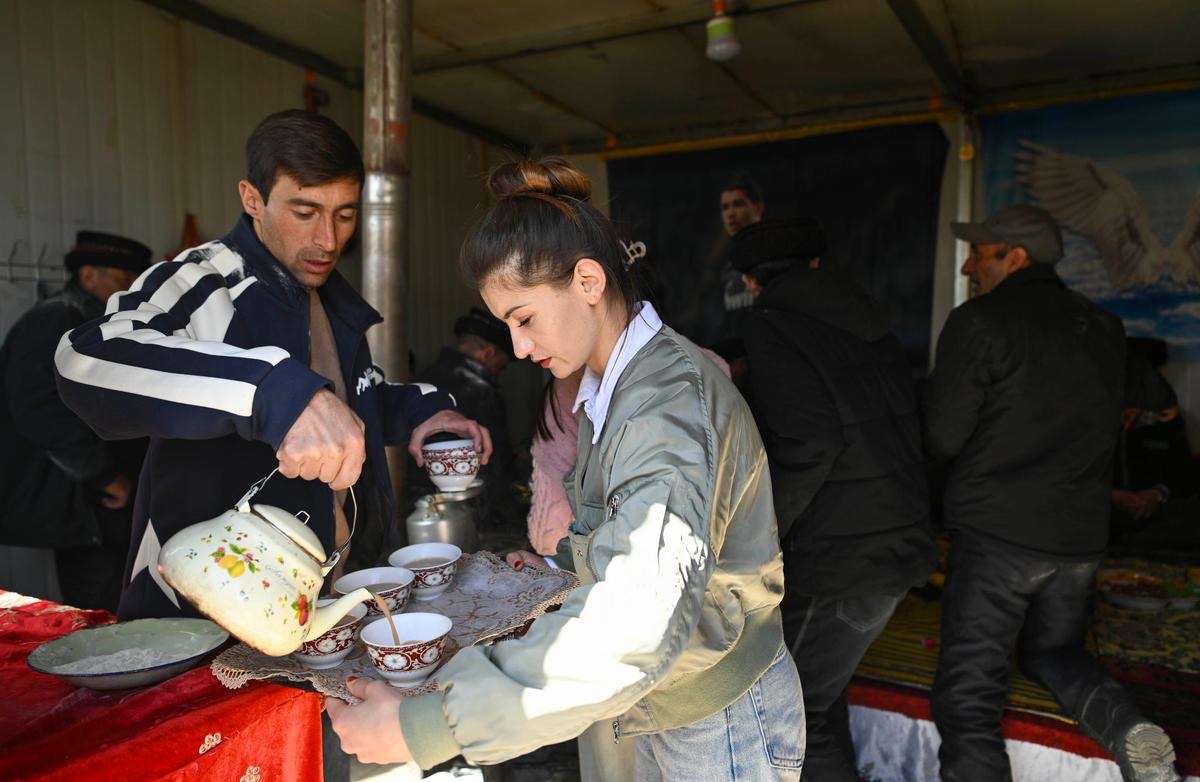
Before you fall for salty milk tea, try the drink that divides first-time visitors: kumis (fermented mare’s milk), a lightly alcoholic, fizzy, sour sipper that nomads have relied on for centuries. Xinjiang‘s drink culture is far broader than tea, and most of it is honest, homemade, and unexpectedly good.
The essentials
Xinjiang‘s traditional drinks split into two worlds: fermented dairy (kumis, ayran, suzma) and tea-based (milk tea, brick tea). Kumis is made by fermenting fresh mare’s milk with a starter culture; the result is 0.5–2% alcohol, effervescent, and tangy. Ayran is a salted yogurt drink (non-alcoholic). Both are staples of Kazakh and Kyrgyz herding communities in the north.
| Drink | Base | Alcohol | Taste |
|---|---|---|---|
| Kumis | Mare’s milk | Low (0.5–2%) | Sour, fizzy |
| Ayran | Yogurt + water + salt | None | Salty, cooling |
| Suzma | Strained yogurt | None | Thick, tart |
| Milk tea | Tea + milk + salt | None | Creamy, savory |
Getting There (Where to Try)
Your best chance at real kumis is in pastoral northern Xinjiang — around Ili, Naraty, and the grassland guesthouses of the Tianshan — in summer when herds are milking. City versions exist in Urumqi and Yining night markets but are often milder. Ili Valley trips in June–August line up perfectly with fresh kumis season.
Ticket prices
Kumis is cheap: a bowl at a herder’s yurt or a market stall runs about 10–20 RMB. Bottled versions in supermarkets are 8–15 RMB. You are paying for freshness, not branding.
Season by season
Kumis is a warm-season drink — peak freshness is June to August, when mares are foaling and milk flows. Off-season, you’ll mostly find pasteurized bottles, which lose the fizz.
How to Drink It (Without Regretting It)
| Step | Tip |
|---|---|
| 1 | Start with a small bowl; the sour-fizz is an acquired taste |
| 2 | Drink it cool, not iced |
| 3 | Pair with naan or samsa to soften the tang |
| 4 | Don’t overdo it — low alcohol still adds up |
Where I stayed
For the authentic version, stay at a grassland yurt homestay (summer only). In towns, any standard hotel puts you within walking distance of a bazaar that sells it.
Food Pairings
Kumis loves grilled meat and flatbread; ayran is the all-day refresher with kebabs. Both cut the richness of lamb beautifully.
The mistake I made the first time
The gate is not the site. The other mistake is about distance on the map. You ride, you walk, you may ride again, and the leg everyone underestimates runs from gate two to the feature you came so far to see. Work out the walk from where the car leaves you to the sight, and allow twice that. That is the honest amount of time you need here.
I had reckoned on two hours being more than enough. It was, in the sense that I saw everything, and it was ruined in the sense that I saw everything at the same hour with the same crowd, and I spent the drive home meaning to come back and never did. Looking back, I would tell myself to allow for unhurried time rather than cramming it in. I did come back the following trip, at seven in the morning, and it was a different site. The payoff for coming this distance is a quiet hour, and you get it by being there when it opens or nearly closes.
That stretch of the trip is described in our [[hami-melon-and-xinjiangs-sweet-side-a-guide-to-the-regions-melons-grapes-and-fru|Hami Melon and Xinjiang’s Sweet Side: A…]] too.
The money, line by line
There is the in-site bus on top, and a remote viewpoint costs an extra hop beyond the main one. That headline admission figure is merely the first of several charges. Parking, a paper map and a guide are the three other items that shift the figure. Our total came to well below the price of one night’s accommodation here, but only because we split transport and entry fees.
Doing it independently that same afternoon costs perhaps half as much again. Prices at the gate are reasonable by European standards, which is exactly why they are easy to underestimate. Entry is inexpensive, but the internal transport mounts up, and four people in one vehicle turn a modest fee into a genuine expense. Before committing, ask the ticket desk for the total price of the whole circuit.
The staff field that question constantly and answer in seconds.
A second look on day two
Got a free morning? Return here rather than trek to the more famous site across town. The second time you can skip the obligatory viewpoint and walk along the base of the ridge where the light comes in sideways, and that is the photograph you keep. I did, and the second visit was better, because the first had been spent working out where to stand. Almost nobody does Kumis Ayran And Xinjiangs twice.
What locals know
- Fresh kumis is unpasteurized — travelers with sensitive stomachs should prefer bottled.
- It does not travel; drink it where you buy it.
- Ask “qymyz” (Kazakh) or “kumis” (Russian loan) if pointing fails.
FAQ
Does kumis get you drunk? Barely — it’s usually under 2% ABV, more of a probiotic fizz than a beer.
Is it safe? From reputable stalls and yurts, yes; the fermentation itself inhibits many pathogens. Sensitive stomachs should choose bottled.
What if I hate it? Try ayran or milk tea instead — same culture, gentler flavor.
Can I buy it outside Xinjiang? Rarely fresh; some Central Asian shops in big cities stock bottled versions.