Xinjiang Photography: Camera Gear, Settings, and the Best Seasons to Shoot
Last updated: July 2026 · Written by Karl Huang, a Xinjiang travel specialist who has spent time across the region. Practical details are cross-checked against official tourism, transport, and border-regulation sources.
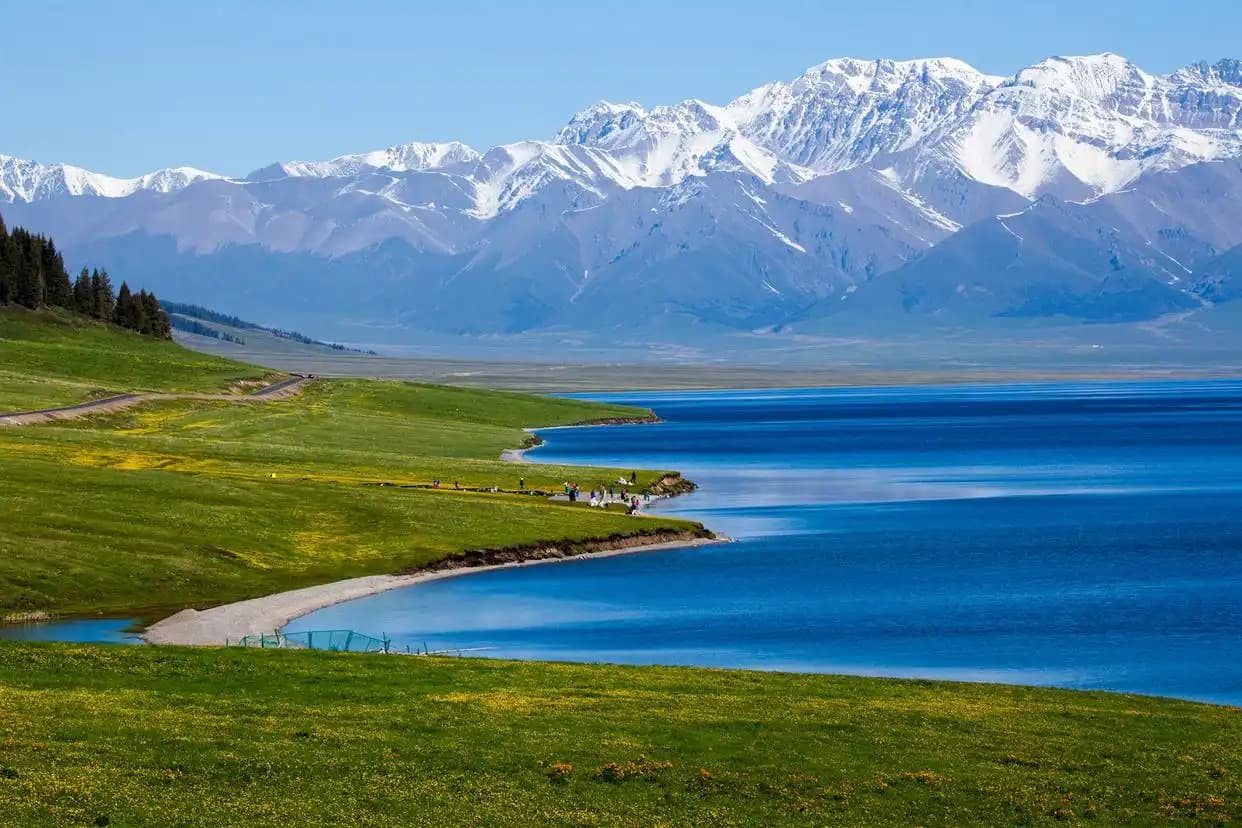
Few places on earth give a photographer this much range: mirror-calm lakes, snow peaks scraping 7,000 m, endless grasslands, and Silk Road towns glowing at golden hour. This Xinjiang travel photography guide focuses on the two things you actually control — gear and camera settings — plus when to be where. For a map of exact shooting spots, see our Xinjiang Photography Locations guide; here we do not duplicate that list.
On our trips the single biggest upgrade was not a new lens but showing up at the right hour with the right aperture dialled in beforehand.
At a Glance
| Topic | Quick take |
|---|---|
| Must-have lenses | Wide-angle (landscapes) + telephoto (peaks/wildlife) |
| Drones | Heavily restricted in China; many areas no-fly — check locally |
| Key filters | CPL and ND for water, glare, long exposures |
| Tripod | Sturdy, for low light and long exposure |
| Cold care | Extra batteries; keep them warm in pockets |
| Best light | Pamir clear air; long golden hours |
Gear: What Actually Earns Its Weight
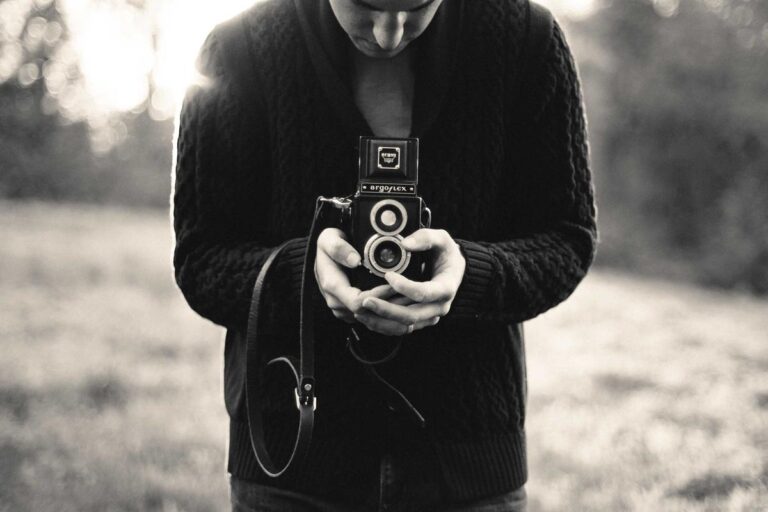
Xinjiang is a haul, so every item must justify the grams. My kit:
Lenses
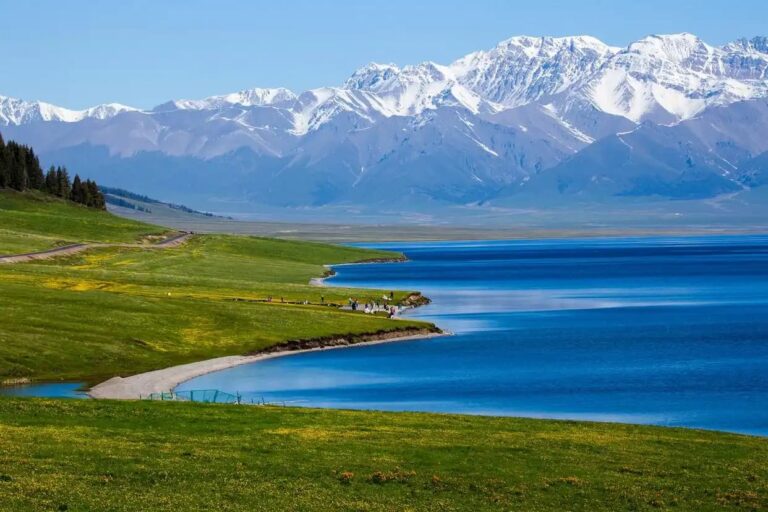
- Wide-angle (14–24mm or 16–35mm) for Kanas Lake, Sayram, and big skies. Landscapes here are vast; a wide end is non-negotiable.
- Telephoto (70–200mm or 100–400mm) for compressing mountain layers, isolating Karakoram Highway drama, and distant wildlife on the grasslands.
Filters and Support
A circular polarizer cuts glare on lake surfaces and deepens blue skies. Neutral-density (ND) filters let you stretch shutter speed for silky water at Sayram or waterfall streams. A sturdy tripod matters more than you think — wind at altitude is real, and long exposures need stability.
Batteries and Dust
Cold kills battery life fast; on a −20°C Hemu morning I got maybe half my normal shots. Carry 2–3 spares and keep them in an inner pocket. Xinjiang’s roads are dusty — bring a rocket blower and sensor-cleaning kit, because you will change lenses in the wind.
Drone Rules in China and Xinjiang — Read Carefully
This is where tourists get into real trouble, so be cautious. In China, drones are regulated by the Civil Aviation Administration; many areas — near borders, military zones, airports, and numerous scenic parks — are no-fly or require prior registration via the official UOM ( unmanned aerial vehicle) app. Xinjiang’s border sensitivity (the Pamirs, Tashkurgan, Karakoram corridor) makes enforcement stricter than elsewhere. Do not assume a remote valley is safe to launch. On our trips we asked rangers at each gate; sometimes the answer was a flat no, and we respected it. Flying illegally near borders can mean confiscation or worse. When in doubt, leave it in the bag.
Camera Settings That Work Here
Landscapes
Shoot aperture around f/8–f/11 for front-to-back sharpness, ISO 100, and use the tripod for base ISO in low light. Bracket exposure for high dynamic range between bright snow and dark peaks.
Long Exposures on Water
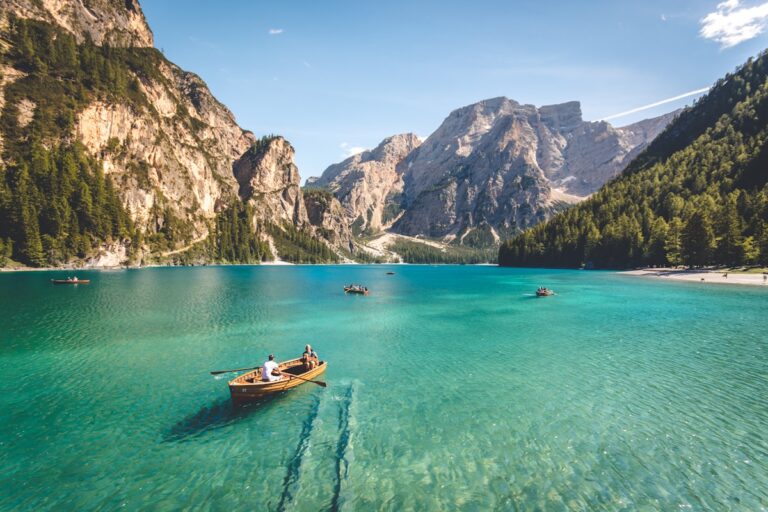
For Xinjiang travel lake scenes, an ND filter plus a 2–10 second shutter turns ripples into glass. Use a 2-second self-timer or remote to avoid shake.
Astrophotography
The desert and Pamir skies are among the clearest I have shot. At places like Kashgar outskirts or high Pamir, use a fast wide lens (f/1.4–f/2.8), 15–25s exposure to avoid star trails, ISO 1600–3200, and manual focus on a bright star. The Milky Way over Muztagh Ata is unforgettable.
Exposure for Snow
Snow fools meters into underexposure, leaving grey sludge. Add +1 to +1.3 stops exposure compensation, or expose to the right and recover in post. Beware blown highlights on bright ice.
The Best Seasons to Shoot
Spring — Apricot Blossoms
Late March to April, the Ili valleys explode with wild apricot blossom against snowy ridges. Fleeting and crowded with local photographers, but worth it.
Summer — Grasslands
June to August greens the grasslands and fills rivers; wildflowers blanket the Northern Xinjiang plateaus. Long daylight means late, long golden hours.
Autumn — Kanas and Hemu
Late September to early October is the iconic window: golden larch around Kanas and Hemu, crisp air, and reflections. This is peak season for a reason — book early.
Winter — Ice and Minimalism
Frozen Sayram, snow-laced Duku Highway vistas (from open viewpoints), and monochrome Hemu birch forests. See our best time to visit Xinjiang guide for monthly detail.
Quality of Light
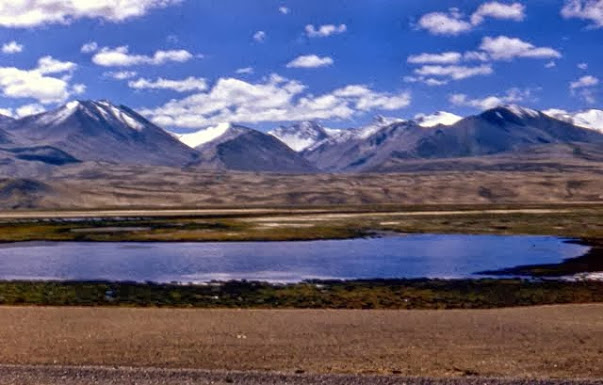
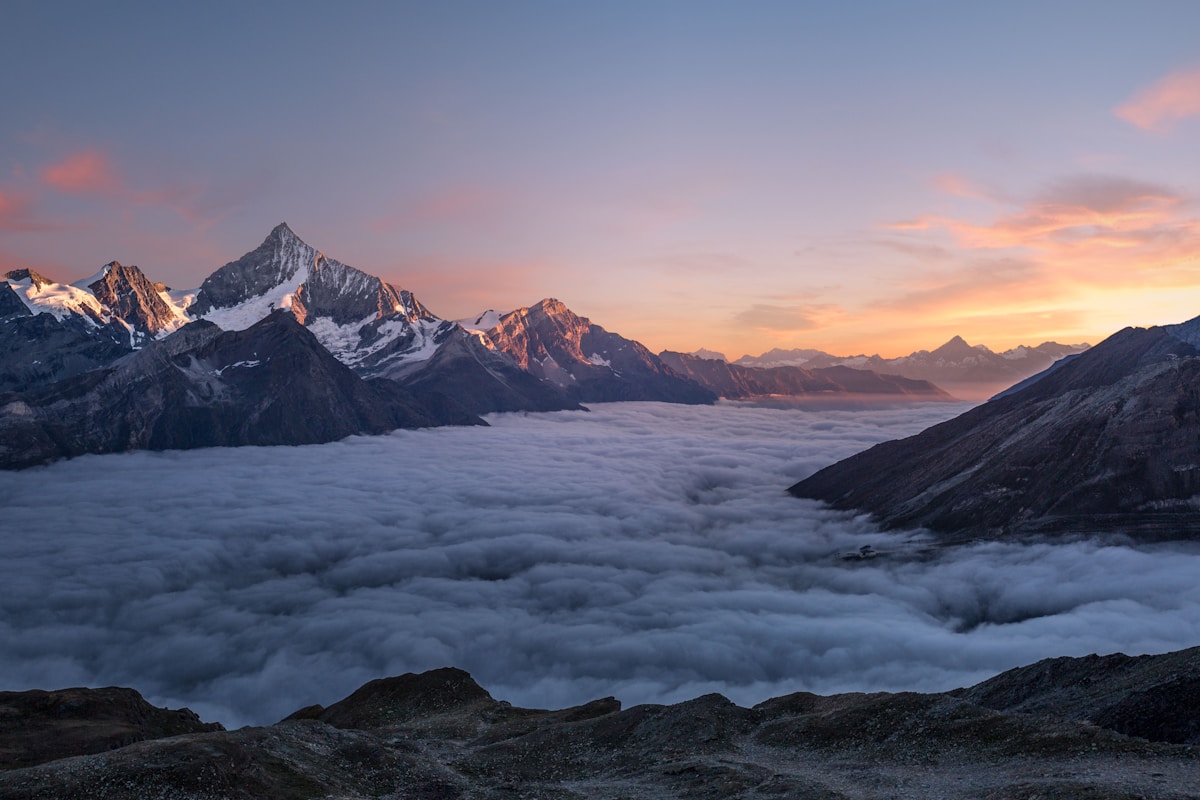
The Pamir’s thin, clean air gives extraordinary clarity and contrast — Karakul Lake mirroring Muztagh Ata at dawn is the proof. Golden hour is long in summer and sharp in autumn. Arrive 30 minutes before sunrise; the pre-dawn alpenglow on snow peaks is the frame most people miss.
Getting to the Spots
Many great locations need a car; our transportation in Xinjiang guide covers hire and trains. And again, for the exact where-to-shoot map, use our Xinjiang Photography Locations guide rather than guessing.