Xinjiang Cold Noodles (Liangpi) and the Summer Counter-Dish
The Dish
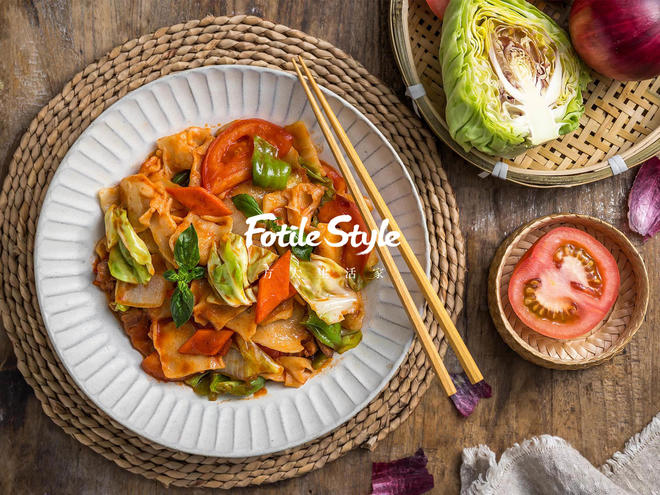
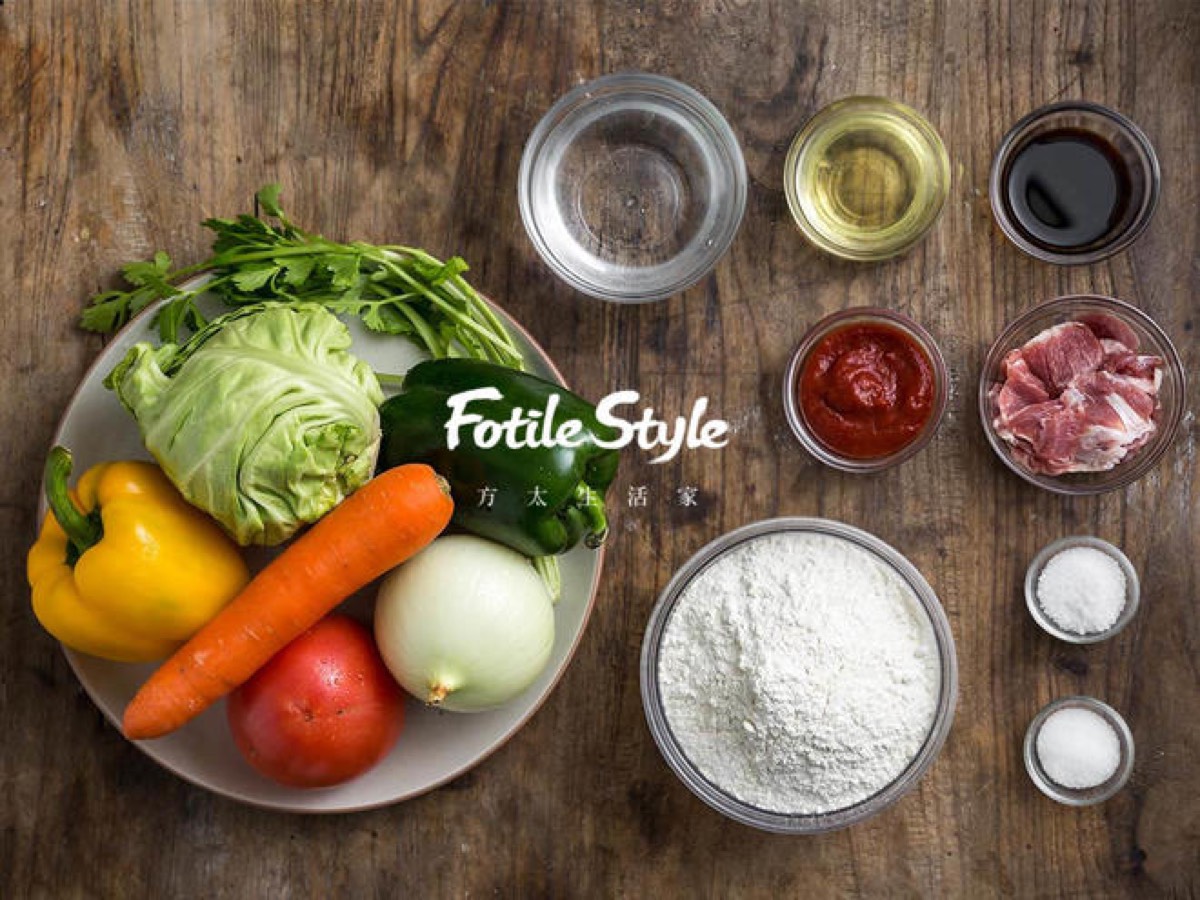
Liangpi noodles are made from wheat starch, steamed into sheets and cut into ribbons — chewy, translucent, and cold. They’re dressed with a sharp vinegar-garlic sauce, a little sesame paste, and chili oil (the red oil is the point — fragrant, not always blowtorch-hot). Often topped with cucumber shreds and the local twist: a few chickpeas or a sprinkle of sesame. It’s vegan by default and gloriously refreshing.
The Regional Twist
In Xinjiang, liangpi sometimes appears as ‘Uyghur cold noodle’ with a sharper vinegar and a cumin hint, distinct from the Han version in the cities. The Urumqi and Turpan versions are the ones to try in summer — the heat makes them make sense. A ‘liangpi + naan’ combo is the local lunch when it’s too hot to grill.
Where to Find It
Cold-noodle stalls and the noodle houses (面馆) that do laghman often serve liangpi in warm months; look for the stainless trays of cold noodles at a bazaar food row. It’s cheap (a few yuan), fast, and safe (cold but clean, no meat risk). Order it ‘la’ for more chili oil. Eat it standing in the shade — it’s a dish built for the noon heat, not a restaurant ritual.
Why It Matters
Xinjiang’s menu is heavy; liangpi is the valve. It proves the region’s food isn’t only lamb and oil — there’s a cool, sharp, plant-based side for the days the sun wins. Seek it out in summer; your stomach will thank you, and you’ll have tasted the one dish designed for the desert’s worst hour.
The Dish Itself
Liangpi noodles are made from wheat starch, steamed into sheets and cut into ribbons – chewy, translucent and cold. They’re dressed with a sharp vinegar-garlic sauce, a little sesame paste, and chili oil; the red oil is the point, fragrant rather than always blowtorch-hot. Often topped with cucumber shreds and a local twist of chickpeas or sesame, it’s vegan by default and gloriously refreshing when the heat peaks.
The hour I go back for
Midday is the hour to avoid, not the hour to schedule. Everything goes flat, the shade disappears, and the temperature on an open plateau rises in a way that stops you caring about photographs. Go early or go late and the same ground gives you two different subjects. Between the two I would pick the later one, mostly because the early version costs you the rest of the day. The whole face of Xinjiang Cold Noodles Liangpi turns a colour that does not exist at any other time, and the site is empty enough that you can stand still and hear nothing.
Sunrise is the one worth an alarm for. By ten the coaches are here, and by one it is an hour of people shuffling past. I have come to like the last forty minutes before the gate shuts, when the groups have gone and the staff are sweeping, because that is when you can look up properly instead of squeezing a shoulder past strangers. Whatever the guidebook says about golden hour, go on a weekday. The light is only free of company on a Tuesday.
The short version, with the numbers, is in our [[xinjiang-istiray-cold-noodles|Xinjiang Istiray: The Cold Wheat Noodles…]].
Not everyone should build a trip around this
It suits a traveller with a car and a flexible morning. It suits people who like landscape and can walk a few kilometres at their own pace. It does not suit a family with a small child who needs a shade stop every forty minutes, and it does not suit anyone in week two of a high-altitude trip still feeling it. I am not going to pretend this is gentle. The honest version: take half a day if that is all the arithmetic allows, and save the full day for the thing that is genuinely once in a lifetime.
There is a lot of unshaded ground, the altitude is real if you came from a low-altitude city, and the swing between the car and the viewpoints is enough to give you a headache on an empty stomach. Who it does suit: someone wanting one strong memory, someone driving the Xinjiang loop anyway, someone willing to be out before breakfast. Who it does not: anyone whose main goal is a relaxed few days, and anyone who has already done this same thing twice here. If you are short on days, this is the thing to cut, and no guidebook will tell you that. Xinjiang Cold Noodles Liangpi is superb, but it is also an hour or more in each direction from everything else you planned, and the drives are what eat the schedule. The short version, with the numbers, is in our [[xinjiang-summer-drinks|Xinjiang Summer Drinks: Mulberry Sherbet,…]].