Xinjiang Breakfast: Naan, Tea, and the Quiet Morning Meal
The Staples
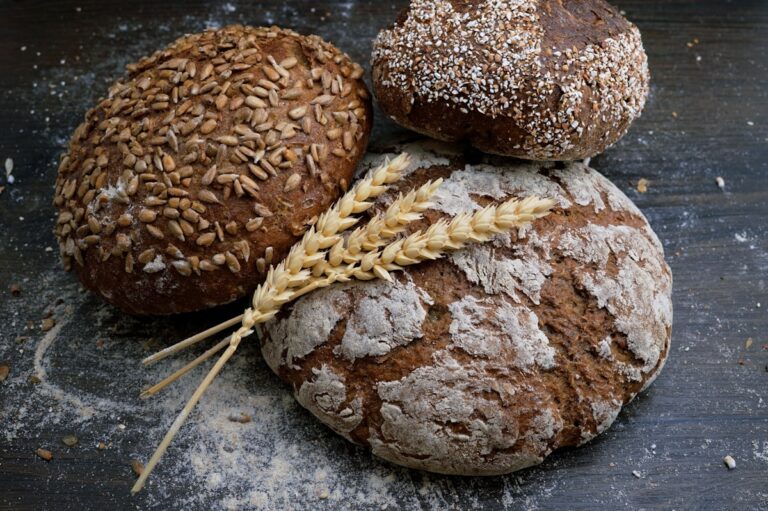
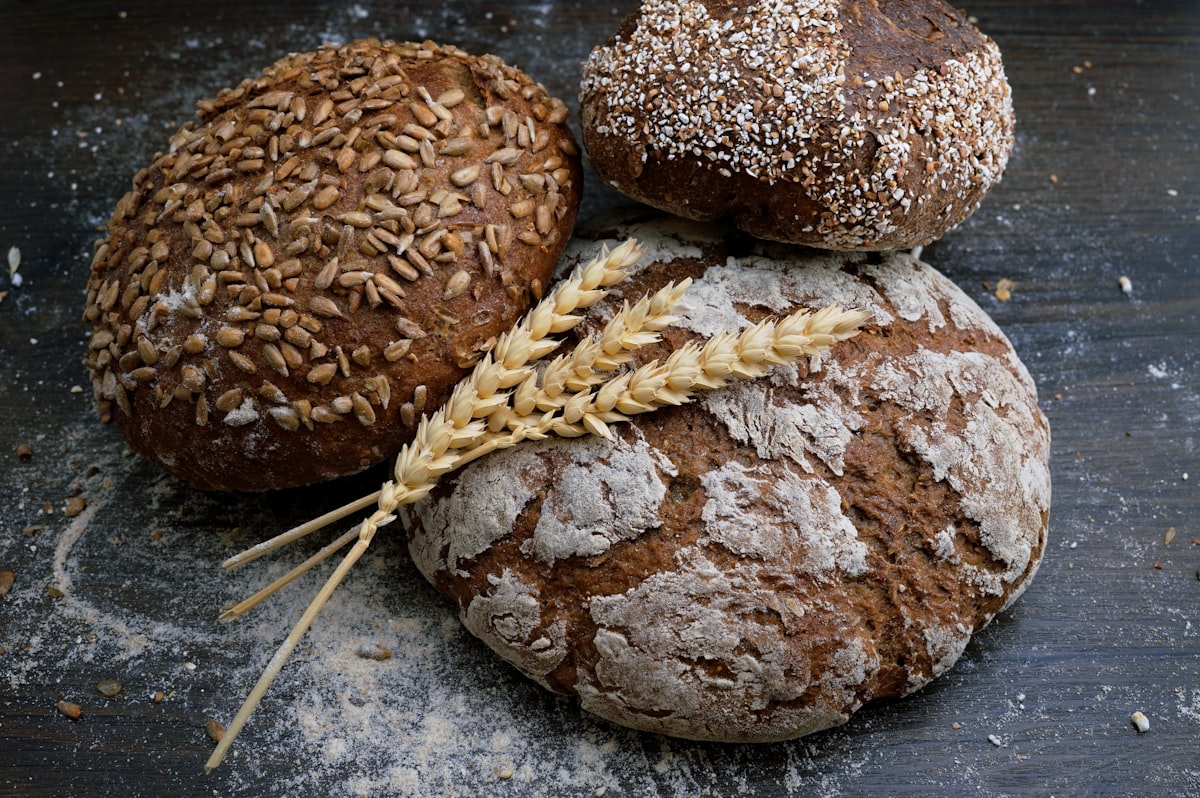
Naan: bought warm from the overnight tandir, broken into pieces for dunking. The slightly smoky, chewy flatbread is the backbone — eaten plain or with a scrape of jam.
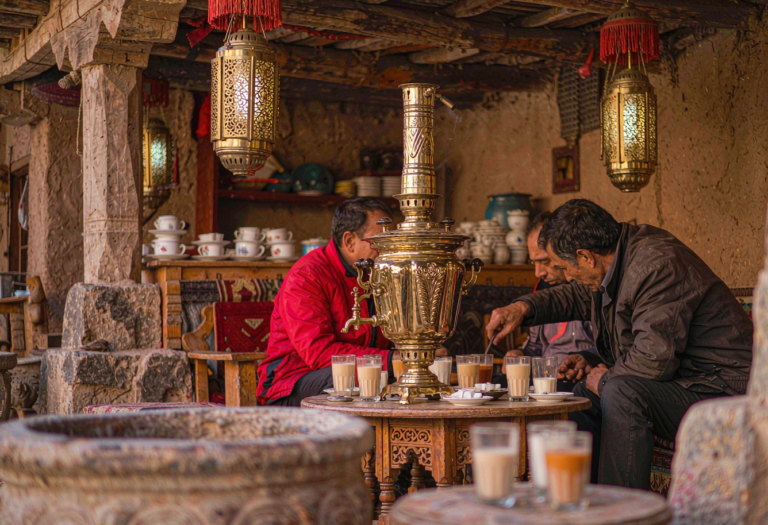
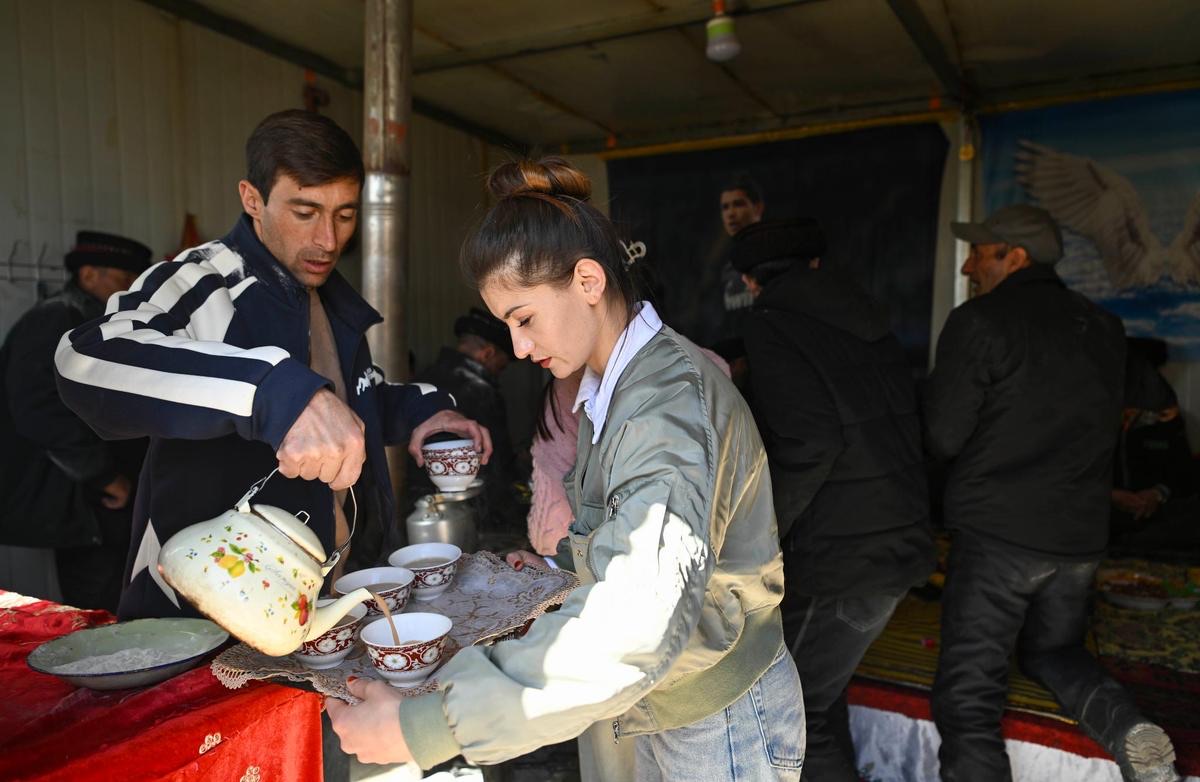
Tea: salty milk tea in the north (with the eggs, it’s a full protein start), sweet chai in the south. A bottomless bowl or cup.
Eggs: boiled, often with a pinch of salt — the protein that makes it a meal.
The Variations
In the Ili and north, a dollop of thick yogurt or a spoon of honey joins the bread. In the south, a date or a walnut might appear. The Uyghur ‘qaymaq’ (clotted cream) turns up at festive mornings, spread on naan — rich, rare, delicious. The Han-Chinese breakfast (congee, buns, soy milk) is available in the cities for those who want it; the Uyghur version is the regional one to try.

Where to Eat It
Morning naan bakeries and the breakfast sections of the bazaar are the spots — open early, cheap, and full of workers and elders. Point at the warm naan, take a tea, and sit. It’s the most authentic, least-performative meal of the day, and a calm start before the sights. For a Xinjiang Travel Guide food plan, build a morning around the naan shop — it’s the local rhythm, not a tourist show.
Why It’s the Best Meal to Copy
Light, cheap, and social, the Xinjiang breakfast is the day’s gentlest bite — a reset before the rich food to come. Do it once and you’ll seek the morning naan shop every day after. Simple as it is, it’s the meal that most feels like the region’s own.
The Core Meal
The Xinjiang breakfast is unhurried and plain: naan broken (not buttered) from the overnight tandir, milk tea – salty in the north, sweet in the south – and boiled eggs with a pinch of salt. It’s a fuel meal, not a feast, and a calm way to start a travel day before the grills fire up. Sit at a morning naan shop and you’re with the locals, not the tourists.
What travels home and what does not
It is cheaper, the staff wrap it properly, and it spends a week in your bag as the best thing about the trip. Buy the dried fruit in the market rather than at the airport and ask for it packed at the stall. Nuts, dried grapes, an uncut flatbread and vacuum-packed lamb all survive a long-haul flight. What does not work is anything fried or saucy, which turns in transit, and anything you cannot repeat at home.
How to order, and what a portion really costs
The number on the board is for one, and one here is enough for a European adult if you share two. Order one less than you think, because the rice arrives in a bowl the size of a small basin and the second helping does not need ordering. Card and phone payment both work everywhere in Xinjiang Breakfast Naan Tea. Tips are not expected in the small places and are quietly welcome where there is table service, but do not build the visit around it.
The one thing I order every time
It is the rhythm of it: someone puts a glass in your hand, another arrives, you sit for ten minutes, and suddenly the rest of the day is sorted. Ask for it plain the first time. In Xinjiang Breakfast Naan Tea that is the tea, and the reason is not the flavour. The sweet version is the one for the market, not for a morning. I wrote the driving side up in our [[xinjiang-uyghur-breakfast-guide|Xinjiang Uyghur Breakfast: Naan, Milk Tea,…]] as well.
Three words that change the order
In Xinjiang Breakfast Naan Tea that single gesture has never once got me the wrong dish, and it saves you ordering a second plate you did not want. What you need is the phrase for not spicy, the hand signal for a smaller portion, and the knowledge that one word covers what locals drink in winter, which is salt and butter, and what visitors get, which is sweet. You do not need Uyghur. Point at what the next table has. I wrote the driving side up in our [[xinjiang-traditional-breakfast-guide|A Xinjiang Breakfast: Nan, Tea, and the Jam…]] as well.
The stall, the teahouse and the restaurant
The street stall is fastest, cheapest and eaten standing up. The restaurant is where you take someone you want to impress. The teahouse is where you sit an hour and get refilled. The food is the same and the price gap is not small.
What you lose at the stall is a seat and some shade. I eat at the first two most days and take people to the third when they ask for somewhere proper. Everything else is right there. Three kinds of place sell the same dish in Xinjiang Breakfast Naan Tea, and they are not competing so much as serving different occasions.
I wrote the driving side up in our [[xinjiang-uyghur-breakfast-guide|Xinjiang Uyghur Breakfast: Naan, Milk Tea,…]] as well.
Regional Touches
In the Ili and north, a dollop of thick yogurt or a spoon of honey joins the bread; in the south, a date or a walnut might appear. The Uyghur qaymaq (clotted cream) turns up at festive mornings, spread on naan – rich, rare, delicious. The Han-Chinese breakfast (congee, buns, soy milk) is available in cities for those who want it; the Uyghur version is the regional one to try, often with a bowl of Xinjiang milk tea (nai cha) to round it out.