Xinjiang Tea Culture: Beyond Milk Tea — A Guide to the Region’s Diverse Tea Traditions
Why it is worth the detour
When travelers think of Xinjiang drinks, the salty, creamy milk tea (nǎi chá) usually comes to mind first. But tea in this vast northwestern region is far more varied than one iconic cup suggests. Sitting at the crossroads of the ancient Silk Road, Xinjiang absorbed tea customs from China, Central Asia, and the Middle East, producing a drinking culture that is aromatic, social, and deeply tied to hospitality. From brick tea simmered for hours to fragrant flower and herbal infusions, tea here is both everyday sustenance and quiet ceremony. This guide explores the history of tea in Xinjiang, the main types you will encounter, how tea pairs with local food, where to drink it, and etiquette tips for visitors who want to sip like a local and understand what the cup really represents in the life of the region.
Last updated: July 15, 2026 · Written by Karl Huang, a Xinjiang travel specialist who has spent time across the region. Practical details are cross-checked against official tourism, transport, and border-regulation sources.
History and Background
Tea reached Xinjiang over a thousand years ago along the Silk Road, carried west from China’s interior as a trade good as prized as silk and silver. Because the region’s pastoral nomads ate a diet heavy in meat and dairy, tea — rich in tannins — became a practical digestive and a vital source of warmth in cold winters, as well as a way to hydrate when clean water was uncertain on the steppe. The most historically important form was brick tea (紧压茶), made from mature tea leaves compressed into slabs that traveled well across deserts and mountains without spoiling. Uyghur, Kazakh, Kyrgyz, and Hui communities each developed their own preparations, and tea gradually moved from a luxury import to a daily necessity of frontier life, as central to survival as felt and fire.
In oasis towns, tea houses (chaykhana) became centers of male social life, where merchants negotiated, storytellers performed, and news traveled faster than any courier on horseback. The infusion of Central Asian and Persian influence introduced rose, safflower, and spice-scented teas, while the Chinese preference for green and brick teas remained strong in the east of the region. Under the Qing and Republican periods, tea was even used as a form of informal currency along remote trade routes, accepted in lieu of coins where cash was scarce and trusted where banks did not reach. Today tea remains woven into the daily rhythm: a pot is almost always on the stove, and offering a guest a bowl is the most basic expression of Xinjiang hospitality, a gesture that precedes every welcome and seals every agreement between strangers who become friends over a second pour.
Understanding this history helps explain why tea here is never just a beverage — it is a thread connecting the region’s many peoples to the caravans, empires, and kitchens that shaped them over a millennium of exchange. The same cup might carry leaves from Yunnan, sugar from the south, and a ritual of pouring inherited from Samarkand, all meeting in a Xinjiang courtyard. For the traveler, recognizing tea as living history turns a simple break into a small lesson in how the Silk Road still breathes in the present day, long after the camels have gone and the maps have been redrawn more times than anyone can count.
Types of Xinjiang Tea
Beyond milk tea, several distinct styles deserve attention. First is plain brick tea (hēi chá simmered clear), where a chunk of compressed tea is boiled in water, sometimes with a pinch of salt, producing a dark, robust brew drunk without milk — common among older Uyghur men in the south and valued for its strength after a heavy meal of lamb and flatbread. Second is milk tea (nǎi chá), made by simmering brick tea with milk and salt; in northern pastoral areas it is rich and salty, while some urban versions are milder and creamier, closer to a café latte than a savory broth. Third is flower and herbal tea: rose tea (rosebuds steeped with green tea), safflower (hóng huā) tea prized as a tonic, and licorice or jujube infusions valued for wellness and warmth in winter, when a hot cup is medicine as much as comfort.
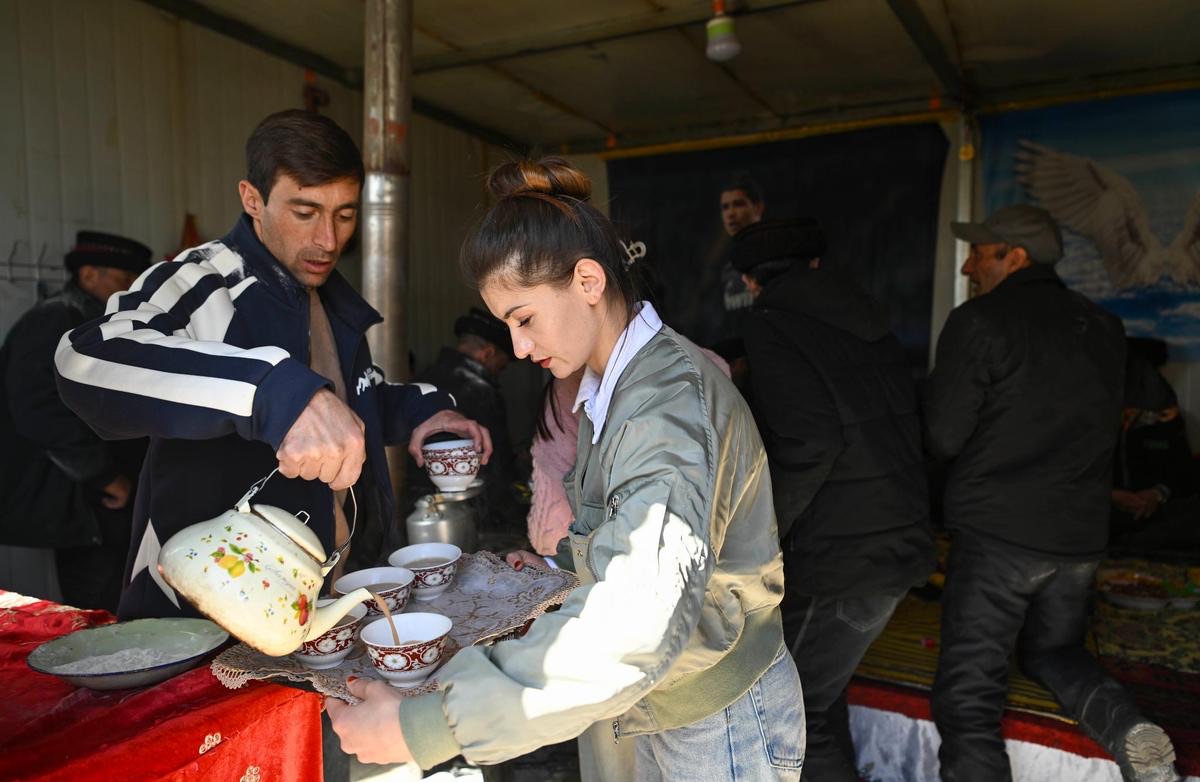
Fourth is green tea served clear, popular in eastern Xinjiang and among Han residents, often with nothing added and appreciated for its freshness and the gentle lift it gives without the heaviness of milk. Fifth is the fragrant “Eight Treasures” style (bā bǎo chá) found among Hui communities, mixing tea with dates, goji, walnuts, and rock sugar — closer to a dessert soup than a drink, and a festive treat at weddings and holidays. In the far north you may also encounter camel or mare’s milk tea among Kazakh and Mongolian herders, an acquired taste with a tangy finish that speaks directly to the steppe. Finally, there is spiced milk tea influenced by South Asian chai, found in Kashgar and the south among the region’s diverse Muslim communities, often scented with cardamom or cinnamon. Each reflects a different cultural strand of Xinjiang’s population, and trying them in sequence is like tasting the region’s history in a cup, layer by layer, from the steppe to the bazaar to the Chinese interior.
A note on preparation: in traditional homes the brick tea is not steeped but boiled — a chunk is dropped into a cauldron of water on the stove and left to simmer for a long time, sometimes hours, until the liquid is dark and bitter, then milk and salt are stirred in. This slow method, impossible to rush, is part of the point: tea-making marks the pause in a hard day, and the longer it brews the more the household slows to meet it. Travelers who taste tea made this way in a herder’s yurt will notice a depth that the quick café version never achieves, and understand why a pot is always kept warm rather than made to order.
Tea and Food Culture
Tea in Xinjiang is never drunk alone; it frames meals and snacks. The classic pairing is tea with naan — you tear warm flatbread, dip it, and sip, a breakfast repeated across the region from Urumqi to Hotan and the first thing offered to a guest at any hour. Milk tea accompanies polo (pilaf) and laghman to cut the richness, while plain brick tea is the traditional partner to kebabs and stews in southern oases, its bitterness balancing fat and spice in a way that cola never could. Sweet flower teas and Eight Treasures tea are served with desserts such as baklava, raisins, and nuts during festivals and family visits, turning the end of a meal into a leisurely social hour rather than a rush to leave the table and the company.
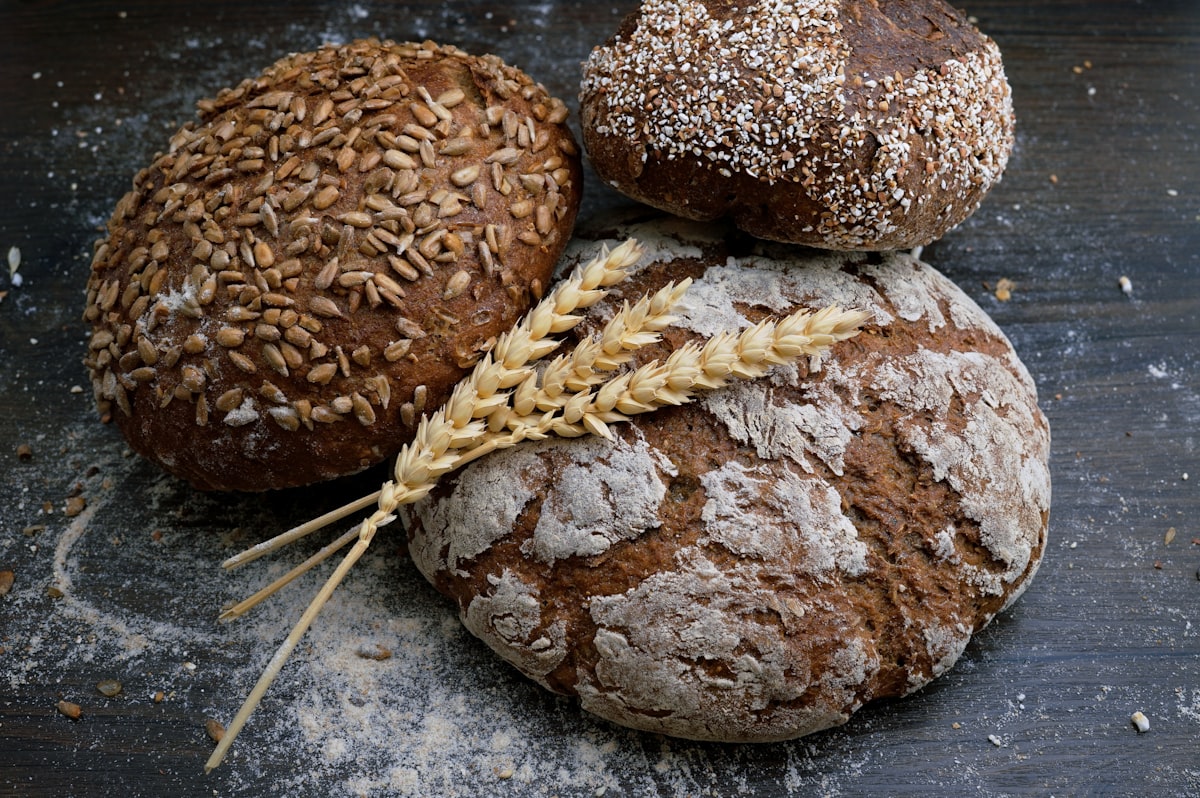
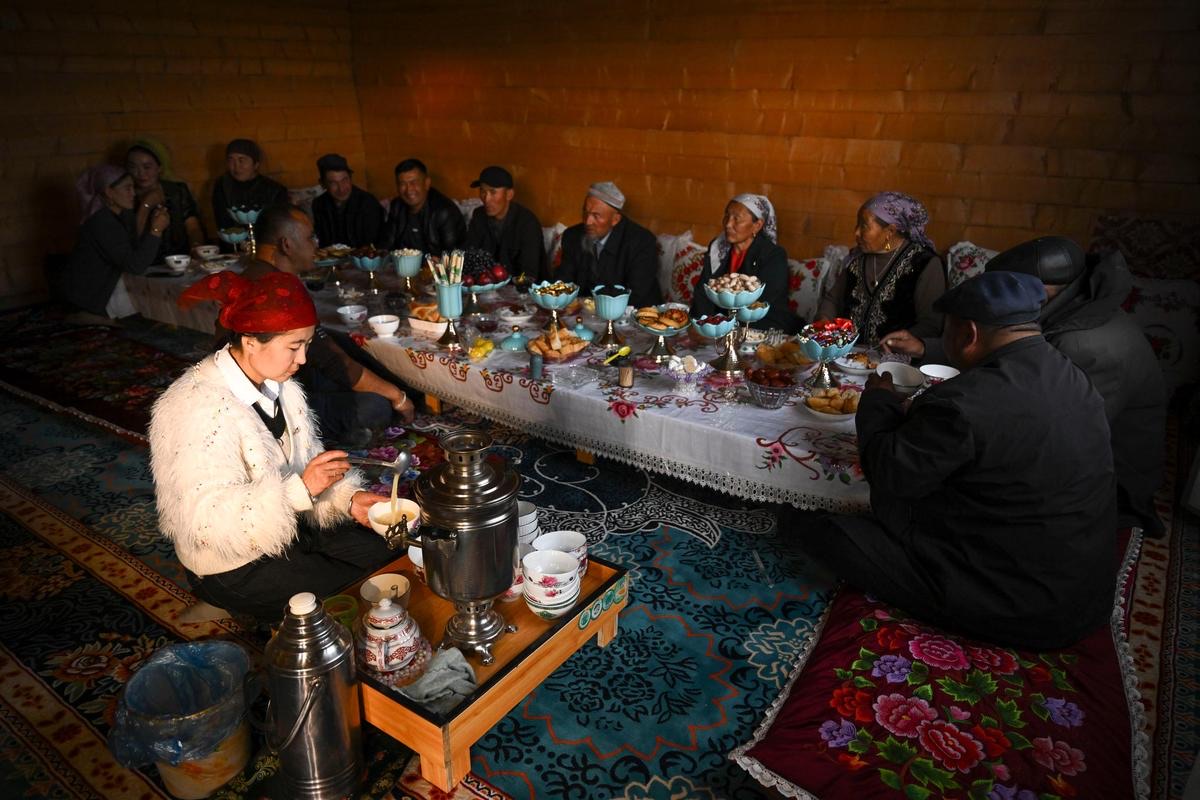
Tea also sits at the center of the dastarkhan, the traditional spread of dishes laid out for guests, where it is poured continuously and signals that you are welcome to stay. During Nowruz (the Persian New Year celebrated by many of Xinjiang’s communities) and other holidays, special teas and sweet pairings mark the occasion, and the teahouse becomes a place of celebration as much as refreshment. In a traditional Uyghur home, the sequence matters: tea is poured for guests first, and you should accept at least one bowl before discussing business or eating, as a sign of respect and trust that opens the door to everything that follows. For travelers, trying tea with a local family or in a centuries-old Kashgar chaykhana is as memorable as any monument, offering a slow, social window into daily life that few other experiences provide, and one that costs almost nothing but gives back a great deal of understanding.
Where to Drink Tea
The most atmospheric tea experiences are in the old towns. Kashgar’s Old City has teahouses where you can sit for hours among locals; the famous rooftop tea cafés near Id Kah Mosque offer people-watching with a pot of milk tea and a view over tiled lanes and minarets that have changed little in a century. In Urumqi, the International Grand Bazaar and surrounding areas mix modern tea shops with traditional ones, and you can find everything from brick tea to bubble-tea-style innovations that younger residents enjoy between shopping trips. Hotan and Yarkand preserve older chaykhana traditions, while in the north, Kazakh yurts on the grassland serve milk tea straight from the stove, often alongside fresh cheese and curds that taste of the meadow.
Elsewhere, Yining in the Ili Valley has a charming cafe culture that blends Russian and Central Asian influences, and Turpan‘s oasis teahouses offer a cool respite from the desert heat with green tea and fruit. Many upscale hotels now offer curated tea ceremonies featuring regional varieties — a comfortable entry point if language is a barrier and a good way to sample several styles side by side. Wherever you are, look for where locals gather; a busy teahouse is almost always a good one, and the low prices mean you can afford to linger through an entire afternoon without pressure to order more. In smaller towns, the teahouse may double as a chess club, a barber’s waiting room, and a newsstand, which is precisely why it is the best place to feel the pulse of a place that guidebooks skim past on the way to a viewpoint.
Tea Etiquette and Tips
A few customs will help you enjoy tea politely. Always accept the first pour with both hands or your right hand, and don’t rush to finish — lingering is the point, and finishing too fast can signal you want to leave when you are a honored guest. If your bowl is empty and you don’t want more, leave a little at the bottom or tilt the bowl slightly; an empty bowl is often refilled automatically by an attentive waiter who reads emptiness as thirst. Never stick your fingers into shared snacks; use the provided utensils, and pass items with your right hand. In religiously conservative areas, tea houses may be male-dominated daytime spaces, though family teahouses welcome all, and women travelers are perfectly comfortable in the rooftop cafés of the old cities where the view is the real draw.
Learn a couple of phrases: “chay” means tea, and “rahmet” (thanks) goes a long way, often unlocking a second pour and a story you would otherwise miss. Avoid blowing on hot tea noisily, and follow the local habit of pouring for others before yourself when a pot is shared. Finally, if you buy brick or flower tea as a souvenir, the bazaars of Kashgar and Urumqi have the widest, freshest selection, and the compressed bricks travel home without breaking or spoiling. Store them dry and they will keep for years, a small, fragrant reminder of the frontier long after the trip ends and the photographs have been scrolled past and forgotten in the feed.
Worth taking back
Xinjiang’s tea culture is far richer than the famous milk tea suggests. From boiled brick tea in southern oases to floral infusions and Hui sweet blends, every cup tells a story of trade, migration, and hospitality stretching back a thousand years. Take time to sit in a teahouse, accept the offered bowl, and you’ll taste a side of Xinjiang that guidebooks often miss — one measured in conversation and patience rather than kilometers, and one that lingers longer than you might expect, returning with the first cold morning back home.