Xinjiang Photography Guide: Best Seasons, Locations, and Tips for Stunning Shots
What sets this place apart
Few places on earth reward a camera like Xinjiang. In a single region you can photograph snow peaks, turquoise alpine lakes, golden deserts, infinite grasslands, and ancient mud-brick cities — often within the same week. But the sheer scale and harsh light also make Xinjiang a demanding place to shoot, where a careless midday frame can flatten a scene that looked majestic at dawn. Whether you shoot on a phone or a full-frame body, the principles are the same: plan around the light, respect the distances, and slow down. This guide covers the best seasons and light, the top locations worth your memory cards, the gear and preparation you need, and composition techniques to bring home frames worthy of the landscape rather than mere proof that you were there with a device in your hand.
Last updated: July 15, 2026 · Written by Karl Huang, a Xinjiang travel specialist who has spent time across the region. Practical details are cross-checked against official tourism, transport, and border-regulation sources.
Best Time and Light
Timing is everything. Xinjiang has four sharply distinct shooting seasons. Autumn (mid-September to early October) is the legend: Kanas and Hemu turn gold, the air is crystal clear, and low sun paints the mountains in warm tones that no filter can fake. Spring (April to May) brings blossom in the Ili Valley and wildflowers on the grasslands with softer light and fewer tourists, ideal for patient landscape work. Summer (June to August) is lush and green with long daylight — the sun sets after 9 p.m. in the north, giving endless golden hours, though haze can soften distant peaks and afternoon storms can break the light in dramatic ways. Winter (December to February) is brutal but magical: snow blankets the villages and frozen lakes, and you’ll have iconic spots nearly to yourself if you can handle minus 30°C and the short days that end before dinner.
For light, the golden hours around sunrise (6 to 8 a.m. in summer, 7 to 9 a.m. in autumn) and sunset (8 to 10 p.m.) are prime, with the long northern dusk stretching the evening glow wonderfully and giving you time to find the exact composition. Midday light is harsh and flat for landscapes — use it instead for detail shots in shaded old towns, market close-ups, and architecture where direction matters less than texture and color. Watch for sudden weather: dramatic clouds and post-rain clarity often produce the best dramatic skies, and a clearing storm over the Pamir or Altai can be the frame of a lifetime. Plan shoots around the light rather than the clock, and you’ll outperform most visitors who shoot only at noon and wonder later why their lakes look gray and their mountains look flat and washed out.
Top Photography Locations
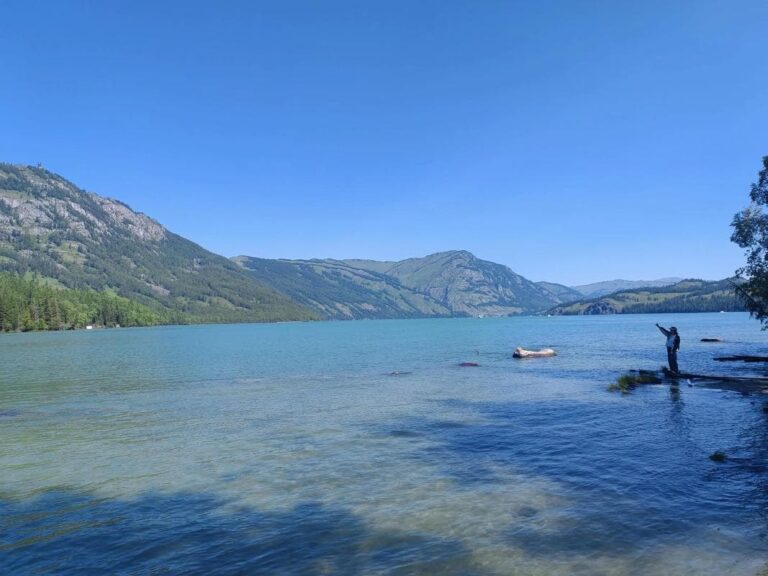
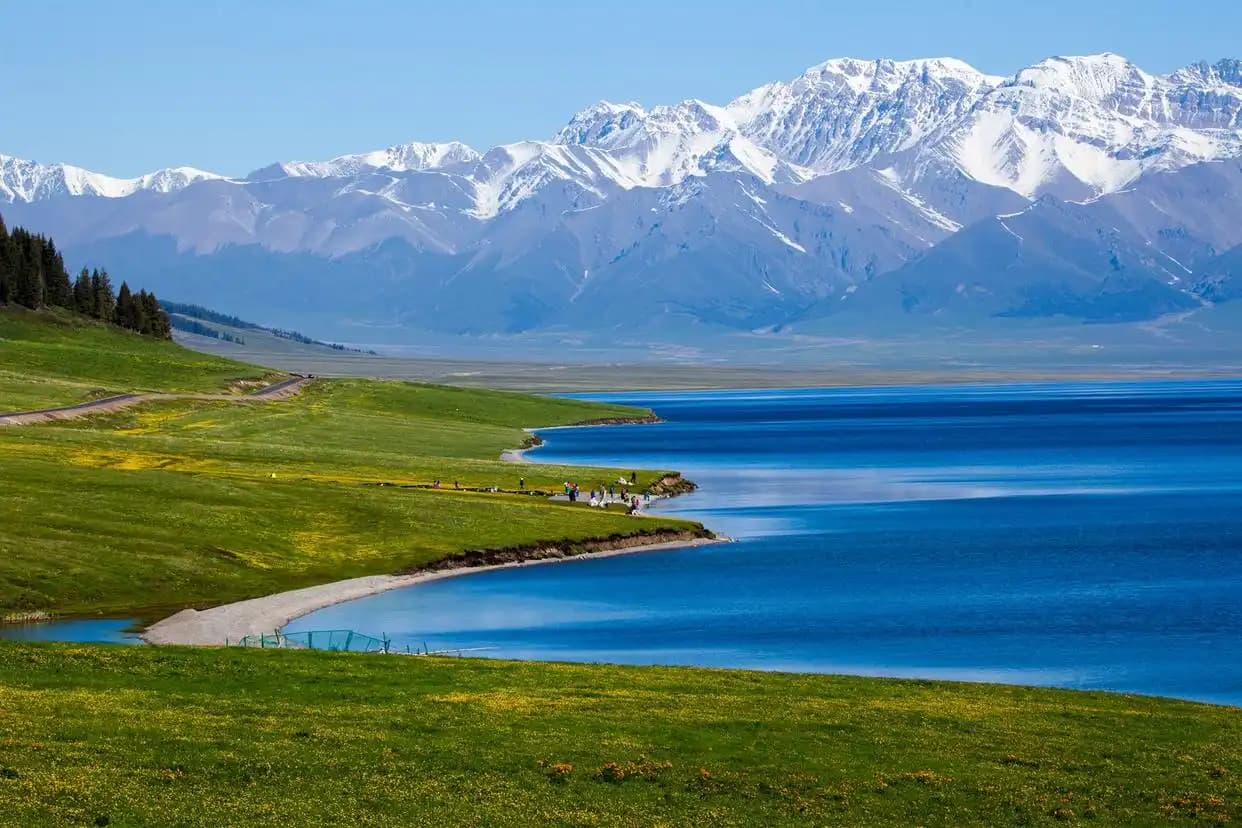
Xinjiang’s list of photogenic sites is long; these are the essentials. Kanas Lake and Hemu Village in the north deliver misty mornings, reflection shots, and golden birch — arrive before dawn for the famous Hemu sunrise platform, where tripods line the railing like a silent orchestra waiting for the first note of light. Sayram Lake, the “last tear of the Atlantic,” offers mirror-still water and a ring of snow mountains; shoot at dawn when the surface is glassy and the first light catches the ridgeline, and stay for the blue hour when the water turns to ink. The grasslands of Nalati and Bayanbulak are vast and photogenic, the latter famous for the “nine bends” of the Kaidu River at sunset, where you can catch multiple sun reflections in a single frame from the dedicated viewing deck high above the meadow.
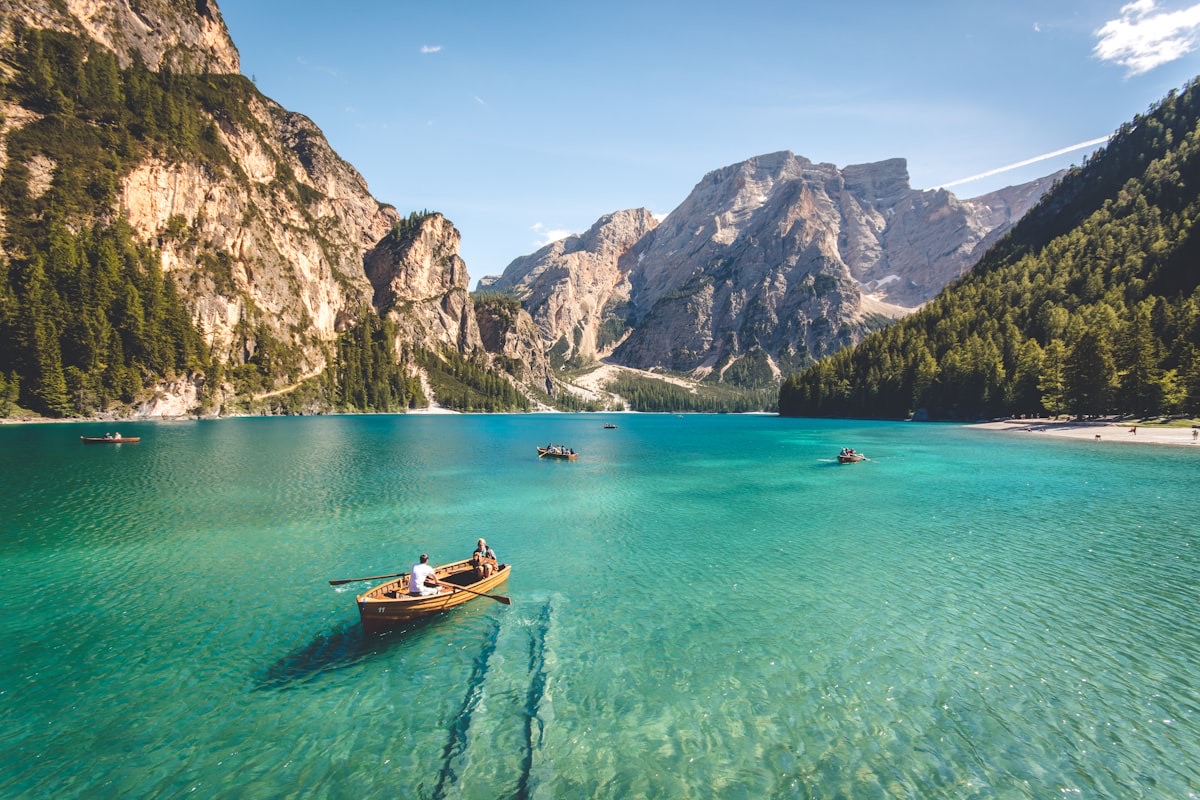
The Duku Highway and Panlong Ancient Road provide dizzying switchback shots beloved by drone and landscape photographers — note drone rules vary by area and are strict near borders and military zones, so ask before you launch. In the south, Kashgar Old City is a maze of textured alleys, wooden doors, and candid portraits; the Sunday livestock bazaar is raw, colorful, and unforgettable, a documentary photographer’s dream of dust, animals, and bargaining conducted at full volume. Karakul Lake beneath Muztagh Ata gives a perfect mountain reflection at dawn, while the Taklamakan and Kumtag deserts give dune curves and lone camel silhouettes at low sun, best photographed in the blue hour after the heat lifts and the sand cools to a deep, saturated orange.
Flaming Mountains near Turpan are best shot in the softer light of early morning or late afternoon, when the red-earth drama reads as sculpture rather than glare, and the nearby oasis towns offer a cool green counterpoint. Kashgar itself is also magical at night, when the lane lamps turn the mud-brick walls honey-gold and the call to prayer echoes off the roofs.
For something different, the yardang landforms and the colorful rock formations around the Turpan and Hami basins offer surreal, almost extraterrestrial textures that photograph best in the low side-light of early morning, when the ridges throw long shadows across the sand. The cities themselves reward patience too: Urumqi’s lively night markets and Kashgar’s lantern-lit lanes after dark are a chance to practice street photography and long exposures, where moving crowds blur into rivers of light around a steady vendor. Variety like this is exactly why many photographers return to Xinjiang year after year, never quite exhausting its range of subjects within a single trip or a single season, and why a second visit in a different month reveals a completely different region.
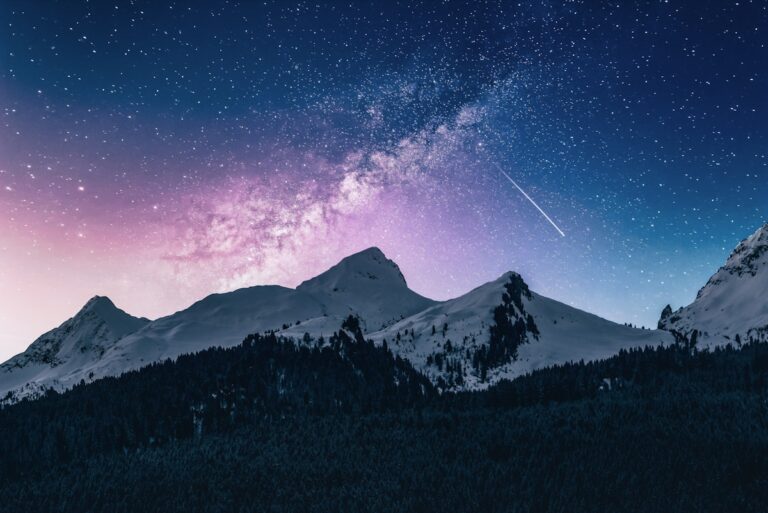
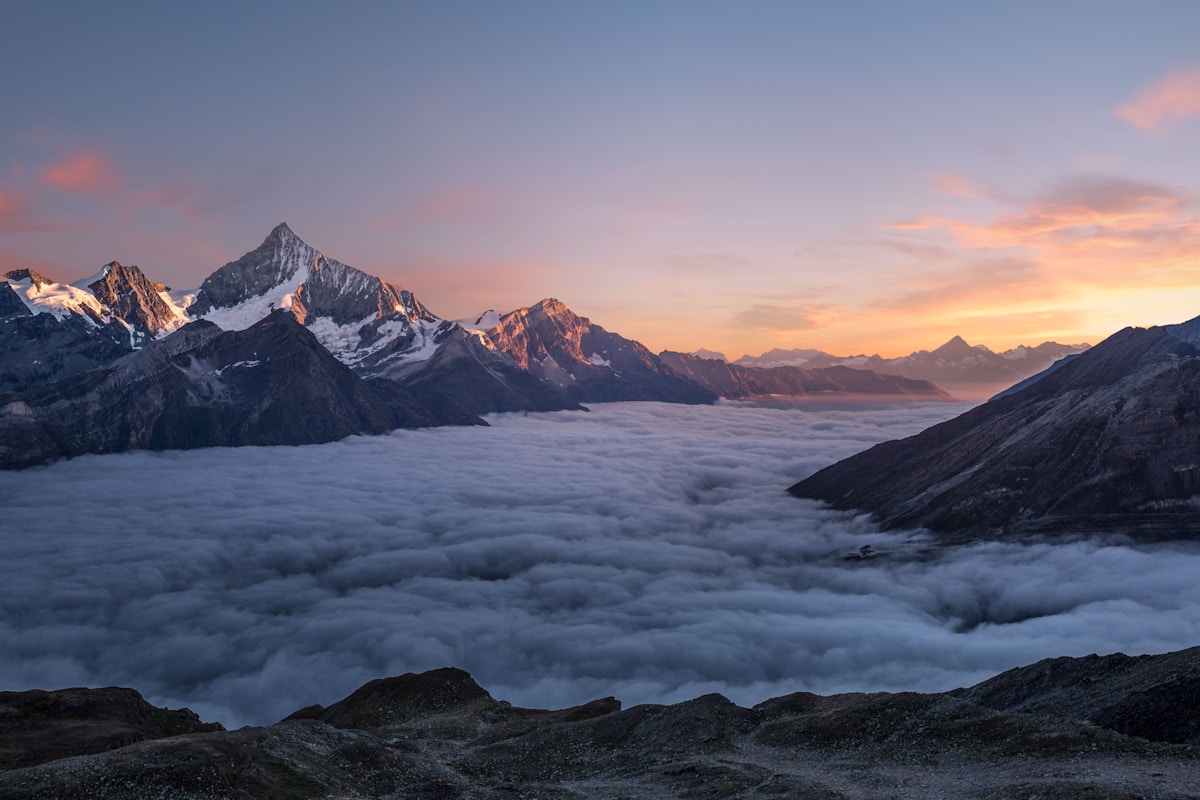
For astrophotography, the dark skies over the Altai and Pamir Plateau are world-class, with the Milky Way arching over silhouetted peaks on moonless nights and minimal light pollution for hundreds of kilometers. The key is to pair the right location with the right season: attempt the nine-bend rivers in autumn when water levels and light align, and save the Pamir for summer when passes are open and the air is clearest. Build a shot list by region before you travel, because the distances between these sites are so large that you will rarely pass one by accident on the way to somewhere else.
Gear and Preparation
Xinjiang’s distances demand smart packing. A sturdy tripod is essential for lakes at dawn and for astrophotography, where even a light breeze will blur a long exposure and ruin a frame you traveled days to capture. Bring a wide-angle for landscapes and a telephoto (70 to 200mm or longer) for compressing mountain layers and wildlife like swans and eagles that you cannot approach on foot. A polarizer cuts glare on water and deepens skies; an ND filter helps with silky waterfall and river shots. Protect gear from dust in deserts and from condensation moving between cold outside and warm indoor homestays, where lenses fog instantly if you rush inside with a cold body and a warm room.
Carry far more memory and batteries than you think — cold drains batteries fast, so keep spares inside your jacket and rotate them, and bring a power bank for the long drives between charging points where the next outlet may be a day away. A drone is valuable but heavily regulated: many scenic areas and all border zones forbid flying; check locally and register if required, since ignorance is not an accepted excuse at a checkpoint and confiscation is a real risk that can end a trip’s aerial plans entirely. Pack a sensor-cleaning kit for desert dust and consider insurance for expensive bodies and lenses, because a dropped camera on a rocky Pamir pass is an expensive silence. Logistically, base yourself near key sites to catch golden hour without hours of night driving, and always have offline maps since signal is patchy. A small headlamp, microfiber cloths, and a weather-sealed bag will save more shots than any fancy lens when the wind picks up on a Pamir pass or a desert dune, and a simple plastic bag can protect your camera during an unexpected downpour that turns a clear morning into a soaked memory card.
Two small habits protect your work: back up cards to a portable SSD every evening, because a failed card in the Taklamakan means lost frames you can never reshoot, and bring a rocket blower to clear sand from the sensor and lens before it scratches the glass. These unglamorous routines are what separate a portfolio from a regret, and they take minutes that buy you years of usable files from a region you may never stand in again.
Composition and Technique Tips
Technique separates snapshots from keepsakes. Use foreground interest — a scattered boulder, a fence, a wildflower — to lead the eye into wide scenes and give a sense of scale that a lone mountain lacks, because without it the viewer cannot tell if that peak is a hill or a giant. At lakes, get low for reflections and use a small aperture (f/8 to f/11) for front-to-back sharpness, and wait for the wind to drop so the surface stills into a mirror. For the nine-bend rivers and switchbacks, shoot from the official viewing platforms at sunset with a telephoto to compress the curves into a graphic ribbon of light that reads as abstract art from a distance. In old towns, ask before close portrait shots and use natural doorframe light; a 35mm or 50mm lens feels intimate and respects personal space better than a long zoom that announces itself across the alley and makes people tense.
Embrace blue hour: keep shooting 20 minutes after sunset for saturated skies and lit windows, when the landscape and the village glow together in a way golden hour alone cannot capture. Bracket exposures for high-contrast scenes (bright snow, dark valleys) so you can recover detail later, and shoot in RAW if your camera allows it for the same reason. Try panorama stitching for the vast grasslands, and place a small human figure in the frame for scale against the mountains — the lone walker on a switchback tells the story that the road alone cannot. And don’t forget to put the camera down sometimes — the memory of standing in those landscapes matters more than the frame, and your best compositions often come after you’ve simply looked for a while and let the place settle into you. The photograph is a record of having been there; the looking is the part you keep long after the file is archived and half-forgotten on a hard drive.
Back home, post-processing completes the work. Shoot in RAW so you can recover shadow detail from those dark valleys and tame the bright snow, and learn a simple exposure blend or your editor’s built-in HDR merge for the highest-contrast scenes. A light touch with clarity and a careful white balance will make a Sayram dawn sing without looking fake, and a subtle vignette can focus the eye the way a fence did in the field. Resist oversaturation: Xinjiang’s real colors are already extraordinary, and the most convincing images are the ones that look like the place felt, not like a poster stretched beyond belief.
The things I would keep
Xinjiang is a photographer’s dream precisely because it is difficult: the distances are long, the light is strong, and the weather is mood-swinging. Plan around the seasons, respect the drone and local-photography rules, and chase the golden hours — and you’ll return with images as vast and unforgettable as the land itself, frames that will still stop you in your tracks years later when you flip past them in the catalog and remember exactly how cold your fingers were and how worth it the wait became.