Wild Herbs and Botanicals of Xinjiang: Foraging, Teas, and Bazaar Remedies
I learned to notice Xinjiang’s plants by accident, on a long drive through the Ili valley when our driver pulled over, knelt by a roadside clump of feathery green leaves, and crushed one between his fingers for me to smell. It was wild fennel, he said, and his grandmother boiled it for sick stomachs. That stop rewired how I see the region: under the drama of mountains and deserts, Xinjiang is also one of the richest herbal landscapes in China, and a lot of that knowledge still lives in its bazaars and kitchens.
The Botanical Wealth of Xinjiang
Two factors make the plant life here unusual. First, the region spans climates, from the wet Ili valley to the dry Tarim, so species pile up. Second, the Silk Road turned local botanicals into trade goods, so markets in Kashgar and Urumqi still sell things a pharmacist would recognize. The best seasons to see them are late spring and early summer, which is exactly what the best time to visit Xinjiang guides point to for green landscapes, and autumn for berries and roots.
Common Wild Herbs You Will Meet
You do not need to be a botanist to enjoy these. Most show up as tea, dried bundles, or bundled with produce.
Wild fennel and dill
Everywhere in the north. The seeds and fronds go into polo and pickles, and a weak tea of the seeds is a folk remedy for digestion. The fronds also show up chopped over yogurt.
Sea buckthorn (sha ji)
Bright orange berries on thorny shrubs across the north. Eaten raw in small amounts, pressed into juice, or made into jam. Tart and vitamin-heavy; you will see it at every Ili market in autumn, often sold by the liter in unlabeled bottles.
Wild mint and thyme
Lower mountain slopes and wet meadows. Dried mint is the default tea herb in many Uyghur homes, sometimes with a pinch of thyme for a savory edge that pairs well with lamb.
Ephedra and licorice root
Both grow wild in drier zones and are sold dried at herbal stalls. They are potent, not casual snacks, and best left to people who know the dose. I photograph these and buy them dried rather than tasting them raw.
How to Recognize a Few Safely
If you want to forage rather than just shop, start with the unmistakable ones. Wild fennel smells exactly like the bulb you know from groceries, only stronger, and grows in feathery clumps by roadsides. Wild mint is square-stemmed and smells sharply when bruised. Sea buckthorn is a thorny shrub with silver-backed leaves and orange clusters you cannot mistake in season. Licorice root is the tricky one: its purple pea-flowers are pretty, but the root is sweet and medicinal, so admire it and move on. Rosehips are easier still: they are the red-orange hips left after the wild rose finishes flowering, and a single roadside bush can keep you in tea for a week once they ripen in early autumn.
Foraging Rules for Travelers
| Rule | Why it matters |
|---|---|
| Photograph, don’t uproot, rare plants | Several Tianshan species are protected or slow to recover |
| Buy dried bundles at the bazaar, not fresh from the wild | Supports local gatherers and avoids misidentification |
| Learn the look of ephedra and licorice before any tasting | Both are medicinal, not for casual chewing |
| Stay on trails in reserve areas | Many herb-rich meadows are inside protected parks |
My rule of thumb: if I cannot name it in two languages and recognize it dried, I admire it and buy the dried version later. The bazaar is the safer classroom, and the sellers are usually happy to tell you what a bundle is for.
Herbal Teas to Try
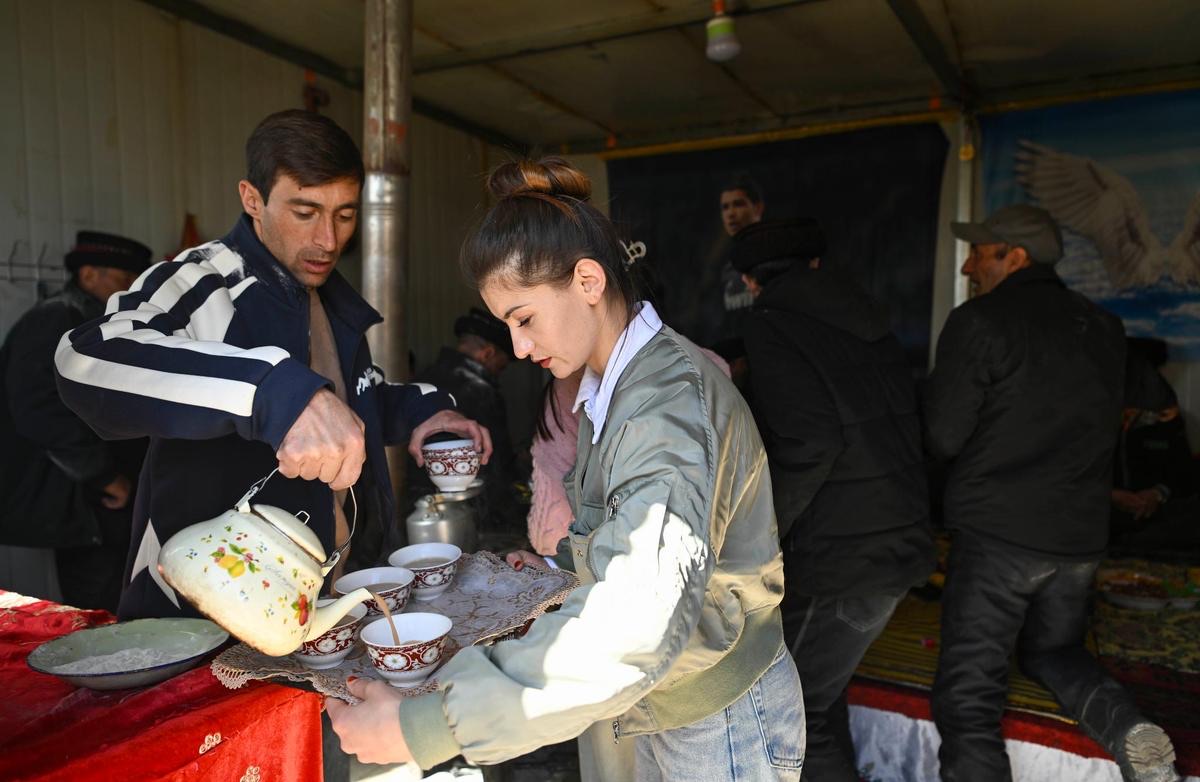
Herbal tea in Xinjiang is its own small world, separate from milk tea. Ask for the dried bundle by name, or just point.
- Mint tea – the everyday one, calming after lamb.
- Wild rosehip tea – tangy, common in the Ili valley, full of vitamin C.
- Licorice-root tea – sweet naturally, drunk in tiny amounts.
- Sea buckthorn juice – not a tea but the herbal-market cousin, sold bottled or fresh.
If you cook, a pinch of dried wild fennel seed in Xinjiang cuisine is the easiest way to bring the meadows home, and it works in rice, soups, and yogurt alike.
Herbs as Remedies: What Locals Actually Use
Beyond tea, several Xinjiang botanicals pull double duty as home medicine, and knowing the basics helps you shop and avoid trouble. Licorice root is steeped in tiny amounts for a soothing sweet tea and is the one you will hear recommended most often for throat and stomach. Sea buckthorn is eaten or drunk for vitamin C, especially in the north during long winters. Wild mint is the default calming brew, and fennel seed tea is the go-to for digestion after a heavy polo. The line between food and medicine is thin here, which is exactly why ephedra and strong roots deserve respect: buy them from a seller who can name the use, and do not self-prescribe large amounts. When in doubt, a mint or rosehip tea covers most needs without risk.
Where to Buy Botanicals
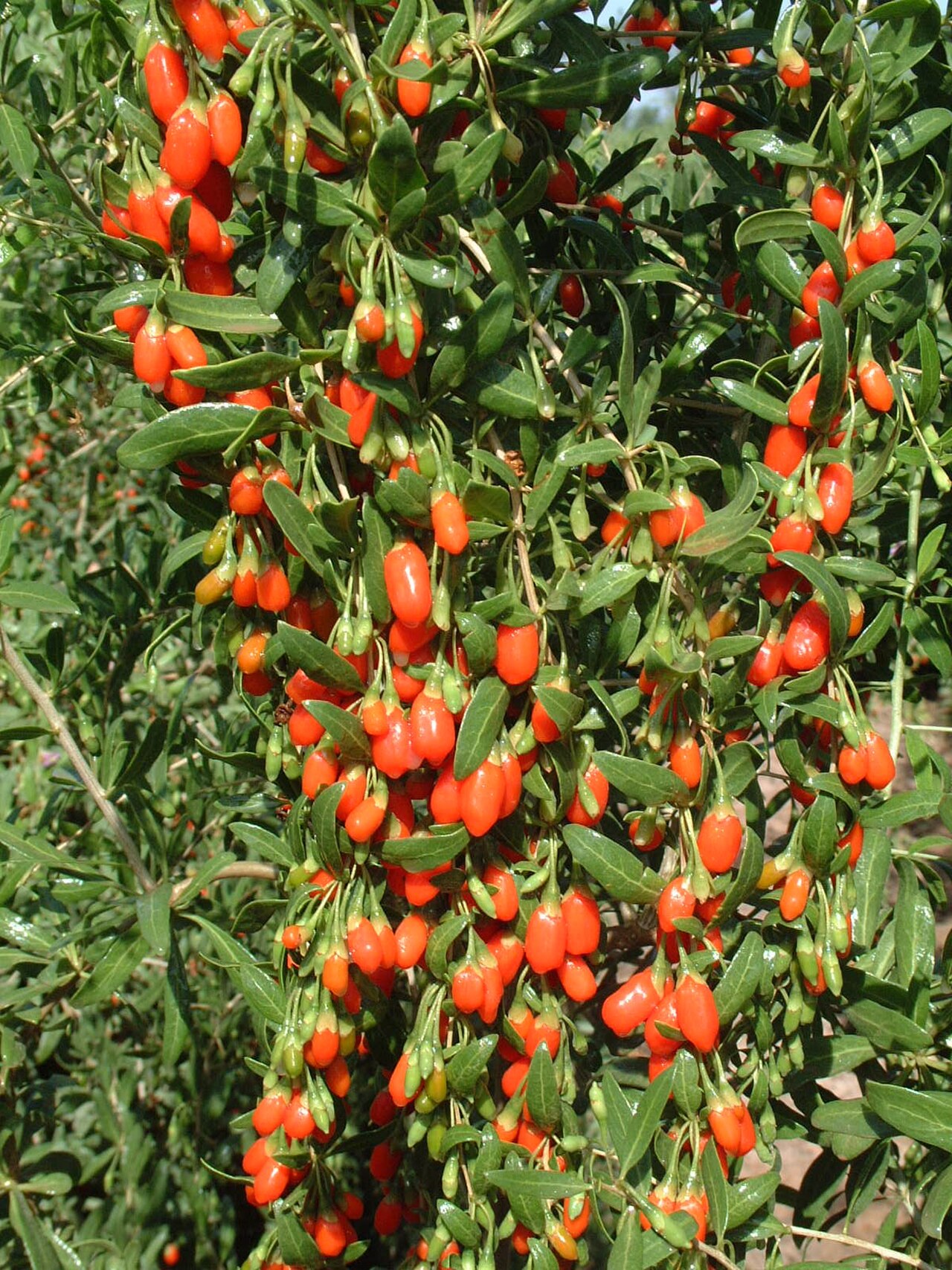
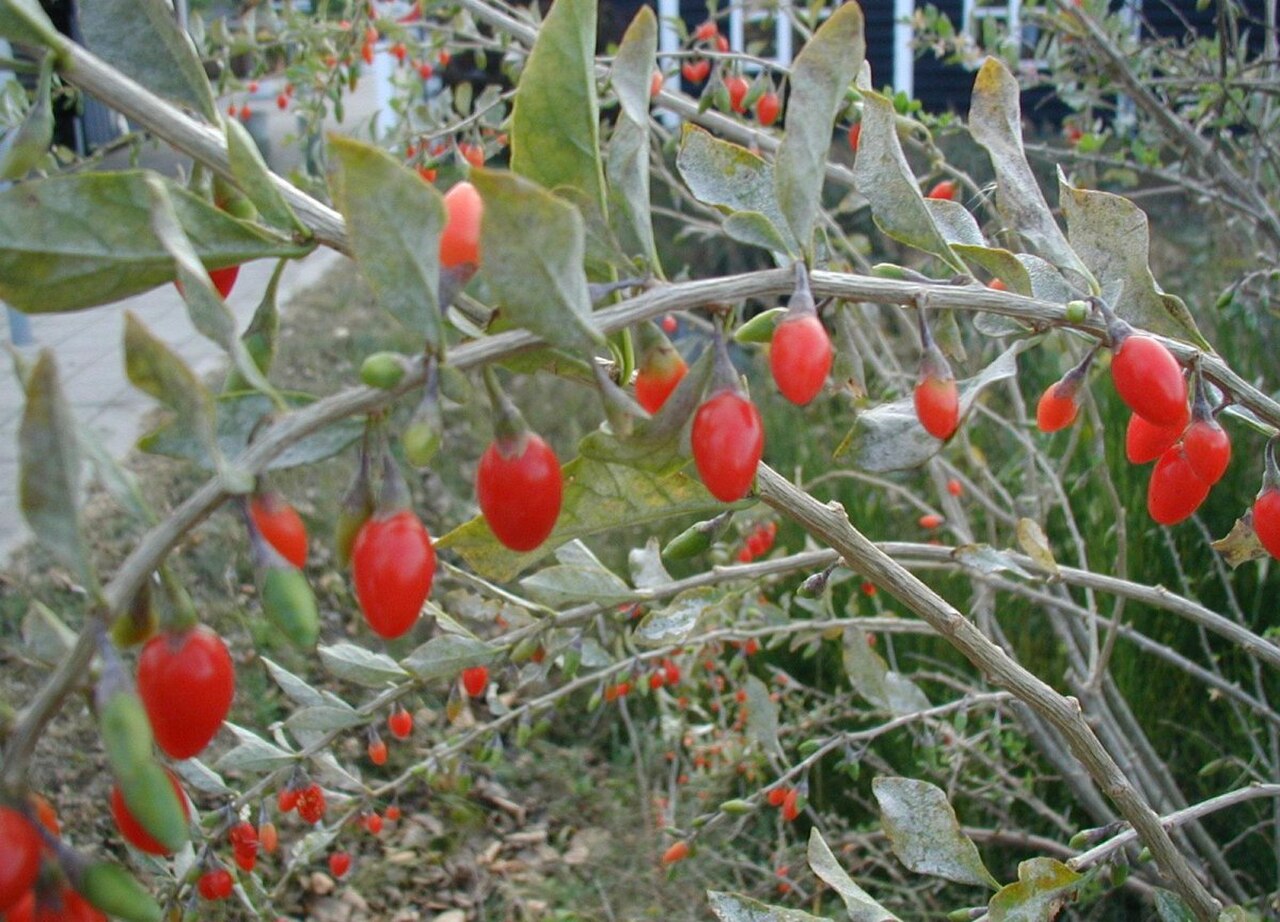
You will also see goji berries, the small red fruit sold dried in almost every Xinjiang bazaar. The herbal rows of the Kashgar Sunday bazaar and the dried-goods stalls of Urumqi’s international bazaar are the main stops. In the Kashgar Old City, dried roots and spice bundles line the herbal lanes, while Yining autumn markets are the richest, and you will find sea buckthorn by the liter and mint by the bundle. Hotan’s oasis markets lean toward roots and resins, while smaller town bazaars often have just one herbal stall worth knowing. Buy in small amounts, check that leaves are whole and fragrant rather than dust, and keep a note of the Uyghur or Mandarin name so you can reorder or ask a pharmacist back home what you bought. A seller who can tell you exactly what a bundle is for is the one to trust; a seller who calls everything a cure-all is the one to walk past.
The herb sellers and I got on best when I stopped asking for names and started asking for use. Almost every bundle in the old market answers to a whole family of local names, and the moment I admitted I did not know the plant the conversation opened up. What I carry home now is two small bags I can actually describe, rather than a paper cone full of things I cannot say aloud.
Frequently Asked Questions
Is it legal to bring Xinjiang herbs home?
Dried, packaged herbs for personal use are usually fine, but seed and root material can be restricted. Check your home country’s plant-import rules and keep them in checked luggage with a label.
Which wild herb is safest to try first?
Wild mint tea. It is recognizable, mild, and sold everywhere. Avoid self-dosing ephedra or licorice unless you know the tradition.
When is the best season for botanicals?
Late May through June for fresh greens and flowers; September through October for berries and roots at the bazaar. Both line up with the region’s greenest travel windows.
Can I forage on my own?
Lightly, on open trails, for common plants like mint and fennel, and only if you can identify them confidently. Leave rare and protected species alone and buy those dried instead.
Are herbal teas caffeine-free?
Most Xinjiang herbal teas are caffeine-free unless blended with black tea. If you want pure herb, say so when ordering; otherwise you may get a mint-black mix.
What should I avoid buying at the bazaar?
Avoid anything labeled as a cure-all, anything with no named ingredient, and any root or seed you cannot identify. Stick to single, recognizable herbs sold by sellers who can name them, and you will go home with something genuine.