Korla Pear: Xinjiang’s Fragrant “Tribute Fruit” and How to Eat It
The first time I bit into a Korla pear, I was sitting on a low wooden stool outside a fruit shop in Korla’s old orchard district, the late-September sun still warm on my back. The skin was thin enough to eat, the juice ran down my wrist, and the aroma — somewhere between jasmine and fresh-cut grass — had nothing to do with the grainy, forgettable pears I knew from supermarkets back home. Korla pear (in Chinese, Kù’ěrlè xiānglí, literally “fragrant pear”) is the fruit Xinjiang locals are proudest of, and after a few trips I’ve learned it earns the hype. This guide covers what makes it different, when to find it, how to pick a good one, and the practical parts — eating it, buying it, and getting some home.
What Actually Makes a Korla Pear Different
Korla pear is a cultivar of the Chinese white pear, grown almost exclusively in the Korla region of the Bayingol Mongol Autonomous Prefecture. The orchards sit in a narrow band between the Tianshan mountains to the north and the edge of the Taklamakan Desert to the south. That geography is most of the story: days are long and hot, nights drop sharply, the air is bone-dry, and the pear trees drink from snowmelt off the mountains. The result is fruit with a high sugar content, crisp dense flesh, and a perfume that survives the journey to a fruit bowl thousands of kilometres away.
The “Fragrant” Profile
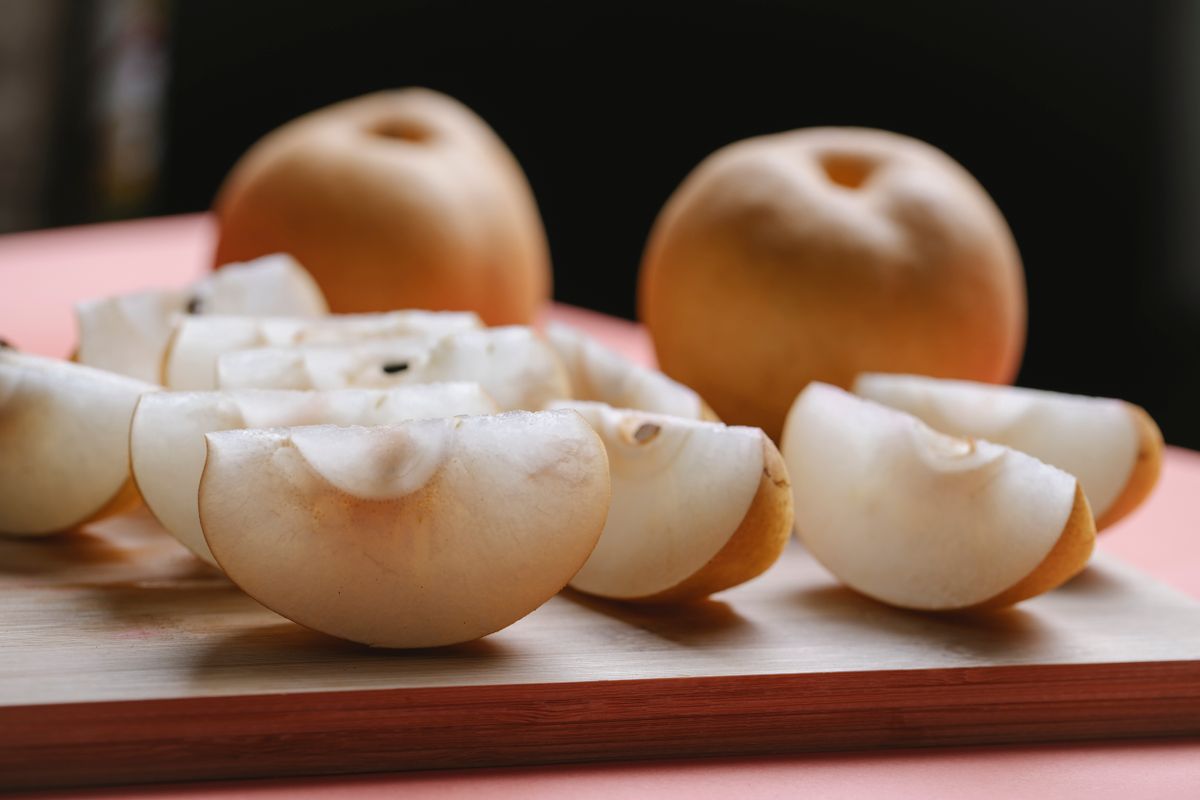
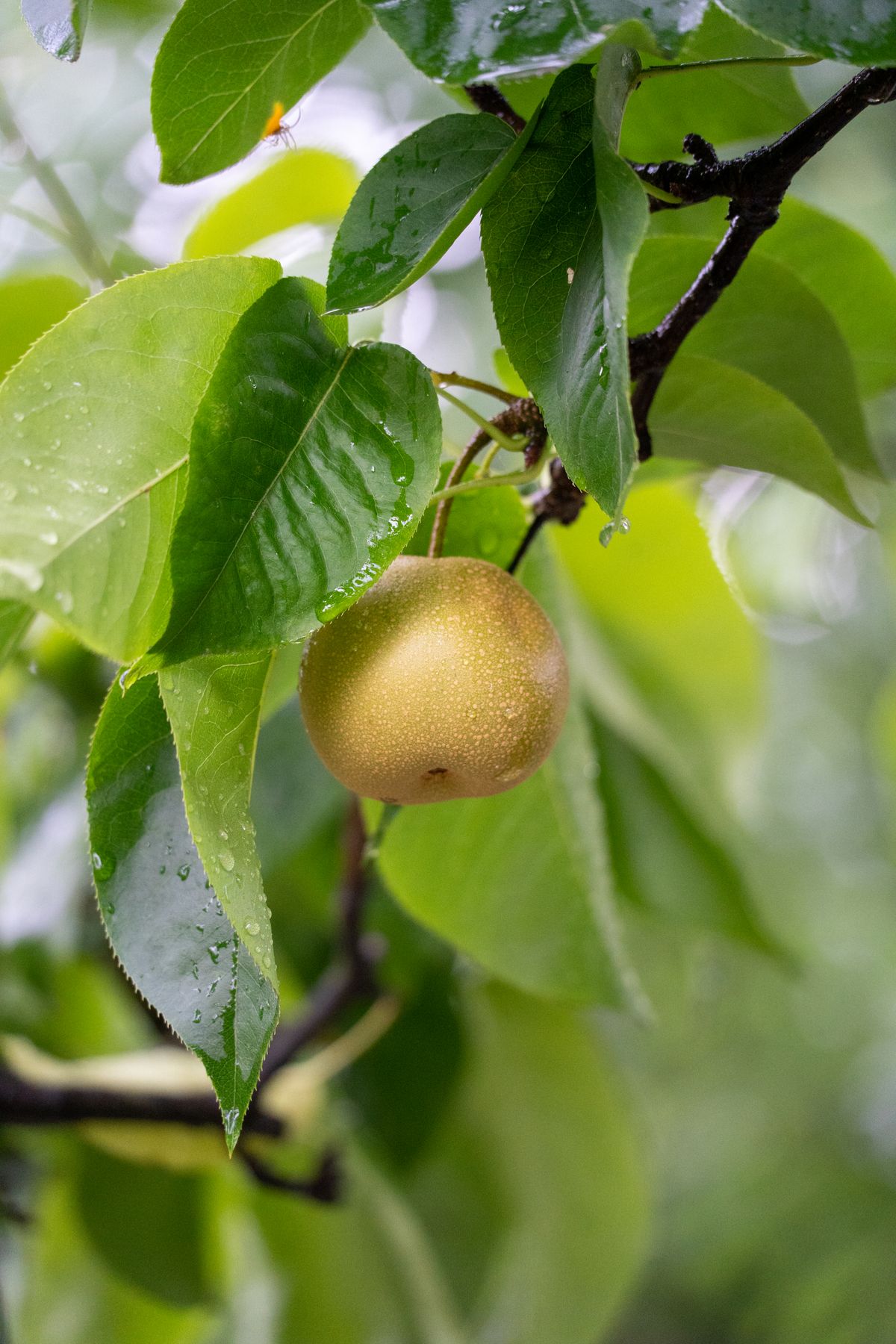
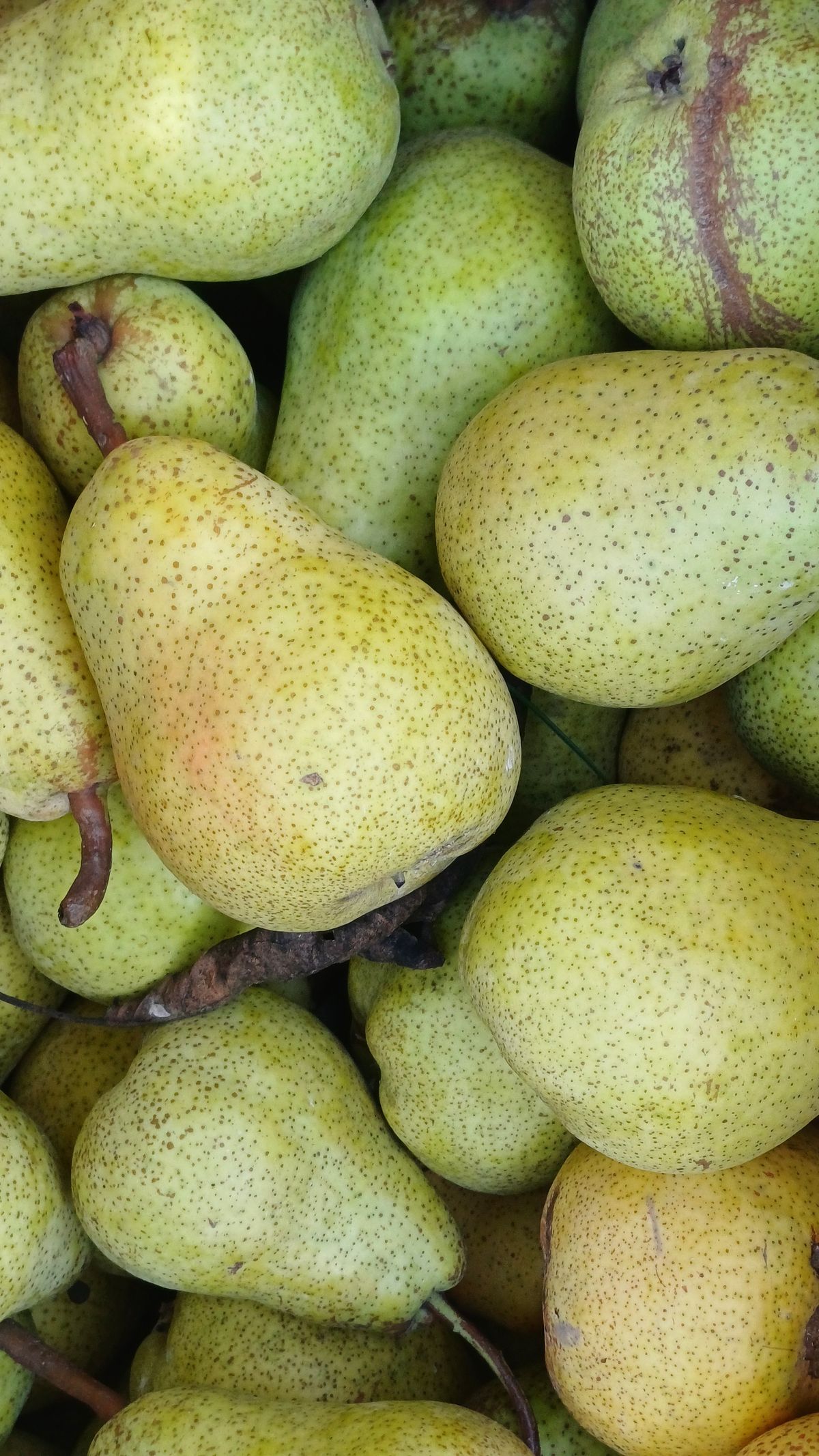
Unlike the watery, mild pears common in Western supermarkets, a ripe Korla pear is small to medium, often slightly lopsided, with a thin green-gold skin that russettings (browns in patches) as it ripens. The flesh is snow-white, fine-grained, and juicy without being soggy. The defining trait is the scent — locals will tell you a real Korla pear smells sweet from across the room. If it has no smell, it was picked too early or cold-stored too long.
A Fruit With Two Thousand Years Behind It
Pear cultivation around Korla goes back more than two millennia, and the fruit was historically sent as tribute to imperial courts — which is why you’ll still see the phrase “tribute pear” (gònglí) on packaging. What changed in the last few decades is scale: Korla and the surrounding towns now plant tens of thousands of hectares, and the pear became the city’s calling card, even lending its name to the local airport’s gift shops. On my first drive in from the desert highway, roadside stalls every few kilometres all advertised the same thing: xiānglí, fragrant pears, by the kilo.
Korla Pear Season at a Glance
| Month | What’s happening | Where to look |
|---|---|---|
| August | Early pears appear; firm, less sweet, cheaper | Korla roadside stalls, city bazaars |
| September | Peak ripeness and aroma; main harvest | Orchard districts, Korla fruit market |
| October | Late harvest, best sweetness, cold-store begins | Supermarkets across Xinjiang |
| Nov–Feb | Cold-stored fruit; good but less fragrant | Shipped nationwide, airport gift boxes |
If you want the real thing at its best, time a visit for September. That is when the aroma is unmistakable and prices at the source are lowest.
How to Choose a Good Pear
| Check | Good sign | Avoid |
|---|---|---|
| Smell | Sweet, floral scent at the stem | No smell, or a fermented tang |
| Skin | Thin, green-gold with light russet | Deep bruises, shrivelled skin |
| Feel | Slightly yielding at the neck | Rock-hard all over, or soft spots |
| Weight | Heavy for its size (juicy) | Light, hollow-feeling |
Skin, Seeds, and the Core
The skin is edible and carries much of the fragrance, so don’t peel it — just rinse. The core is small and the seeds few, which makes it an easy snack on a train or a long desert drive. I’ve found that letting pears sit at room temperature for a day after buying them cold-stored noticeably brings the scent back.
Four Ways to Eat Korla Pear
Fresh, as a snack. This is the default and the best. Wash, bite in, and accept the juice. Stewed with rock sugar. In Xinjiang’s dry climate a stewed pear with a little rock sugar and goji is a traditional soothing drink for a scratchy throat, and you’ll find it on winter menus. Pear tea. Sliced pear simmered with dried dates makes a mild, sweet infusion. Dried pear. Sliced and sun-dried, it becomes a chewy travel snack that keeps for months — handy on multi-day road trips where fresh fruit is scarce.
Where to Buy — and What It Costs
At the source in September you can pay as little as a few yuan per kilo at orchard stalls, rising to maybe 10–15 yuan per kilo in Urumqi supermarkets off-season. The generic Xinjiang fruit guide covers the broader produce landscape, but for pears specifically the Korla fruit market and the gift boxes at Xinjiang souvenir shops are where you’ll find graded, gift-packaged fruit aimed at travellers. Look for boxes marked with the Korla geographic-indication seal if authenticity matters to you.
Getting Pears Home
Korla pears travel better than most fragile fruit because the skin is tough and the flesh dense. In checked luggage, wrap each pear in paper and pack them so they don’t knock together; a hard-sided suitcase works best. They keep for one to two weeks at cool room temperature and longer refrigerated. If you’d rather not carry them, cold-chain parcel services from Korla will ship within China, and some shops will box them for air-freight. Just confirm your home-country rules on bringing fresh fruit through customs before you rely on carrying them yourself.
What to Do With a Korla Pear After You Buy One
The Korla pear is at its best when it is almost cold and just barely ripe: skin thin enough to crack under your thumb, flesh crunchy and almost liquid, no core stone to negotiate. In the orchards around Korla in late August and early September, growers let you taste before you commit, and that one bite is worth the detour from the highway. What I learned the hard way is that these pears do not travel well once they warm up, so I now buy the firmest fruit on the table, eat the first two within a day, and check the rest daily instead of packing them for a two-week loop. Storing them in a cool, dark place with the other fruit separated slows the sweetening, and a pear kept that way still tastes like a Korla pear a week later. If you are gifting fruit home, the small wooden crates from the orchard hold up far better than plastic bags, and they travel through customs far more easily than dried or fresh grapes. Eat it fresh, share it, and treat it as a short-season fruit rather than a souvenir you can carry in your pocket.
Frequently Asked Questions
Are Korla pears the same as the Asian pears sold abroad?
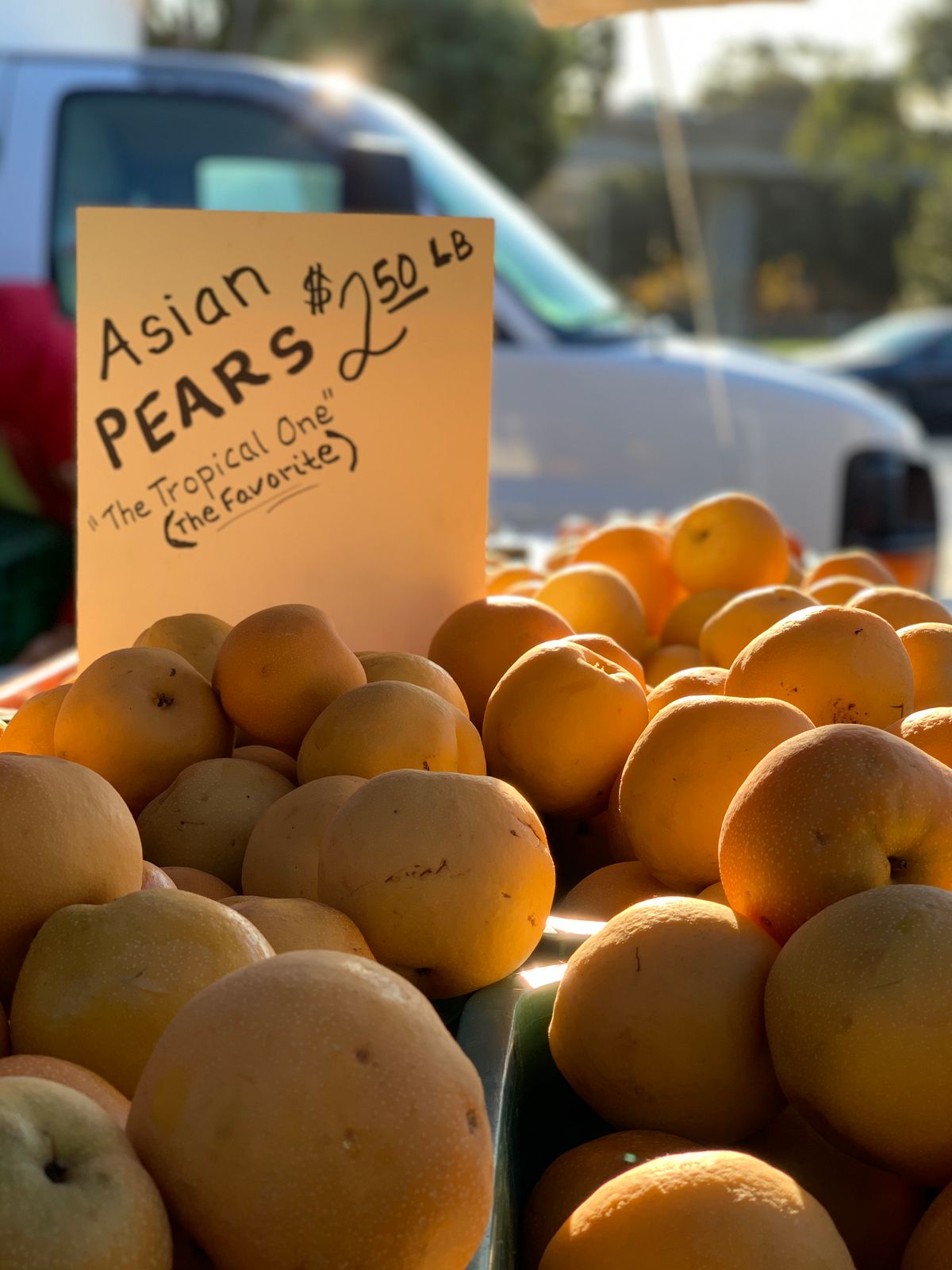
They are cousins — both are crisp, non-melting pears — but Korla pear is a distinct, geographically protected cultivar with a stronger aroma and thinner skin. Most “Asian pears” in Western stores are Korean or Japanese varieties that taste milder.
When is the best month to buy them?
September, during and just after the main harvest, gives you the most fragrant, best-priced fruit. Earlier pears are crisper but less sweet; later ones are fine but increasingly cold-stored.
Can I take Korla pears home in my luggage?
You can usually carry them in checked baggage within China, and many travellers fly them home, but fresh fruit is restricted or banned by many countries’ Customs. Check your destination’s rules before you pack a suitcase full of them.
Why are some Korla pears small and lopsided?
That shape is normal for the cultivar and not a defect. Odd shapes often mean the pear grew naturally without heavy thinning or uniform orchard management — it can actually be the more flavourful one.
Do Korla pears need to be peeled?
No. The skin is thin, edible, and holds most of the fragrance. Rinse and eat. Peel only if you personally dislike skins.
How do I know if a cold-stored pear is still good?
Trust your nose. A faint sweet scent means it’s fine; a dull, winy, or sour smell means it has turned. A slight softening at the neck is okay, but mushy spots are not.