Essential Uyghur and Kazakh Phrases for Travelers in Xinjiang
The first word I learned in Xinjiang was not “hello” but “rahmet” — thank you — and it changed the whole trip. Most travelers get by with普通话 or a translation app, but a handful of Uyghur and Kazakh phrases signal respect in a place where language is tied to identity. You do not need to be fluent. You need to show up willing. After three trips and a lot of mangled pronunciation, here is the cheat sheet I actually used, with romanization that matches how people really say it.
Why Bother Learning a Few Words
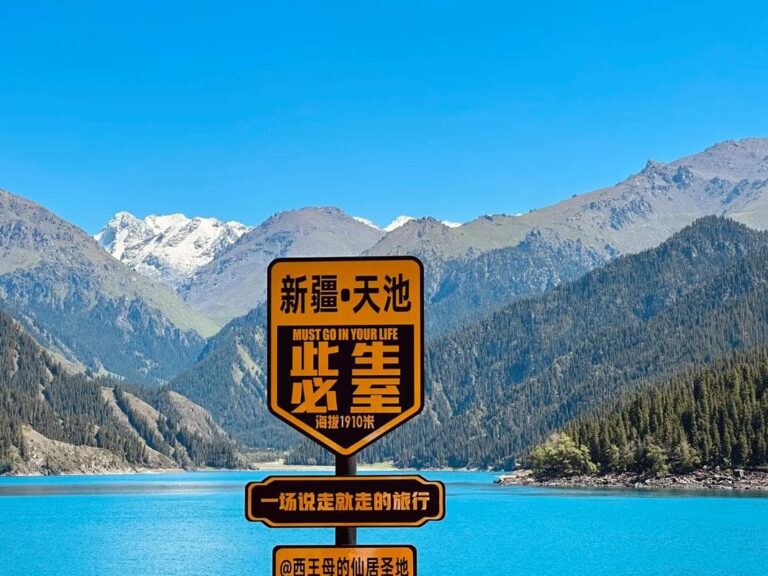
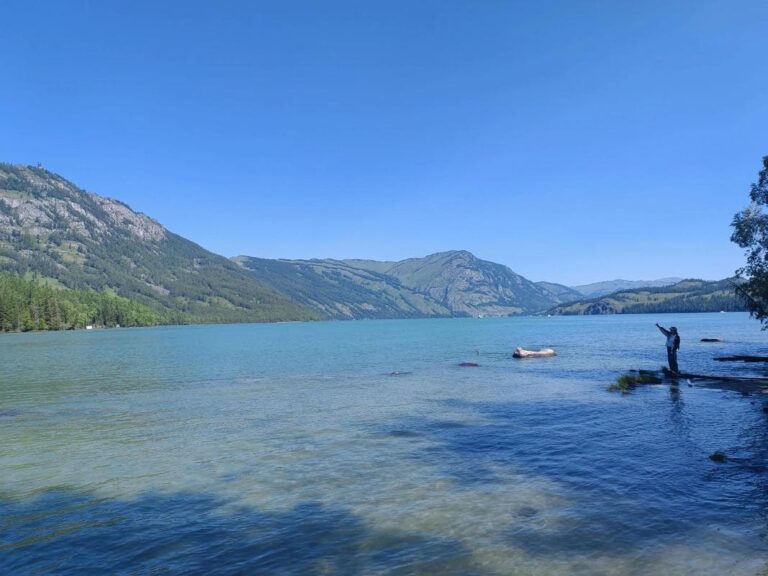
Xinjiang is home to Uyghur, Kazakh, Kyrgyz, Tajik, Mongol, and Hui communities, each with its own language. In the south (Kashgar, Hotan, Turpan) Uyghur dominates; in the north and on the grasslands (Ili, Altay, the Tian Shan) you will hear Kazakh and Kyrgyz. Mandarin is the lingua franca for official business, but switching to a local greeting in a bazaar or a yurt shifts the interaction from “tourist transaction” to “guest.” People light up, prices often soften, and invitations to tea appear. None of this requires grammar — just the sounds.
The Greetings You Will Actually Use
These five carry 80% of a visit. Say them with a slight nod, and in Muslim areas a hand over the heart is appreciated more than a handshake with the opposite sex.
| Phrase (Uyghur) | Romanization | Meaning / when to use |
|---|---|---|
| ياخشىمۇسىز | Yaxshimusiz | “Are you well?” — the standard hello, any time of day |
| رەھمەت | Rahmet | Thank you — say it often, especially after food or a photo |
| خەيرلىك كۈن | Kheylik kün | Good day / have a good day leaving a shop |
| قانداقسىز | Qandaqsiniz | “How are you?” — small talk opener with elders |
| كۆرۈشەيلى | Körüsheyli | “See you” — a warm farewell |
Kazakh Equivalents on the Grasslands
In Ili and Altay the same gestures use Kazakh: Salemetsiz be (hello), Raxmet (thank you), Qalai syz (how are you). The rhythm is close enough that Uyghur speakers understand you; do not worry about mixing them in casual chats.
At the Bazaar and in a Taxi
Markets are where phrases earn their keep. Learn the numbers loosely and the word for “how much,” then let body language finish the sentence.
| Phrase | Romanization | Use it when… |
|---|---|---|
| قانچە پۇل | Qanche pul | “How much?” — point at the item |
| بەك قىممەت | Bek qimmet | “Too expensive” — your opening haggle line |
| ئازراق | Azraq | “A little” — for spice, sugar, or a discount |
| ماڭا ئاپىرىپ قويۇڭ | Menga apirip qoyung | “Please take me there” — to a driver |
Food, Tea, and the Words That Get You Fed
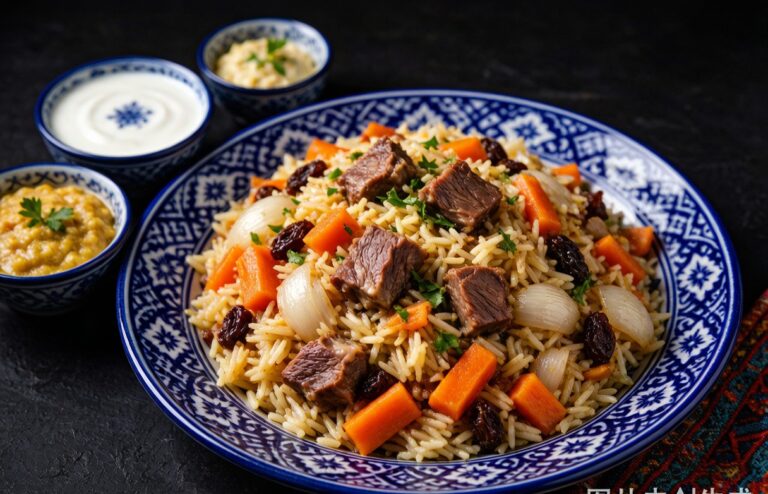
Hospitality runs on tea and bread. Knowing the words for “bread,” “tea,” and “full” keeps you gracious when a third bowl appears. In a Kashgar courtyard I once tried to refuse more polo with English; the host just laughed and slid the plate closer. Say Toxsiman (“I’m full”) early and gently, and pair it with Rahmet. For “delicious,” use Tamm — it ends more meals happily than any review.

Phrases for the Tea House
Chay is tea; Süt chay is milk tea; Qizil chay is black tea. Ordering by these names in a chaykhana (teahouse) tells the owner you are there for the ritual, not just caffeine. Ask Yana bir kosa? (“one more cup?”) and you may be adopted for the afternoon.
Small Talk That Lands Well
Locals often open with family and origin. A few safe replies go far: Men sayyahtim (“I am a traveler”), Buyerekman (“I like it here”), and Chunkung güzäl (“your town is beautiful”). Asking about someone’s hometown or a child’s name is warm, not intrusive. Avoid asking about politics or religion directly; let people volunteer. The season you visit also gives you a safe opener — everyone has opinions on the heat, the cold, or the apricot bloom.
Numbers and Getting Around
You do not need to count in Uyghur to shop, but knowing one through ten turns haggling from a guessing game into a conversation — and it stops the “tourist tax” before it starts. Say the number you want out loud as you hold up fingers; vendors respect a buyer who clearly knows the price they are offering. On buses and in taxis, numbers also pin down the fare and the stop.
| Number | Uyghur (romanized) | Kazakh (romanized) |
|---|---|---|
| 1 | Bir | Bir |
| 2 | Ikki | Eki |
| 3 | Üch | Üsh |
| 5 | Besh | Bes |
| 10 | On | On |
| 20 | Yigirme | Jïyırma |
| 50 | Ellik | Elw |
| 100 | Yüz | Jüz |
Direction and Help Phrases
When the map fails — and it will, off the main roads — a few words get you unlost. Qeyerge? (where to?) and Bu yerge (to here) pair with pointing. For help, Yardem berng (“give me a hand”) is understood widely; in a pinch, writing the destination in Chinese characters and showing it works better than any phrasebook, because most locals read Chinese even if they do not speak your language. Keep a screenshot of your hotel’s name in Chinese for exactly this reason.
What Not to Say (or Mimic)
Do not attempt the call to prayer as a party trick, do not film people mid-prayer, and skip the word “halal” as a joke. Treat inshallah-style phrases lightly unless you share the faith. Most offense comes from tone, not vocabulary — speak softly, smile, and a wrong word is forgiven instantly. When in genuine doubt, a smiling shrug and a repeated Rahmet defuses almost any awkward moment; people would much rather you try and slip than perform confidence you do not have.
A Note on Dialect and Patience
Uyghur spoken in Kashgar is not identical to Uyghur in Ili, and Kazakh on the Pamir carries Kyrgyz loanwords. Do not be thrown when your textbook phrase comes back with a different vowel — locals will recognize the intent and meet you halfway. The single biggest multiplier on comprehension is patience: slow down, over-enunciate the first syllable, and repeat rather than rephrase. I have had entire negotiations conducted in three shared words and a lot of laughter, and those were the conversations I remember. Children are your best teachers — they correct without mercy and cheer loudly when you get it right, which endears you to the whole family. Language in Xinjiang is less a tool than an invitation; accepting it clumsily is the point.
What tends to go sideways
The trap here: Needing to learn the script
Just sounds. Uyghur uses an Arabic-based script and Kazakh uses Cyrillic in Kazakhstan but Arabic in China; reading either takes months. Romanization from this guide is enough to be understood and appreciated.
Where people slip: Annoyed if i mispronounce
No. A visible effort with a smile beats perfect pronunciation every time. Locals usually repeat the word slowly and teach you, which is half the fun.
The usual error: English
In hotels and trains, yes. In village homes, yurts, and small bazaars, no — and that is exactly where phrases matter most. Keep a translation app as backup, not a crutch.
Easy to get this wrong: Single most useful word
Rahmet (thank you). Say it when you receive tea, a direction, a photo yes, or a discount. It costs nothing and opens everything.
The trap here: There phrases i should avoid entirely
Avoid religious phrases you do not understand, and never mimic the adhan. Steer clear of political terms. When in doubt, stick to greetings, thanks, and food words.