Xinjiang Koumiss (Qymyz / Airag): The Sparkling Fermented Mare’s Milk of the Grasslands
There is a moment on the summer grasslands of Xinjiang that no guidebook quite prepares you for. You are seated in a yurt, a felt-walled world that smells of smoke and cream, and the host hands you a shallow wooden bowl filled with a pale, faintly fizzy liquid. It is cool, slightly sour, and unmistakably alcoholic in the gentlest way. This is koumiss — qymyz in Kazakh, airag in Kyrgyz — the ancient fermented drink of the Central Asian steppe, made from mare’s milk, and one of the oldest living beverages on the Silk Road.
What Exactly Is Koumiss?
Koumiss is not a yogurt you eat and it is not the salty milk tea you sip in a Kashgar home. It is a fermented alcoholic drink made from mare’s milk. Mare’s milk is naturally low in fat and high in lactose, which makes it ideal for fermentation. Left alone with a starter culture, the lactose converts into lactic acid and a small amount of ethanol (usually 0.5% to 2.5% by volume — closer to a weak kombucha than to beer). The result is effervescent, tart, and creamy, with a flavor that first-time drinkers often describe as “liquid yogurt that learned to sparkle.”
I still remember my first bowl in a Kazakh herder’s camp near the Ili Valley. The host’s wife had churned it that morning in a saba, a leather sack that hangs by the door and gets a few swings every time someone passes. Within two sips I understood why nomads have relied on this drink for more than two thousand years: it is hydrating, nutritious, and quietly energizing after a long day on horseback.
How Koumiss Is Made
The process is deceptively simple and entirely live. Fresh mare’s milk is poured into the saba or a wooden vat, a spoonful of yesterday’s koumiss is added as a starter, and the mixture is stirred or churned repeatedly over 24 to 48 hours at a warm temperature. Traditional churning both aerates the milk and keeps the culture evenly distributed. When it reaches the right tang and fizz, it is served fresh and cold.
The Churn That Never Rests
In a real herding household the koumiss sack is never empty for long in summer. A small amount is reserved from each batch to seed the next, so the culture is effectively a living heirloom passed down through generations.
Koumiss vs Other Xinjiang Dairy
Travelers often confuse koumiss with the other white drinks of the region. Here is the practical breakdown:
| Drink | Base | Alcohol | Taste | When you’ll meet it |
|---|---|---|---|---|
| Koumiss (qymyz) | Fermented mare’s milk | Low (0.5–2.5%) | Tart, fizzy, creamy | Summer yurts, Ili & Altay grasslands |
| Xinjiang milk tea | Black tea + cow/sheep milk + salt | None | Salty, savory | Every Uyghur & Kazakh home |
| Yogurt (süzmä/kaymak) | Cow or sheep milk, cultured | None | Thick, sour | Markets, breakfast tables |
| Ayran / salted buttermilk | Yogurt thinned with water | None | Salty, thin | Summer refreshment |
Where to Try Koumiss in Xinjiang
Koumiss is a summer drink. Mares lactate only from late spring through early autumn, so the season runs roughly June to September. Outside those months you will struggle to find authentic fresh koumiss. The best places are the seasonal pasture camps of Kazakh and Kyrgyz herders.
| Region | Why go | Best months |
|---|---|---|
| Ili Valley (Nalati, Kuerdening) | Dense Kazakh summer camps, easy to visit from Yining | June–August |
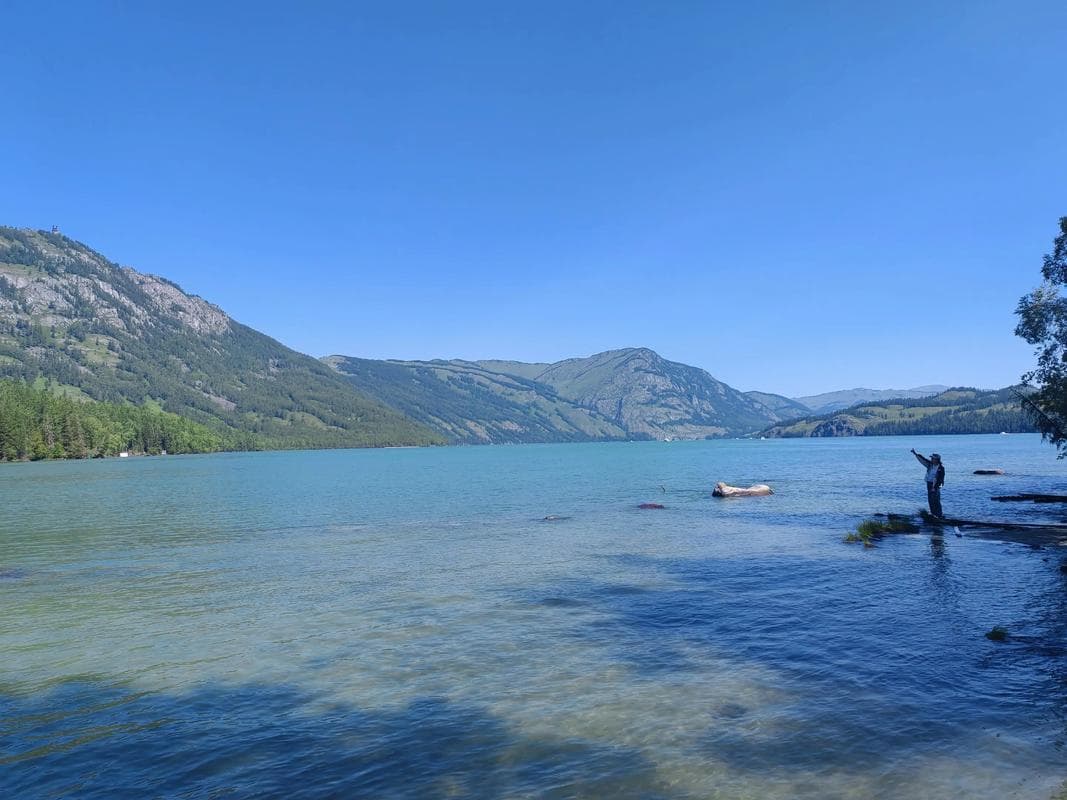
| Altay (Kanas, Hemu fringe) | High-mountain herding culture, fewer tourists | July–August |
| Kizilsu & Pamir fringe | Kyrgyz airag near Artux and Wuqia | June–September |
Etiquette: The Shared Bowl
Koumiss is almost always offered in a single shared bowl passed around the circle, or in small individual bowls refilled by the host. Never set the bowl upside down, and do not drain it and hand it back empty without a small nod of thanks. A few sips are enough to show respect; you are not expected to finish the whole sack. If you are offered the host’s own first pour, consider it a real honor.
Two practical notes for first-timers. Because koumiss is live and unpasteurized, travelers with sensitive stomachs or compromised immunity should start with a small amount. And although the alcohol level is low, it is not zero — if you are avoiding alcohol entirely for health or personal reasons, simply say you would prefer milk tea or plain yogurt instead; no herder will be offended.
Health Claims and Realities
You will hear bold claims around the grasslands: that koumiss cures stomach ailments, boosts energy, and “cleans the blood.” The truth is more modest. Koumiss is a good source of B vitamins, protein, and beneficial bacteria from fermentation, and its light fizz makes it easy to keep down when you are tired or altitude-dulled. Treat the folk-medicine stories as cultural color rather than medical advice, and you will enjoy it far more.
Buying and Carrying Koumiss
In summer you may find bottled or plastic-jug koumiss at Ili and Altay markets, but quality varies wildly and unrefrigerated product can spoil fast. My rule: drink it where it is made, fresh, within an hour of churning. If you must travel with it, keep it cold and consume the same day. 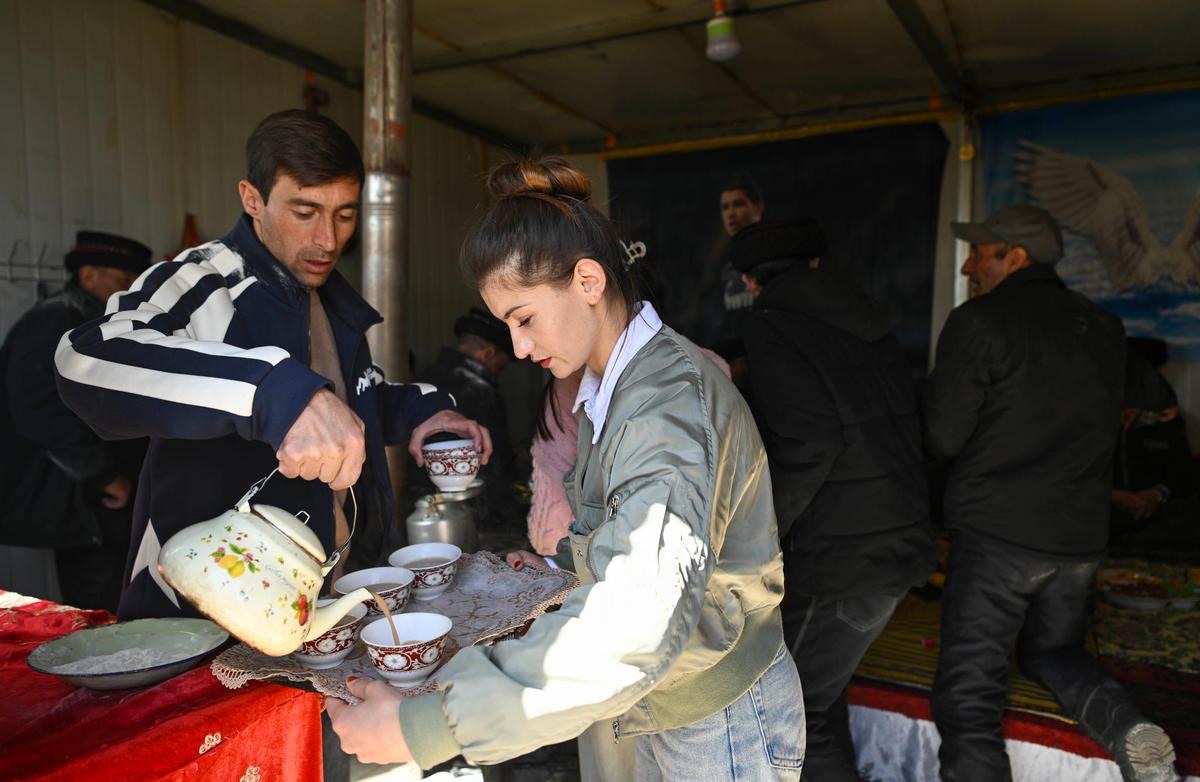
Pairing Koumiss with Xinjiang Food
Koumiss pairs naturally with the salty, meaty flavors of the steppe — sun-dried beef (kurt cheese balls), fresh naan and dairy from the broader Xinjiang food guide, and grilled lamb. Its acidity cuts through rich fat beautifully, which is exactly why nomads reach for it after a heavy meal of boiled mutton.
A Few Words to Know
If you want to order it yourself, a couple of phrases help. In Kazakh, ask for qymyz; in Kyrgyz, airag. Pointing at a herder’s bowl and smiling works just as well. Most hosts are delighted that a foreign visitor knows the drink at all, and the conversation that follows is often the best part of the experience. Note the spelling drift — you will see kumys, kumis, and koumis on signs across the region; they are all the same beloved drink.
The mistakes worth avoiding
The trap here: Koumiss safe for tourists to drink
For most healthy adults, fresh koumiss from a reputable herder is safe and delightful. Because it is unpasteurized, those with weak immune systems, pregnancy, or severe lactose intolerance should be cautious or skip it.
Where people slip: Koumiss taste like alcohol
Barely. The ethanol content is low and the dominant impressions are sour cream and gentle carbonation. You will feel a light lift, not a buzz, from a normal serving.
The usual error: Finding koumiss in winter
Authentic fresh koumiss is a warm-season drink. In winter you may see powdered or pasteurized versions in big-city supermarkets, but they are a pale imitation of the real thing.
Easy to get this wrong: Koumiss the same as kumis in russia
Yes — the word and the drink are shared across the Turkic and Mongolic steppe. Xinjiang’s version is shaped by local mare breeds and the Kazakh/Kyrgyz fermentation style, but the family resemblance is strong.
The trap here: Cost
In a herder’s yurt it is often free with hospitality. At markets a liter of bottled koumiss typically runs a few dozen yuan, depending on the region and season.
Where people slip: Alcohol break my dietary rules
If you avoid alcohol for any reason, tell your host and ask for milk tea or plain yogurt instead. The gesture of sharing matters more than the specific drink.
Koumiss is one of those travel experiences that rewards curiosity: sit down, take the bowl, and you are no longer a spectator of steppe life but a participant in a tradition older than the Silk Road itself.