What to Wear in Xinjiang: A Layering System for Deserts and Glaciers
Xinjiang fooled me on day two. I left Kashgar at 8 a.m. in a T-shirt, sweated through the Taklamakan heat by noon, and shivered at 3,000 meters on the Pamir by dusk. Within one region the temperature swung 25°C. The single mistake most first-time visitors make is packing for one season. Xinjiang spans glaciers and sand seas, and the right clothing is the difference between a great trip and a miserable one. Here is what actually works on the ground, after five trips and every weather extreme the region can throw at you.
Why Layering Wins in Xinjiang
Forget the suitcase full of single-purpose outfits. The system that works across the region is three layers: a wicking base, an insulating mid-layer (fleece or light down), and a wind- and water-resistant shell. You add or drop layers through the day instead of changing clothes. This matters most on the Pamir and around Kanas, where mornings sit near freezing even in July and a single T-shirt is a liability by sunset.
The Two Items That Earned Their Place
A polyester sun hoodie (UPF 50+) and a neck buff. The hoodie protects your neck and ears without a hat getting in the way of photos; the buff doubles as a dust mask on desert roads and a face warmer at altitude. Both are cheap, light, and you will use them daily from the Tarim to the Tianshan. I now buy a fresh buff every trip because the old one is always filthy from the wind.
Regional Clothing Cheat-Sheet
What you wear depends heavily on where you are. Use this as a starting point and adjust by elevation, not by the city forecast:
| Region | Day | Night | Must-pack |
|---|---|---|---|
| Tarim Basin / Turpan | 35-45°C summer | 20-25°C | Sun hoodie, wide hat, light scarf |
| Pamir Plateau | 15-25°C | 0-10°C | Fleece, shell, buff, sunglasses |
| Kanas / Altai | 18-28°C | 5-12°C | Light down, rain layer, bug spray |
| Ili grasslands | 20-30°C | 10-15°C | Breathable layers, good walking shoes |
Sun Protection Is Not Optional
The UV on the Pamir and around Sayram Lake is brutal – I burned through a “daily” sunscreen in two days. Bring a high-SPF sunscreen (SPF 50+) and reapply every few hours, not once in the morning. Add wraparound sunglasses because the glare off snow and sand is real and can trigger headaches; a wide-brim hat or the sun hoodie, since a baseball cap leaves your ears and neck exposed; and a lip balm with SPF, because cracked lips are the most common complaint I hear from travelers who skipped it.
Footwear: The One Thing to Get Right
You will walk more than you expect – across loose gravel at Karakul, up the Tianshan red canyons, through Kashgar’s old-town lanes. A single pair of broken-in trail shoes or sturdy sneakers beats fancy boots you have not worn. I bring one pair of trail shoes and one pair of sandals for hotel showers and night markets, and that is enough for any itinerary the region offers.
Dress and Local Culture
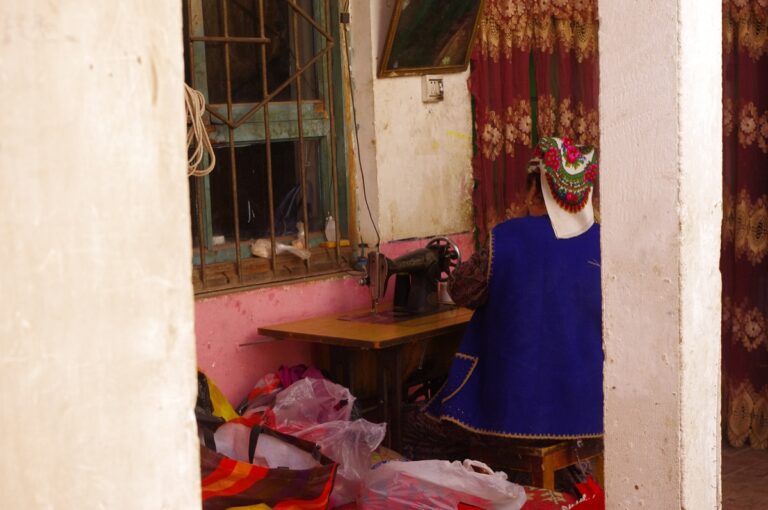
Xinjiang is conservative in many rural and religious areas. Shoulders and knees covered read as respectful, especially at mosques and in village homes. You do not need to dress like a local, but avoid short shorts and crop tops when visiting religious sites or staying with families. A lightweight long shirt solves both heat and modesty at once, and packs smaller than you think.
What I Pack Every Time
A short, repeatable list beats a long one. Mine, refined over years:
| Item | Why |
|---|---|
| Sun hoodie + buff | UV, dust, cold – all day, every day |
| Light down jacket | Packs tiny, saves cold nights |
| Shell jacket | Wind on the plateau, sudden rain |
| Broken-in trail shoes | Most walks are unpaved |
| Wide hat + SPF lip balm | Prevents the classic burn |
This dovetails with the fuller checklist in our complete seasonal packing list, which covers gear beyond clothing – chargers, documents, and the small stuff people forget.
What NOT to Bring
Just as useful: skip the heavy suitcase of “outfits,” the fancy boots, and the single thick coat you plan to live in. One thick coat fails the moment you are hot at noon and cold at midnight; layers beat it every time. Leave the iron and the dress shoes at home unless you have a specific event, which in Xinjiang you almost certainly do not.
Kids and Families: Dressing the Small Travelers
If you are traveling with children, the layering rule matters twice as much because kids get cold and hot faster than adults and rarely say so until it is a problem. Pack one extra mid-layer per child, a sun hoodie in a bright color you can spot across a car park, and closed-toe shoes they can run in – the old-town lanes and scenic boardwalks are unforgiving on sandals. A small daypack with their own water, a hat, and a spare T-shirt turns a meltdown into a five-minute fix. Our family travel guide covers the wider logistics, but on clothing the principle is the same as yours: layers, sun protection, and one warm thing they will actually wear without a fight.
Rain, Wind, and the Unexpected
Xinjiang is dry, but the mountains make their own weather. I have been caught in a sudden hailstorm above Karakul and a wall of wind on the Duku that dropped the feel-like temperature twenty degrees in minutes. The shell jacket is what earns its place here – not for the rain you expect, but for the weather that appears from nowhere. Keep it in the car even on blue-sky mornings, because the sky over a 3,000-meter pass does not care about your plan, and a wet traveler is a cold traveler by the next stop if you are not ready for it.
Questions people keep asking
Do I really need a warm layer in summer?
Yes, if you leave the basin. Kashgar and Turpan are furnace-hot by day, but the Pamir, Kanas, and any mountain pass drop sharp at night. A light down jacket that compresses to a fist is the safest money you will spend on the whole trip.
Are there dress-code rules I should follow?
Cover shoulders and knees at mosques and in village homes; otherwise normal travel clothes are fine in cities. Our guide to Xinjiang in winter also notes how locals dress for the cold season if you are visiting then, when the rules are about warmth more than modesty.
Can I buy clothes locally if I forget something?
Easily, and cheaply. Urumqi and Kashgar have huge bazaars with fleeces, hats, and sunglasses at a fraction of home prices. Sizing runs small by Western standards, so try things on or size up before you buy, and check zippers – the very cheapest stalls move fast.
What about laundry on a long trip?
Most hotels wash for a fee; guesthouses often have a line. Quick-dry fabrics are your friend – a sun hoodie and base layer wash in the evening and dry by morning in the dry climate, so you can travel light and still stay clean.
Is technical gear necessary, or will normal clothes do?
Normal clothes work if they layer. You do not need mountaineering kit. The non-negotiables are sun protection and one warm layer; everything else is comfort, and the comfort items are cheap to add as you go.
How do I dress for the cold season specifically?
Winter means real cold – minus 20°C in the north. Add a proper insulated jacket, thermal base layers, and real boots. Daylight is short, so plan outfits you can keep on all day, and keep a spare dry pair of socks in the car for after snowy walks.
Pack for the temperature swing, not the forecast screenshot. A sun hoodie, a buff, a light down, and broken-in shoes carried me through deserts and glaciers alike. Get the layers right and Xinjiang’s weather stops being a problem and starts being part of the scenery.