Uyghur Traditional Medicine in Xinjiang: A Traveler’s Guide to Tibb, Herbs, and the Silk Road’s Healing Legacy
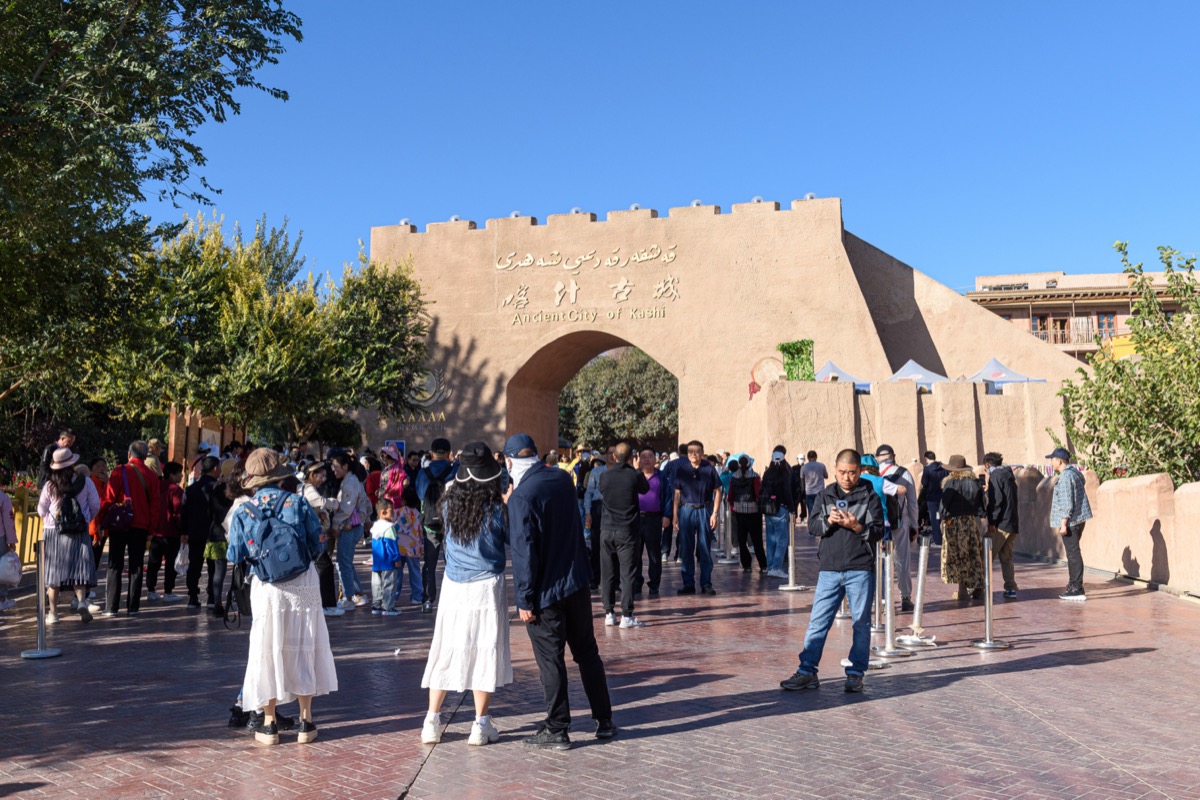
Walk through Kashgar Old City and you will pass shops piled with fragrant roots, seeds, and powders — Uyghur traditional medicine, known as Tibb. Long before modern pharmacies, this system kept Silk Road travelers alive across deserts and mountains. I was skeptical at first, but after watching an elderly hakim (physician) read a patient’s pulse and prescribe a custom herbal mix, I understood why it endures. This guide explains what Uyghur medicine is, where you can experience it, and how to approach it as a curious, careful traveler.
What Is Uyghur Traditional Medicine (Tibb)?
Tibb is one of China’s recognized ethnic medical systems, and its roots are strikingly cosmopolitan. It draws on the Greek humoral theory passed down through Avicenna’s Canon of Medicine, blended with Persian, Indian (Ayurvedic), Arabic, and Han Chinese influences that met along the Silk Road. For over a thousand years, hakims in Kashgar, Hotan, and Yarkand treated illness by balancing the body’s internal states using diet, herbs, manual therapies, and lifestyle rules. Today it is practiced in hospitals, clinics, and family shops across southern Xinjiang, and is listed as national intangible cultural heritage.
The Four Humors and the Uyghur View of the Body
Like its Greco-Persian ancestors, Tibb sees health as balance among four bodily fluids, each linked to an element and a temperament. Treatment aims to correct excess or deficiency of one humor.
| Humor (Uyghur) | Element | Temperament when balanced |
|---|---|---|
| Sapra (yellow bile) | Fire | Warm, energetic, decisive |
| Qan (blood) | Air | Cheerful, sociable |
| Balgam (phlegm) | Water | Calm, steady |
| Sawda (black bile) | Earth | Reflective, thoughtful |
Why this matters to a visitor
A hakim often begins with pulse diagnosis and a question about your digestion, sleep, and mood — not a symptom checklist. The prescription is usually a personalized blend, because the same complaint can mean different humoral imbalances in different people.
Common Treatments Travelers Encounter
Herbal mixtures and teas
Dried herbs, resins, and seeds are weighed and mixed to order. Common ingredients include licorice, safflower, fenugreek, and various local roots. You may be given a tea to brew or a powder to stir into water.
Massage and bath (hamam) therapies
Many clinics pair herbal oil massage with steam-bath routines to “open the pores” and shift the humors. It is closer to a wellness ritual than a spa treatment, and it can be genuinely relaxing after days on the road.
Oil therapies and bandaging
For joint or stomach complaints, hakims may apply warmed herbal oils or abdominal bandages. These are traditional practices; treat them as complementary, not a substitute for urgent care.
Where to Experience It in Xinjiang
Kashgar
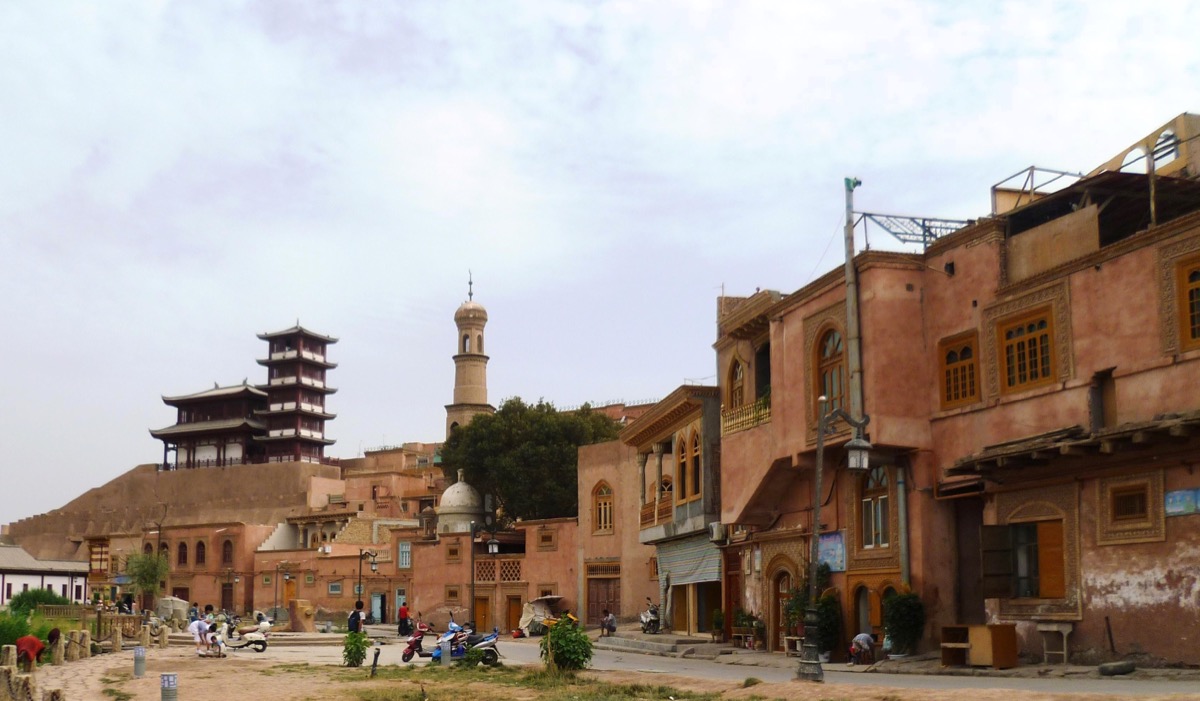
The old city and its surrounds are the heartland. Small shops sell single herbs and ready blends, while the city’s Uyghur medicine hospital offers formal consultations. Wandering the lanes, you will see the practice woven into daily life rather than staged for tourists.
Urumqi and Hotan
Urumqi has research institutes and hospitals with Tibb departments. Hotan, deep in the south, keeps strong herbal traditions and markets worth a visit for the sheer variety of materia medica.
What Travelers Should Know Before Trying Tibb
| Do | Don’t |
|---|---|
| Choose a licensed clinic or hospital department | Buy unlabeled powders from unknown vendors |
| Tell the hakikm all your medications | Stop prescribed drugs abruptly |
| Keep receipts and ingredient lists | Assume “natural” means risk-free |
| Use it as a complement to care | Rely on it for emergencies or infections |
For anything serious, the regional safety and health guidance for Xinjiang lists how to reach proper medical care. Tibb is a cultural experience first; let mainstream medicine handle real emergencies.
A Sample Consultation, Step by Step
In a typical clinic visit, the hakim first asks about your sleep, appetite, digestion, and mood, then takes your pulse at several points on both wrists, often with eyes closed, for a few minutes. From that they name your dominant humor and hand you a paper prescription of weighed herbs. You take it to an on-site dispensary where the mix is bagged. A consult can take 20 to 40 minutes: far slower and more personal than a Western walk-in, and oddly relaxing once you stop expecting a quick fix.
Common Herbs You Will See on the Shelves
| Herb or material | Traditional use |
|---|---|
| Safflower (hong hua) | Circulation, warming blends |
| Licorice (gan cao) | Soothing, harmonizing mixes |
| Fenugreek (hu lu ba) | Digestion, strength tonics |
| Black seed (habba sawda) | General wellness, widely credited |
| Resins and gums | Bandages, external plasters |
The Humoral Diet: Food as Medicine
A surprising part of Tibb is everyday food. Hakims often adjust diet before herbs: warming foods like mutton and ginger for cold constitutions, cooling foods like cucumber and pomegranate for hot ones. You will notice this logic in Uyghur home cooking already — the balance of grilled meat with raw onion, the use of cumin and black pepper, the emphasis on seasonal fruit. Experiencing Tibb is partly just eating across Xinjiang with a little more attention.
Etiquette and What It Costs
Bring a translation app; most hakims speak Uyghur or Mandarin, not English. A consultation is usually inexpensive by Western standards, and herbal mixes are cheap. Tipping is not expected. If you photograph a shop, ask first: many owners are happy to explain their craft, and that conversation is often the best part of the visit.
How to spot a reputable shop
Look for a clinic attached to a hospital or a licensed dispensary with labeled drawers and printed receipts. Avoid vendors who promise cures for serious disease or push expensive miracle powders with no ingredient list. A good hakim explains what each herb does and writes it down, and will tell you plainly when something is outside their scope. I once watched a hakim decline to treat a traveler’s infection and point him to the hospital instead; that honesty is exactly what you want to see, and it is far more common than the desperate-cure stories suggest.
Tibb Alongside the Modern Pharmacy
Xinjiang’s cities have excellent modern hospitals, and many locals use both systems: Tibb for chronic, lifestyle, and wellness concerns, and mainstream medicine for acute illness, injury, and infection. As a visitor, enjoy Tibb as a window into a living Silk Road tradition, and keep your travel insurance and the regional health guidance close for anything that actually worries you.
The awkward situations, handled
If this happens: Uyghur medicine scientifically proven
Parts of it — herbal anti-inflammatories, steam therapy for relaxation — have plausible effects, and some ingredients are studied in labs. But much rests on traditional theory rather than large clinical trials. Enjoy it as heritage and complementary care.
When it goes sideways: Buying uyghur herbal remedies to take home
Yes, at licensed shops, but check your home country’s rules on importing plant material and animal-derived ingredients before you pack them. Keep ingredient lists and receipts.
If you run into this: Safe alongside my regular medication
Not automatically. Some herbs interact with blood thinners, diabetes, or blood-pressure drugs. Always tell the practitioner what you take, and ask your own doctor if unsure.
On the ground: There clinics for foreign visitors
Yes, especially in Kashgar and Urumqi, where hospitals have Tibb departments used to international patients. Bring a translator app; English is limited.
If this happens: Different from chinese medicine
Both are holistic, but Tibb is built on the Greek four-humor model via the Islamic world, while Chinese medicine uses meridians and qi. Their herb lists overlap but their logic and diagnosis differ.