Xinjiang Samsa & Roast Buns: The Tandoor Baker’s Guide
Walk past any Uyghur bakery in Xinjiang and you will hear the thud of a paddle and smell rendered fat and baked dough: that is samsa (萨木萨), the region’s answer to the samosa, a palm-sized bun of flaky pastry wrapped around lamb, onion, and cumin, baked stuck to the inner wall of a clay tandoor. It is breakfast, snack, and travel food in one, and it is one of the cheapest joys in the region. Here is what to know before you bite.
The case for visiting
Samsa came to Xinjiang along the Silk Road from Central Asia, kin to the samsa of Uzbekistan and the samosa of the subcontinent, but the Xinjiang version is distinct: a laminated dough closer to a pie crust than a filo, baked upright in a tandoor so the bottom crisps against the hot wall while the top stays tender. The classic filling is diced lamb (often with a little tail fat for richness), onion, and cumin, though pumpkin, potato, and chicken versions are common.
Getting There (to the Best Ones)
Samsa is everywhere, but the best come from dedicated bakeries with a busy tandoor and a fast turnover. In Urumqi, the streets around the International Grand Bazaar and the older Hui and Uyghur quarters are packed with them. In Kashgar, the old city bakeries near Id Kah Mosque are excellent. Look for a stack of golden buns on a tray by the oven and a queue of locals, the surest sign of quality.

Best Time and How to Eat
Samsa are made fresh through the day, but the early morning and late afternoon batches are hottest and flakiest; a 3-5 yuan bun eaten within minutes of the oven is the platonic ideal. Eat it by tearing the top, letting the steam out, and dipping the soft inside in a little black tea. They keep reasonably for a few hours, which is why they are the go-to road food on long bus rides across the region.
What to Look For
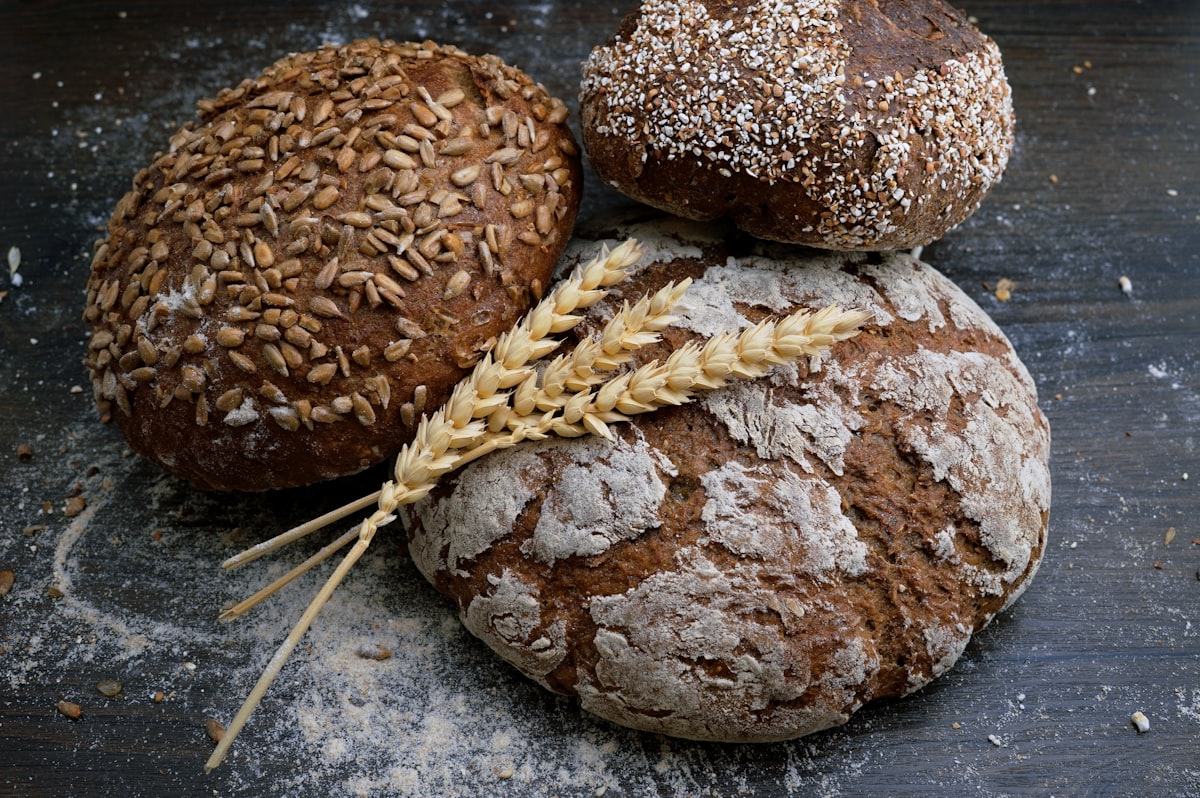
- Layers: a good samsa shows distinct flaky rings where the dough was folded.
- Juice: lamb samsa should be moist inside, not dry; a little rendered fat is the point.
- Shape: round (Uyghur) vs. triangular (some Hui bakeries) is a style, not a quality mark.
- Filling ratio: avoid buns that are mostly dough; the best are half filling.

What to sort out early
Carry small cash; many bakeries are card-shy. If you have a wheat sensitivity, note that everything here is wheat. Vegetable samsa (pumpkin, potato) exist for non-meat eaters, but confirm they are cooked separately. A paper sleeve keeps the grease off your hands on the move.
The mistake I made the first time
That is the number of hours the visit needs. I assumed two hours would be plenty. It was, in the sense that I saw everything, and it was ruined in the sense that I saw everything at the same hour with the same crowd, and I spent the drive home meaning to come back and never did. What I would tell the version of me who planned it: put the slow hours in, not the fast ones. I did come back the following trip, at seven in the morning, and it was a different site.
The whole point of coming this far is to have the place to yourself for a while, and that only happens if you are willing to be there when it opens or when it is nearly shut. The other mistake is about distance on the map. The gate is not the site. There is a shuttle, a walk, sometimes another shuttle, and the stretch everybody underestimates is between the second gate and the thing you crossed the country to see. So: work out how far it is from where the vehicle drops you to the feature, then double it.
The evening version of that plan is in our [[xinjiang-samsa-baked-lamb-buns-guide|Samsa (Baked Lamb Buns): Where to Find the…]].
A second look on day two
The second time you can skip the obligatory viewpoint and walk along the base of the ridge where the light comes in sideways, and that is the photograph you keep. I did, and the second visit was better, because the first had been spent working out where to stand. Almost nobody does Xinjiang Samsa Roast Buns twice. If your itinerary has a spare morning, spend it here again rather than at the bigger name on the far side of town. Where most people get the logistics wrong is covered in our [[xinjiang-samsa-pastry-guide|Xinjiang Samsa: The Clay-Oven Pastries That…]].
Nearby Bites
Samsa shares the bakery with naan (the flat round bread baked on the tandoor floor), and often göshnan (a larger fried meat pie) and pitimanta (steamed dumplings). Buy a samsa and a naan together and you have a perfect picnics-to-go for a day of sightseeing.
The short of it
There is a reason samsa is the first thing many travelers remember about Xinjiang food: it is immediate, honest, and impossibly cheap for the pleasure it delivers. Find a hot tandoor, take one straight from the wall, and you are eating exactly what travelers on this route have eaten for a thousand years, with almost nothing changed but the price. It is the single best street food in the region, and the easiest to love.