Xinjiang Cooking Classes and Food Experiences: Learn to Make Uyghur Dishes Hands-On
The best souvenir from Xinjiang is not a carpet or a bag of dried apricots, it is knowing how to make the food when you get home. Across the region, a growing number of family kitchens, guesthouses, and cultural centers offer hands-on cooking experiences where you knead naan, pull laghman noodles, and fold dumplings alongside local cooks. I took a half-day class in a Kashgar courtyard last spring and have been recreating the sesame naan ever since. Here is how to find and enjoy a Xinjiang cooking class, what you will actually make, and how to get the most from it.
What a Typical Class Looks Like
Most classes run two to four hours and are built around one or two signature dishes. You stand at a low table or traditional sandang, a low dining platform, and a cook talks you through each step in a mix of demonstration and hands-on practice. Expect to get flour on your sleeves. Classes are small, often two to eight people, and almost always end with sitting down to eat what you made, usually with tea and sometimes a full spread of family dishes.
The Dishes You Can Learn
| Dish | Skill you learn | Where common |
|---|---|---|
| Naan | Shaping and baking in a tandoor-style oven | Kashgar, Urumqi, Hotan |
| Laghman | Hand-pulling belt noodles | Urumqi, Yili, everywhere |
| Manta, steamed dumplings | Folding and steaming | Urumqi, northern towns |
| Polo, pilaf | Layering rice, carrot, and lamb | Kashgar, southern oasis towns |
| Samsa, baked buns | Filling and baking in a tandir | Kashgar, Turpan |
Where to Book
In Kashgar’s Old Town, several courtyard guesthouses and women-led home kitchens host regular classes; ask at your guesthouse or look for community tourism notices. In Urumqi, cultural centers and a few well-reviewed cooking studios run English-friendly sessions. Yili and the Ili valley offer farmhouse experiences where the class is part of a broader food day. Prices typically run from about 120 yuan per person for a short naan session to 300 yuan plus for a multi-dish feast with a meal included.
Questions to Ask Before You Book
Confirm the language of instruction, whether the class is private or shared, what you take home, often the food, sometimes a recipe card, and if vegetarians can be accommodated. Most hosts are happy to adjust, but saying so in advance avoids a lamb-heavy surprise. For a sense of the broader edible landscape you will be cooking from, start with our full Xinjiang food guide.
Making the Most of It
Arrive hungry and curious. Watch the hand movements, pulling laghman is about rhythm, not force, and you will fail the first time, which is part of the fun. Take photos of each stage; the sequences are hard to remember. Ask about spice blends, the cumin-and-chili base, the nigella seeds on naan, because those are what you cannot buy in a supermarket back home. If you love the street version of these dishes, our Kashgar food guide pairs well with a class there.
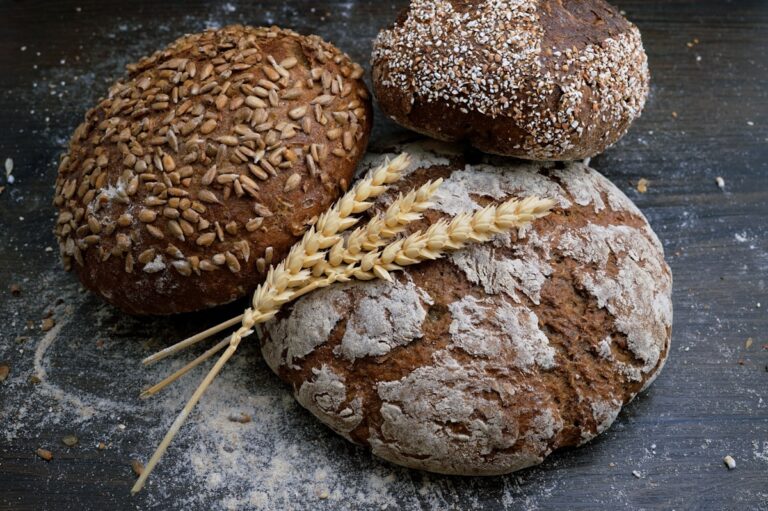
If your schedule is tight, prioritize a naan or samsa class over a full multi-dish session. Bread-baking is the most photogenic and the skill that travels best, and you leave with warm bread in your hands the same morning. Laghman pulling is the most fun to watch but harder to replicate without a noodle partner back home.

What it actually costs, line by line
| Item | What it costs | Note |
|---|---|---|
| cost | 350 yuan | Budget roughly 120 to 350 yuan per person depending on length and how many dishes. Private classes cost more than shared ones. |
The numbers above are what I paid on my own trips; add roughly a fifth for a private car and driver if you are travelling with someone else. Anything marked roughly is a bazaar price in high season, and it moves with demand.
Etiquette and Cultural Notes in the Kitchen
A cooking class is also a window into Uyghur and Kazakh hospitality, so a little etiquette goes a long way. Wash your hands before touching food, and when the meal is served, wait for the eldest person or your host to start. If tea is poured for you, it is polite to cup the bowl with both hands or tap two fingers on the table in thanks. Avoid sticking chopsticks upright in rice, and do not waste food, it is considered disrespectful when a family has cooked for you. Most hosts are relaxed with foreigners who clearly mean well, but these small gestures are remembered and rewarded with stories you will not find in any guidebook.
Buying the Right Ingredients Afterward
One unexpected benefit of a class is learning what to shop for. You will discover the difference between the chewy local wheat flour, the block cumin, the red chili flakes, and the nigella and sesame used on breads. In Kashgar’s markets and Urumqi’s grocery streets you can then buy the real versions to take home, rather than the tourist-packaged look-alikes. Ask your host which brand or stall they use; that single tip is worth more than any souvenir.
A Sample Half-Day Class Itinerary
To set expectations, a typical morning class runs like this: arrive at 9:30, meet the host over tea, watch a 20-minute demo of dough making, then hands-on practice for an hour, oven or stove time while the bread or noodles cook, then a shared late breakfast or lunch around 12:30. Afternoon classes mirror this with a dinner finish. Build the rest of your day loosely around it; you will be full and happy afterward, so plan light activities post-class.