
Spring in Xinjiang: A Seasonal Travel Guide (March–May)
Spring in Xinjiang is a transitional shoulder season that spans late melting snow, early apricot blossoms, and sudden windy spells, and this guide compiles what public sources and traveler reports describe about it rather than a single personal trip.
Spring in Xinjiang: What the Season Actually Delivers
The information below is compiled from public park data, operator schedules, and traveler reports. The author Karl Huang has not personally documented a spring trip to Xinjiang for this topic, so the descriptions reflect what official sources state and what visitors have posted, not a first person account. According to park operators and regional tourism bureaus, March is still winter like in the mountains with patches of melting snow at lower elevations, while April brings the famous apricot blossoms to the Ili Valley, and May settles into a greener, warmer shoulder season across both north and south Xinjiang.
Travelers report that the season is unofficially called the windy season on the northern plains and around the Turpan basin, where spring gusts can delay road travel. Official weather summaries from regional stations note that March and April see the highest wind frequencies of the year in several lowland counties. This is useful context before you book, because the same month that gives you empty trails and low hotel rates also gives you dust and closed mountain passes.

The essentials
Xinjiang covers a huge area, roughly the size of Western Europe, so spring does not arrive everywhere at once. Southern oasis towns like Kashgar warm up weeks before the Tianshan Mountains passes open. Key facts travelers should note:
- Season window: mid March to late May, with the strongest blossom period in early to mid April in Ili.
- Signature event: apricot blossoms around Turgen and the wider Ili Valley, typically a 10 to 14 day window.
- Weather pattern: melting snow at altitude, windy season in the basins, rapid day to night temperature swings.
- Crowd level: low compared with summer, which is why many call it a true shoulder season.
- Access: some high passes such as Duku Highway usually open only from June, so spring routes stay on the plains and lower valleys.
The table below compares how spring behaves in the two main halves of the region, based on traveler climate summaries.
| Factor | North Xinjiang in Spring | South Xinjiang in Spring |
|---|---|---|
| Typical warm up | Late April to May | March to April |
| Headline sight | Apricot blossoms, green valleys | Desert oases, early fruit |
| Wind risk | Moderate to high | High in Taklamakan fringe |
| Snow at altitude | Common through April | Rare, only on far peaks |
| Peak blossom | Turgen area, early April | Low, scattered orchards |
The last stretch of road
Most international and domestic travelers reach Xinjiang by air into Urumqi Diwopu International Airport, which connects to major Chinese hubs year round. From Urumqi, spring visitors heading to the blossoms typically take a regional flight or an overnight train to Yining, the gateway to the Ili Valley. Official timetables list multiple daily flights to Yining in spring, with train options that run through the night.
For those focusing on southern springs, flights to Kashgar and Hotan operate regularly, and the road network between oasis towns is open year round. Travelers report that renting a car with a driver is the most flexible option in spring because blossom sites such as Turgen apricot blossoms are spread out and local buses are limited during the low season. Long distance coaches also run but are slower and less frequent in March.
Note that spring is the windy season on some routes, and traveler forums mention occasional highway holds near the Gobi corridors when dust storms pass. Build buffer time into any self drive plan.
Cost of getting in
Prices below are compiled from public scenic zone notices and traveler expense reports, and they should be read as ranges to confirm locally. Spring is a shoulder season, so many tickets sit at the low season rate before the June peak.
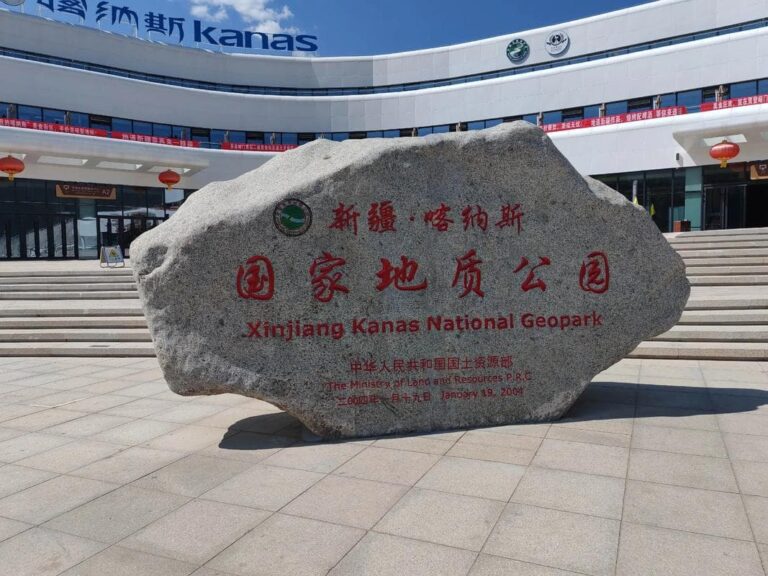
- Kanas scenic zone peak entry: 160 RMB as of 2025, with spring shoulder rates often quoted around 90 to 120 RMB, confirm locally.
- Turgen apricot blossom festival area: local village and orchard entry often 30 to 60 RMB in 2025, some viewing points free, confirm locally.
- Yining city museums and parks: mostly free to 20 RMB as of 2025.
- Regional flight Urumqi to Yining: roughly 400 to 800 RMB round trip depending on date, book early in blossom week.
- Driver rental for Ili loop: around 500 to 900 RMB per day in 2025 including fuel, confirm locally.
For a fuller picture of daily spending, see our Xinjiang travel budget breakdown, which lists real daily costs for 7 day and 2 week trips.

Which months to aim for
For photography and mild weather, the best window inside Spring in Xinjiang is the first three weeks of April, when the Ili apricot blossoms peak and the windy season is not yet at its worst. Travelers report that the precise bloom shifts by altitude and weather, so following local bloom alerts in late March is the safest approach. May is better for general sightseeing and trekking at lower elevation because melting snow has cleared from the valleys and hotel rates stay below summer peaks.
If your priority is solitude and low cost, March is the deepest shoulder season, but expect cold mornings and limited mountain access. If your priority is the pink wave of orchards, target early April around Turgen. Our best time to visit Xinjiang guide compares this against summer and autumn in detail.
The itinerary I would follow
The following 3 day spring sample centers on the Ili Valley and is built from operator schedules and traveler route reports. Clock times are typical, not guaranteed, because spring light and wind change plans.
| Day | Time | Activity | Notes |
|---|---|---|---|
| Day 1 | 08:00 | Flight Urumqi to Yining | Arrive mid morning, collect driver |
| Day 1 | 12:30 | Lunch in Yining old town | Try hand pulled noodles, confirm halal spots |
| Day 1 | 15:00 | Walk Yining riverside park | Early green, few crowds |
| Day 2 | 07:30 | Drive toward Turgen orchards | Blossom window, start before wind picks up |
| Day 2 | 10:00 | Apricot blossom viewing at Turgen | Peak pink usually late morning light |
| Day 2 | 14:00 | Village lunch and orchard walk | Local homestay meals, confirm price |
| Day 2 | 17:30 | Return to Yining | Avoid late dust if windy season active |
| Day 3 | 09:00 | Yining market and museum | Spring produce, dried fruit shopping |
| Day 3 | 13:00 | Transfer to airport | Buffer for spring wind delays |
Travelers report that building a half day buffer into Day 3 is wise because spring wind advisories can slow the Yining to Urumqi return. For a wider regional plan, Yining & the Ili Valley covers more loop options.
Sleeping in the centre
In Yining, traveler reports describe a range from budget chain hotels near the bus station to mid range riverside properties. Spring rates are lower than summer, with standard rooms often quoted around 200 to 400 RMB per night as of 2025. Around Turgen, a few orchard homestays open during the blossom weeks, and travelers note they fill quickly in early April, so booking ahead is recommended.
In southern spring routes, Kashgar’s old town has restored guesthouses that travelers rate for atmosphere, with spring doubles commonly 250 to 500 RMB. Official tourism pages suggest confirming heating availability in March, since nights remain cold during the melting snow period. Wherever you stay, ask about cancellation terms because spring wind and blossom timing can shift plans.

What & Where to Eat Nearby
Xinjiang’s spring menus follow the season. Travelers report that in Ili you will find fresh herbs, lamb skewers, and hand pulled laghman noodles in Yining’s night market. Around the blossom villages, homestays serve simple plates of polo (rice with carrot and lamb) and fermented milk drinks. In southern towns, the spring market is the highlight: dried apricots from the previous year, fresh greens, and naan baked in roadside tandoors.
According to traveler expense notes, a market street meal runs roughly 25 to 50 RMB, while a homestay dinner is around 60 to 100 RMB per person in 2025. Vegetarian options exist but are limited outside cities, so confirm when booking rural stays. The spring market photo above shows the kind of produce stalls travelers describe in March and April.
Local practicalities
- Pack layers: melting snow means cold mornings and warm afternoons, even in April.
- Track wind advisories: spring is the windy season in basins, and dust can halt road plans.
- Confirm blossom timing locally: the Turgen peak shifts by weather, follow late March alerts.
- Carry cash for village orchards and small markets where cards may not work.
- Book blossom homestays early: they open only for the short April window.
- Check pass status: high routes like Duku stay closed in spring, plan plains and valleys only.
- Confirm all prices and opening dates on arrival, since this guide uses public ranges, not live rates.
Straight answers to common questions
Is spring a good time to avoid Xinjiang crowds?
Yes. Traveler reports consistently describe March and April as the quietest months outside winter, with empty trails and low hotel rates, which is why spring is treated as a shoulder season rather than peak travel.
Do the apricot blossoms only appear in Turgen?
No. The Turgen area is the most reported site, but orchards across the Ili Valley and some southern oasis towns show scattered blossoms. Travelers note Turgen is the most photographed because of its dense hillside groves.
Can I drive the Duku Highway in spring?
Generally no. Official notices list Duku as a summer only route, usually opening in June after snow clears. Spring plans should stay on open plains and lower valleys to avoid closed passes.
How cold are spring nights during the melting snow period?
Traveler climate notes put March nights near freezing in the north, while April and May nights range from single digits to low teens Celsius depending on altitude. Packing warm layers is standard advice.
Are spring wind delays common on flights?
Some travelers report spring dust and wind advisories affecting ground transfers more than flights, but Yining returns can slow. Building a buffer day is the practical fix most visitors suggest.
What makes spring cheaper than summer here?
Because it is a shoulder season with cooler weather and no major school holidays, scenic zones and hotels often hold low season rates. Public notices show Kanas spring entry well below the June peak, for example.
Should I visit north or south Xinjiang in spring?
It depends on your goal. North delivers the apricot blossom experience and green valleys, while south offers earlier warmth and desert oasis culture. The comparison table above sums up the split.