Xinjiang Milk Tea: Why It Tastes Nothing Like the Sweet Version You Know
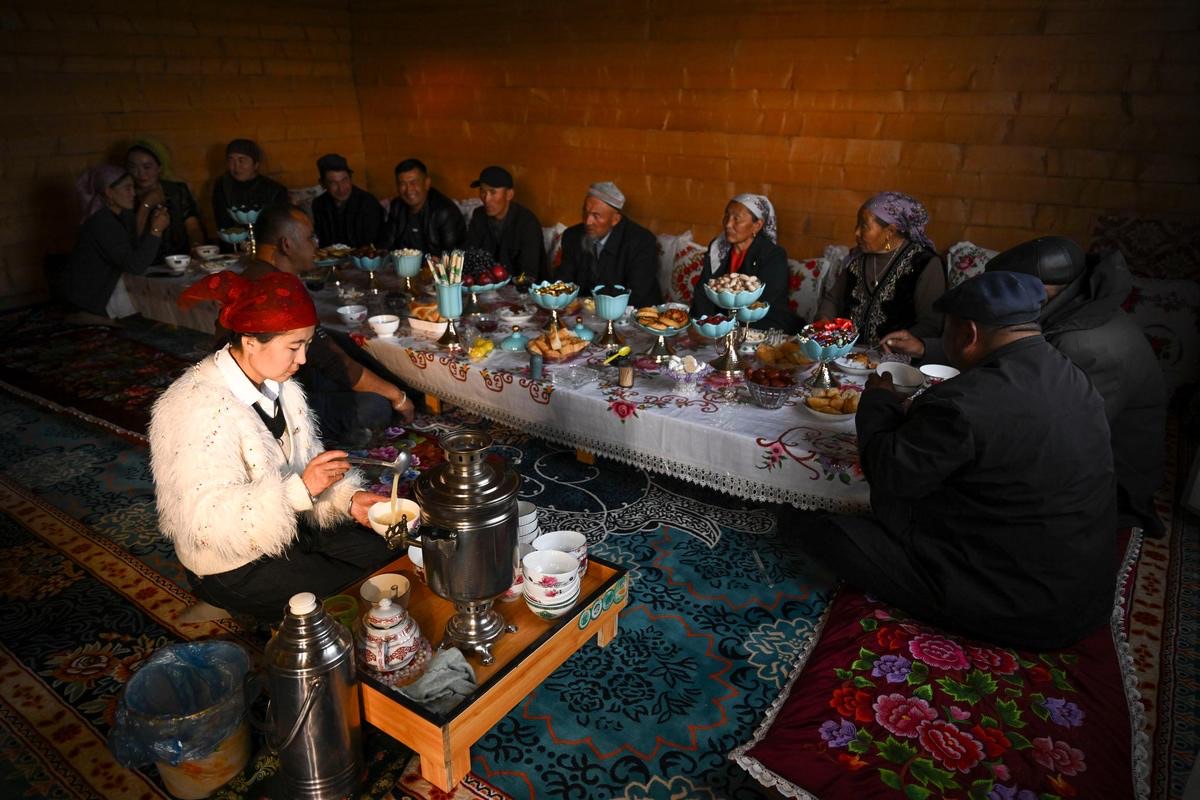
The first cup of nai cha I was handed in Kashgar came with no explanation at all. It arrived at a low table under a grapevine in the old city, steaming in a thick ceramic mug, and it tasted like something between a broth and a drink. Salty. Slightly sour. Rounded and heavy from milk, with a bitter edge underneath that I could not place. My host saw my face and laughed, then poured me a second one and pointed at his own mug. That was the lesson: in Xinjiang, tea is savoury, and the version you know from a Western café is the one that does not belong here.
What Nai Cha Actually Is
Every bowl starts with a dark brick tea, pressed into bricks and sold by weight, that gets boiled hard for a long time until it turns nearly black and loses its leaf entirely. That concentrated liquid is the base. Milk goes in next, usually cow’s milk, and it is the ratio that makes the difference between a house that does it well and one that sells you warm milk with a tea colour. Salt goes in last, and this is the part that surprises people. A pinch, sometimes a little more, and it pulls the whole thing together the way a pinch of salt does in a soup.
What it is not is a dessert drink. There is no sugar in the traditional version, no pearls, no cream foam on top. If someone hands you something sweet and bubbly with a wide straw, you are in a café built for tourists, not in a Uyghur teahouse.
Where the Salty Version Comes From
The taste makes more sense once you understand the climate. Xinjiang is dry and cold for months, and people worked long days hauling water, watching flocks, or sitting in roadside tea rooms for hours. Salt in hot liquid replaces what you lose in sweat, and the milk gives you fat and calories to carry you. Tea was the social glue, and a pot of it sat in the corner of almost every shop.
That is also why nai cha shows up at the strangest hours. I have been served it at seven in the morning before a day of photography, at midday in a filling station off the Karakoram Highway, and once at eleven at night in a Urumqi courtyard after a long argument with a carpet dealer that had gone on too long.
How to Order It Without Staring
Most shopkeepers in the south speak enough Mandarin to handle a simple request, and a written line on your phone settles it faster than pronunciation. The usual phrase is a plain one: tea with milk, no sugar. If you want it weaker, say so and they will shorten the boil. If you want it stronger, ask for the tea to be boiled again with a little of the first liquid in it.
When you walk into a smaller place, pointing at what the person at the next table is drinking works perfectly well and avoids the whole problem. See our basic Uyghur phrases guide for the couple of lines that carry you through a tea room, and the tea house culture page for what to expect when you sit down.
Regional Differences Worth Knowing
Kashgar and the rest of the south leans saltier and thicker, made for the bazaar morning. Hotan versions tend to be lighter, with more water in the pot. In Yining, where the Hui community dominates the tea shops, you will find more sweetened versions and often a small saucer of sugar on the table that you add yourself. Urumqi sits somewhere in between and has the widest choice, including several places that will make it iced if you ask.
The mugs matter too. Thick local ceramics hold heat far better than a paper cup, and the difference in the first three mouthfuls is real. If you are buying a travelling flask to take on the road, ask in the same shop rather than at a supermarket.
What to Eat Alongside It
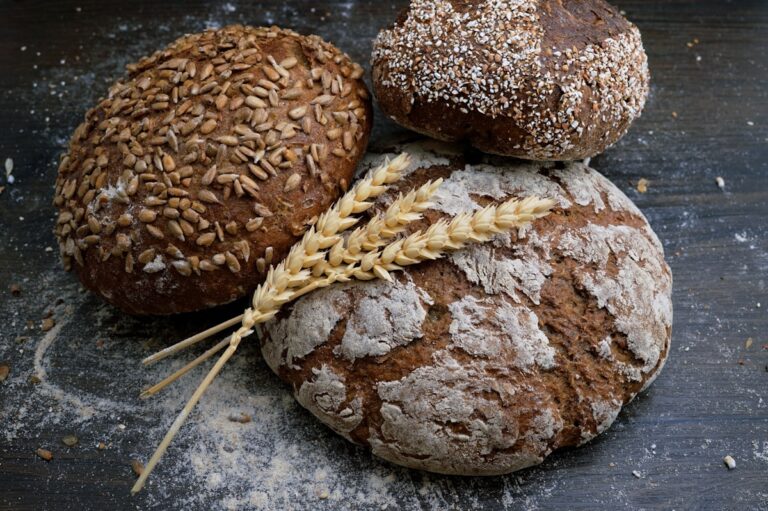
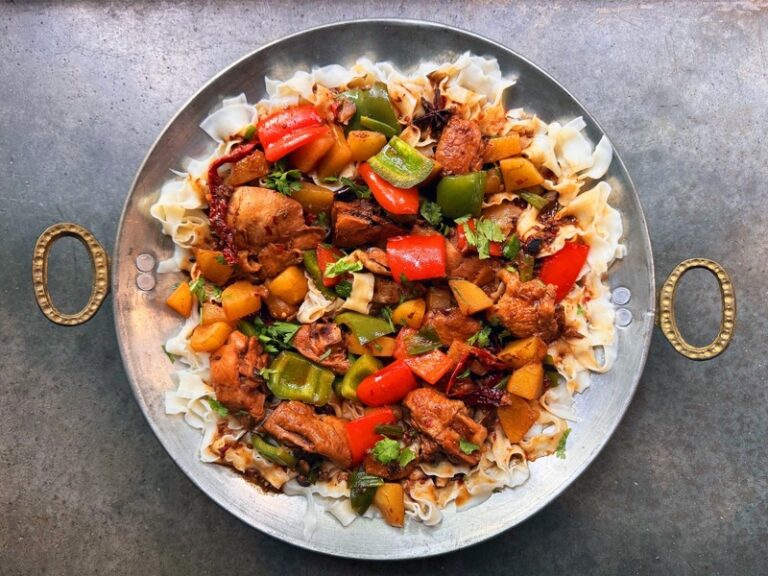
Nai cha is a drink that wants company. A hot bowl of laghman on the next table makes the salt make sense. A fresh naan torn into the mug soaks up the milk and turns the whole thing into a light meal. In the best tea rooms I have been in, the arrangement is simple: flat bread on the table, a pot on the brazier, and people sitting for two hours without ordering anything else.
At breakfast it replaces coffee entirely. On the highway it replaces the bottled drinks sold at the petrol station, and honestly it is cheaper and better. If your stomach is unused to it, start with half a mug, because the salt hits people who are not expecting it harder than the milk does.
Mistakes Visitors Make
The first is expecting sweet. The second is asking for milk tea in a place where the tea itself is the point and being handed something lukewarm because they made a separate batch. The third is tipping the mug back too fast; it comes very hot and the ceramic holds that heat long after it looks drinkable.
The last one is giving up too early. Three or four sips often land wrong, and then a fifth one, taken slowly with food in your hand, lands right. Nai cha is not a drink you evaluate in the first mouthful.
Where to Try It First
Go to the Kashgar Sunday bazaar early, before the crowds, and find the tea room at the edge of the animal section where the traders sit. They are there for the tea and the talk, not the audience. Order one, tear off a corner of bread, and stay for the second cup.
If you are heading into the food side of the trip, the halal food guide covers the wider rules and habits of eating halal in the region, and the food safety tips piece is worth reading before you commit to a week of street food.