Xinjiang Tea Houses: Where the Day Slows Down Over a Bowl of Brick Tea
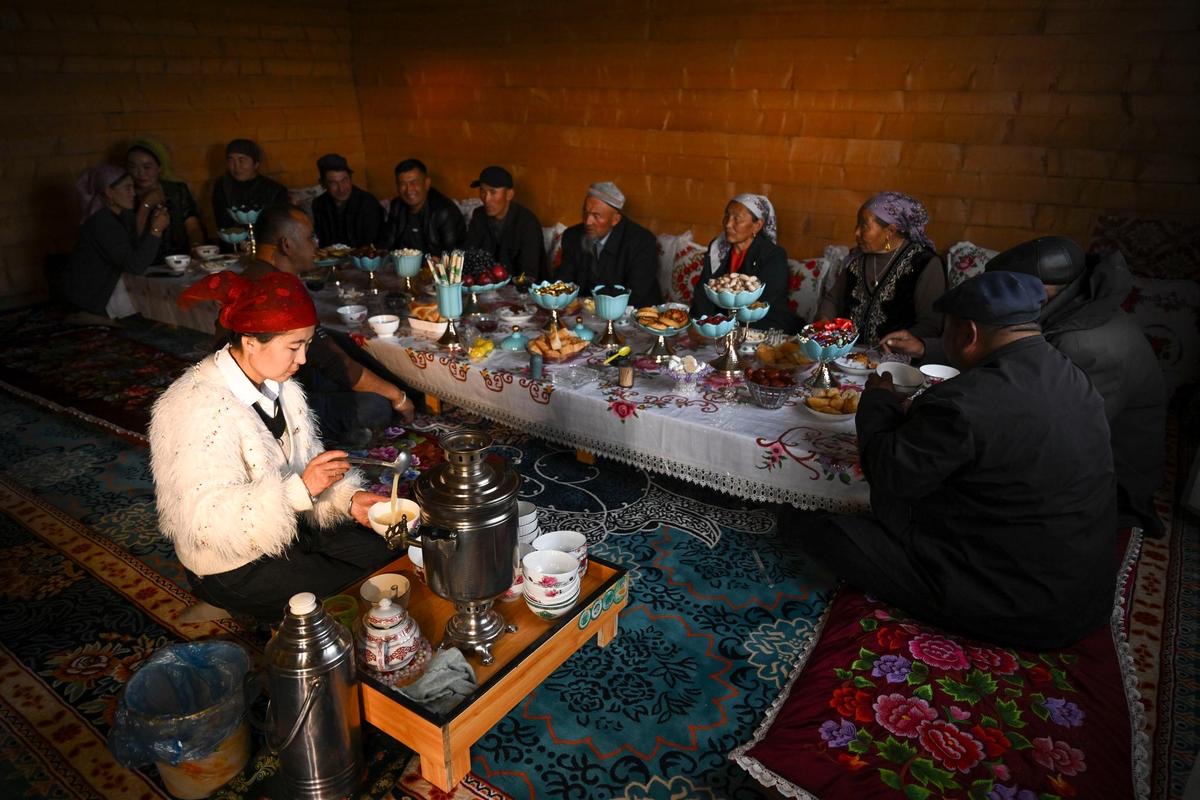
The first tea house I wandered into in Kashgar was nothing like the hushed, enamel-and-lace rooms I expected. It was loud, slightly smoky, and full of old men in doppa caps playing dolan music on their phones while a samovar the size of a small washing machine hissed in the corner. A bowl of dark brick tea landed in front of me before I had said a word. Three hours later I understood something that took me two more trips to fully appreciate: in Xinjiang, the tea house is not a café. It is the living room of the city.
Why Tea Houses Matter in Xinjiang
Xinjiang sits on the dry end of the Silk Road, where caravans needed both warmth and a reason to stop. Tea — cheap, caffeinated, and endlessly refillable — became the social glue. Uyghur, Kazakh, Kyrgyz, and Hui communities all keep the habit, but the Uyghur chaykhana is the version most travelers will meet. It is where deals are made, news is traded, and the afternoon is gently dissolved. For a visitor, it is also the single easiest place to meet ordinary people without a guide, a ticket, or a tour bus.
What You’ll Actually Drink
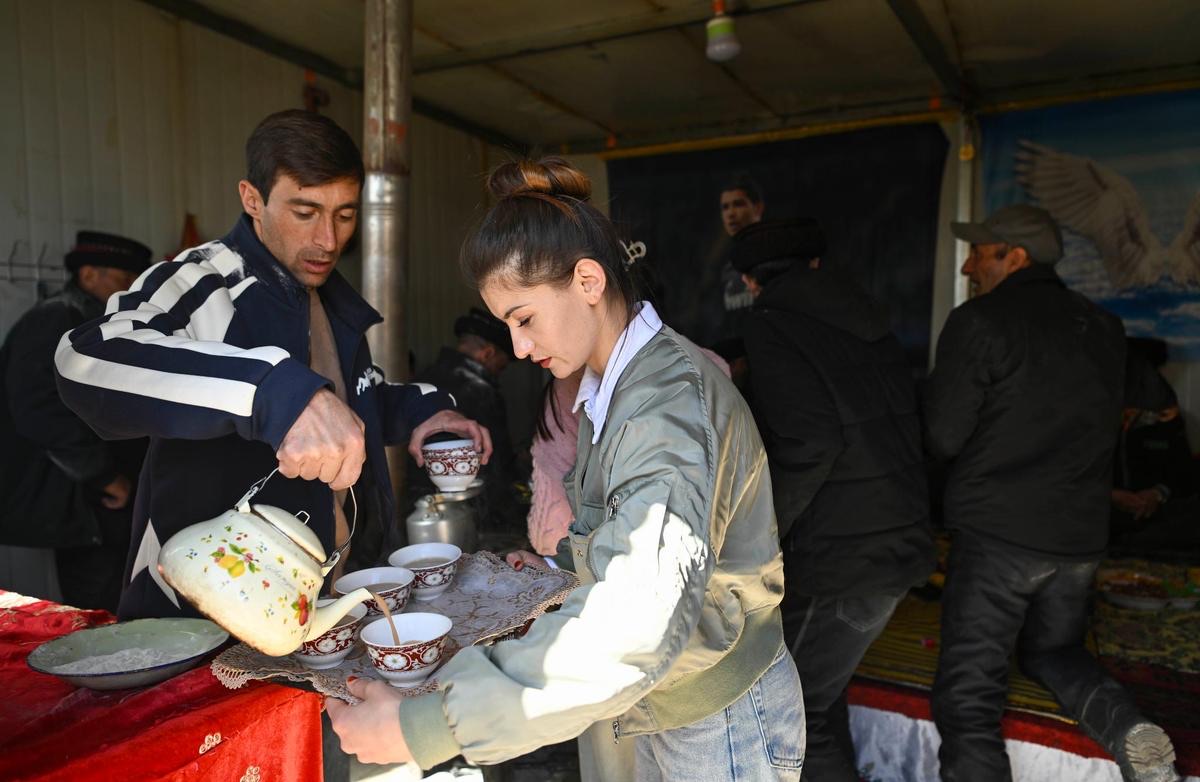
Forget delicate green tea ceremonies. In Xinjiang the default is brick tea — fermented dark tea pressed into blocks, boiled with water (sometimes with a pinch of salt or a few crushed apricot kernels), and served in handleless bowls. It is earthy, a little smoky, and exactly right after a plate of lamb.
| Drink | What it is | Typical price (¥) | Where you’ll find it |
|---|---|---|---|
| Brick tea (hei cha) | Boiled fermented dark tea, often with salt | 5–15 | Every old-town teahouse |
| Naan-and-tea set | Bowl of tea + half a fresh naan broken in | 10–20 | Kashgar, Hotan, Turpan |
| Fruit tea (mewa chay) | Black tea with dried apricot, raisins, rose | 15–30 | Urumqi, Yining cafés |
| Milk tea (süt chay) | Salty or sweet tea with boiled milk | 10–25 | Northern pastures, Kazakh yurts |
Brick Tea (Hei Cha)
This is the backbone of the region. The blocks are aged, so the tea tastes less like a leaf and more like a mineral broth. Drink it hot, in small bowls, and accept the second and third refill — refusing looks odd.
Flowering and Fruit Teas
In bigger cities you’ll also see glass pots of fruit tea, sweeter and prettier, aimed at a younger crowd and at tourists. They are pleasant but not the real thing. If you want the authentic experience, order the plain bowl and watch what the locals are drinking.
The Ritual: How a Session Unfolds
Nobody rushes. You sit, you are given a bowl, and the samovar keeps it coming. Conversation is optional; many regulars simply stare at the street. I learned to bring a book and a loose schedule. The unwritten rules: pay when you leave (or sometimes per bowl), don’t put your feet on the raised platform, and if an elder pours for you, cup your right hand under the bowl in thanks.
Where to Find the Best Tea Houses
Kashgar Old Town
The old town is the heart of it. Climb to the Kashgar Old Town lanes early, find a rooftop teahouse near the Id Kah Mosque, and watch the city wake up. The view alone is worth the price of a bowl.
Urumqi and the North
In Urumqi, head to the areas around the International Bazaar where fruit-tea cafés lean modern. For the Kazakh version, the yurt stops on the grasslands near Nalati and Karajun serve milk tea that tastes of the pasture it came from.
Etiquette: How to Not Look Like a Tourist
Tea houses are relaxed, but a few gestures go a long way. Remove your shoes if you step onto a raised carpet platform. Use your right hand to take and give. Don’t photograph people at point-blank without a smile and a gesture first — most will happily pose, and some will invite you to sit. If you are invited to someone’s home for tea instead, read up on Uyghur home hospitality before you go; the rules there are a little stricter.
Pairing Tea with Food
Tea is the punctuation of every Xinjiang meal. A bowl cuts the fat of laghman noodles, resets your palate after grilled lamb, and makes a piece of samsa taste like more. Order tea with food rather than after it. The best combos I found: brick tea with polu (pilaf), fruit tea with goxgox pastries, and milk tea with nothing at all on a cold morning in the mountains.
How Tea Houses Differ by City
The chaykhana is not one single thing. In Kashgar it leans ancient and male-dominated, a place of elderly regulars and slow afternoons where the only clock is the samovar. In Urumqi the same idea has been updated: younger crowds, fruit tea in glass pots, and a quieter, café-like hum. In Hotan and Yarkand the tea houses double as music venues, where dolan and muqam performances break out on weekend evenings and everyone knows the words. In Yining, on the grasslands’ edge, the Kazakh version spills outdoors in summer, with low tables set under the trees and children racing between them.
The Northern Pasture Version
Out on the summer pastures, “tea house” becomes a yurt. The drink is milk tea, salty and filling, sometimes with a knob of butter or a spoon of fried millet dropped in. It is less a refreshment than a small meal. If you are invited in — and on the grasslands you often will be — finish the bowl; leaving liquid in it is a small slight, and the host will simply top it up.
The Southern Oasis Version
In the Tarim Basin towns, tea is the antidote to heat. The bowls are smaller, the refills faster, and the company louder. This is where I learned that the tea house is also the town’s newspaper: everything from a wedding to a road closure passes through those rooms long before it reaches the internet. Sit long enough and you will know the neighborhood better than any guidebook could tell you.
One practical note for visitors: most old-town tea houses have no sign in English and no menu in English, and that is the charm rather than the drawback. Walk in, sit where there is room, and within a minute someone will set a bowl in front of you. The bill, when it finally comes, is almost always a pleasant surprise — a long afternoon of tea rarely costs more than a sandwich would back home, and the seat was never timed.
Frequently Asked Questions
Are Xinjiang tea houses safe for solo travelers?
Yes. They are public, well-lit, and full of regulars. Women traveling alone are common and undisturbed, especially in the daytime. Go in the morning or afternoon; late nights are a different, louder crowd.
Do I need to speak Uyghur or Chinese to order?
No. Pointing at someone else’s bowl works, and “chay” (tea) is understood everywhere. A translation app covers the rest, and the menus are usually visual.
How much should I tip?
Nothing. Tipping is not expected. Just pay the modest bill and leave. Rounding up a few yuan is a nice gesture but never required.
Can I work or read in a tea house for hours?
Absolutely, as long as you keep ordering. Buy a bowl, then another; nobody will rush you out. Bring a power bank — sockets are rare.
What’s the difference between a tea house and a café?
A café sells coffee and Wi-Fi; a tea house sells time and tea. The chaykhana is about sitting, not consuming. If the room has a samovar and no espresso machine, you’re in the right place.
Is the water safe to drink in the tea?
The tea is boiled, so yes. The bowl is clean. This is one of the safer ways to hydrate in remote towns where you might hesitate about tap water.