Karakul Lake Photography: Capturing Muztagh Ata’s Reflection
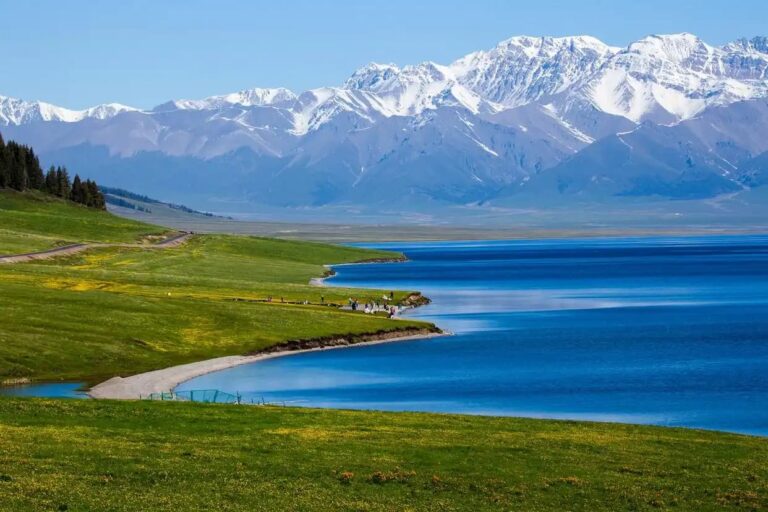
The reason Karakul Lake (卡拉库里湖) is on every Pamir itinerary is one image: Muztagh Ata (7,546 m) — “Father of Ice Mountains” — mirrored in a glacial lake at 3,600 m. This is how to actually get that shot, and the others around it. For getting there and staying, see the practical Karakul guide.
The reflection: timing is everything
The lake is usually calmest at dawn, before the plateau wind picks up. That is when Muztagh Ata’s snow cone doubles on the water. By late morning the surface choppiness breaks the mirror, and the shot is gone until the wind drops again at dusk.
Where to stand
- North shore: the classic, unobstructed reflection of the peak. Walk out from the camps toward the water’s edge.
- The camp foreground: use a yurt or a yak as foreground against the peak for scale.
- The eastern inlet: softer light and layered hills if the main face is in shadow.
Gear
- Telephoto (100–400): compresses the peak and pulls detail out of the snow.
- Wide (16–35): for the full mirror-with-mountain frame.
- Polariser: deepens the blue and cuts glare on the water.
- Tripod: essential for the low-light dawn reflection.
Golden hour on the peak
Even when the lake is choppy, the last hour of light paints Muztagh Ata’s face gold-to-pink. Shoot the mountain itself then; shoot the reflection at sunrise.
Camp for the light
The lakeside yurt camps exist for exactly this: wake for the dawn mirror, shoot the golden hour, and have the peak to yourself before the day-trippers arrive from Kashgar. Book a camp stay via the practical guide if the reflection is your priority.
Getting to Karakul (from Kashgar)
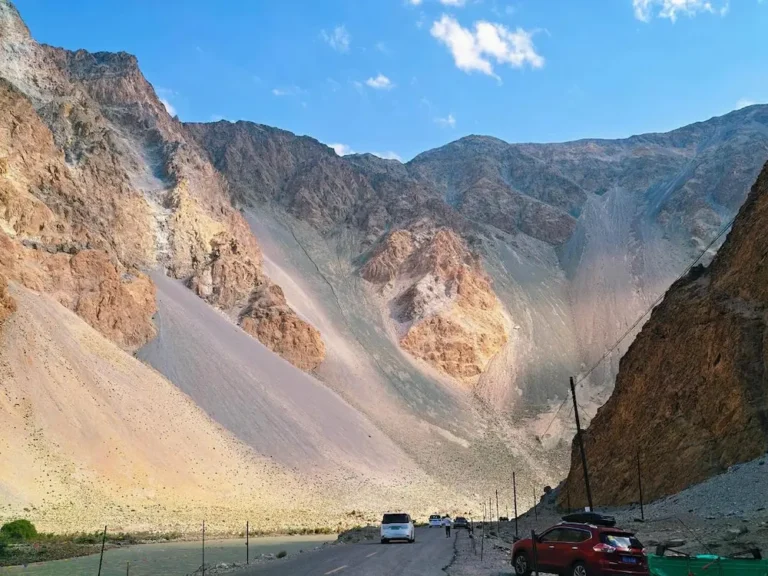
Karakul sits on the Karakoram Highway about 190 km from Kashgar, roughly a 3–4 hour drive as the road climbs past Tashkurgan. Most visitors do it as a day trip or an overnight from Kashgar, often as part of the Pamir run toward the Khunjerab Pass. The drive itself is half the show — the landscape steps from oasis to high plateau, and the first sight of Muztagh Ata from the lakeshore is the payoff.
Best season and staying
- Season: May–October is the comfortable window; the lake can freeze and the pass roads get harsh outside it. Clear autumn days give the cleanest reflections.
- Stay: lakeside yurt camps exist for exactly one reason — so you can wake for the dawn mirror before the day-trippers arrive from Kashgar. Book a camp stay if the reflection is your priority; a same-day return means you only catch the choppy midday surface.
- Altitude: at 3,600 m, take the climb slow and sleep lower (Tashkurgan) if you feel the height.
The one thing I order every time
It is the rhythm of it: someone puts a glass in your hand, another arrives, you sit for ten minutes, and suddenly the rest of the day is sorted. In Karakul Lake Muztagh Ata that is the tea, and the reason is not the flavour. Ask for it plain the first time. The sweet version is the one for the market, not for a morning. If the timing is the question, our [[karakul-lake-muztagh-ata-pamir-plateau-2|Karakul Lake & Muztagh Ata: The Pamir…]] goes through it properly.
Three words that change the order
What you need is the phrase for not spicy, the hand signal for a smaller portion, and the knowledge that one word covers what locals drink in winter, which is salt and butter, and what visitors get, which is sweet. Point at what the next table has. You do not need Uyghur. In Karakul Lake Muztagh Ata that single gesture has never once got me the wrong dish, and it saves you ordering a second plate you did not want. For the part people underestimate, see our [[karakul-lake-muztagh-ata-pamir-plateau|Karakul Lake & Muztagh Ata: Trekking to the…]].
Nearby shots worth the stop
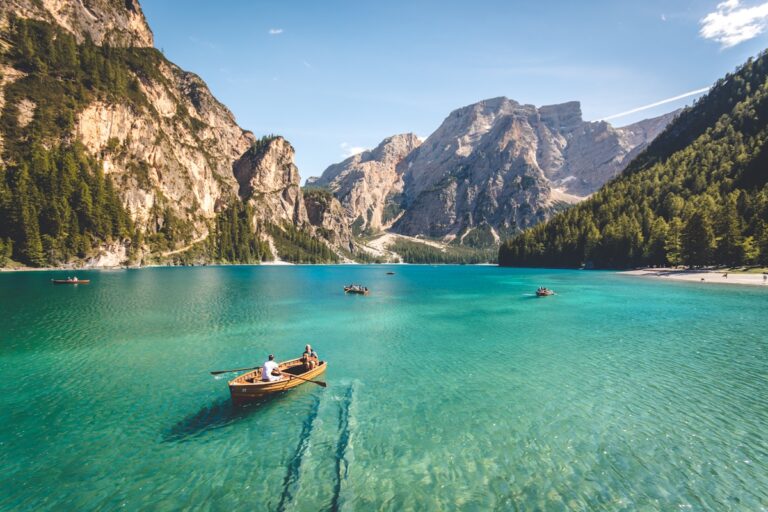
- White Sand Lake (Bai Sha Hu): on the drive up — a pale dune ridge meeting a turquoise lake; shoot in morning side-light.
- Bulunkou Lake: a quieter second lake with its own peak backdrop, often missed by the day-trip buses.
- The Karakoram switchbacks: above the lake, the road bends give graphic ribbon shots if you pull at a safe lay-by.
One note for planners: the Pamir needs a border permit from your passport in Kashgar, so sort that before the drive — it’s the difference between reaching the lake and being turned back at a checkpoint.
When the lake freezes
Outside May–October the surface can ice over and the pass roads turn harsh, so winter visits need real cold-weather preparation and a capable vehicle. The trade is solitude — a frozen Karakul under blue sky, with Muztagh Ata’s reflection replaced by a still white mirror, is a quieter frame most travelers never see, and the camps are all but empty.