Xinjiang Photography Shot List: Camera Settings and a Month-by-Month Plan
Last updated: August 17, 2026 · Written by Karl Huang, a Xinjiang travel specialist who has spent time across the region. Practical details are cross-checked against official tourism, transport, and border-regulation sources.
The companion guide Xinjiang Photography Guide covers the seasons, locations, and composition ideas that make the region sing. This article is the field reference that sits next to it: a camera-settings cheat sheet and a month-by-month shot list you can actually dial in on location, when the light is going and you don’t have time to think.
Settings cheat sheet
| Subject | Aperture | Shutter / ISO | Notes |
|---|---|---|---|
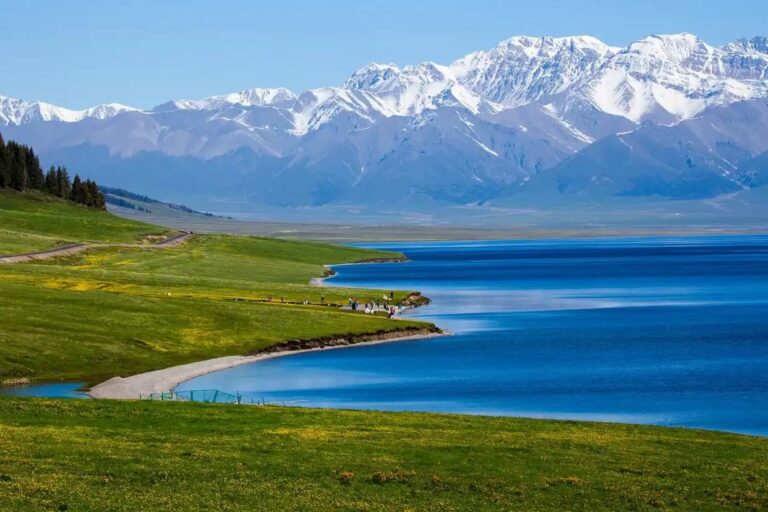
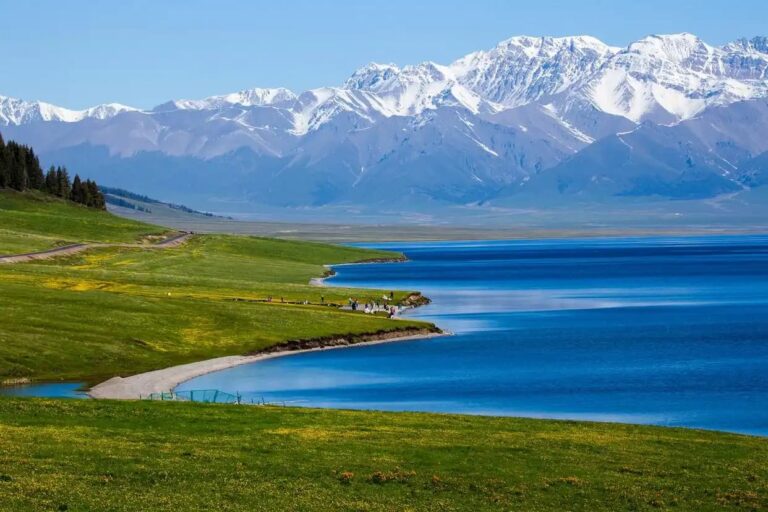
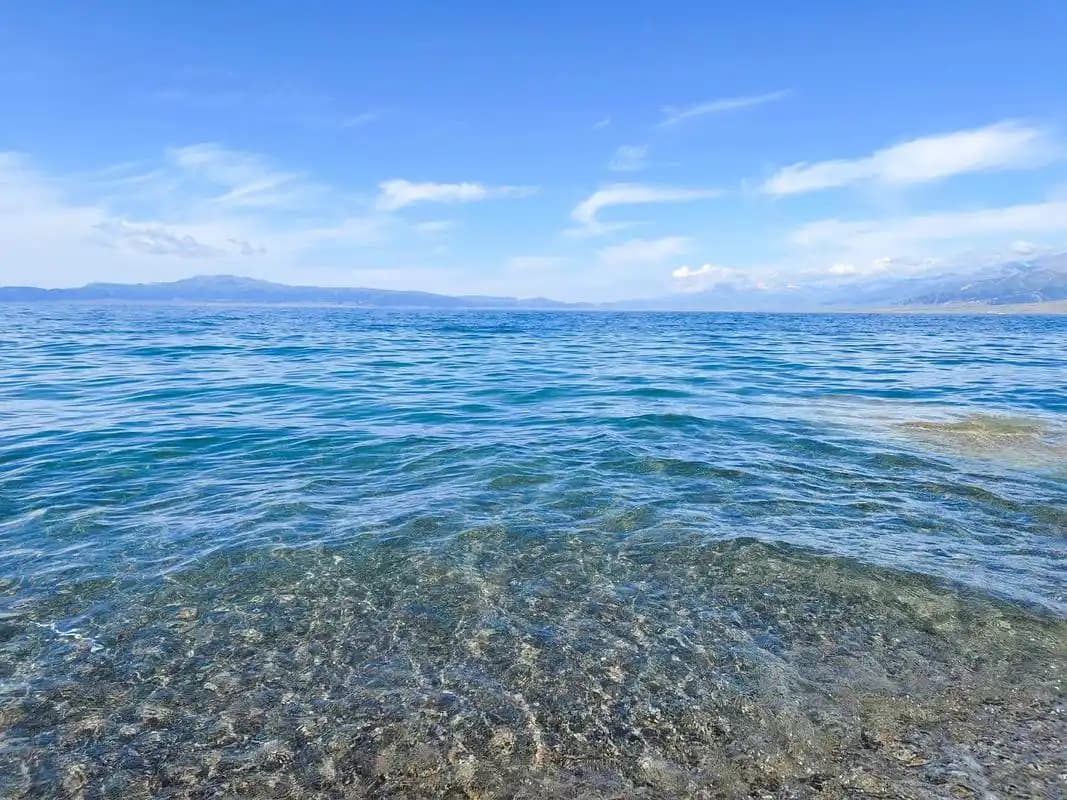
| Lake reflection (Sayram, Karakul) | f/8–f/11 | ISO 100, tripod | Polarizer; shoot at dawn before wind breaks the mirror |
| Stars / Milky Way (Pamir, Altai) | f/2.8 widest | 15–20s, ISO 3200 | Moonless night; foreground lit by headlamp; sturdy tripod |
| Golden-hour peaks | f/9 | spot-meter the mountain | Bracket for the bright snow / dark valley spread |
| Dunes at blue hour | f/11 | -1 stop exposure | Warm tones saturate as the sand cools |
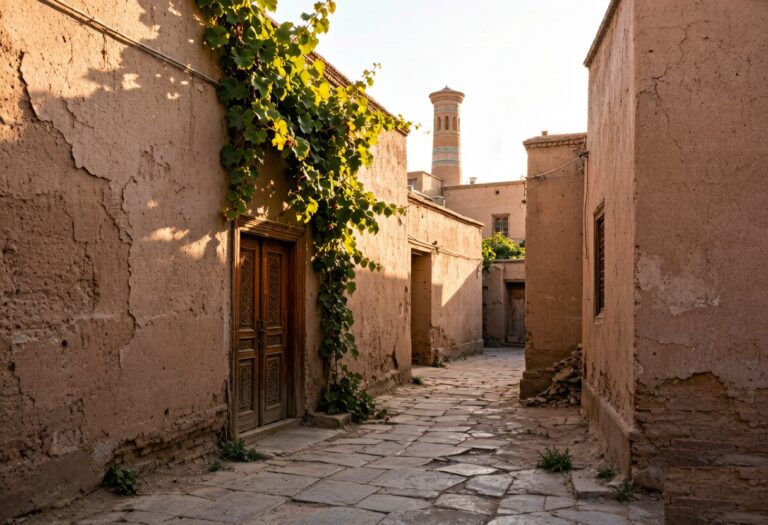
| Old-town portraits | f/2.8–f/4 | natural doorframe light | 35–50mm; ask before close shots |
Month-by-month shot list
- April: Ili Valley apricot blossom — white-pink orchards under snow peaks; watch the forecast, the bloom is brief.
- May: grasslands turn green; Kuerdening and the lower Ili slopes open up with wildflowers and soft light.
- June–August: long northern dusks (sunset after 9 p.m.) give endless golden hours; Hemu and Kanas are lush; the Duku Highway is open for switchback drama.
- September–October: the legend — Kanas and Hemu go gold, poplars near Luntai turn, Sayram is crystal clear. Mid-September to early October is the window.
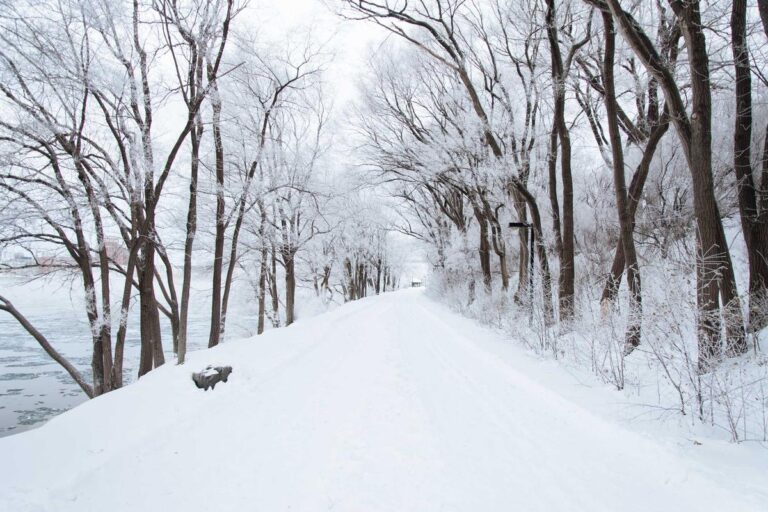
- December–February: snow blankets villages and freezes lakes; iconic spots are nearly empty if you can handle -30°C and short days.
What people get wrong before they come
Distances here make a small itinerary feel enormous, and the fix is not more days but fewer stops with longer looks at each. The oasis towns, the water running beside the road, the fields at the foot of a glacier: that is Xinjiang, and it is not in the photographs on the back of the bus seat. They come expecting desert to be the whole picture, then find the green is what stays with them. The second thing is scale. The evening version of that plan is in our [[xinjiang-photography-guide-best-seasons-locations-and-tips-for-stunning-shots|Xinjiang Photography Guide: Best Seasons,…]].
Staying connected, and why cash still matters
Keep cash anyway. The petrol station, the small hotel, the family kitchen with five tables and the driver who takes you back after hours are all cash, and one declined payment in the middle of nowhere is the problem that logistics cannot fix. Coverage on the main roads is genuinely good and thins out exactly where you would least want it to, which is the side road you took because the map said it went somewhere. The eSIM is easy now and it works the moment you land. The evening version of that plan is in our [[xinjiang-photography-tips-best-shots|Xinjiang Photography Tips: Best Shots,…]].
Who this kind of trip suits
Someone with a week, or two, prepared to sleep in two different kinds of bed in four days. It is less good with a fixed number of days, a small budget for a guided solution, and a low tolerance for checkpoints. Someone who likes long horizons on the road and does not need a cafe on every corner. There is no version of this where you see the whole region in three days, and the guides promising it are lying. That stretch of the trip is described in our [[xinjiang-photography-guide-best-shots-light-gear|Xinjiang Photography Guide: Best Shots,…]] too.
Gear you’ll actually use
- Sturdy tripod: non-negotiable for dawn lakes and astrophotography — a breeze blurs a long exposure.
- Spare batteries in your jacket: cold drains them fast; rotate throughout the day.
- Polarizer + ND: cut glare on water, silken rivers and waterfalls.
- Sensor blower + microfibers: desert dust scratches glass; clear it before it does.
The one habit that saves trips
Back up memory cards to a portable SSD every evening. A failed card in the Taklamakan is a frame you can never reshoot. Pair the right location with the right month — the distances are so large you won’t pass a site by accident — and build your shot list by region before you fly.
For the inspiration, light, and composition thinking behind these settings, read the full Xinjiang photography guide.