South Xinjiang Cultural Tour: Kashgar, Tashkurgan, and the Pamir Highway
Why South Xinjiang Should Be on Your Silk Road Itinerary
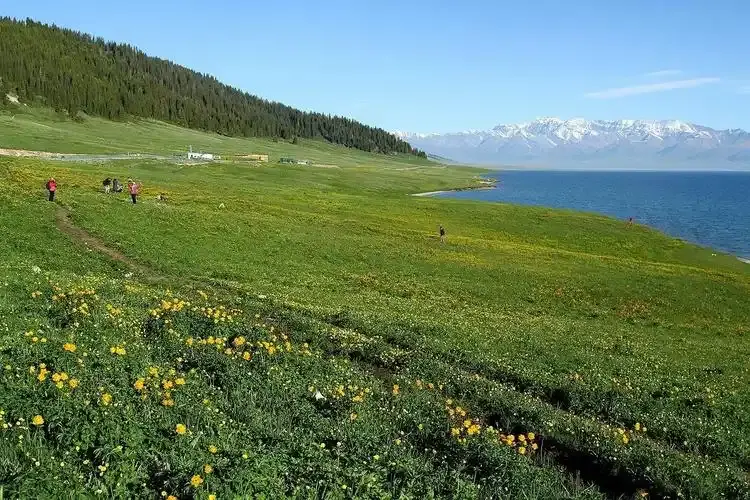
When most travelers think of Xinjiang, they picture the green meadows of Sayram Lake or the spruce forests of Kanas. But south of the Tianshan Mountains — the vast Tarim Basin and the Pamir Plateau — is where the Silk Road’s deepest cultural layers sit. This is a landscape of 2,000-year-old fortresses, living Uyghur and Tajik communities, and high-altitude deserts that feel closer to Central Asia than to eastern China.
Last updated: July 15, 2026 · Written by Karl Huang, a Xinjiang travel specialist who has spent time across the region. Practical details are cross-checked against official tourism, transport, and border-regulation sources.
A well-planned South Xinjiang cultural tour isn’t a quick detour. It’s a multi-day immersion that starts in Kashgar, travels southwest along the Karakoram Highway, and ends at the Stone City of Tashkurgan on the Afghan border. Along the way, you’ll cross mountain passes at 3,600 meters, drink milk tea in Kyrgyz yurts, and walk through mud-brick Old City lanes that haven’t changed their ground plan in five centuries.
Day 1–2: Kashgar Old City — The Living UNESCO Site
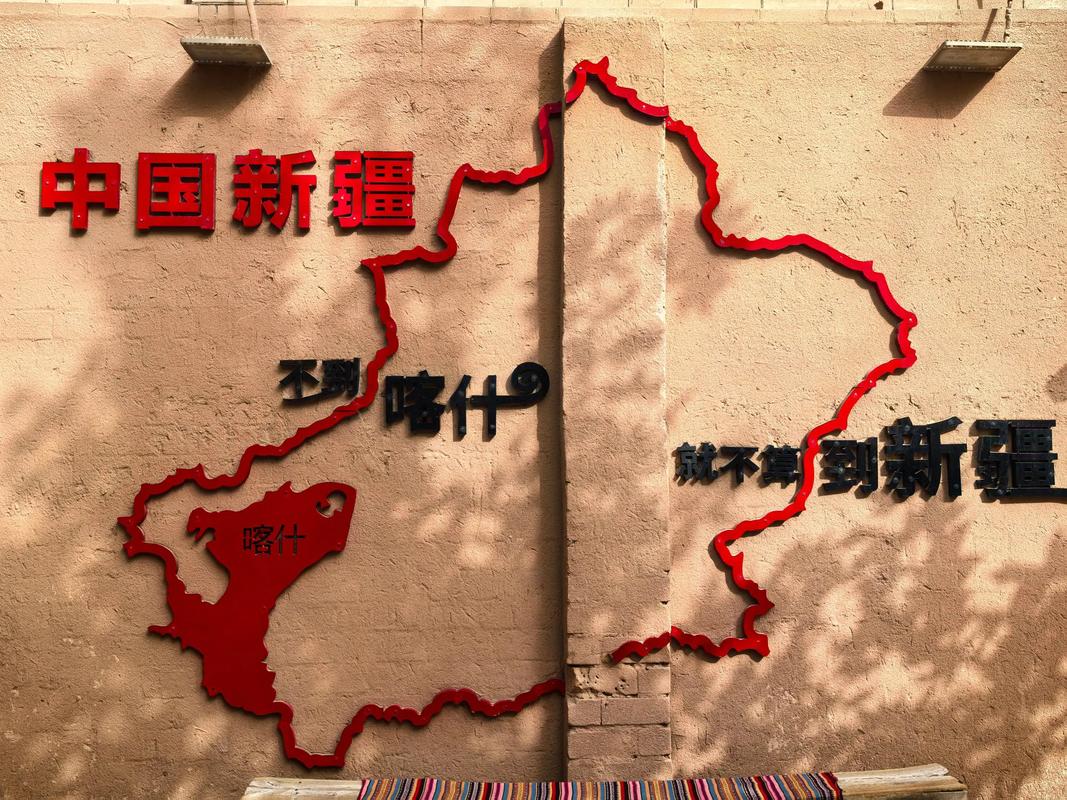
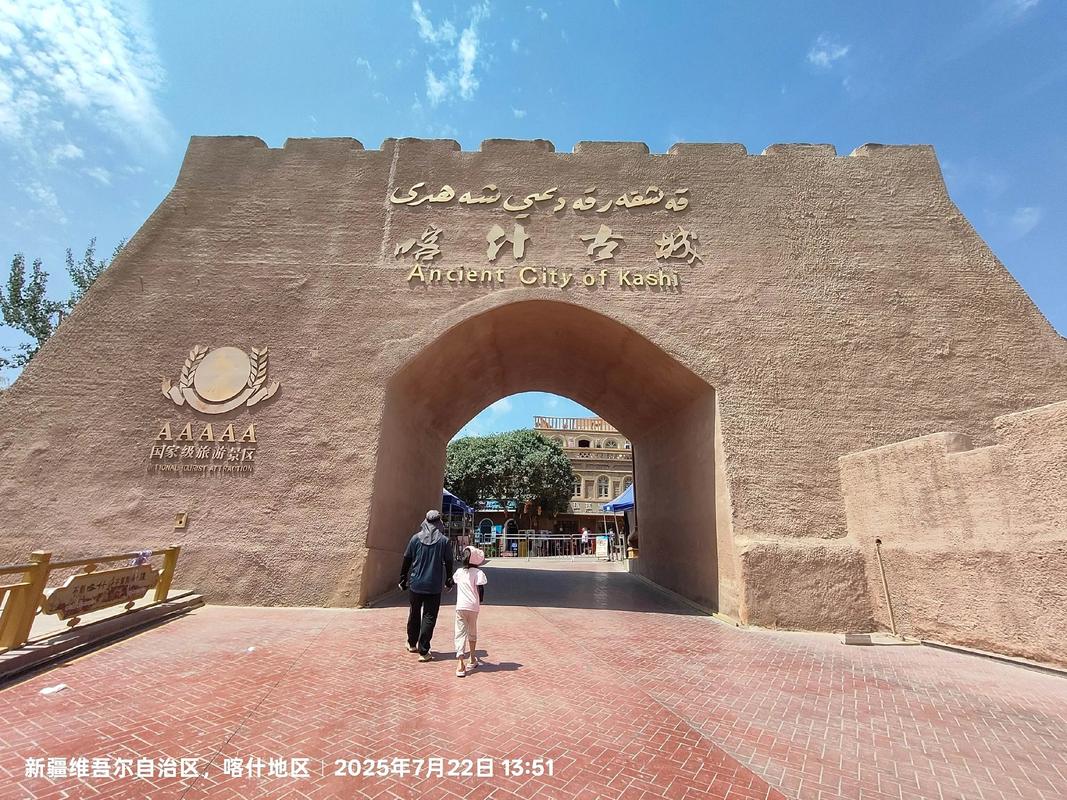
Kashgar (喀什) is the natural starting point. The Old City (老城) covers roughly 4.25 km² and houses ~130,000 residents. Unlike commercialized “ancient towns” elsewhere in China, this is a functioning neighborhood: children play in the alleys, bakers slide naan onto the walls of tandoor ovens, and the call to prayer from Id Kah Mosque still structures the day.
The Old City is also a maze — deliberately so. The street grid follows a concentric-ring-plus-radial pattern based on the I Ching Bagua system (the same logic as nearby Tekes). But the best moments come from turning a corner and finding a carpenter’s workshop, a rooftop teahouse, or a courtyard where apricots are being dried on the flat roof.
What to See in Kashgar
- Id Kah Mosque (艾提尕尔清真寺): The largest mosque in Xinjiang, built in the 15th century on the site of an earlier 10th-century prayer hall. Non-Muslim visitors can enter the courtyard during designated hours (typically 09:30–13:00, avoiding prayer times). Dress modestly — shoulders and knees covered; women should carry a headscarf.
- Kashgar Old City alleys: Start at the East Gate (东门) and just walk. The multilevel alleys (some rooftops connect to the next building’s upper floor) create a three-dimensional maze. Count how many doors have carved poplar lintels — each one is a small architectural history lesson.
- Sunday Livestock Market (星期天大巴扎): Held ~5 km from the city center every Sunday morning from ~07:00. This is the most raw, traditional market left in Central Asia — sheep auctioneers, horse traders, and spice sellers in a dust-clouded frenzy. The best time to go is 08:00–10:00 before the midday heat.
- Abakh Khoja Mausoleum (阿帕克霍加麻扎): The dynastic shrine of the Afāq Khoja family, with turquoise domes and glazed tilework that rivals Samarkand. It’s also marketed as the “Xiangfei” (Fragrant Concubine) site — the story goes that a Kashgar beauty entered the Qing imperial harem. Historical reality is murkier, but the atmosphere is undeniably powerful.
- Kashgar Night Market (夜市): Near the East Gate after sunset. Lamb skewers (羊肉串), laghman noodles (拉面), pomegranate juice, and the theatrical preparation of “Dapanji” (big plate chicken, 大盘鸡) make this a must for food travelers.
Stay at least two nights. The Old City rewards slow walking — and you’ll need the acclimatization time before heading up to the Pamirs.
Day 3: The Karakoram Highway to Karakul Lake
The drive from Kashgar to Karakul Lake (卡拉库里湖) is ~190 km but takes 3.5–4 hours because the road — the legendary Karakoram Highway (KKH) — climbs from 1,280 m to 3,600 m. En route stops are mandatory, both for the views and for altitude adjustment.
Key Stops Along the Way
- Baisha (White Sand) Lake (白沙湖): A striking turquoise lake framed by pale dunes and the Muztagh Ata massif. The “white sand” is actually fine glacial flour washed down from the mountains. Entrance is ~¥40; worth 30–45 minutes. The best light is 90 minutes before sunset.
- Subash Pass viewpoint (海拔4,000m): The moment the road crests and Karakul Lake unfolds below you is one of the great reveals in Asian road travel. Pull over at the scenic platform — the reflection of Muztagh Ata (Father of Glaciers, 7,546 m) in the lake is the signature shot. On a windless morning, the mirror is perfect.
- Muztagh Ata Glacier Park (冰川公园): If you have time, the shuttle bus (¥92 including mandatory bus fare) takes you to a drop-off point at ~4,680 m. A 1.2 km plank walk leads to the glacier viewing platform. Horseback ride available one-way (~¥100) if you’re feeling the altitude. Note: the park operates roughly 10:30–18:30; check before going.
- Karakul Lakeshore: Stay in a seasonal Kyrgyz yurt camp (¥80–200/person including a mattress on the floor and simple meals). It’s rustic — no plumbing — but waking up to glacier light from a felt tent is unforgettable. The Kyrgyz families who run these camps are hospitable and curious; accept their milk tea offering and ask about life at 3,600 m.
Permit note: You need a border-zone PSB permit (边防证) specifying “Taxkorgan / Tashkurgan County.” Arrange this in Kashgar through your hotel or a travel agency before departing. Bring your passport.
Day 4: Tashkurgan — Stone City and the Tajik Frontier
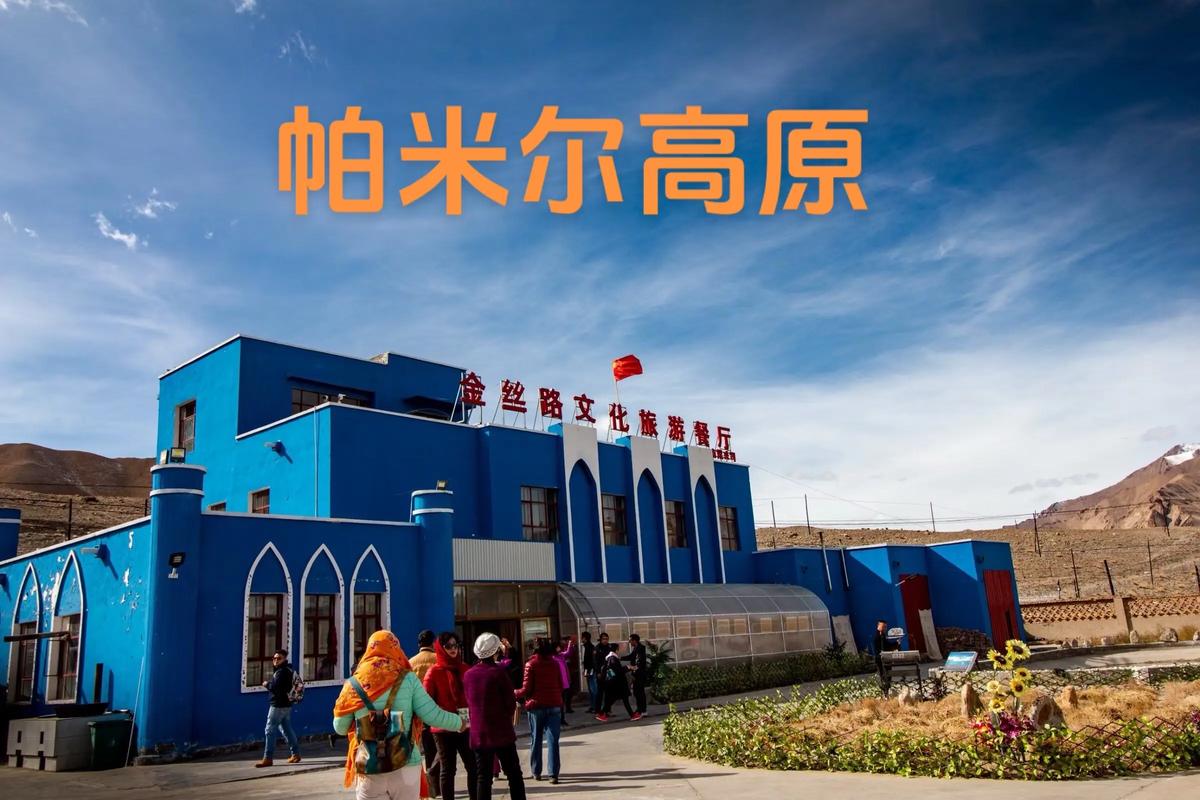
Tashkurgan (塔什库尔干) sits at 3,090 m on the edge of the Pamir Plateau, ~290 km from Kashgar (5.5–6 hours with stops). The name means “Stone Fortress” in Persian — and the town delivers on that promise. This is where the ancient Silk Road caravans stopped to breathe before the final push toward the Wakhan Corridor or the Khunjerab Pass.
Stone City (石头城) + Golden Grass Beach (金草滩)
The combo ticket is ~¥90/person. Stone City is a Sui-Tang era fortification on a massive earthen platform, with stone perimeter walls and watchtower foundations. The real draw is the 360° view from the top: river valley, mud-brick Tajik houses, and the snow line of the Kongur range (7,719 m). Go at sunrise or golden hour for photos; midday glare washes out the earth tones.
Golden Grass Beach is the fertile wetland strip below the fortress, crisscrossed with boardwalks. In late spring/summer it glows iridescent green-gold; in September it turns copper. Tajik families sometimes offer informal yak-milk tea tastings along the edge paths — if invited, accept gracefully and offer a small tip (¥20–50).
Tajik Culture
Tashkurgan is predominantly Tajik (Pamiri), an Iranic-speaking, Ismaili Muslim mountain people related distantly to Tajiks of Tajikistan. They are not Uyghur — a common misconception. Look for:
- Eagle-hunting heritage: Ask your guesthouse about any scheduled demonstrations. The Tajik relationship with the golden eagle is part of their intangible heritage.
- Traditional architecture: Flat-roofed sun-dried brick homes with carved wooden doors. The carving motifs (geometric, not figural — in keeping with Islamic tradition) are worth studying.
- The Friday market: If your timing aligns, the weekly market is smaller than Kashgar’s but more intimate. Dried fruit, wool rugs, and local atmosphere.
Etiquette note: Always ask before photographing people. A smile and a raised eyebrow gesture works across the language gap. Dress modestly (shoulders covered, no short shorts) — this is a deeply traditional community.
Day 5: Return to Kashgar via the Opposite Shore
Most tours rush back. A smarter route takes the lakeside track on the south side of Karakul (when the season and road condition allow), which offers a different angle on Muztagh Ata and fewer tour buses. Stop at local handicraft stalls on the way back to pick up atlas silk or a Kyrgyz felt rug.
If you have an extra day, consider continuing south from Tashkurgan toward the Khunjerab Pass area (the China–Pakistan border, 4,733 m). Note: the international border crossing is not generally open to casual tourists — you can reach the outpost area, but don’t plan on crossing. The drive itself, however, is spectacualr: the highway clings to the mountainside with the Tashkurgan River roaring below.
Practical Planning: Season, Permits, and Altitude
Best Season
| Month | Condition | Notes |
|---|---|---|
| May–mid-June | Cool, fewer crowds | Wildflowers begin; nights below freezing at lake level; some guesthouses not yet open |
| July–August | Warmest (12–20°C at lake) | Peak domestic travel; midweek recommended; grasslands at their greenest |
| September | Crystal-clear air, golden grasslands | Arguably the best month; book accommodation ahead; nights near freezing |
| October–April | Cold, some guesthouses closed | Only for well-equipped winter travelers; heavy snow closes passes |
Altitude Sickness (Non-Negotiable)
- Karakul sits at 3,600 m. Tashkurgan is at 3,090 m. Altitude sickness is real at these elevations.
- Never ascend directly from Kashgar (1,280 m) to the lake AND exert heavily on the same day if you’re susceptible. Spend a night in Kashgar first to acclimate.
- Symptoms: headache, nausea, dizziness, loss of appetite. Descend immediately if vomiting or confusion sets in — the only cure for AMS is going lower.
- Bring: ibuprofen (for altitude headache), sunscreen SPF 50+, lip balm (the air is parched), a warm layer (wind cuts through at altitude), and cash (no ATMs at the lake or in Tashkurgan town).
- No alcohol at altitude. Drink 3–4 L of water per day.
Border Permit (边防证)
Required for Tashkurgan County. Most travelers arrange this in Kashgar (usually free or a nominal service fee through a hotel or agency). Bring your passport. The permit must explicitly list “Taxkorgan” or “Tashkurgan.” Without it, you will be turned back at the checkpoint ~50 km before Tashkurgan.
Transport options: Private 4×4 charter from Kashgar is the standard choice for foreign travelers (¥1,200–1,800/day including driver). The driver handles checkpoint paperwork and knows the altitude-appropriate pacing. Public buses exist but won’t wait for photos and drop you at the county seat, not the lakeshore.
Where to Stay and What to Eat
Kashgar
Old City guesthouses (¥150–400/night) put you inside the maze — you step out of your door into the alley. For mid-range comfort, hotels near Renmin Park offer reliable hot water and Wi-Fi. Food highlights: lamb skewers (羊肉串), laghman noodles (拉面), pomegranate juice from the night market, and the famous “Dapanji” (大盘鸡, big plate chicken with potatoes, peppers, and hand-pulled noodles).
Tashkurgan
No luxury resorts — accommodation is functional (¥150–400/night). Try yak meat hotpot (牦牛肉火锅) or hand-pulled rice (抓饭) with yak meat. Warm, hearty, and altitude-appropriate. The town has a few simple guesthouses with solar-heated water (intermittent) and basic Chinese/Xinjiang breakfasts.
Karakul Lake
Seasonal Kyrgyz yurt camps (May–September only). Bring a sleeping bag liner. Meals are simple: milk tea, flatbread, maybe a noodle soup. The experience of staying in a yurt at 3,600 m, with the Milky Way arching overhead and no light pollution, is worth the rustic conditions.
What to Pack for a South Xinjiang Cultural Tour
- Layers: At altitude, the temperature swing from noon to midnight can be 25°C. Bring a down jacket even in July.
- Sun protection: The UV index at 3,000+ m is punishing. Wide-brim hat, sunglasses, SPF 50+.
- Cash: ATMs are rare outside Kashgar. Bring ¥2,000–3,000 in small bills.
- Power bank: Cold drains batteries fast. Guesthouses at the lake may not have reliable electricity.
- Reusable water bottle: 3–4 L/day at altitude. Dehydration amplifies AMS.
Sample 5-Day Itinerary (Pacing)
| Day | Route | Overnight |
|---|---|---|
| 1 | Arrive Kashgar, Old City walking, dinner at night market | Kashgar |
| 2 | Id Kah Mosque, Sunday Market (if Sunday), handicraft shopping, Old City deep walk | Kashgar |
| 3 | Kashgar → Baisha Lake → Muztagh Ata Glacier Park → Karakul Lake (yurt stay) | Karakul Lakeshore |
| 4 | Karakul sunrise → Tashkurgan (Stone City + Golden Grass Beach) | Tashkurgan |
| 5 | Tashkurgan → Kashgar return (south shore track if open, handicraft stops) | Kashgar |
This itinerary can be extended to 7–10 days by adding Yarkand (莎车) south of Kashgar, or by looping north via the Duku Highway. South Xinjiang moves at a different tempo — slower, higher, and more intimate than the postcard north. Plan for it, and it will stay with you long after the passport stamps fade.
For more on Xinjiang travel planning, check our Xinjiang Travel FAQ and our guide to visiting Xinjiang in summer.
The things you will probably want to know
What is the best time to visit Sayram Lake?
June through September offers the best weather with temperatures between 15-25°C and wildflowers in full bloom around the lake.
How do I get to Sayram Lake from Urumqi?
Sayram Lake is about 450km from Urumqi. You can drive via the G30 highway (5-6 hours), take a bus from Urumqi West Bus Station (6-7 hours), or hire a private driver for the most flexibility.
Is there an entrance fee for Sayram Lake?
Yes, the entrance fee is approximately 70 RMB per person. Additional fees may apply for the lake island boat tour (about 100 RMB) and the scenic area shuttle bus.
Can I camp near Sayram Lake?
Camping is allowed in designated areas around the lake. The best spots are on the eastern shore where you can wake up to stunning sunrise views over the water.
What should I pack for a trip to Sayram Lake?
Even in summer, temperatures can drop significantly at night. Bring layers, a windproof jacket, sunscreen (UV is strong at high altitude), and comfortable walking shoes.