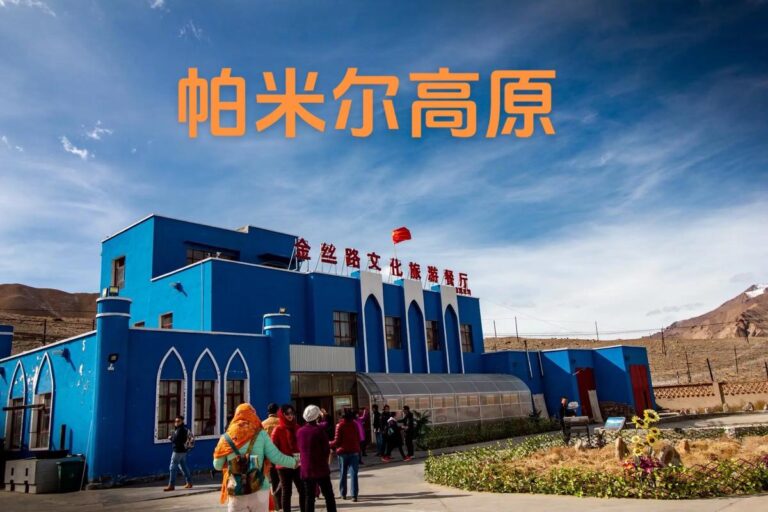
Xinjiang Travel FAQ: Everything You Need to Know Before You Go
Xinjiang Travel FAQ: Everything You Need to Know Before You Go
Planning a trip to Xinjiang? You’re not alone in having questions. At Xinjiang Travel Tips, we’ve compiled the most frequently asked questions from foreign travelers who’ve navigated this vast, culturally rich, and geographically dramatic region. Consider this your pre-departure briefing.
Last updated: July 15, 2026 · Written by Karl Huang, a Xinjiang travel specialist who has spent time across the region. Practical details are cross-checked against official tourism, transport, and border-regulation sources.
1. When Is the Best Time to Visit Xinjiang?
The short answer: it depends on what you’re after. Xinjiang’s climate varies dramatically by region and season.
- May to June (Spring): Pleasant temperatures (15-25°C), wild apricot blossoms in Ili, and fewer domestic tourists. This is the sweet spot for many travelers.
- July to August (Summer): Peak season. Warm days (20-30°C in most areas), but also peak domestic tourism. Turpan becomes extremely hot (45°C+). If you don’t mind crowds, the grasslands are at their greenest.
- September to October (Autumn): Many consider this the best time. The heat subsides, the crowds thin, and the birch forests turn gold. October in Kanas is world-class for fall colors.
- November to March (Winter): Brutally cold but magical if you’re prepared. Snow covers the altay range, and accommodation prices plummet. Some high-altitude passes close due to snow.
For a detailed month-by-month breakdown, check out our Best Time to Visit Xinjiang guide.
2. Do I Need a Visa or Special Permit to Visit Xinjiang?
Visa: Xinjiang is part of China, so you’ll need a valid Chinese visa. No additional “Xinjiang visa” is required for most areas.
PSB Border Permit (边防证): If your itinerary includes border zones—specifically Tashkurgan County (Karakul Lake, Khunjerab Pass area) or Baihaba Village (Kanas biosphere near the Kazakhstan border)—you must obtain a border zone permit. Here’s how:
- In your home country: Some Chinese consulates can issue this; call ahead.
- In China before Xinjiang: Public Security Bureau (PSB) offices in major cities (Beijing, Shanghai, Urumqi) can issue it. Bring your passport and a small fee (~¥10-30).
- In Urumqi or Kashgar: Hotels can often assist, or direct you to the local PSB. Allow half a day.
Important: The permit specifies which border counties you’re allowed to enter. Make sure “Taxkorgan” (Tashkurgan) and/or “Habahe” (Baihaba) are listed.
3. How Do I Get to Xinjiang?
By Air
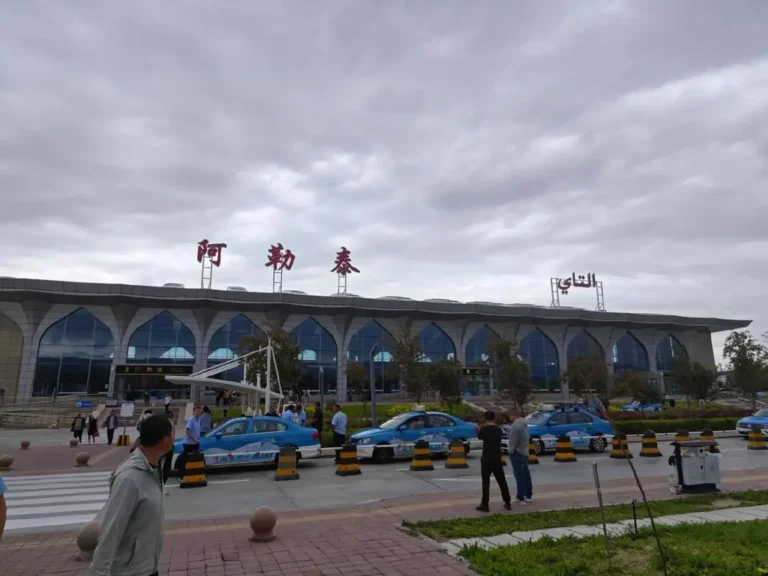
Urumqi Diwopu International Airport (URC) is the main hub, with direct flights from Beijing, Shanghai, Guangzhou, Chengdu, and some international cities (Almaty, Bishkek, Istanbul). For southern Xinjiang, consider flying into Kashgar Airport (KHG) or Hotan Airport (HTN) to save travel time.
By Train
Urumqi is connected to China’s high-speed rail network. The journey from Beijing takes about 12-14 hours by high-speed train. Sleeper trains from Xi’an, Lanzhou, and Chengdu are popular budget options.
By Road
Self-driving across China to Xinjiang is possible but logistically complex for foreigners (carnet, insurance, border checks). Most travelers fly in and rent a car or hire a driver locally.
4. Is Altitude Sickness a Real Concern?
Yes—if your itinerary goes above 2,500 meters (8,200 ft). Here are the key elevation benchmarks:
| Location | Elevation | Risk Level |
|---|---|---|
| Urumqi | 800 m | None |
| Kashgar | 1,280 m | None |
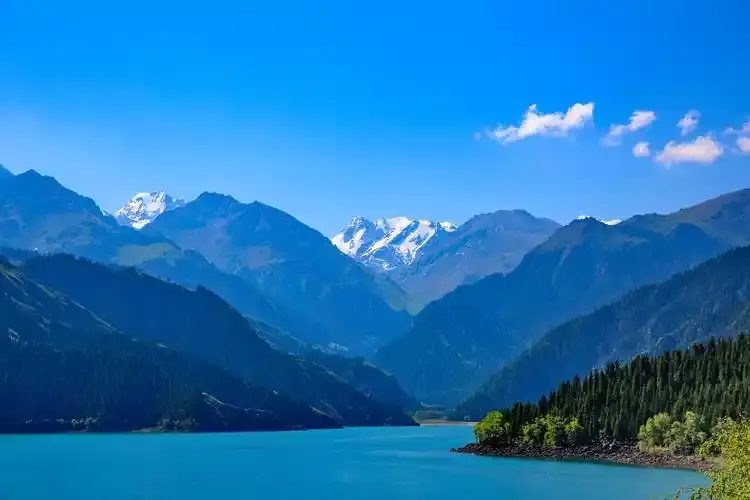
| Heavenly Lake (Tianchi) | 1,980 m | Mild |
| Karakul Lake | 3,600 m | High |
| Tashkurgan | 3,090 m | Moderate-High |
| Khunjerab Pass (viewpoint) | 4,733 m | Very High |
Prevention tips:
- Ascend gradually. Spend a night in Kashgar (1,280 m) before heading to Karakul (3,600 m).
- Stay hydrated and avoid alcohol at altitude.
- Bring ibuprofen for headaches and consider acetazolamide (Diamox) if your doctor approves.
- If you feel severe symptoms (vomiting, confusion), descend immediately.
5. What Should I Pack for Xinjiang?
Xinjiang’s size means you’ll cross multiple climate zones. Here’s a core packing list:
- Layers: Temperatures swing 15-20°C between day and night. A fleece and a windproof jacket are essential.
- Sun protection: The UV index is punishing. Wide-brim hat, sunglasses, SPF 50+ sunscreen, and lip balm.
- Comfortable walking shoes: You’ll be on your feet at ruins, grasslands, and mountain trails.
- Power bank: Long drives between towns mean limited charging opportunities.
- Cash (RMB): While Alipay/WeChat Pay work in cities, rural areas and border zones often require cash.
- Passport: You’ll need it for hotel check-ins, train/plane travel, and permit checks.
- Reusable water bottle: Staying hydrated in the dry climate is critical.
6. Is Xinjiang Safe for Foreign Travelers?
Yes. Xinjiang is generally very safe for tourists. The region has a heavy police presence, which can feel unfamiliar but contributes to low crime rates. As a foreign traveler, you should:
- Carry your passport at all times (or a high-quality photocopy + hotel business card).
- Respect local customs, especially in conservative areas like Tashkurgan (Tajik community).
- Avoid photographing military installations, checkpoints, or government buildings.
- Download a VPN before entering China if you need access to Google, WhatsApp, etc. (They won’t work in Xinjiang without one.)
For more on safety and cultural etiquette, read our Xinjiang Travel guides.
7. Can I Use Foreign Credit Cards and ATMs?
Credit cards: Major hotels and upscale restaurants in Urumqi and Kashgar accept Visa/Mastercard, but it’s not universal. Carry cash as backup.
ATMs: Bank of China and ICBC ATMs in major cities dispense RMB and accept foreign cards. Withdrawal limit is typically ¥2,500-5,000 per transaction.
Mobile payments: Alipay and WeChat Pay dominate. Foreigners can now link some international cards to Alipay (check the latest policy), but it’s not seamless. Cash remains king in rural areas.
8. What’s the Food Like? (And How to Eat Safely)
Xinjiang cuisine is a highlight. Expect hand-pulled noodles (laghman), cumin-spiced kebabs, flaky naan bread, pilaf (zhuafan), and dairy from Kazakh and Kyrgyz herders. Our cuisine guides dive deep into what to order.
Food safety tips:
- Stick to busy stalls—high turnover means fresh ingredients.
- Peel fruits or wash them with purified water.
- Carry imodium or a similar anti-diarrheal; stomach bugs from new bacteria are common, not “food poisoning.”
- Vegetarians: Xinjiang cuisine is meat-heavy. Learn to say “I don’t eat meat” in Mandarin, or download a translation app.
9. Do I Need to Speak Chinese?
It helps, but it’s not mandatory. In Urumqi, Kashgar’s Old City, and tourist sites, you’ll find English signage and some English-speaking staff. That said, learning these phrases goes a long way:
- Nǐ hǎo (nee-haow) – Hello
- Xièxie (shyeh-shyeh) – Thank you
- Duōshǎo qián? (dwor-shao chyen) – How much?
- Wǒ chī sù (wor chir soo) – I eat vegetarian (useful for dietary restrictions)
- Cè suǒ zài nǎlǐ? (tseh-swor dzye nar-lee) – Where’s the toilet?
Google Translate’s camera feature works offline and can decode menus and signs.
10. How Do I Get Around Within Xinjiang?
Xinjiang is massive—larger than Iran, and almost as large as Turkey. Distances are not to be underestimated.
Private Charter (Recommended for Foreigners)
Hiring a car with a driver is the most flexible option. Expect to pay ¥800-1,800 per day depending on vehicle type and itinerary. The driver handles navigation, checkpoints, and often acts as a de facto guide.
Long-Distance Bus
Intercity buses connect major towns. They’re cheap (¥50-150) but slow and less comfortable for multi-hour journeys.
Domestic Flights
For long hops (e.g., Urumqi → Kashgar, 2 hours by air vs. 20+ hours by road), domestic flights are affordable and save days of travel time.
Rideshare (Didi)
Works in Urumqi and other major cities, but not in rural areas or between cities.
11. What About Internet and Connectivity?
In mainland China (including Xinjiang): Google, Facebook, Instagram, WhatsApp, and many Western sites are blocked. You’ll need a VPN (installed before you arrive) to access them.
Local SIM cards: China Mobile, China Unicom, and China Telecom all operate in Xinjiang. With a passport, you can buy a SIM at the airport or a telecom shop. Data plans are cheap (¥30-50/month for 10-20 GB).
Hotel Wi-Fi: Most hotels have Wi-Fi, but some require a Chinese phone number for verification. Higher-end hotels usually have unrestricted Wi-Fi.
12. Cultural Etiquette: What Should I Know?
Xinjiang is home to Uyghur, Kazakh, Kyrgyz, Tajik, Hui, and Han Chinese communities. Each has its own customs, but here are universals:
- Mosques: Dress modestly (shoulders and knees covered). Women may be asked to wear a headscarf (carry one). Remove shoes before entering prayer halls if indicated.
- Photography: Always ask before photographing people, especially in rural or religious settings. A smile and a gesture with your camera usually bridges the language gap.
- Hospitality: If offered tea or food in a home or yurt, accept it—refusing can be seen as impolite. You can offer a small gift (fruit, sweets) in return.
- Alcohol: Many Uyghur and Tajik communities are Muslim and don’t consume alcohol. Don’t offer it, and be discreet if you drink.
13. How Much Does a Xinjiang Trip Cost?
Budget travelers can get by on ¥200-350 per day (hostels, local food, public transport). Mid-range travelers should budget ¥500-900 per day (3-star hotels, private charters, mix of restaurants). Luxury travel (4-5 star hotels, premium guides, business-class flights within Xinjiang) starts at ¥1,500 per day.
Our Xinjiang Travel Costs guide breaks this down in detail.
14. Are There Any Restrictions on Photography?
Yes, and they’re strictly enforced:
- NEVER photograph police checkpoints, military installations, or government buildings. Your camera/phone may be confiscated.
- Border zones: Some areas near the Kazakhstan, Kyrgyzstan, and Pakistan borders have signage prohibiting photography. Respect it.
- Cultural sites: Many caves (e.g., Kizil, Bezeklik) prohibit interior photography to protect murals. Follow the rules—the fines are real.
- People: Always ask. Most locals are happy to pose, but some (especially in conservative areas) may decline.
15. Can I Combine Xinjiang with Other Destinations?
Absolutely. Common pairings include:
- Xinjiang + Gansu (Dunhuang, Zhangye): The Silk Road corridor continues east. The train from Urumqi to Dunhuang takes about 10 hours (or fly to Lanzhou and connect).
- Xinjiang + Kyrgyzstan or Kazakhstan: The land borders at Khorgos and Torugart Pass are open seasonally for cross-border travel, but paperwork is involved. Most travelers do this via organized tours.
- Xinjiang + Tibet: Possible but requires careful permit planning. Most travelers fly between the two rather than attempting an overland route.
Final Tip: Build in Buffer Days
Xinjiang’s scale means delays happen—weather closes mountain passes, festivals book out hotels, and the best-laid plans sometimes yield to circumstance. Build 1-2 buffer days into your itinerary. The reward? You’ll actually have time to sit in a Kashgar teahouse, watch the light hit the snow peaks, and remember why you came.
Have a question we didn’t cover? Drop us a note at Xinjiang Travel Tips—we update this FAQ as new travel realities emerge.
If it goes wrong, this is what to do
If this happens: Karakul lake different from sayram lake
Yes! Karakul Lake (3,914m altitude) is a high-altitude glacial lake on the Pamir Plateau with snow-capped Muztagh Ata as backdrop. Sayram Lake (2,071m) is lower, larger, and known as the ‘last tear of the Atlantic.’
When it goes sideways: Geting altitude sickness at karakul lake
At nearly 4,000 meters, some visitors experience mild symptoms. Rest upon arrival, stay hydrated, avoid strenuous activity for the first few hours, and consider bringing altitude sickness medication.
If you run into this: Road condition on the karakoram highway
The paved highway is generally good but has mountain passes over 4,000m. Winter (November-March) can bring closures due to snow. Check conditions before traveling in colder months.