Sayram Lake — The Last Tear of the Atlantic: Complete Visitor Guide

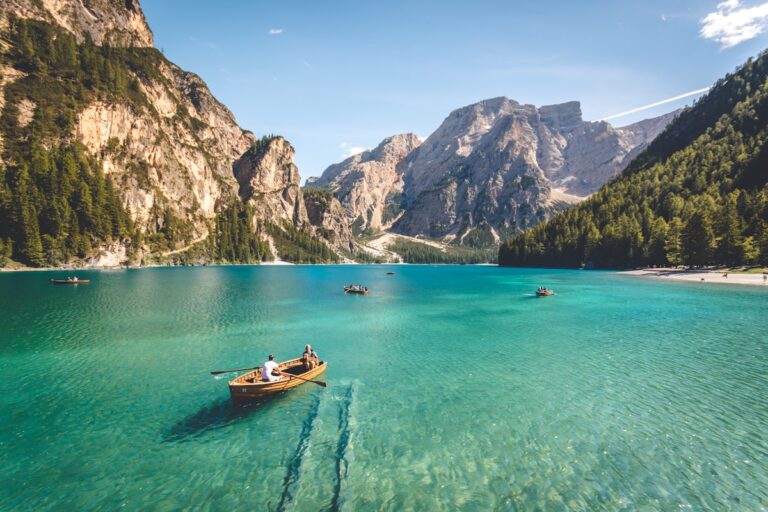
Sayram Lake blue water and mountains

Sayram Lake alpine water reflection at sunrise
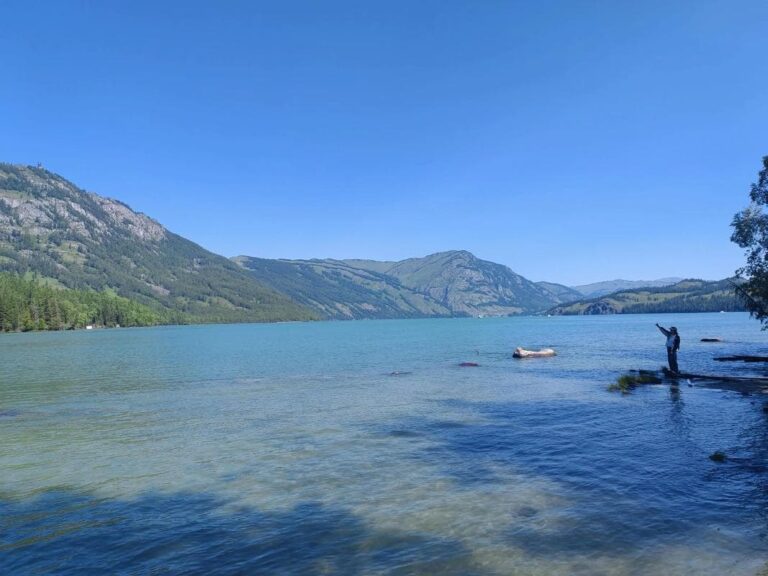
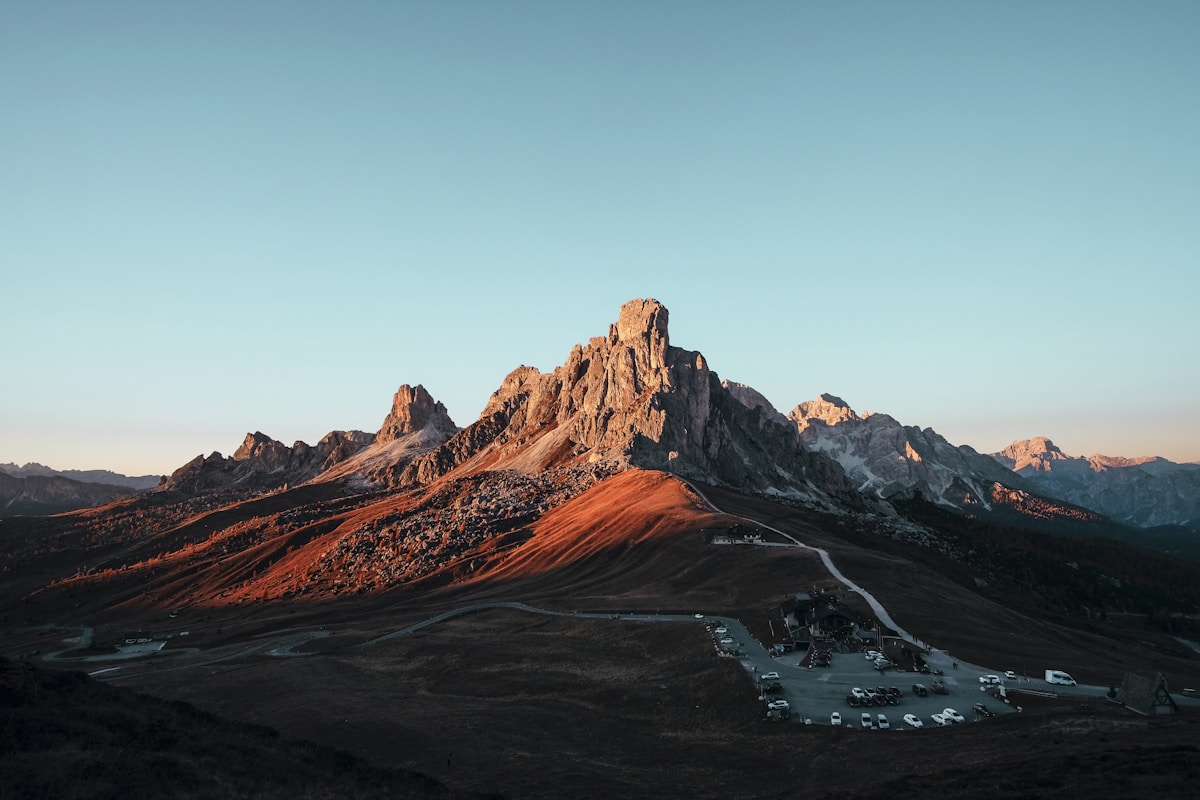
Sayram Lake ring road panoramic view with Tianshan mountains
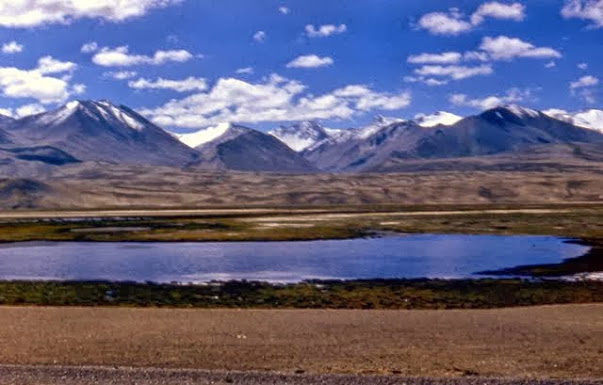
Sayram Lake shore with Kazakh yurt and grassland

Why Sayram Lake Belongs on Your Xinjiang Itinerary

There are alpine lakes, and then there is Sayram Lake. At 2,073 meters above sea level in the Bortala–Ili corridor, it is Xinjiang’s largest alpine lake — and the only one that behaves like it has a mood disorder. One hour the water is slate-gray and wind-chopped; the next it is electric cyan, still as glass, reflecting a snow ridge that has no business being this far inland. The Mongol name “Sayram” translates to “blessing.” The old Silk Road label — “The Last Tear of the Atlantic” — captures the atmosphere better: isolated, overwhelmingly blue, ringed by peaks that mark where the warm, wet Atlantic air finally runs out of road.

If you are planning a trip to Xinjiang’s Ili region, this lake is not optional. It is the anchor. You plan the rest of your Yining-based loop around it, not the other way around.

The Landscape: What Makes Sayram Different

Sayram is oligotrophic — meaning nutrient-poor, ice-fed, and remarkably clear. There are no major rivers flowing in; the lake is topped up almost entirely by snowmelt and direct precipitation. That is why the color is so volatile. Suspended glacial flour, cloud cover, and the angle of the sun conspire to change the water from jade-green to steel-blue to burnt-orange within a single afternoon.

The lake sits in a tectonic basin surrounded by the Tianshan massif. On the north and west rims, snow peaks hold their white year-round. The lakeshore itself alternates between gravel beach, marshland (home to migratory birds), and seasonal yurt encampments where Kazakh families offer milk tea and grilled fish to travelers.

Unlike Heavenly Lake near Urumqi, which is heavily developed with cable cars and boat tours, Sayram retains a raw, wind-scoured quality. The ring road that hugs the shoreline is paved and passable, but there are long stretches where you will be the only vehicle pulled over.

Best Time to Visit Sayram Lake

Timing determines whether you see the “Atlantic tear” or a frozen crater.

Season What You Get Surface Condition
Late May – June Lake ice breaks up; wildflowers begin on the south shore; nomadic families return to lakeside yurt camps Partially open water; colors volatile
July – August Peak azure saturation; warm lakeside days (15–22°C); highest domestic tourist volume Fully open; electric cyan peak
September Locals say this is the best month — crisp air, golden steppe grasses, fewer tour buses, cleaner light Open; photographically ideal
October – April Often closed to through-traffic or brutally cold; lake surface freezes solid Ice-covered; not a standard visit window

If you have flexibility, aim for early September. The photography conditions are the best of the year, the mosquito pressure drops, and you can drive the entire ring road without being stuck behind a convoy of tour buses.

Tickets, Fees & the Self-Drive Question (2025–2026)

Sayram Lake scenic area uses a combined admission model. As of the 2025–2026 season:

  • Lake entrance: approximately ¥70 per person.
  • Self-drive pass (foreign-plated vehicles): approximately ¥145 total per vehicle for the daily lakeside highway access. Policy on this shifts annually — confirm at the toll gate when you arrive. Some years require you to park at the lower lot and transfer to the scenic shuttle; other years allow private cars on the ring road with a day pass.
  • Shuttle bus: included in some ticket bundles; runs the main viewpoints if self-drive is restricted that year.

Important: foreign passport holders must present their passport at the entrance gate. This is standard procedure across Xinjiang scenic areas and normally takes less than five minutes.

The Ring Road: 90 Kilometers of Pull-Offs

The reason you came is the ring road — roughly 90 km of asphalt and gravel that hugs the shoreline, with a designated pull-off every few kilometers. Each stop gives you a different angle on the water and the surrounding Tianshan wall.

Key viewpoints to prioritize:

  • West Platform (西台子): The classic wide-angle shot. You look back east along the full length of the lake, with the snow line as a backdrop. Best in the last 90 minutes before sunset.
  • Southeast Inlet (东南河口): Where the steppe grasses meet the water. In September the grasses turn copper-gold and the water goes cobalt. This is where the “Last Tear of the Atlantic” photographs happen.
  • North Shore Marshes: Boardwalk access to wetlands where migratory birds rest. Bring binoculars if you have them; the birdlife is genuinely good here in May and September.

Plan on at least 3–4 hours to drive the full loop with stops. If you are here for photography, give it a full day — the light changes radically every hour.

Where Sayram Fits in Your Ili Loop

Sayram Lake is the northern anchor of the Ili ring route. A well-paced loop looks like this:

Day 1: Arrive in Yining (Ili city). Pick up your charter vehicle. Drive east on G30 toward Huocheng. Stop at Guozi Gorge (果子沟大桥) for the cable-bridge photo — the road architecture against the canyon is spectacular. Continue to Sayram Lake; enter the scenic area in the late afternoon for golden-hour photography. Stay overnight at a lakeside yurt camp or return to Bortala for a hotel.

Day 2 (June only): If you are here in mid-June to early July, add Huocheng lavender fields on your way back south. The purple stretches are not Provence, but they are the best in China. Combine this with a stop at a local lavender product workshop (essential oils, dried sachets) — fair prices, no pressure.

Day 3–4: Continue the loop south toward Yining, then east to Nalati Grassland or Kongna Grassland depending on your hiking ambition. Sayram works equally well as the opening or the closing of this loop.

Staying With a Kazakh Family: What to Expect

Seasonal yurt encampments operate from roughly late May through September on the east and south shores. These are not museums — they are working homes. A typical stay includes:

  • A mattress on the yurt floor (¥80–200 per person including dinner and breakfast).
  • Communal meals: milk tea, kurut (dried cheese balls), laghman noodles, and occasionally grilled rainbow trout (introduced to the lake in the 1990s; ecologically controversial but economically real).
  • Outdoor pit toilets. No plumbing. Solar lamps at night.

It is rustic. If you are expecting a glamping resort, this is not that. But waking up to glacier light filtering through felt walls, stepping out onto grass still wet with dew, and watching the lake turn from gray to blue as the sun clears the ridge — that is the experience people travel 6,000 miles for.

Etiquette: Always ask before photographing a herder or their children. A smile and a raised-eyebrow gesture (“may I?”) works across the language gap. Cash tips are appreciated — ¥10–20 for a small favor, ¥50 for a meal you clearly were not charged enough for.

Altitude, Weather & What to Pack

Sayram sits at 2,073 m. Altitude sickness is uncommon here but not impossible, especially if you have driven straight up from Yining (~600 m) without acclimating. The bigger challenge is the weather.

  • Temperature swing: It can be 18°C and sunny at 14:00, then 4°C and windy at 20:00. The lake generates its own microclimate — a calm afternoon can turn into a whitecap gale in twenty minutes.
  • Sun protection: The UV index at 2,000+ m with reflective water surface is punishing. SPF 50+, a wide-brim hat, and sunglasses are non-negotiable.
  • Wind: The “wind” in “Ili River Valley” is not a metaphor. Secure hats, light tripods, and anything that wants to blow into the lake.
  • Water: Bottled only. There are no refill stations past the lower entrance gate. Carry at least 1L per person.
  • Mosquitoes: Present in late May through July in the marsh areas. DEET 30%+ recommended if you are doing the boardwalk walks at dusk.

Photography Notes: Getting the Shot

Sayram is one of the most photographed locations in Xinjiang, and for good reason. A few notes that are not in the guidebooks:

  • Golden hour: The west platform faces east, so morning lights the foreground mountains and the water surface. Evening lights the backdrop ridgeline. Both are worth shooting; plan two sessions if you can.
  • Polarizer: Useful for cutting surface glare, but be aware it will darken the sky significantly. Bracket your exposures.
  • Drone policy: Restricted in most zones. Ask at the ticket office. The ring road has designated no-fly areas near the wetland boardwalks.
  • Weather patience: If it is slate-gray and windy when you arrive, do not leave. The lake can flip to cyan in under thirty minutes if the clouds break. Wait it out at the west platform.

Practical Logistics: Getting There & Getting Around

From Yining (Ili): Approximately 90 km / 1.5 hours east via G30 expressway. The road itself is worth the drive — Guozi Gorge is engineering eye-candy.

Charter / private car: The standard foreign-visitor solution. A full-day charter from Yining covering Sayram and the return via Huocheng runs approximately ¥600–900 including waiting time and driver meals. This is the recommended option — it solves the language barrier at toll gates and gives you flexibility on viewpoint stops.

Public transport: Limited. There are tourist buses from Yining in summer, but they run on a fixed schedule and will not wait for your “one more photo.” Not ideal for a landscape photography trip.

Self-drive: Permitted in some years with the day pass (see above). Check current rules at the gate. The ring road is paved but has no guardrails in some sections — do not drive it at night if you are unfamiliar with the route.

Respect, Safety & Leave-No-Trace

Sayram Lake sits within a protected scenic area. The rules are not suggestions:

  • No feeding wildlife (marmots look cute; they carry plague-risk fleas and are a protected species — fines exist).
  • No wandering off the designated pull-offs into fragile marshland.
  • Pack out everything. The lake’s oligotrophic status means it has very little natural capacity to break down introduced waste.
  • If you buy from a yurt family, pay the asked price without haggling aggressively. The tourism economy here is thin and seasonal.

The Verdict

If Xinjiang is a highlight reel, Sayram Lake is the slow-motion sequence. It is not the easiest place to reach on this itinerary, and the weather may not cooperate, but when it does — when the wind drops and the water goes still and the color flips from gray to that impossible cyan — you will understand why the Silk Road caravans named it the Last Tear of the Atlantic. It is not just a lake. It is a weather system, a viewpoint, and a reminder that some places are still defined by light rather than infrastructure.

Plan for it. Wait for it. It is worth both.

类似文章