Solo Female Travel in Xinjiang: Safe, Welcoming, and Practical
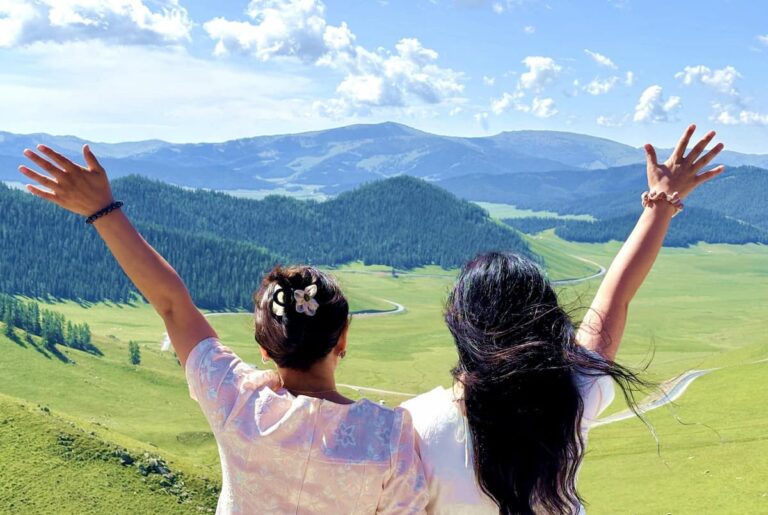
Solo women travel Xinjiang regularly and, by most accounts, find it safer than many places they’ve been. The region is heavily policed, the culture is hospitable, and harassment is rare. The real considerations are logistical — getting around efficiently, choosing lodgings, and navigating the occasional cultural boundary — not personal security. This is the practical solo-woman picture.
Safety first, because it’s the question everyone asks.
Safety
Petty crime against tourists is low; the visible security presence is routine, not a warning. Standard smarts suffice: watch your bag in crowded bazaars, don’t walk drunk alone at 3 a.m. (the markets close early anyway), and trust your instinct about a taxi or a situation. The checkpoints ask for your passport — have it ready, stay calm, and you’ll move through fine. Many solo women report feeling more comfortable here than in big European or Latin American cities.
Accommodation and Transport
City hotels are safe and register you automatically. For yurt or guesthouse stays, book through a reputable scenic-area operator and tell someone your plan. Transport: trains and flights are easy and secure; long-distance buses less so for comfort — prefer the train or a hired car. Ride apps exist but are local (DiDi operates in China); in small towns, regulated taxi stands are fine. Share your live location with someone back home.
What to sort out before you fly
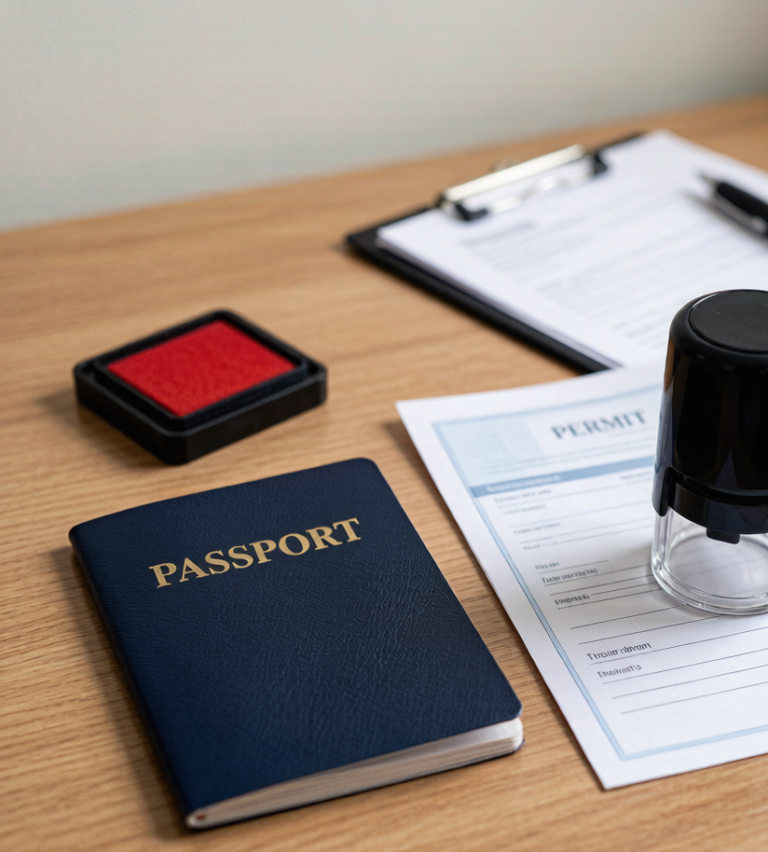
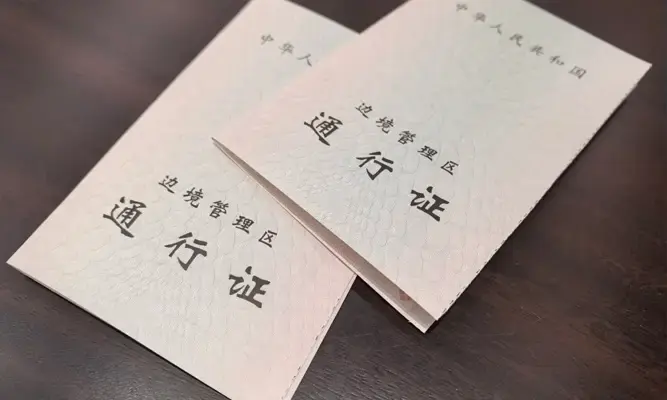
Three things, in this order. Everything else on this list can be sorted at the airport desk or the hotel lobby, and mostly is. The border permit if your routing goes near a closed frontier, because that one has lead time nobody can compress. And the car, if you are driving, well ahead in the peak months. The first two nights in the far cities, which is where the good rooms go. That stretch of the trip is described in our [[xinjiang-solo-female-travel-safety|Solo Female Travel in Xinjiang: What’s…]] too.
What a day actually costs
Food is the smallest of the three if you eat where locals eat and the biggest if you eat where the menu is in English. The places where it stops being cheap are the entrance tickets and the guided days. For two people driving, a day that includes a hotel runs a small fraction of the same day in Western Europe, and the gap opens further once you stop paying restaurants. The shape is simple: the car and the fuel, the rooms, the food. Where most people get the logistics wrong is covered in our [[is-xinjiang-safe-for-solo-female-travelers-a-practical-honest-guide|Is Xinjiang Safe for Solo Female Travelers?…]].
What people get wrong before they come
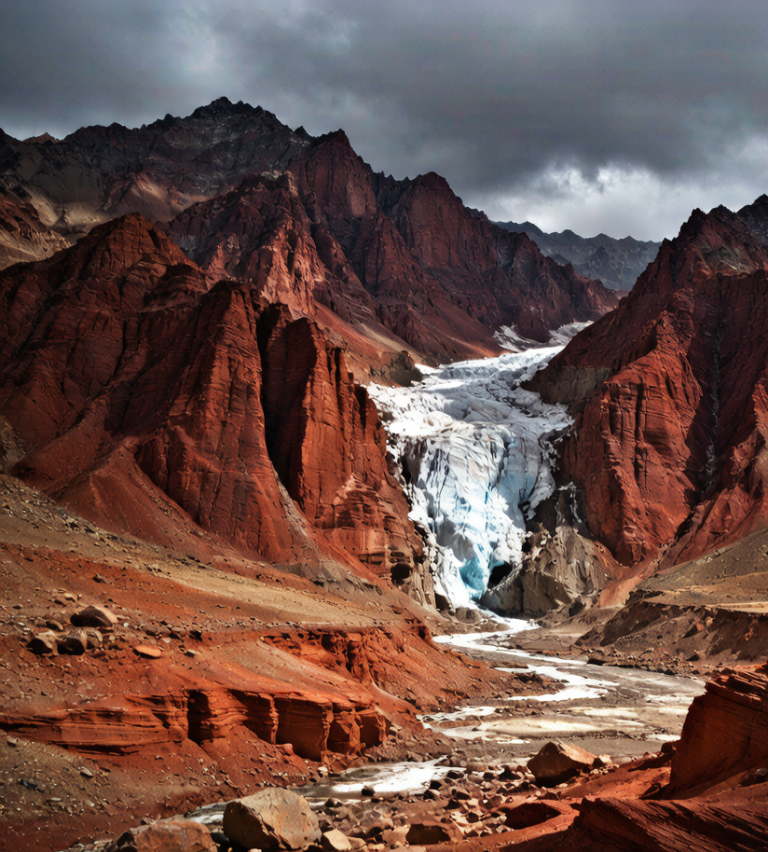
The oasis towns, the water running beside the road, the fields at the foot of a glacier: that is Xinjiang, and it is not in the photographs on the back of the bus seat. They come expecting desert to be the whole picture, then find the green is what stays with them. The second thing is scale. Distances here make a small itinerary feel enormous, and the fix is not more days but fewer stops with longer looks at each. The evening version of that plan is in our [[xinjiang-in-december-a-practical-winter-travel-guide|Xinjiang in December: A Practical Winter…]].
Who this kind of trip suits
It is less good with a fixed number of days, a small budget for a guided solution, and a low tolerance for checkpoints. Someone who likes long horizons on the road and does not need a cafe on every corner. There is no version of this where you see the whole region in three days, and the guides promising it are lying. Someone with a week, or two, prepared to sleep in two different kinds of bed in four days. Where most people get the logistics wrong is covered in our [[is-xinjiang-safe-for-tourists-2026-travel-safety-guide|Is Xinjiang Safe for Tourists in 2026? What…]].
Cultural Norms
Xinjiang is conservative in dress compared to coastal China, especially the south. Loose, modest clothing (covering shoulders and knees) reads as respectful and also protects from sun. A scarf doubles as a sun and a respect tool. Photography of people: ask first, especially at markets and in villages — a smile and a gesture covers most language gaps. In conservative areas, avoid overt public affection.
Practical Wins
Learn a few phrases (hello, thank you, how much) — they open doors. Use Alipay/WeChat for straightforward payment. Download offline maps. And lean into the hospitality: the night-market tea stall and the yurt host are where the best, safest connections happen. Solo in Xinjiang isn’t brave — it’s just travel, with great views and kind strangers.