Samsa (烤包子): Xinjiang’s Baked Lamb Buns and the Oven They’re Born In
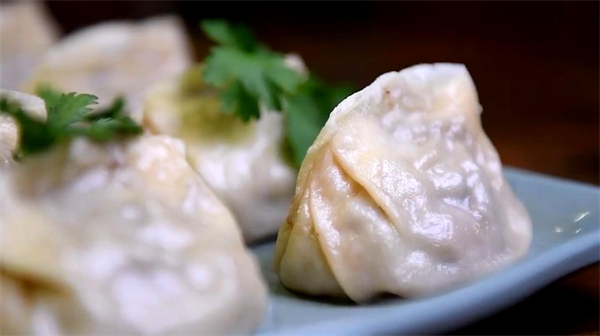
Samsa (烤包子, ‘roast bun’) is the snack that ruins every other pastry for you. It is a small, folded parcel of lamb and onion wrapped in a thin, flaky dough and baked stuck directly to the wall of a tandoor, so the bottom crisps against the heat while the top stays tender. Pull one out hot, and the lamb fat has melted into the dough — the single best two-bite food in Xinjiang.
The name and the form traveled the Silk Road from Central Asia (the Uzbek samsa, the Indian samosa share a root), but Xinjiang’s version is its own: bigger, lamb-forward, and baked rather than fried.

The Filling
The classic is diced lamb (with a little fat), onion, salt, pepper, and often a pinch of cumin or a few grains of black pepper. Some shops add pumpkin (for a sweeter vegetarian version) or chicken. The key is the fat — lean-only samsa are dry. A good baker uses just enough tail fat that the filling steams inside the dough while the exterior crisps.
The dough is a simple wheat pastry, rolled thin and folded into a square or triangle. Unlike a steamed baozi, there is no proofing drama; it is about the oven.

The Bake
Samsa are pressed onto the tandoor wall with a wet slap that makes them stick through the bake. The radiant heat crisps the bottom to a shattered flake and cooks the lamb through in minutes. They come out irregular, blistered, and addictive. Bakeries often sell by the piece from a basket near the oven; the ones just pulled are worth waiting for.
Because they bake fast, the best samsa are from places that bake continuously rather than in one morning batch. Find a shop with a steady stream of customers and you will rarely get a cold one.
Where and How to Eat
Samsa are breakfast and snack food — eaten standing at the bakery, or bought by the half-dozen for a day of sightseeing. They are portable, cheap, and filling. In Kashgar, the Old Town bakeries pull them all day; in Urumqi, the bazaar fringes and university district are dependable; in Hotan and Yarkand the pumpkin version is a local specialty.
Eat them hot. The flake collapses as they cool, and the fat sets. Tear one open and let the steam out before biting. Pair with milk tea for a perfect Xinjiang breakfast, or with a skewer of kawap for the full street-food bracket.
Samsa is the quiet MVP of the regional table — less famous abroad than hand-pulled noodles, more everyday than polo. For the snack chapter of our Xinjiang Travel Guide, it is the first thing to try on arrival and the thing you will miss most on the flight home.