Kyrgyz Nomad Etiquette in Xinjiang: Summer Pastures and Yurts
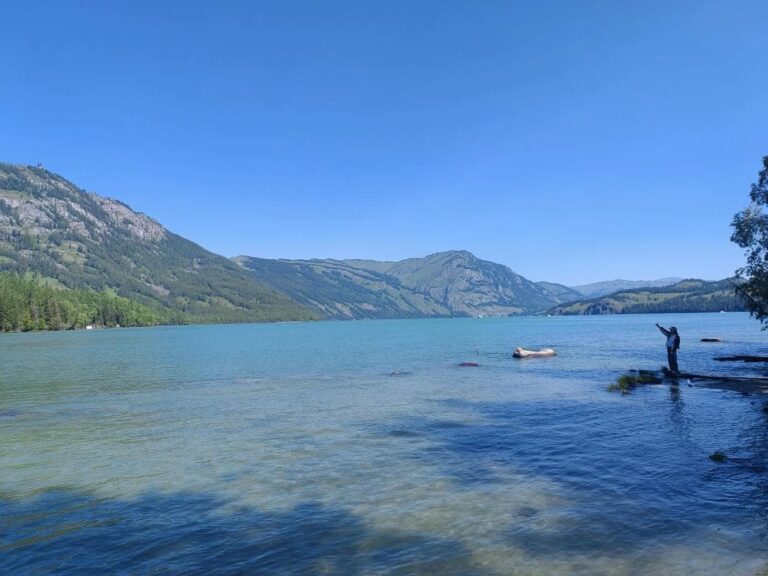
The first Kyrgyz yurt I entered stood at over 3,000 meters near Karakul Lake, wind off Muztagh Ata humming through the felt. The herder’s wife didn’t speak Mandarin or English, but she took my frozen hands, pressed them around a bowl of broth, and pointed to the seat by the stove. No words, total welcome. Kyrgyz nomad etiquette is encoded in gesture and order — and once you learn the shape of it, the high pastures open up in a way no viewpoint can match.
This guide is for travelers heading to the Pamir or western Tian Shan, where Kyrgyz communities still move with the seasons.
The Yurt as Ordered Space
As with Kazakh nomads, the yurt has rules. The shanyrak (roof wheel) is sacred — never lean against it or touch it casually. The seat opposite the door is for elders and guests. Step over the threshold, never on it, and remove hats indoors. Keep your feet from pointing at the stove or anyone’s face when you sit cross-legged.
Greeting and the Right Hand
A handshake with the right hand, often joined by placing the left hand on the right forearm, is the respectful greeting. Say “Salamatsyzby?” (are you well?). Among close kin, an embrace and a kiss on alternate cheeks is normal — but as a stranger, a handshake and nod suffice. Always let the elder or host lead.
Pasture Courtesy
Kyrgyz herders live by the land, and visitors should tread lightly. Don’t wander into a flock with a dog; ask before approaching livestock. Don’t pick plants indiscriminately or disturb sacred sites like mazars (shrines). If you’re offered a horse ride, accept as a guest honor but follow the herder’s instructions exactly — mountain horses are sure-footed but untrained riders are not.
| Setting | Do | Don’t |
|---|---|---|
| Yurt interior | Step over threshold, sit where shown | Touch shanyrak, point feet at stove |
| Pasture | Ask before approaching animals | Startle dogs or flocks |
| Shrine (mazar) | Approach quietly, dress modestly | Photograph disrespectfully |
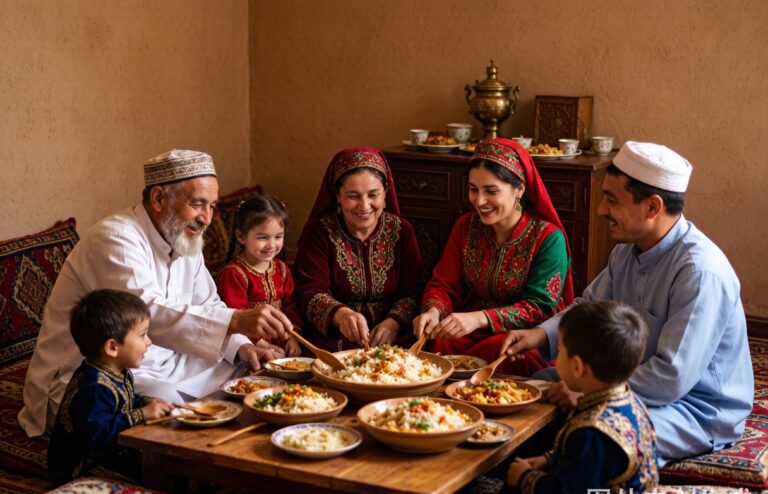
| Meal | Accept tea, taste dishes | Refuse the first offer |
Eagle Hunting and Seasonal Life
In winter, some Kyrgyz near the Pamir practice berkutchi (golden eagle hunting) — a heritage skill, not a show. If you witness it, watch respectfully and don’t crowd the bird or handler. In summer, families move to jailoo (high pastures); if you visit then, you’re seeing the nomad calendar in full swing, with cheese-making, horse games, and evening song.

Sharing the Table
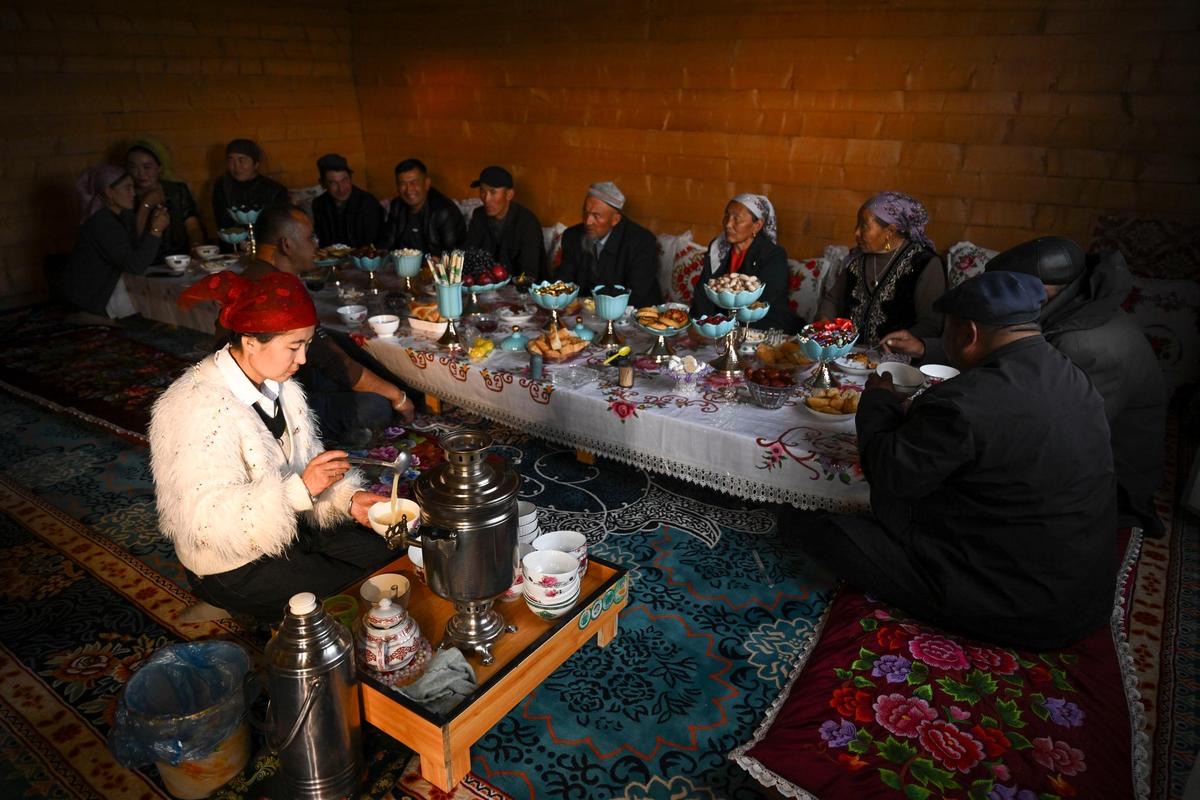
Accept tea and boorsok (fried dough) without hesitation. If offered kurut (dried salty cheese balls) or shyrdak-worthy hospitality, taste and compliment. A small gift of sugar, tea, or a utility item (like a good knife for the herder, given with the coin ritual) is appropriate. For the road context, our Pamir Plateau drive guide maps the villages where these customs live.
The Jailoo: Summer’s Vertical Migration
Kyrgyz life in Xinjiang follows altitude. In winter, families shelter in valley villages; as snow melts, they drive herds up to the jailoo (summer pasture), sometimes for months. If you visit a jailoo yurt in July, you’re seeing the nomad calendar at full tilt: cheese drying on racks, horses being broken, children racing. Your presence is tolerated as a guest, not a customer — so mimic the family’s rhythm rather than imposing your own.
Respecting the Land and Livestock
The pasture is both home and livelihood. Don’t drive vehicles onto fragile meadow; park where told. Ask before approaching yaks, horses, or the famous Kyrgyz eagles. Herders read a visitor’s respect for animals as a measure of character — I’ve been quietly judged, and then warmly accepted, based on how I approached a skittish colt.
Shrines and the Sacred Landscape
The Pamir and Tian Shan are threaded with mazars (shrines) and oboo (cairns). These are not photo backdrops; they’re active places of respect, often marked with tied cloth strips. Walk around an oboo clockwise, don’t sit on it, and keep your voice down near a mazar. Our Pamir drive guide routes past several; treat each as holy ground.
| Site | Behavior |
|---|---|
| Oboo cairn | Walk clockwise, tie cloth, silent |
| Mazar shrine | Modest dress, low voice |
| Pasture meadow | Stay on paths, ask re: animals |
| Yurt interior | Step over threshold, seat shown |
Eagle Hunters and Heritage
The berkutchi tradition — hunting with golden eagles — survives among Kyrgyz and Kazakhs on the Pamir. Where you witness a demonstration, remember the bird is a trained partner, not a pet. Keep distance, follow the handler’s instructions, and never attempt to feed or call the eagle. A respectful observer may be invited closer; a pushy one will be waved off.
Staying in a Guest Yurt
Established guest-yurt routes near Karakul Lake let you sleep in a yurt with a herder family. Bring a small gift (tea, sugar), dress warmly, and follow the household’s lead on meals and prayers. The experience is unforgettable — and the etiquette that protects it is simple: be a guest, not a guest-star.
The Unspoken Rules of the Pasture
On the jailoo, etiquette is practical survival wrapped in respect. Don’t let your dog near the flock; don’t cut across a family’s grazing line; don’t camp on a watered meadow another herder depends on. These aren’t written laws but everyone knows them, and a visitor who learns them by watching earns quiet respect. I once pitched a tent too close to a water source and was corrected gently at dawn — a lesson in shared resource that city life had erased from me.
Honoring the Eagle and the Horse
Two animals define Kyrgyz heritage: the golden eagle and the horse. Both are treated with a reverence visitors should mirror. Don’t approach an eagle without the handler; don’t feed a horse unasked. If invited to mount, do so from the left, gently, following the herder’s cue. The horse is livelihood and companion, not a rental. Treating it well signals you understand the culture’s center, not its sidelines.
The Etiquette of Asking
On the pastures, the most respectful thing you can do is ask before you do — before photographing, before approaching animals, before entering a yurt that isn’t a guest site. A lifted hand and a smile asks the question across any language. Kyrgyz herders are famously hospitable but also famously proud; the ask honors both. I’ve been invited deeper into pasture life precisely because I paused at the gate instead of walking in.
Leaving the Pasture Clean
Nomad etiquette extends to the land. Pack out what you bring, don’t scar the meadow with tires or fires, and leave the oboo cairns as you found them. The jailoo supports the herder’s whole year; a careless visitor can damage a season’s grazing. Treating the pasture as the family’s pantry — because it is — is the final, quiet sign you understood the nomad world you briefly entered.
Where first timers go wrong
The trap here: Safe to visit kyrgyz yurts as a tourist
Yes, and it’s a highlight. Stay on established guest-yurt routes, ask before photographing, and follow the herder’s lead.
Where people slip: Bringing to a yurt visit
Tea, sugar, or a small useful item for the host. Avoid alcohol. A headscarf for women is respectful near shrines.
The usual error: Photograph the eagles
Only with clear permission from the handler, and never so the bird is stressed. These are working animals, not props.
Easy to get this wrong: Kyrgyz herders speak mandarin
Often limited; Kyrgyz or a local dialect is primary. A translation app and patience work wonders, as does simply sharing food.
The trap here: Best time to see nomad life
Summer (June–September) for high pastures and festivals; winter for eagle hunting, though roads are harder.