Xinjiang Kebab Culture: Beyond the Basic Lamb Skewer
Kawap is just the start — Xinjiang’s grill includes ribs, liver, fish, and the big-format whole leg. This guide covers the cuts, the regional styles, and how to order like a regular.

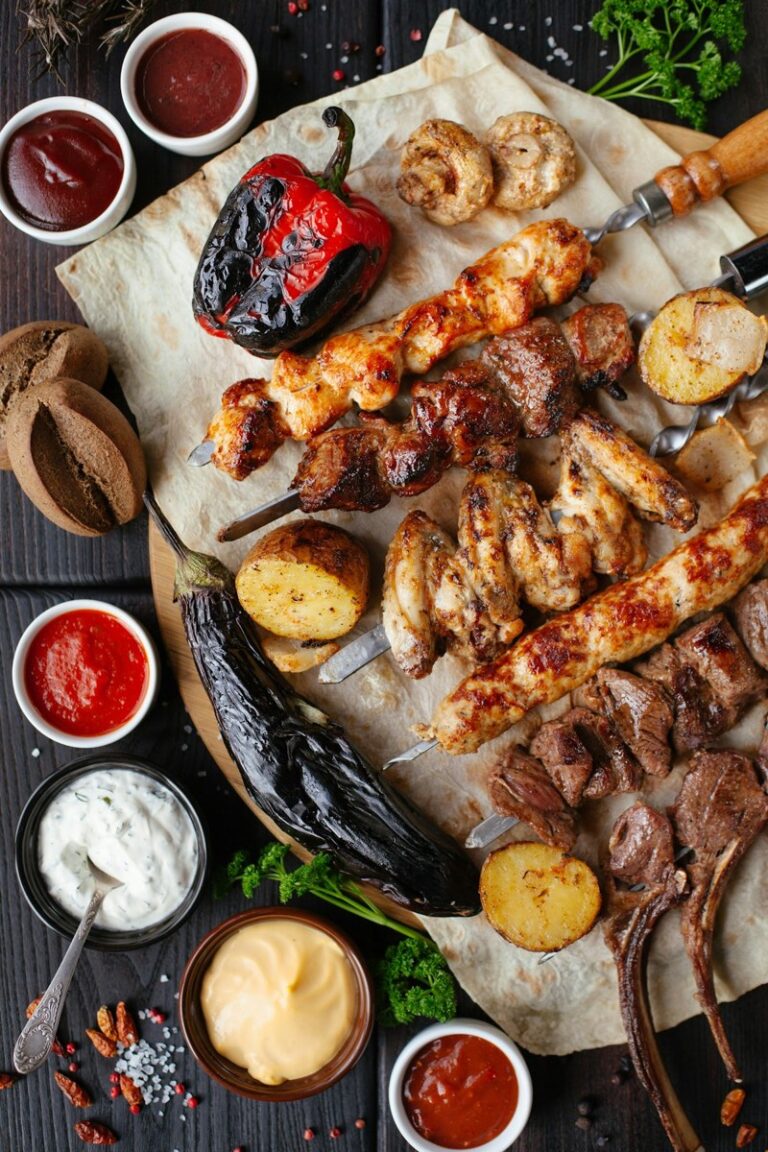
Kawap is just the start — Xinjiang’s grill includes ribs, liver, fish, and the big-format whole leg. This guide covers the cuts, the regional styles, and how to order like a regular.

Beyond fruit, Xinjiang’s sweet tooth runs to baklava, walnut cakes, and a dense milk ice cream. Here’s the dessert board, where to find it, and what’s worth the sugar.
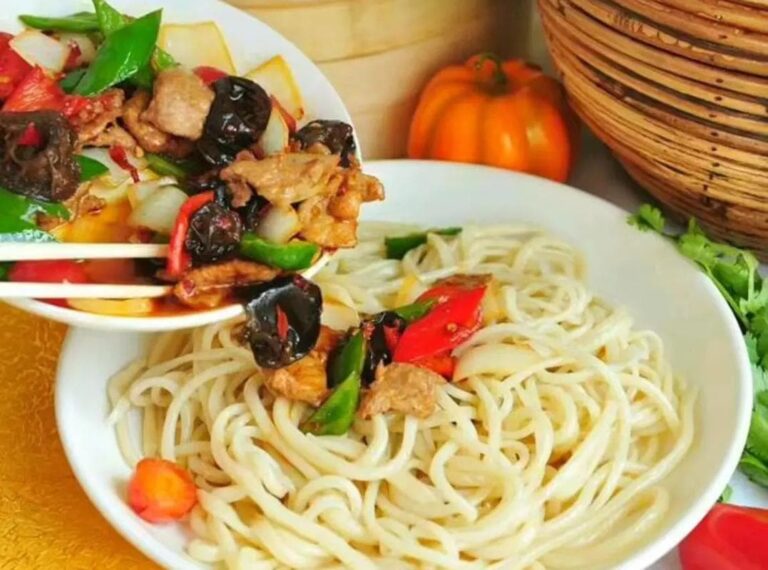
Not all Xinjiang noodles are dry — ququ (Uyghur wontons) and suytash (noodle soup) bring broth to the table. Here’s the soupy side of the region’s wheat culture and where to find it.
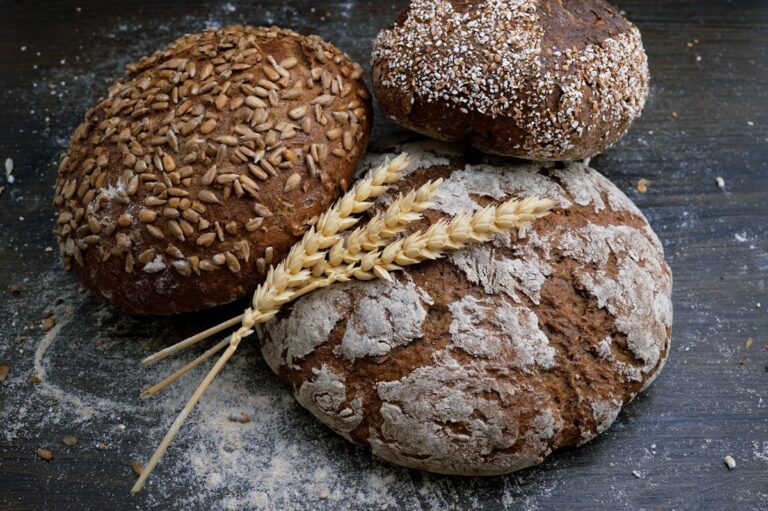
Xinjiang is overwhelmingly halal and heavily meat-based — but vegetables, bread, and fruit make it workable for lighter and meat-free eaters. This guide covers what’s safe, what’s available, and how to order.

Xinjiang’s rich lamb table is balanced by sharp pickles, raw onion, and cold salads. This guide covers the sour sides — from pickled garlic to tomato-onion — that make the heavy food work.

When Xinjiang drops to -20°C, the food turns hot and hearty — whole lamb, hand-pulled noodles in broth, and spiced tea. This guide covers the cold-weather menu and where to find the warmth.
Liangpi — cold wheat noodles with vinegar, garlic, and chili oil — is Xinjiang’s answer to summer heat. Here’s the dish, the regional twist, and where to find a good bowl.
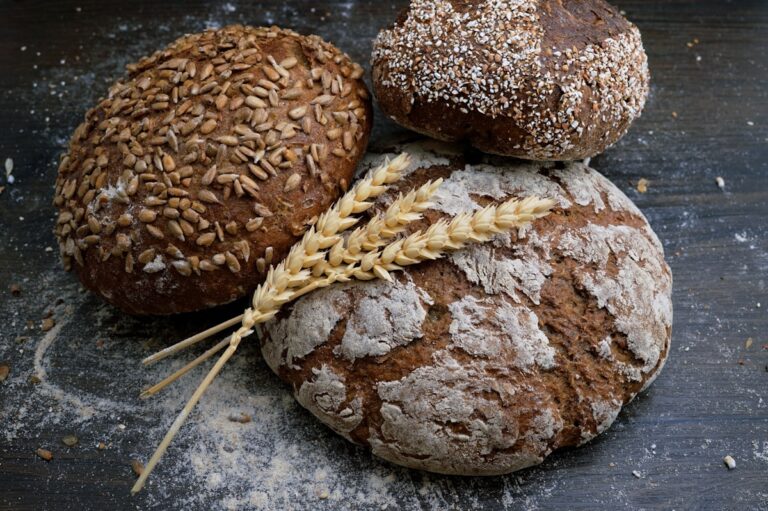
Breakfast in Xinjiang is simple — naan, milk tea, boiled eggs, and maybe jam. This guide covers the morning table across the region and how to eat like a local at first light.
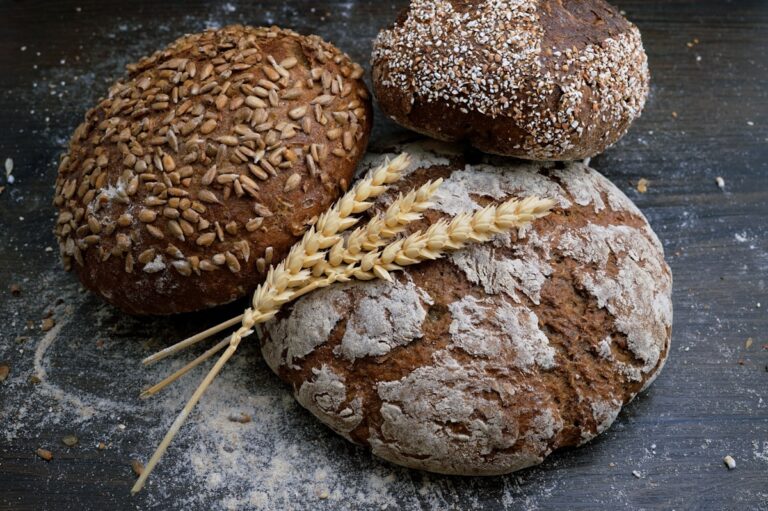
From kawap to polo to sanzi, Xinjiang’s menu has a vocabulary of its own. This glossary covers 20 key dishes and words so you can order, point, and eat with confidence.
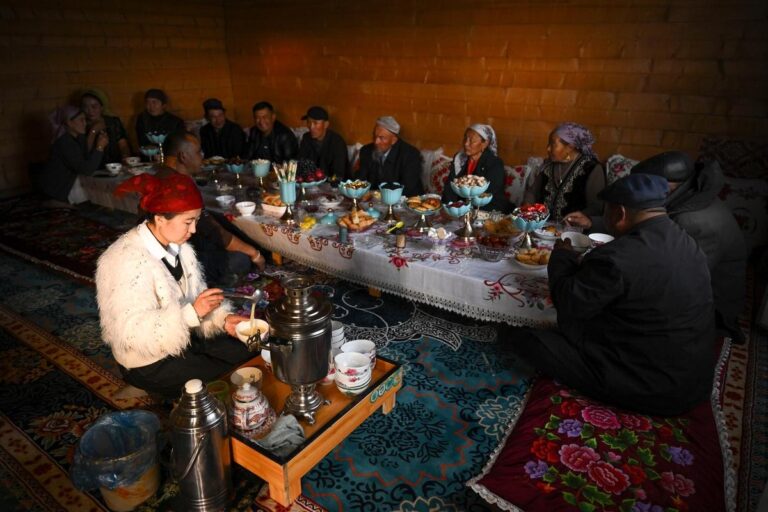
Why it is worth the detour When travelers think of Xinjiang drinks, the salty, creamy milk tea (nǎi chá) usually comes to mind first. But tea in this vast northwestern region is far more varied than one iconic cup suggests. Sitting at the crossroads of the ancient Silk Road, Xinjiang absorbed tea customs from China,…