Xinjiang Fruits & Melons: The Sweet Edge of the Desert
Xinjiang’s melons, grapes, and apricots are legendary — the heat and the dry air make them the sweetest in China. Here’s what to eat, when, and why the desert grows such sugar.


Xinjiang’s melons, grapes, and apricots are legendary — the heat and the dry air make them the sweetest in China. Here’s what to eat, when, and why the desert grows such sugar.
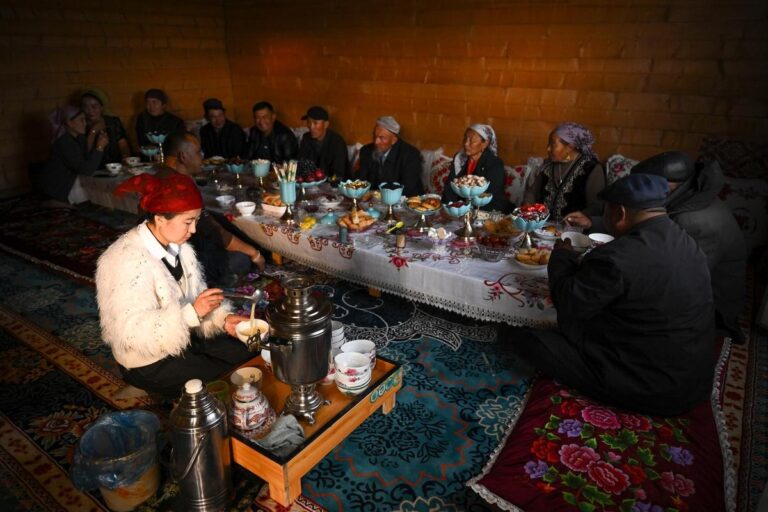
Tea in Xinjiang splits north and south — salty milk tea in the pastures, sweet black chai in the oasis. This guide covers both, the rituals, and where to drink the real thing.

Xinjiang is safe for travelers and the main health risks are altitude, sun, and rich food — not crime. This practical guide covers altitude, water, hospitals, and everyday peace of mind.
China’s internet is walled and Xinjiang’s coverage varies by terrain. This guide covers SIM cards, VPN reality, offline maps, and how to navigate without Google on the road.
The Urumqi–Kashgar drive is the classic Xinjiang traverse — 1,500 km of desert, mountain, and oasis. This guide covers the route options, overnight stops, and how to split the days.
Xinjiang’s high passes — Duku, Pamir, Tianshan — open and close on snow, not schedules. This guide covers the seasonal clock, chain rules, and how to drive a pass safely.
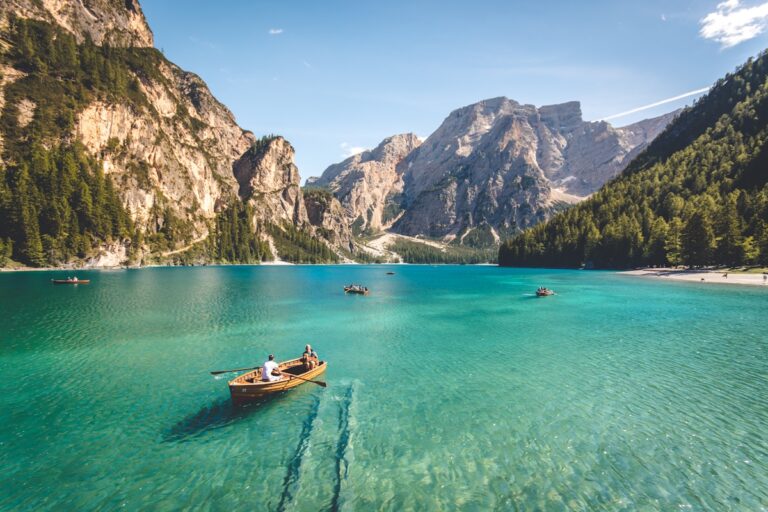
Baihaba is the tranquil Tuvan village near the Kazakhstan border, quieter than Hemu and permit-controlled. Here’s how to visit, the border rules, and why it rewards the extra step.
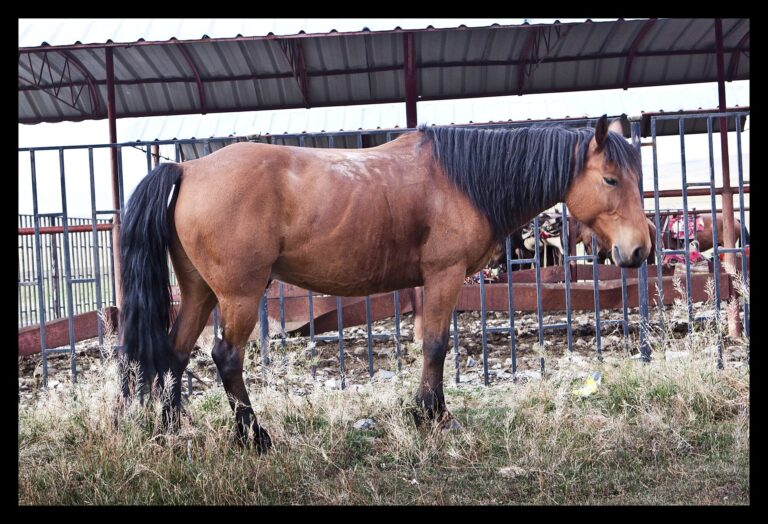
Wucaitan — the Colorful Beach north of Burqin — is a band of eroded multicolored cliffs across from green river forest. Here’s the best time to visit, how to get there, and what makes the colors.
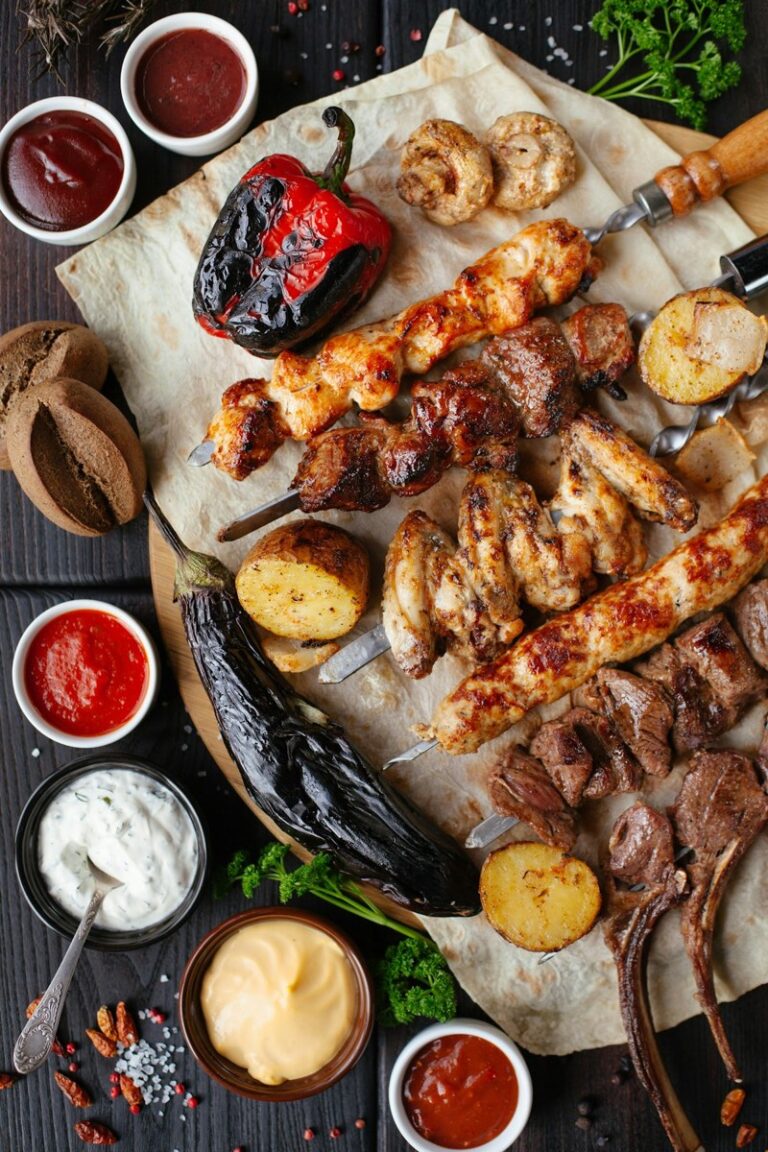
Kawap is just the start — Xinjiang’s grill includes ribs, liver, fish, and the big-format whole leg. This guide covers the cuts, the regional styles, and how to order like a regular.

Beyond fruit, Xinjiang’s sweet tooth runs to baklava, walnut cakes, and a dense milk ice cream. Here’s the dessert board, where to find it, and what’s worth the sugar.