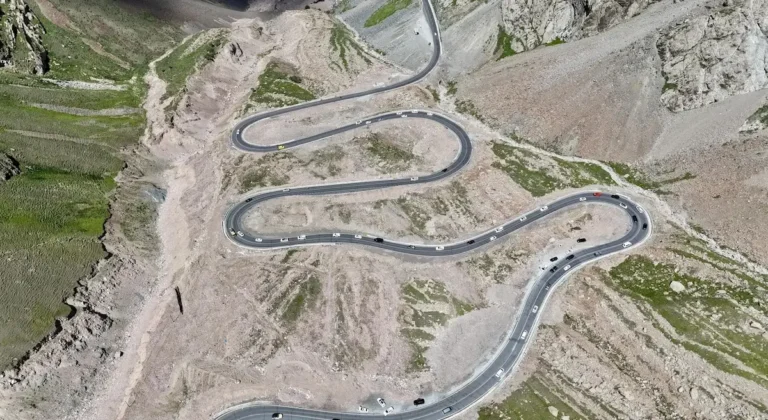

Mountain Pass Driving in Xinjiang: Snow, Ice, and the Seasonal Clock
Xinjiang’s high passes are the drama of the region — and the discipline. Unlike lowland highways that run year-round, the Duku, the Pamir route, and the Tianshan crossings open and close on snow, not timetables. A pass open in July can be a blizzard in May. Driving them well is mostly about respecting that clock and the conditions, not the car.
Here’s the seasonal logic.
The Opening Calendar
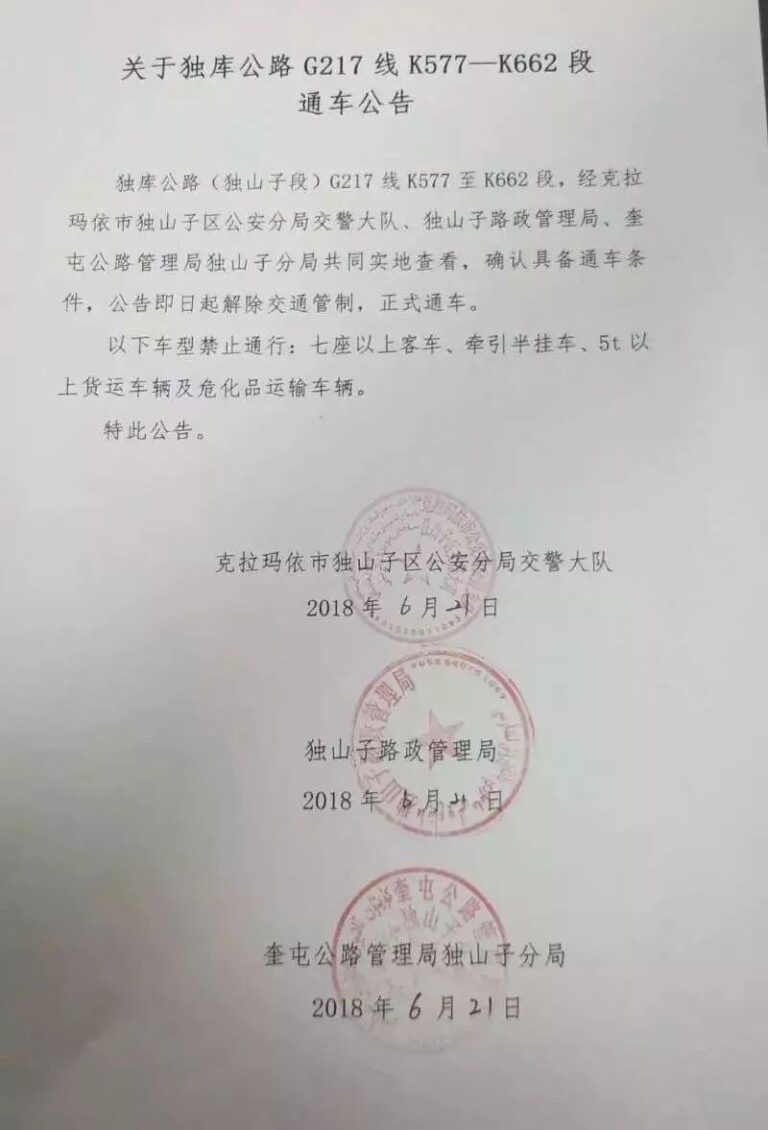
Duku Highway: roughly June 1 to October 10, depending on snow. Closed in winter; can close for weather even in season. One-way-timed sections in peak months.
Pamir (G314 to Khunjerab): the Tashkurgan road is open much of the year but the upper pass closes in winter and can ice in shoulder months. Summer is reliable.
Minor Tianshan passes (e.g., between Nalati and Kuerdening): narrow, slower, and more weather-exposed — check before any off-season crossing.

Driving the Pass
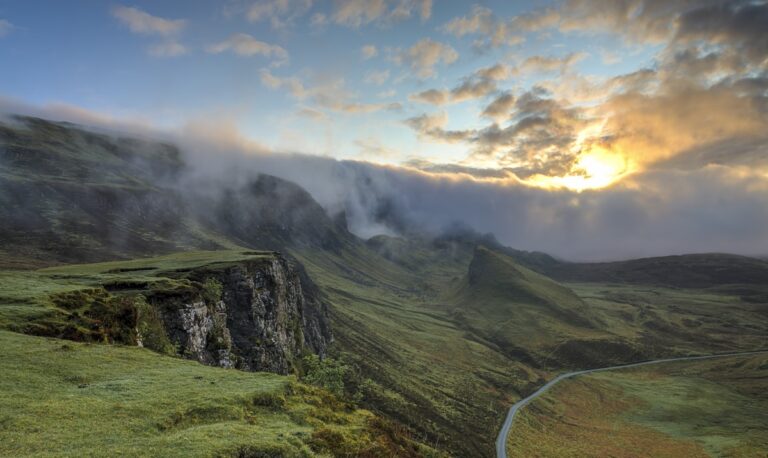
Start at first light to beat both traffic and afternoon weather build-up. The roads are paved but narrow with cliff edges and no barriers in places — keep the speed down, use pull-offs, and don’t hug the inside on blind curves. Watch for wandering livestock on the high meadows. Fuel before the climb; stations thin out above the towns.

What a local driver would refuse to do
What they will happily do is leave at five in the morning to catch the light, and that is the version worth asking for. My host in Xinjiang said the pass was two hours, meaning two hours driving without the stops, and that is the number to plan around, not the one the map shows. What they will refuse is a night drive over the high sections in winter, and they are right. A driver who knows this road gives you the honest distance.
What winter does to this road
Between November and March you are planning around a gate that moves. Drive it in summer and none of this matters. Snow chains help, warm layers in the cabin matter more, and a full tank matters more than both. The problem is that a pass at this height can shut for a day with no warning and reopen at dawn, and nobody announces it until somebody radioes it in. The surface is fine.
Fuel, and the gaps where there is nothing
The bad news is the distance between them through the middle sections, enough that a full tank is arithmetic rather than paranoia. Every town on this route has a station and every station takes cards, which is the good news. I have been on a road in this region where the next fuel was two hours back, the reason being a closure, and the only thing that got me moving was a trucker with a spare can. Fill before you leave anything with a city name on the map, even if the next is only ninety minutes out. That stretch of the trip is described in our [[winter-self-driving-in-xinjiang-snow-tires-chains-closed-mountain-passes|Winter Self-Driving in Xinjiang: Snow…]] too.
Where to sleep on the road and where to park
In Xinjiang the hotels cluster along the through road and the value one is usually the second block back, five minutes from the misnamed central place and half the price. Ask for a room away from the yard, since the yard is where the trucks sleep. The county town on this route is where to overnight, not the scenic stop, because the scenic stops have no quiet parking and no kitchen open after eight. If the timing is the question, our [[xinjiang-snow-and-ice-tourism-2026|Xinjiang Snow and Ice Tourism 2026]] goes through it properly.
Snow and Ice
Even in ‘open’ season, the highest sections can ice overnight. A 4WD helps but isn’t magic — carry chains if you’re early or late in the season, and turn back if a pass looks white and the wind is up. Altitude also slows you; the 3,400 m Duku tunnel and the 4,700 m Khunjerab demand a slow, hydrated approach. A hired local driver knows these passes intimately — a sensible choice for the Pamir especially.
Plan Around, Not Against
Build itineraries with the pass season as the backbone: north loops in summer, south year-round, high crossings only when open. The passes are the best driving in Xinjiang — give them the respect the mountains demand and they reward you with the region’s finest views.