Flying in Xinjiang: Domestic Flights, Regional Airports, and How to Build a Flight Plan
I used to think the only way to cross Xinjiang was a long overland drive. Then I flew from Urumqi to Kashgar in 90 minutes — a hop that would have cost me two days on the road — and realized the region’s domestic air network is the cheat code most first-timers miss. Xinjiang has more than 20 civilian airports, the densest such network of any Chinese province, and knowing how to use it changes your itinerary.
The Airports That Actually Matter
Most travelers only touch Urumqi Diwopu (URC), but the regional airports are where the time savings live. Here are the ones worth knowing:
| City | Airport (IATA) | Why fly there |
|---|---|---|
| Urumqi | Diwopu (URC) | Main hub; nearly every route connects here |
| Kashgar | Kashgar (KCA) | Jump straight to the southern Silk Road |
| Yining / Ili | Yining (YIN) | Grasslands, lavender, and the Ili valley |
| Hotan | Hotan (HTN) | Jade city at the southern edge |
| Aksu | Aksu (AKU) | Midway stop for the southern route |
| Turpan | Turpan Jiaohe (TLQ) | Closest airport to the ruins |
| Korla | Korla (KRL) | Central hub between north and south |
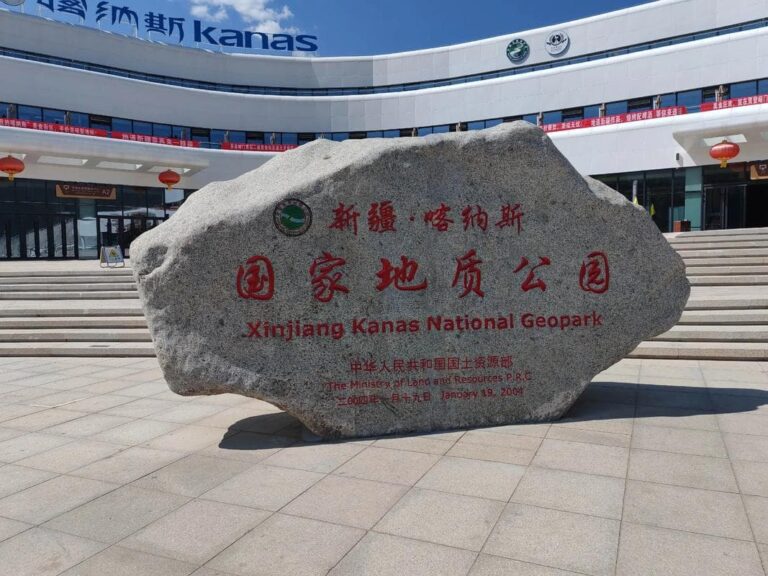
| Altay / Kanas | Kanas (KJI, seasonal) | Autumn leaf-peeping without the drive |
Altay and Kanas airports are heavily seasonal — they open wide in autumn for the famous golden larch season and thin out in winter. Plan around that if the north is your goal.
When Flying Beats Driving
Xinjiang is huge — about 1,500 km east to west. The rule I use:
| Situation | Best choice |
|---|---|
| Crossing north to south (Urumqi → Kashgar) | Fly — saves 1.5–2 days |
| Short hops inside one region (Ili → Tacheng) | Fly or drive, both viable |
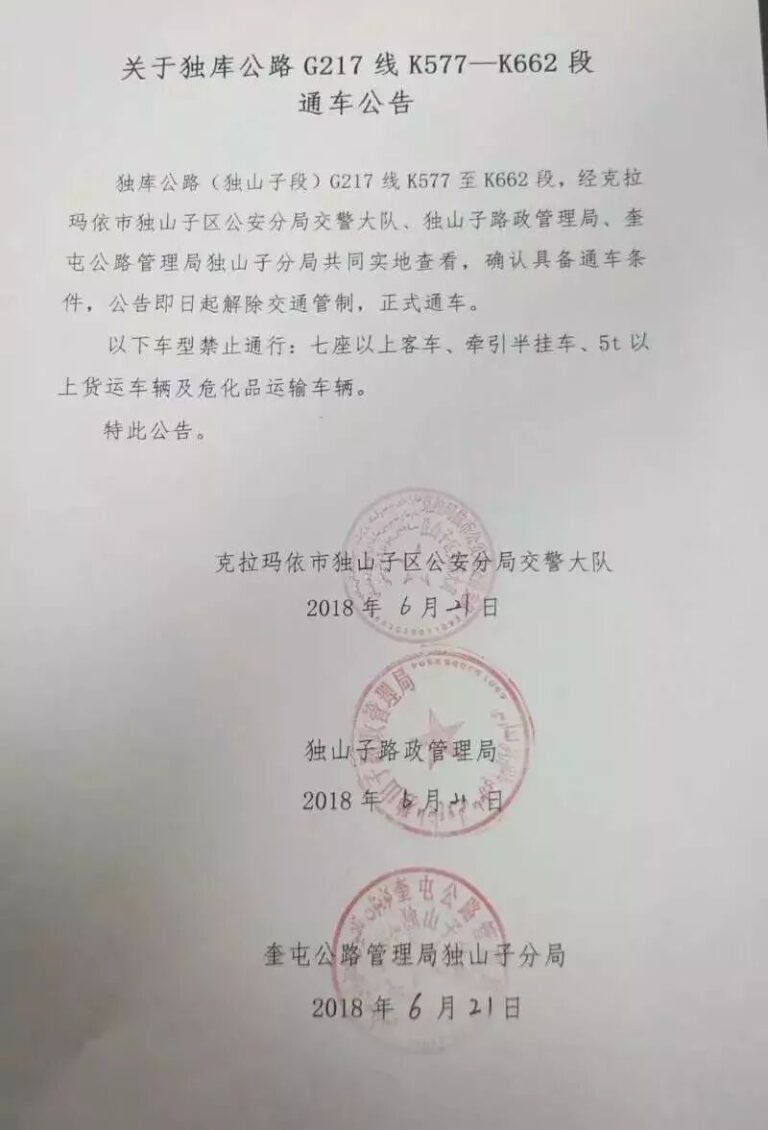
| Scenic route you want to experience (Duku Highway) | Drive — the road is the attraction |
| Carrying lots of gear / shopping | Drive or ship ahead; baggage limits apply |
For the bigger picture on moving around, our Xinjiang transportation guide covers trains and buses too.
Booking: Apps, IDs, and Timing
Book through the same apps as the rest of China — Ctrip (Trip.com),Fliggy, or the airline’s own app. You will need your passport number, and the name on the ticket must match your passport exactly, including the spelling. Foreign travelers should book a little earlier than locals: some discounted domestic fares are restricted to Chinese ID holders, so leave buffer time.
Check-In and Security
Allow extra time at Xinjiang airports. Security is thorough and identity checks are routine. Arrive 2 hours before a domestic flight; 2.5 if you are unfamiliar with the airport. Keep your passport handy — you may show it several times.
Baggage and Altitude Notes
Standard economy allowance is 20 kg checked on most full-service carriers, less on regional hops. If you are lugging photo gear or bought a rug in Kashgar, weigh it before you go. Most Xinjiang airports sit at modest elevation (Urumqi is ~640 m), so altitude is rarely an issue for flying itself — unlike the mountain passes you might drive afterward.

Building a Flight Plan That Saves Days
A clean pattern: fly into Urumqi, fly onward to your farthest target (say Kashgar), then work your way back overland or by a second flight, ending where you began. This avoids backtracking across the whole region. Our itinerary planning guide walks through chaining regions efficiently.
A Sample 7-Day Fly-and-Drive
Day 1: arrive Urumqi (URC). Day 2: fly to Kashgar (KCA), explore old city. Day 3–4: drive the southern sights (Karimabad, Tashkurgan if permitted). Day 5: fly back to Urumqi, pick up a car. Day 6–7: Tiks, Heavenly Lake, return. That is the south and the north in a week — impossible by road alone.
Which Airlines Fly the Regional Routes
Most domestic Xinjiang flights are operated by China Southern, the carrier with the densest regional network, alongside Urumqi Air and Tianjin Airlines’ Xinjiang subsidiary. Route maps shift seasonally, so treat any printed schedule as a guideline. For the small airports — Altay, Kanas, and the southern fields — capacity is limited and flights sell out in peak autumn, so book the moment your dates lock.
Urumqi as a Layover Hub
If your international flight arrives in Beijing, Shanghai, or Xi’an, Urumqi is usually one more hop. Diwopu airport has a domestic transfer desk, but international-to-domestic transfers still require you to clear immigration and re-enter security, so budget a minimum of three hours. There is an airport hotel inside the terminal if you arrive late.
Documents to Keep Handy
Beyond your passport, keep a screenshot of your booking reference and the Chinese name of your destination city. If an agent needs to rebook you after a delay, having the city characters ready speeds things up enormously. Foreign cards sometimes fail on Chinese airline apps, so a working Alipay balance or a local contact can save a missed sale.
Weather, Dust, and Flight Reliability
Xinjiang’s climate directly affects flying. Spring brings sandstorms that can ground small-airport flights for hours; winter snow does the same up north. If you have an international connection the next day, avoid scheduling a tiny regional flight as your last domestic leg — give yourself a buffer night in Urumqi. The big hub clears weather disruptions faster than outlying fields.
Cost Reality Check
As a rough guide: Urumqi–Kashgar hovers around 700–1,100 RMB; Urumqi–Yining 400–700 RMB; shorter hops like Korla–Kashgar 500–800 RMB. Prices spike on public holidays such as National Day in early October. If your dates are flexible, flying mid-week is often cheaper than Friday or Sunday.
Connecting to the Rest of Your Trip
Think of flights as the spine and drives as the ribs. Fly to your farthest point, then use the regional road network to loop back, renting a car or joining a small group for the scenic legs. This hybrid plan is how most efficient Xinjiang trips are actually built, and it is far less exhausting than driving the entire 1,500 km spine yourself.
First-Time Flyer Tips
If this is your first time on Chinese domestic aviation, two things help. First, download your boarding pass to Alipay or the airline app before you reach the airport — paper kiosks rarely read foreign passports cleanly. Second, watch the gate: regional airports sometimes change gates with little notice, and announcements are in Chinese and Uyghur. Sitting near the gate 40 minutes before departure avoids a sprint. None of this is stressful once you expect it, and the views on approach to places like Kashgar or Altay are worth the window seat alone.
What you need to arrange first
- Needing a visa just for the flight — No separate visa for the flight itself — your China entry visa or eligible visa-free status covers domestic flights.
- Flights inside xinjiang expensive — Short hops like Urumqi–Kashgar can run 600–1,200 RMB depending on season.
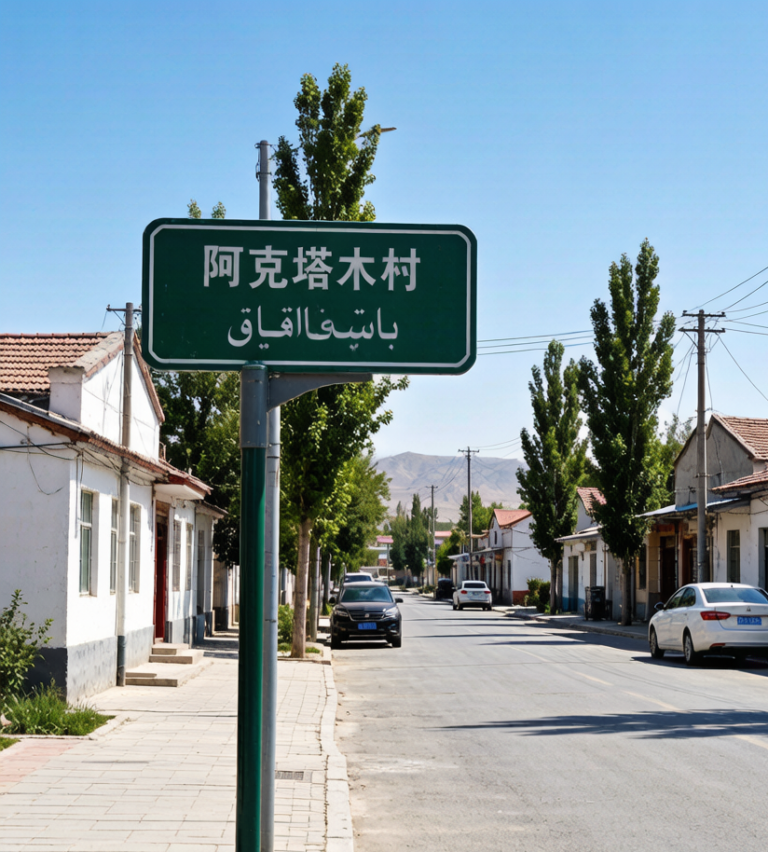
- English spoken at the airports — Signage is bilingual (Chinese and Uyghur), with limited English.
- Flying with my drone — You can check a drone in luggage, but flying it is restricted across most of Xinjiang.
- Flights getting delayed by weather — Winter snow and spring dust storms can delay flights, especially to smaller airports.
Work through that list a few days before departure, not on the morning you fly. Most of the grief I have seen on this route comes from leaving it until the last minute.