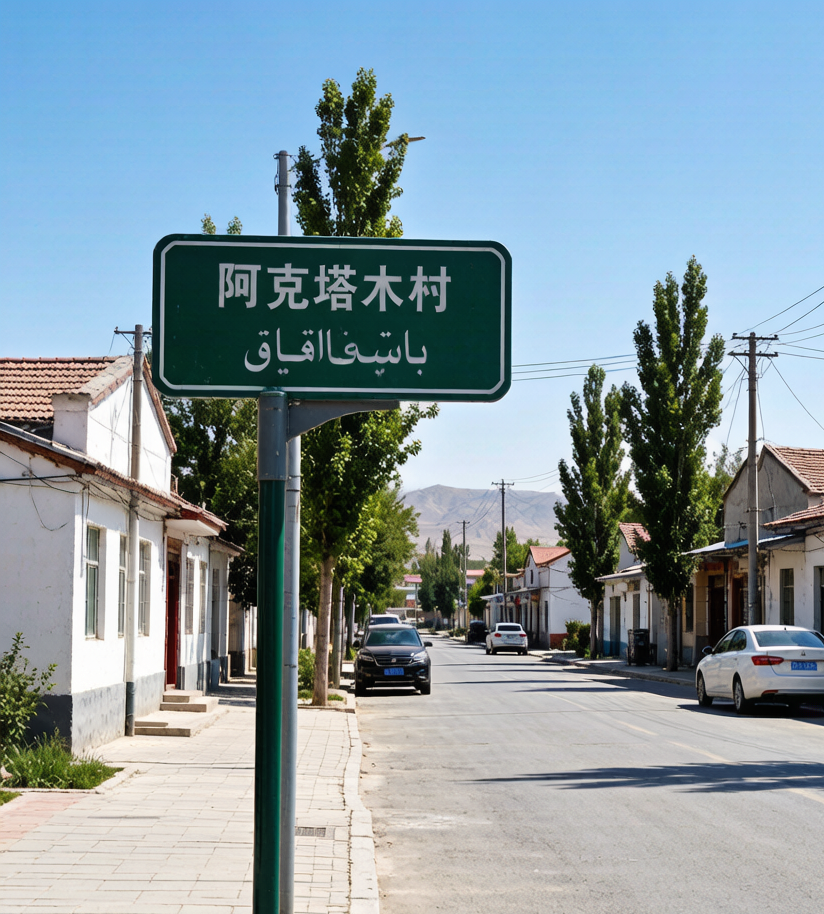
The Xibe of Qapqal: A Silk Road Diaspora That Kept Its Language
One of the quieter surprises of Xinjiang is the Xibe, a community near Yining in the Ili valley who have kept their own language alive for centuries after a long westward move. I went to Qapqal curious and left impressed by how intact the culture is.
Their story is a Silk Road diaspora in reverse, a people settled at the frontier who held onto a tongue most of the world forgot. It is the human version of the caravan routes theme I keep returning to: movement, then stubborn continuity.
Getting there is easy by rail or road; the railway across Xinjiang puts you in Yining, and Qapqal is a short hop. I paired it with a few valley days and treated the culture as the reason, not the add-on.
What to do is simple and respectful: walk the town, visit the museum if open, and watch for the script on signs, because seeing the writing is the proof of the survival. I timed it with my season planning so the valley was green and the light was kind.
The Xibe are a reminder that Xinjiang’s map is layered, with stories stacked under stories. Spend a day in Qapqal and the region gets deeper, and the usual headlines get quiet enough to hear the smaller ones.
The museum, when open, is the key stop; it lays out the move and the language in a way no conversation can, and I spent longer there than I planned. Even a closed museum is worth the town walk, because the bilingual signs are the evidence, and seeing the script in daily use is the lesson.
Pair Qapqal with a few Ili valley days and the region reveals its layered self: one valley, several peoples, centuries of stubborn continuity. It is the calmest, greenest history lesson Xinjiang offers, and I recommend it to anyone tired of the headline sites.
The language is the headline, and hearing it on the street is the proof. Qapqal signs carry both scripts, and I caught myself reading the familiar one and ignoring the other until a local pointed out the Xibe characters with pride, and the small correction landed. The community keeps rituals tied to the old move west, and if your timing is lucky a public gathering opens a window most visitors miss; I missed one by a week and still learned plenty from the museum and the town walk. The food leans north, closer to the steppe than to the oasis, and a bowl in a local eatery tasted of a different Xinjiang than the one on the postcards. Pair Qapqal with a few Ili valley days and the region reveals its layered self: one green valley, several peoples, centuries of stubborn continuity, and the calmest history lesson the place offers.
The takeaway for a traveller is patience: the culture shows itself in small signs and a museum, not in a spectacle, and the reward is a quieter, truer Xinjiang than the headline sites sell. Give Qapqal a day and the valley will have told you more than a week of louder stops, and the lesson is one I return to on every trip since.
The checkpoints, honestly
Nobody has ever been rude to me at one of these. You will stop at checkpoints. They are short, they are not hostile, and the whole process for a foreign plate takes longer than for a local one because the officer has to make an entry. They are tedious rather than dangerous, and the driver’s document pack is the only thing that makes them quick. Keep passport and car documents in the glovebox rather than the boot so you are not unpacking in front of a queue. Write down the address of tonight’s accommodation, because that is the question they ask. That stretch of the trip is described in our [[turpans-desert-ruins-jiaohe-gaochang-and-the-silk-road-that-vanished|Turpan’s Desert Ruins: Jiaohe, Gaochang,…]] too.
Where to sleep on the road and where to park
In Xinjiang the hotels cluster along the through road and the value one is usually the second block back, five minutes from the misnamed central place and half the price. The county town on this route is where to overnight, not the scenic stop, because the scenic stops have no quiet parking and no kitchen open after eight. Ask for a room away from the yard, since the yard is where the trucks sleep. Where most people get the logistics wrong is covered in our [[xinjiang-xibe-culture-qapqal-guide|Xibe Culture in Xinjiang: Archery,…]].