Staying in a Yurt in Xinjiang: Grassland Nights with Kazakh and Kyrgyz Herders
The first time I slept in a yurt it was 4°C at night and I was convinced I would freeze. I did not. A good Kazakh yurt on the Ili grasslands is warmer, calmer, and more comfortable than most budget hotels I have stayed in, and the morning starts with milk tea and the sound of horses. If you want to understand the pastoral half of Xinjiang rather than just drive past it, a yurt stay is the single best thing you can book.
What a Xinjiang Yurt Stay Actually Looks Like
The yurts you stay in are boz üy (Kazakh) or boz üi (Kyrgyz) — folded felt walls on a wooden lattice, a central compression ring, and a stovepipe through the crown. They are real homes, not props. Host families move them seasonally with the herd, and in summer they set up clusters near the road so travellers can visit. You get a bed or a raised platform, a shared stove, and often a separate dining yurt. The felt is surprisingly thick; once the stove is lit the interior holds heat long after the wind outside drops below zero.
Inside the yurt
The layout is traditional: the stove in the centre, the host’s seat opposite the door (the place of honour), guests to the sides. Shoes come off at the threshold. The crown ring frames the sky, and if you are lucky the family leaves the flap open at night so you fall asleep watching stars. It is the most peaceful accommodation I have found in the region, precisely because there is nothing to do but listen.
Best Grasslands for Yurt Stays
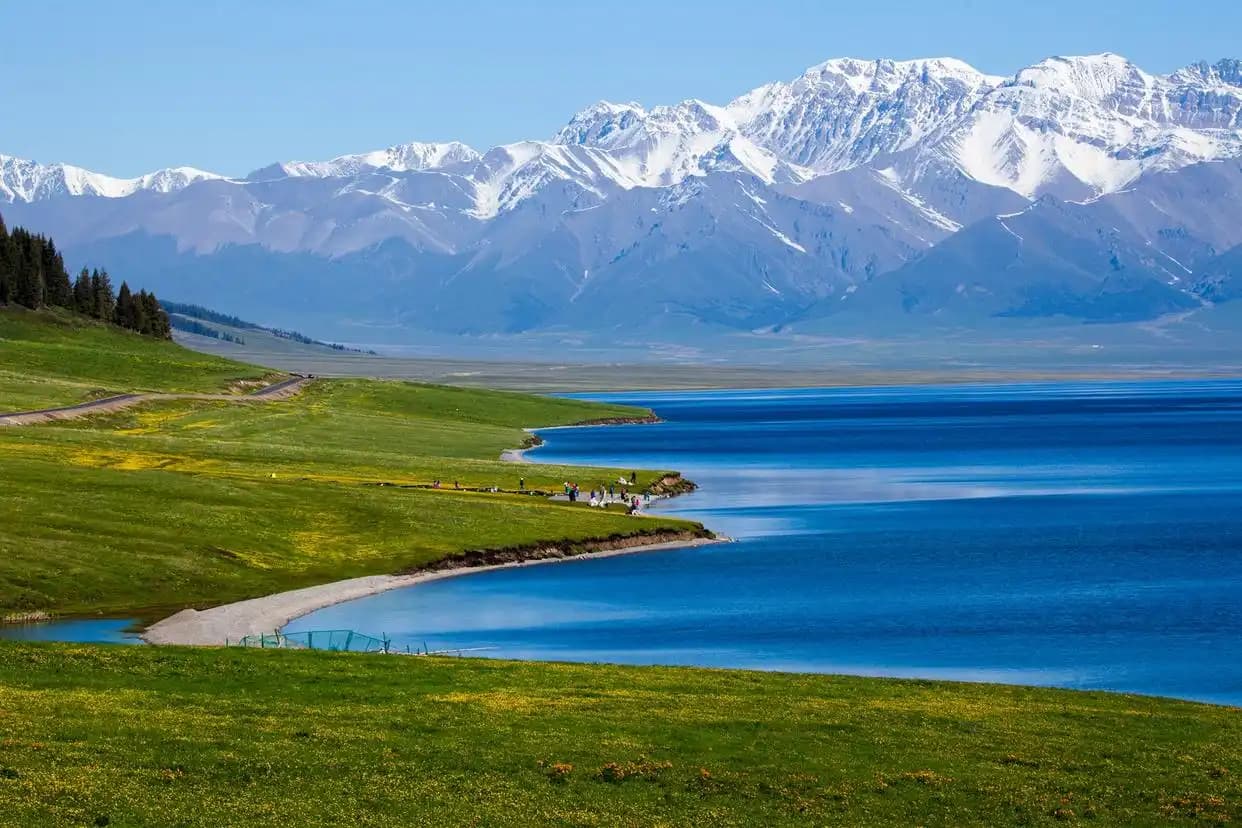
Not every grassland offers the same experience. Nalati and the wider Ili valleys are the easiest and most developed; higher pastures are quieter but rougher. Here is how I rank them for a first stay.
| Grassland | Access | Comfort level | Best for |
|---|---|---|---|
| Nalati | Easy, paved road | High — hot showers nearby | First-timers, families |
| Kazakh Yili summer pastures | Medium, some dirt road | Medium | Photographers, quiet |
| Bayinbuluk | Easy, remote | Medium | Swan lakes, altitude |
| Tekes / Karajun | Medium | Medium-High | Hiking, fewer crowds |
The Nalati grassland is the safest pick if you want comfort and a guaranteed operating host; the higher Yili pastures are where the experience feels remote.
A Day in the Life of a Herding Family
If you stay more than one night you will see the rhythm. The family is up before light to milk the mares and sheep; the host rides out to check the herd while the hostess tends the stove and the cheese. Midday is for laghman (hand-pulled noodles) and napping in the grass. Evening is the big meal and music — a dombra appears, and someone sings. You are not a spectator here so much as a temporarily adopted relative, which is why the etiquette below matters more than the mattress.
What the kids and the horses are up to
Children on the pastures ride before they walk, give or take. If you show interest, an older cousin will likely offer to put you on a calm horse for a slow loop — the single best way to feel the scale of the grassland. Tip in fruit or sweets rather than cash; the family prefers the relationship over the transaction.
How to Book and What It Costs
Most yurt stays are booked on arrival through the scenic-area desk or a local driver, not online. Prices are seasonal and negotiable. Rough 2025 ranges:
| Option | Season | Price per person/night | What’s included |
|---|---|---|---|
| Bed in shared yurt | Jul–Aug | ¥120–200 | Bed, breakfast, milk tea |
| Private yurt (2–4 pax) | Jul–Aug | ¥400–700 | Whole yurt, dinner |
| Shoulder (Jun/Sep) | low | ¥80–150 | Bed, lighter service |
| Full board + herding demo | peak | ¥300–500 | Meals, horse, milking |
What is included vs what to bring
Included: a bed, dinner (usually hand-pulled noodles or laghman, sometimes mutton), and endless milk tea. Bring: a warm layer even in August, a headlamp, and your own toilet paper. Bathrooms are pit or squat, often a walk from the yurt; hot showers exist at Nalati but not at high pastures. A power bank is wise because the yurt has no socket.
Etiquette and Food Inside the Yurt
A few habits make the night go smoothly and the hosts warm. Accept the milk tea — refusing it reads as rude. Don’t point the soles of your feet at the stove or the host. Let the oldest person or the host take the place of honour. And don’t wander into a yurt that is not yours without a greeting.
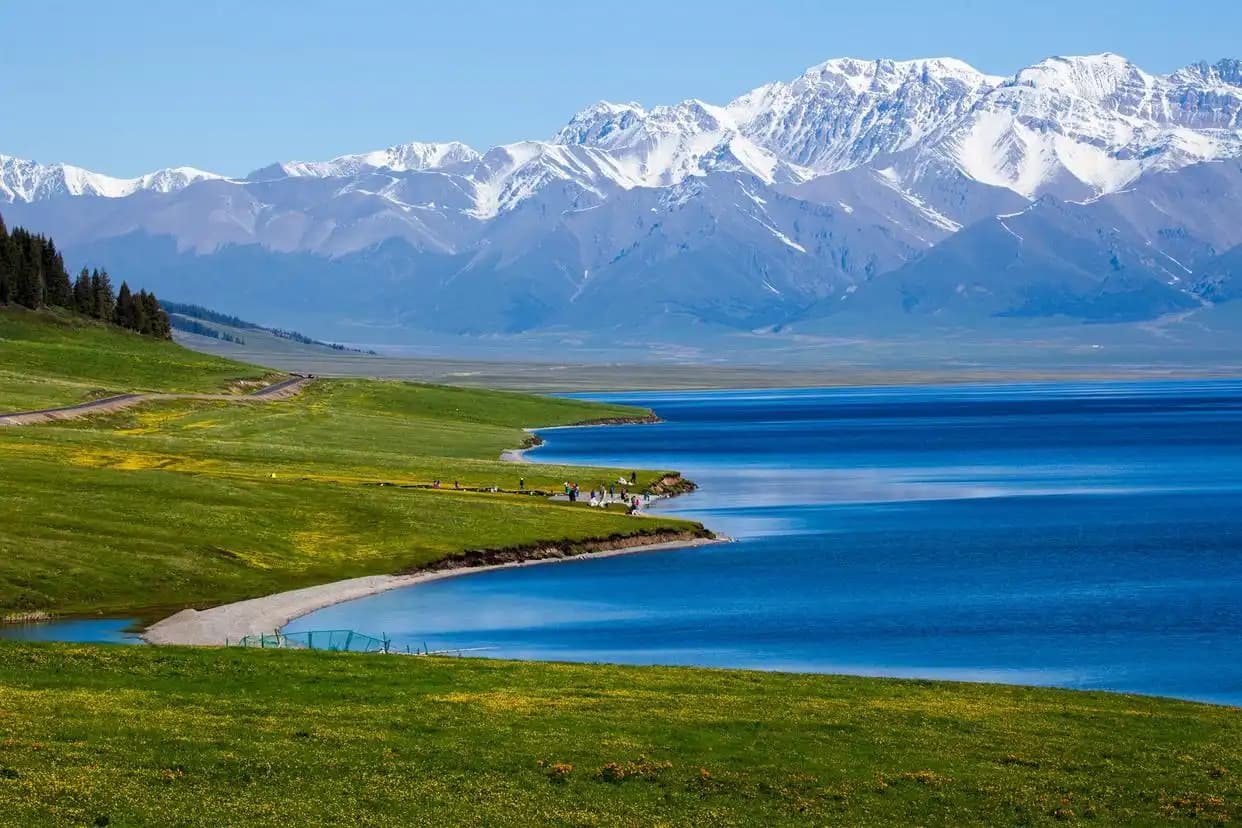
Dinner is the highlight: fresh mutton boiled with onion, grassland herbs, and the aforementioned milk tea, often followed by naan and a bowl of kurut (dried yogurt balls) if you are lucky. Eat with your right hand, take a little of everything, and you will be fed far past full. The Sayram Lake road nearby makes a natural next stop if you are looping the Ili valleys.
Quiet Hours: What to Do After Dark
Once the stove is banked and the dombra is put away, a yurt stay has no script, and that is the point. Most travellers expect boredom and find the opposite. I spent my first night writing by the light of a single bulb and my second just lying back and watching the ring of sky. Bring a book, a notebook, or a camera with a tripod — the grassland skies are among the darkest in China, and the Milky Way is visible to the naked eye on clear months. If you are with a host family, ask about the stars by name; their seasonal calendar is tied to herding, and they will point out the summer triangle the way a city person points at a bus stop. Mornings come early, so treat the dark as the best part of the stay, not a gap to fill.
When to Go
The yurt season is short: roughly mid-June to late September, with July and August at peak green and peak price. June and September are colder but emptier and cheaper, and the grass is still good in early September. Time your trip with our best-time-to-visit guide if you are building a wider route.
What changes with the calendar
Spring and early summer
It can be. Even in August the Ili grasslands drop near freezing after midnight. The stove keeps the centre warm, but bring a fleece and a hat; hosts lend heavy quilts.
Summer
Rarely. Most are walk-up through the scenic area or a local driver. In peak season (July–August) arrive before mid-afternoon to be sure of a bed.
No. A smile, a greeting, and a translation app cover it. Hosts in the busy grasslands see foreign visitors all summer.
Autumn
Yes, especially at Nalati where facilities are better. Toddlers love the animals; just manage the cold-night layer and the squat toilets.
Winter
Simple boiled mutton and noodles are about as safe as it gets. The only risk is too much milk tea or kurut if you are dairy-shy. Tell the host and they will ease off.
4
At Nalati, usually. At high pastures, often not. Treat the disconnection as part of the experience and download maps beforehand.