Hitchhiking and Rideshare in Xinjiang: Does It Still Work, and Is It Worth It?
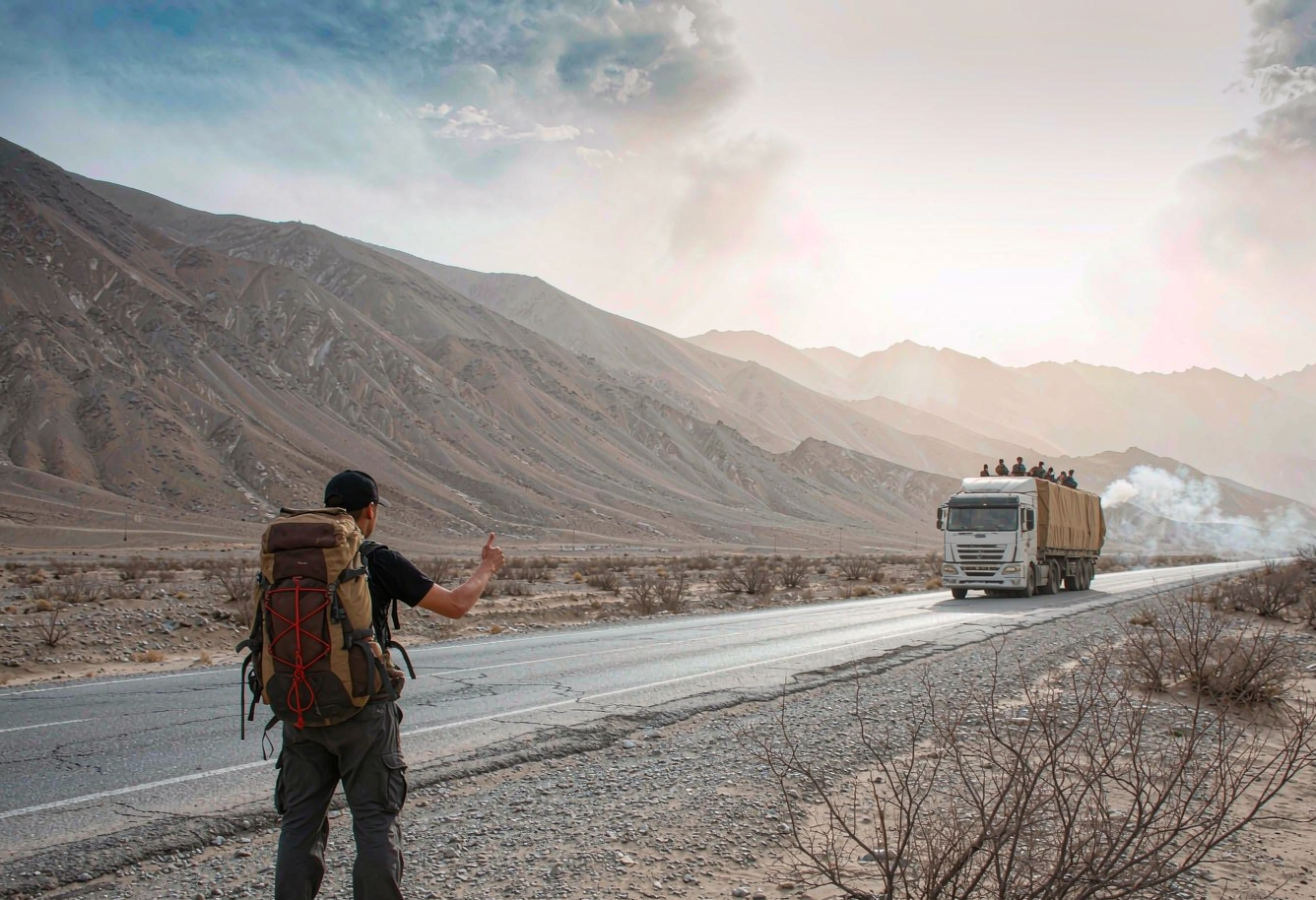
I have hitchhiked exactly twice in Xinjiang, and both times I ended up wishing I had my own car and also glad I did not. The contradiction is the whole experience.
The first ride was a truck driver who spoke no Mandarin and handed me a cold naan at the service area where I had been standing for an hour. The second was a family who insisted I eat with them and would not let me pay for fuel. This is the upside, and it is real: strangers on these roads are unusually kind to someone clearly not from there.
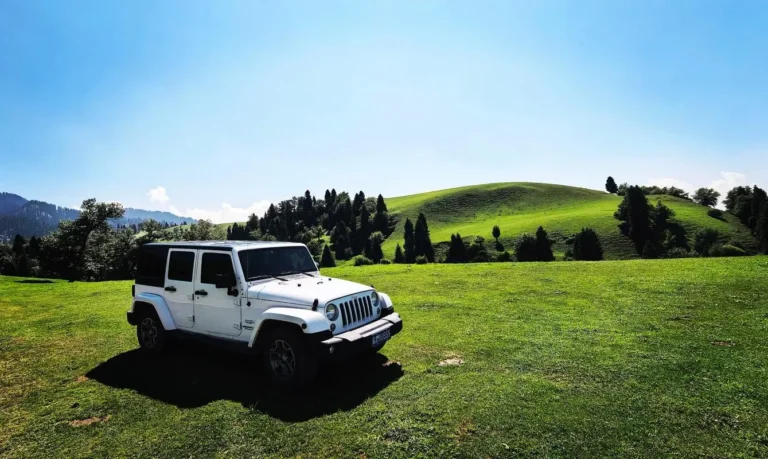
The downside is time. You wait. You go where the ride goes, not where you planned. I missed a sunset I wanted at a pass because my ride turned off for a wedding. If you are on a tight loop, renting a car is the saner choice, and the fuel and logistics are easier than the reputation suggests.
Safety is the question everyone asks. My honest answer: the remote stretches are quiet, not dangerous, and the night-driving rules I follow are about animals and fatigue, not people. I would not hitch alone as a woman after dark, and I would not get in a car that already had too many people or obvious trouble. Basic instinct travels.
The car rental insurance question matters more than the hitching one, because most visitors should just drive. But if you have time and want the stories, stand at the right junction, look like you know the road, and accept the naan.
The ride that decided it for me was the family who would not let me pay. We had driven maybe forty kilometers in silence broken by a translation app when the father pulled over at a noodle stop and ordered three bowls, waving away my phone when I tried to scan. I had been raised to settle debts, and this small refusal undid me more than any kindness on the trip. Later I understood it was not a gift so much as a rule: you do not charge the person you just shared the road with. I have tried, badly, to pass that on, buying tea for strangers at a service area the way it was bought for me. Hitching taught me less about roads than about the debt you are not allowed to repay.
My rules, stated plainly: stand where a car can stop, not on a blind curve. Look like you have a plan, even if you do not. Accept the first reasonable ride; the perfect one does not come. Do not get in if the car is already full or the driver has been drinking, and never hitch after dark alone. The night-driving post is about your own car, but the same caution applies to accepting one. Most visitors should just rent and skip the uncertainty; I hitch because I like the stories, not because it is smart. If you do it once, do it in daylight, on a busy road, with your phone charged and someone who knows your route.
What goes in the day pack
Water, more than you think, a power bank and some cash. A fleece covers most of the year, a real jacket covers shoulder season. Cards work at the gate and in the shops, but the stalls on the approach road and the drivers waiting at the turnoff want cash, and coming up short at the moment you want a lift is the classic way to lose an hour. Sunscreen and a brim.
A wind shell. The light here is serious and the shade is intermittent, so the sunscreen goes on before you leave the hotel, not at the gate. The temperature drops fast once you stop moving and the drop is not hypothetical on an exposed pass. For the part people underestimate, see our [[how-to-go-to-xinjiang|How to Get to Xinjiang: Entry Requirements…]].
The money, line by line
Prices at the gate are reasonable by European standards, which is exactly why they are easy to underestimate. The admission is cheap, the internal transport is what adds up, and a family of four in one car turns a small ticket into a real line in the budget. Ask once at the ticket office what the full circuit costs before you commit. The headline entrance ticket is only the first line. Staff there are used to it, and the answer takes ten seconds.
On top of it comes a shuttle or sightseeing bus inside the site, and if you want a far viewpoint rather than the main one that is another leg. Parking, a printed map, and a guide are the other three places the number moves. On your own the same afternoon comes out at maybe half again as much. Two of us covered the whole thing for well under what a single hotel night in Xinjiang costs, but only because we shared the car and shared the entry between us. I wrote the driving side up in our [[xinjiang-shakarap|Xinjiang Shakarap: The Tomato, Onion, and…]] as well.