Night Driving in Xinjiang: When It Helps and When It Hurts
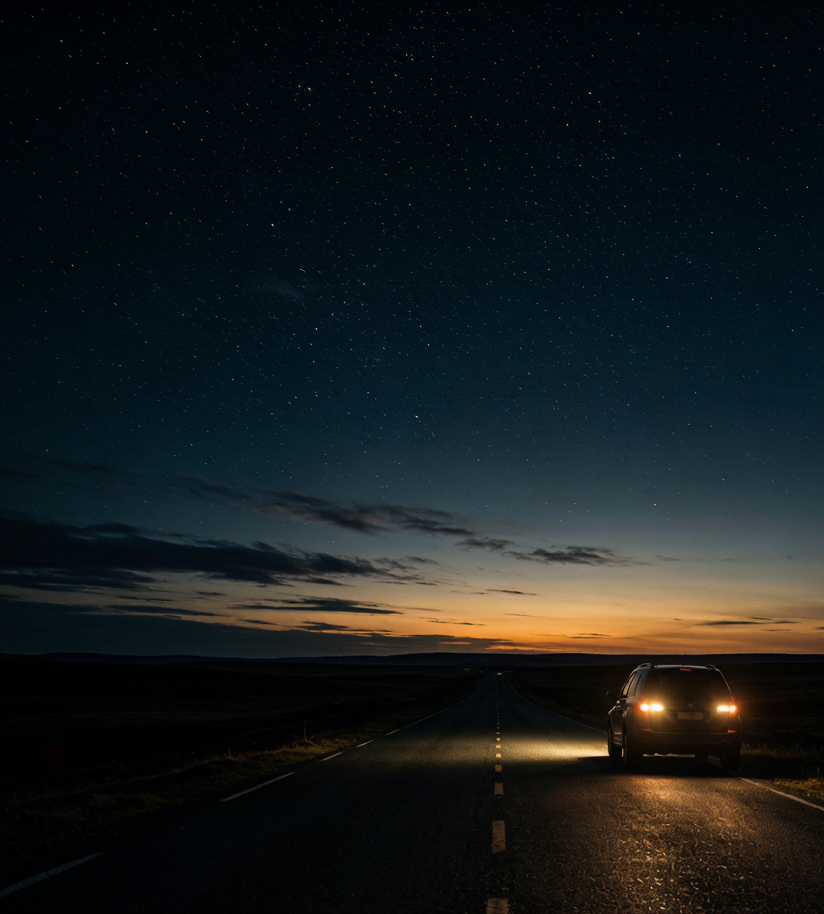
I used to love a night drive. Empty road, cool air, the sense of gaining ground while the world slept. Xinjiang corrected me. One dusk near the grasslands a herd of horses crossed without warning, and I understood that night here is a different contract than night back home.
What the long days do to you
In summer the sun does not set until near 10 p.m., and the light stays soft long after. That tempts you to keep driving, and sometimes it is the right call to cover distance. But fatigue builds quietly, and the checkpoints still operate, so a late push can mean a longer stop than you planned when an officer waves you in.
The real hazards after dark
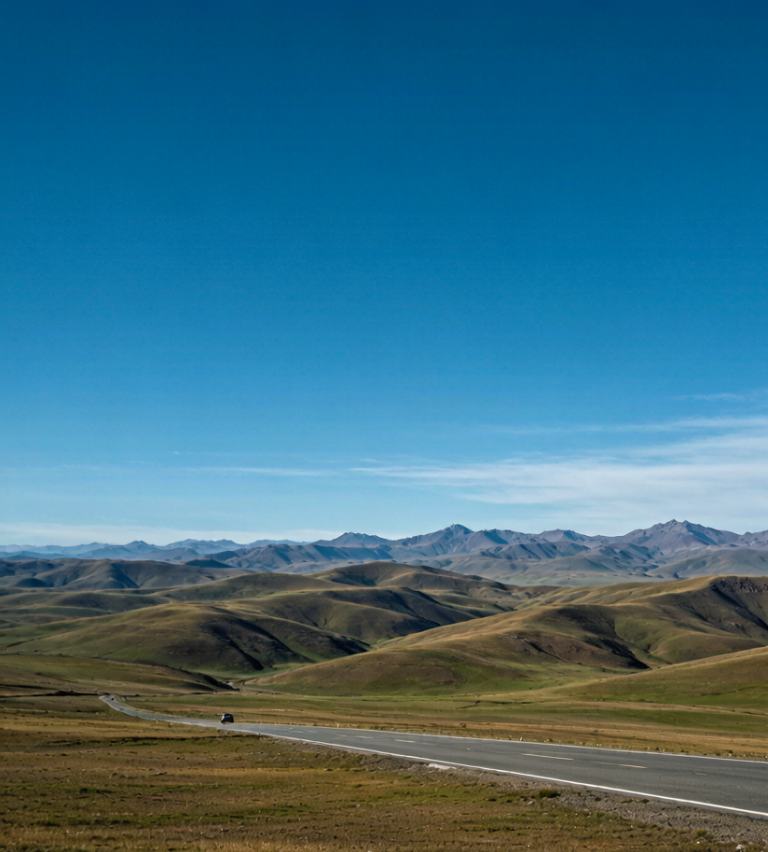
Wildlife. Horses, camels, and the occasional sheep flock use the road at night, and they do not look up. On open高原 roads a collision is not a fender bender. I now treat dusk as the signal to find a bed, not to chase miles. The winter passes are worse, with black ice you cannot see until it is under the wheel.
When night driving earns its keep
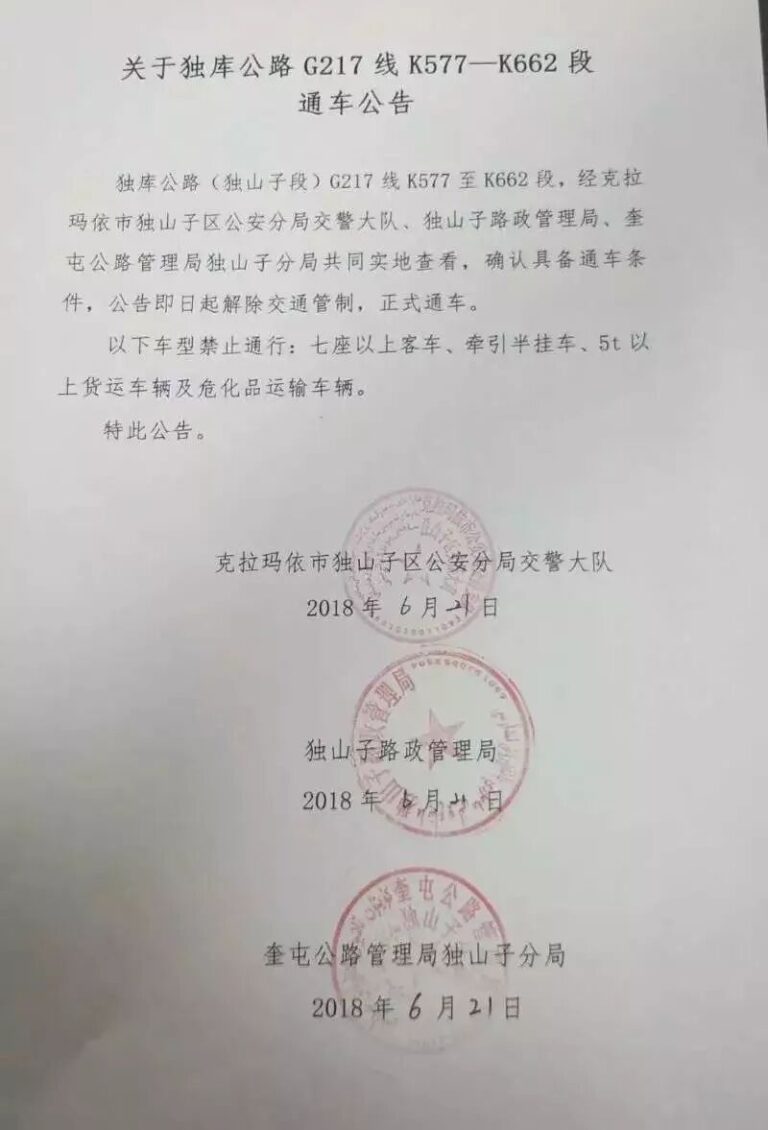
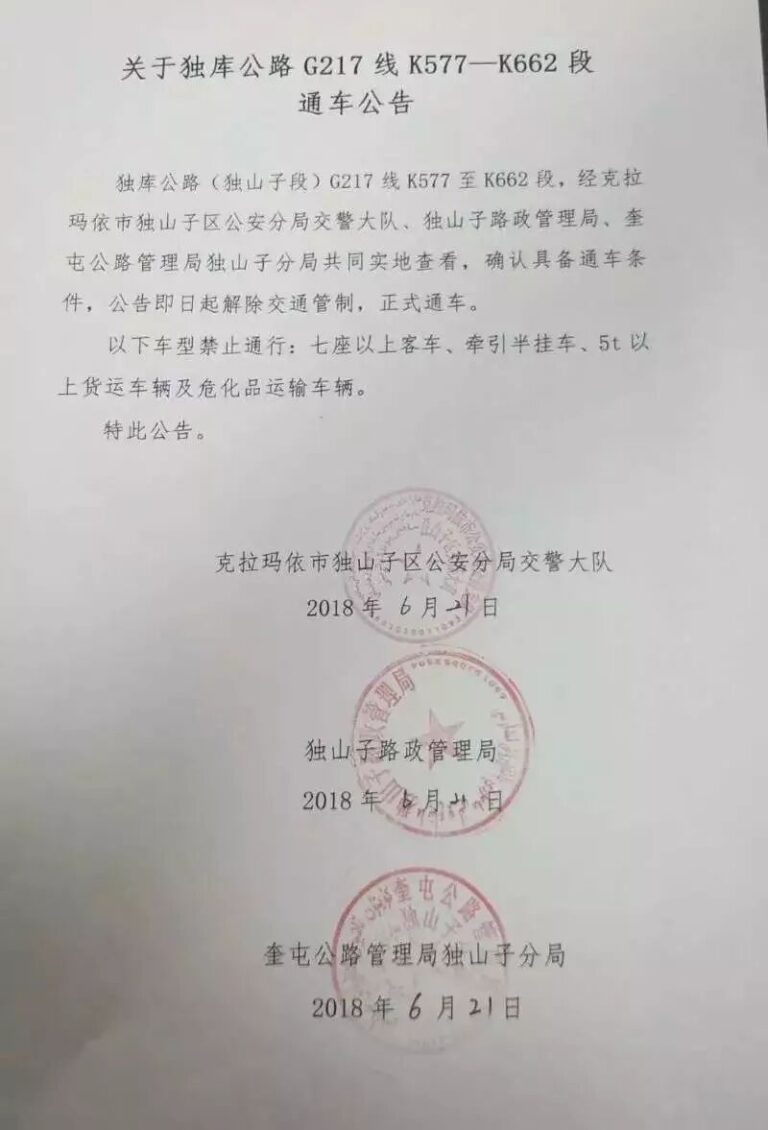
There are cases where it helps. A cool overnight run between two cities on a busy schedule, with a rested driver and a full tank, can beat a noon slog in heat. The Duku Highway is daytime-only in spirit because of closures, so plan that one by the sun. I keep a simple rule: if I am tired, I stop, because the road will still be there.
A note on the mountain routes
Approaches like the Qinghai approach climb into altitude where night cold and thin air team up against you. I carry water and a warm layer even for a short after-dark leg, because the plateau does not negotiate.
Night driving is a tool, not a badge. Use it sparingly and the trip is better for it.
Where to sleep on the road and where to park
Ask for a room away from the yard, since the yard is where the trucks sleep. The county town on this route is where to overnight, not the scenic stop, because the scenic stops have no quiet parking and no kitchen open after eight. In Xinjiang the hotels cluster along the through road and the value one is usually the second block back, five minutes from the misnamed central place and half the price. That stretch of the trip is described in our [[xinjiang-driving-rules|Driving in Xinjiang: Road Rules,…]] too.
What a local driver would refuse to do
A driver who knows this road gives you the honest distance. What they will refuse is a night drive over the high sections in winter, and they are right. What they will happily do is leave at five in the morning to catch the light, and that is the version worth asking for. My host in Xinjiang said the pass was two hours, meaning two hours driving without the stops, and that is the number to plan around, not the one the map shows.
My closest call
I will name it. One dusk on an open plateau road a camel appeared from nowhere, no fence, no warning, just there in the beam. I was under the limit and awake, and still it took everything to miss it. After that I treated dusk as a hard stop, not a suggestion. The discipline that works for me: a real break every two hours, no phone at the wheel, and a firm rule that if I am yawning I pull into a lit service area rather than negotiate with fatigue. The road rewards caution here in a way quieter countries do not, because the hazards are bigger and the help is farther. None of this is heroics. It is just the price of the empty road.
A simple pre-night check
Before any after-dark leg I run a short list: lights working, tank over half, phone charged, water in the car, and a real plan for where I stop. None of it is clever, and all of it has saved me once. I also tell someone the route and the ETA, because the far west is empty enough that a breakdown unnoticed is a different class of problem. The plateau cold means I carry a warm layer even in summer, since a stalled car gets cold fast. I keep the speed down and the eyes moving, and I pull the moment I feel the slightest lag. Night driving here is a skill of subtraction, removing risk rather than adding speed, and the discipline is the whole job.