Shipping Your Xinjiang Souvenirs Home: What Posts, What Breaks, and What It Costs
The first time I shipped things home from Xinjiang I wrapped a atlas cloth around a jar of chili paste and called it padded. The jar arrived as a memory. Since then I have learned the boring parts that nobody mentions in the bazaar.
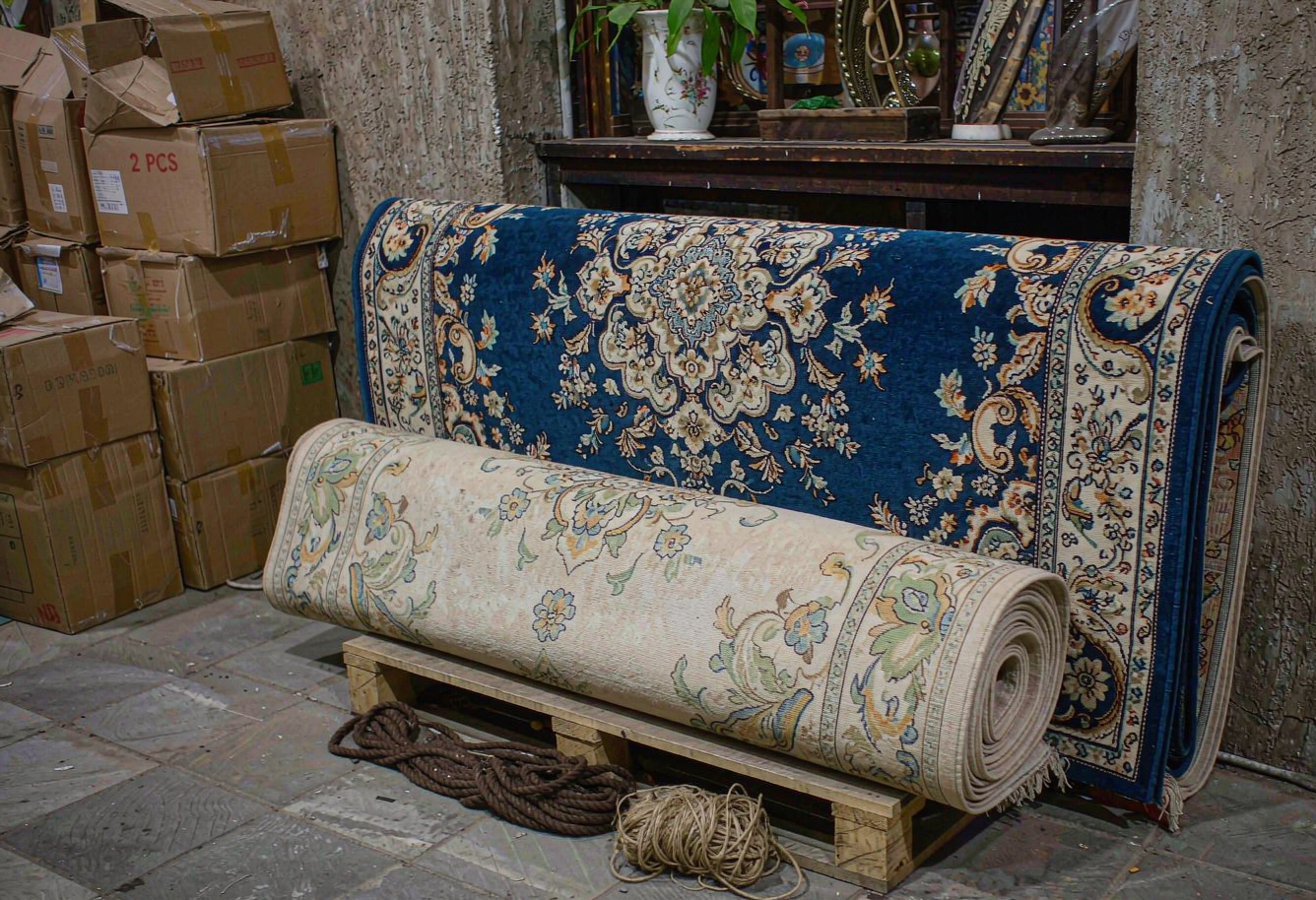
Start with what actually survives. Dried fruit and spices from the dried-fruit guide travel fine and weigh little. Atlas silk from the handicraft markets folds flat and laughs at distance. Carpets do not fold, they roll, and a rolled carpet is a long tube a courier will hate. Jade from Hotan is heavy and invites questions at customs, so keep the receipt.
The shopping guide tells you what to buy; the where-to-buy list tells you the honest sellers who will also wrap for shipping if you ask. I now buy from people who offer to pack, because they pack better than I do.
Costs are the surprise. A small box by air is cheaper than you fear; a carpet by sea is slower than you can stand. I sent a rolled atlas-trimmed rug by land once and it took two months to reach Europe, arriving exactly as I packed it, which is to say, fine.
Customs is the part guides skip. Declare the value. Do not wrap cash in the cloth. Some countries care about unprocessed seeds, so the nuts from the bazaar can stall at the border. I learned this the year a jar of something I could not name sat in a warehouse for six weeks.
The rule: buy the story, ship the thing properly, and assume the postal service is rougher than the road that brought it to you.
The carpet I shipped took two months and arrived with a dent in the roll that worried me until I unrolled it and the wool sprang back by the next morning. The courier had treated it like a tube of posters, which is exactly what you should not do, but wool has a memory. What I wish I had known: roll with the pattern out, not in, so the face is protected, and label it ‘textile, not machinery’ because the second description invites a fee. The dried fruit I sent in the same box arrived fine, which is the one thing that always works. I now ship the soft stuff separately from the heavy stuff, because the heavy stuff decides how the box is handled, and the soft stuff pays for it.
Customs, the part nobody enjoys: declare the value, keep receipts for jade and anything over the local threshold, and do not ship unprocessed nuts or seeds, which stall at the border in some countries. The shopping guide and the where-to-buy list point to sellers who wrap for post. I ship in two boxes: soft and light in one, heavy in the other, because the heavy box sets how both are handled. Insure the carpet; the roll survives most things but not a forklift. The cost of shipping a rug home is real and often close to the rug; decide before you buy whether the story is worth the freight, because the freight does not care about the story.
The mistake I made the first time
I did come back the following trip, at seven in the morning, and it was a different site. The other mistake is about distance on the map. The gate is not the site. There is a shuttle, a walk, sometimes another shuttle, and the stretch everybody underestimates is between the second gate and the thing you crossed the country to see. So: work out how far it is from where the vehicle drops you to the feature, then double it.
That is the number of hours the visit needs. It was, in the sense that I saw everything, and it was ruined in the sense that I saw everything at the same hour with the same crowd, and I spent the drive home meaning to come back and never did. I assumed two hours would be plenty. What I would tell the version of me who planned it: put the slow hours in, not the fast ones. The whole point of coming this far is to have the place to yourself for a while, and that only happens if you are willing to be there when it opens or when it is nearly shut.
What the ticket and the extras actually add up to
Prices at the gate are reasonable by European standards, which is exactly why they are easy to underestimate. The admission is cheap, the internal transport is what adds up, and a family of four in one car turns a small ticket into a real line in the budget. Ask once at the ticket office what the full circuit costs before you commit. Staff there are used to it, and the answer takes ten seconds. On top of it comes a shuttle or sightseeing bus inside the site, and if you want a far viewpoint rather than the main one that is another leg.
The headline entrance ticket is only the first line. Parking, a printed map, and a guide are the other three places the number moves. Two of us covered the whole thing for well under what a single hotel night in Xinjiang costs, but only because we shared the car and shared the entry between us. On your own the same afternoon comes out at maybe half again as much. For the part people underestimate, see our [[xinjiang-shipping-souvenirs-home-guide|Shipping Souvenirs Home from Xinjiang:…]].