Stargazing in Xinjiang: Dark Skies, Milky Way Views and Astrophotography Spots
I did not expect to become a stargazer in Xinjiang. I went for the lakes and the mountains, and then one night outside Karakul Lake I stepped out of the guesthouse and the sky simply dropped its veil — the Milky Way so bright it cast a shadow. Xinjiang’s combination of high altitude, dry air and enormous distances from city lights makes it one of the best places in Asia to see the night sky. If you time it right, the stars alone are worth the trip.
Why Xinjiang Is a Dark-Sky Paradise
Three things line up. First, the air is dry, so there’s little atmospheric haze to soften the stars. Second, much of the region is sparsely populated, so light pollution is minimal outside the few big cities. Third, the plateau and basin geography means you’re often at 2,000–3,600 meters, above a good chunk of the atmosphere. The result is a sky so dense with stars that first-timers often mistake the Milky Way for a weather front.
The Best Dark-Sky Spots
Karakul Lake and the Pamir Plateau
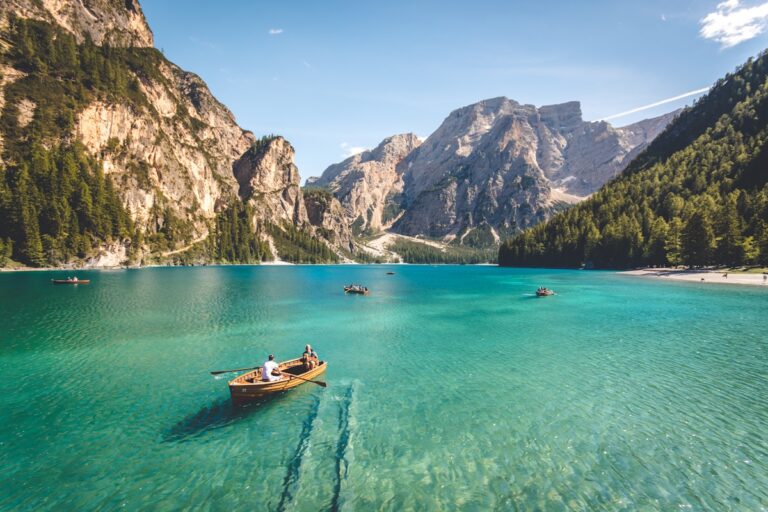
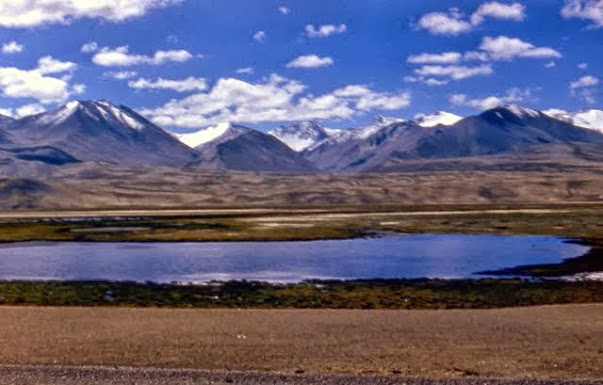
At about 3,600 meters, Karakul Lake is the headline spot. The reflection of Muztagh Ata in the still water by day becomes a mirror of stars by night. Guesthouses here keep the outdoor lights low, and in clear months the galactic core is visible arching overhead.
Sayram Lake
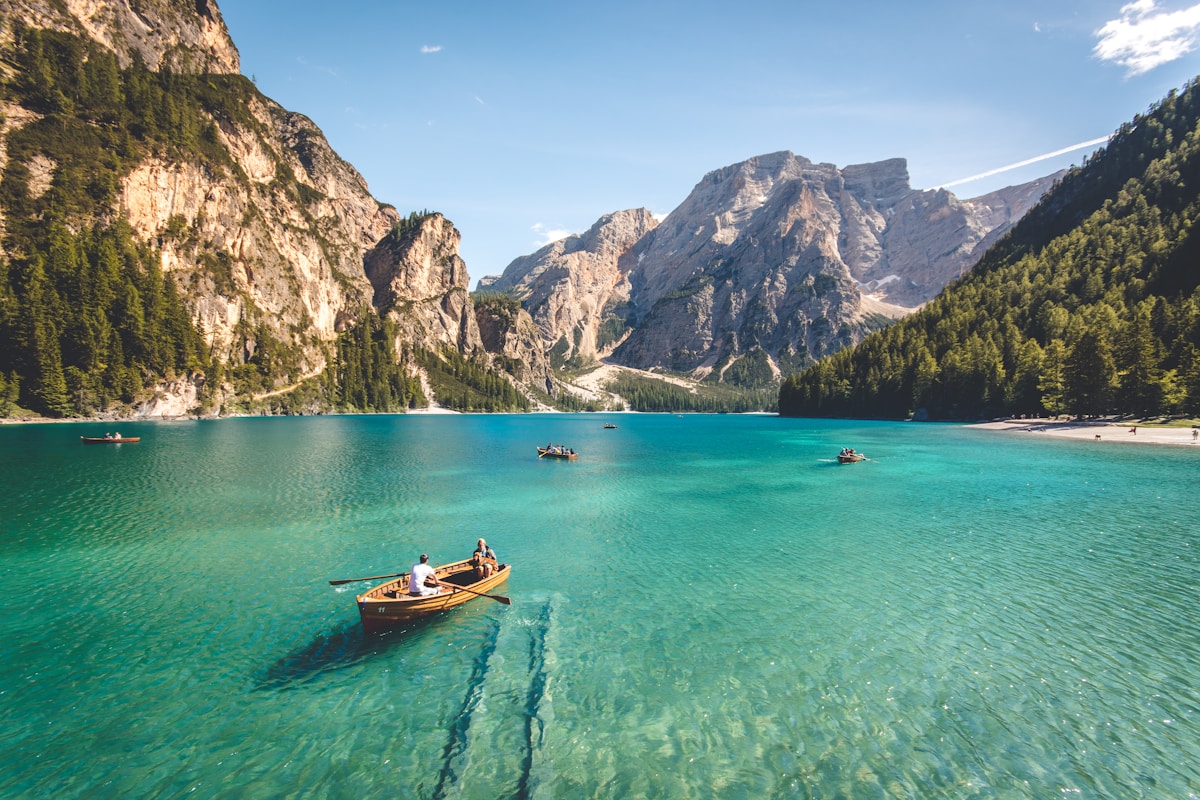
Ringed by mountains and far from any city, Sayram Lake offers wide-open horizons and almost no ambient light. The lakeshore at night, with the grass whispering and the water black, is one of the quietest places I’ve stood.
Kanas and the Altai
The forests of northern Xinjiang have their own magic — fewer stars than the plateau but more atmosphere, with the silhouette of pine ridges against the glow of the Milky Way. Nalati and the Ili grasslands also work well on clear summer nights.
Best Seasons and Moon Phases
Timing matters more than location. Here’s how to plan:
| Factor | Best choice | Why |
|---|---|---|
| Moon phase | New moon ± 3 days | Zero moonlight washes out the Milky Way |
| Season | May–June, Sept–Oct | Clear, dry air; avoid cloudy July–Aug |
| Time of night | 11 pm – 3 am | Galactic core highest in summer |
| Weather | 2–3 days after a front | Stable high pressure = crisp sky |
| Light | Away from towns >30 km | Kills residual glow on the horizon |
Astrophotography: Camera Settings That Work
You don’t need a telescope. A modern phone on night mode will capture more than you’d think, but a camera with a fast wide lens delivers the postcard shot. Start with these settings and adjust:
- Lens: 14–24mm wide angle, f/2.8 or faster.
- ISO: 1600–3200 (push to 6400 only if needed).
- Shutter: 15–25 seconds — longer and stars trail.
- Focus: manual, set on a bright star, then don’t touch it.
- Support: a sturdy tripod; even a breeze blurs a 20s exposure.
Shoot in RAW so you can lift the shadows later. A small red flashlight preserves your night vision while you fiddle with settings — white light ruins both your eyes and anyone else’s shot.
Don’t underestimate the learning curve. My first night shots were either black or a blurry mess; the breakthrough came when I stopped chasing the brightest setting and instead nailed focus and used a remote shutter or the camera’s self-timer to avoid shake. Even a two-second delay makes the difference between a crisp galactic core and a smeared one. Practice at your first dark site so the memorable location isn’t your trial run — the settings that worked at Karakul may need tweaking for the thinner, colder air at Sayram.
What to Bring and How to Stay Comfortable
Night on the plateau is cold even in summer — I’ve shivered in July at Karakul. Pack a warm layer, a hat, and a thermos. Give your eyes 20 minutes to adapt; the sky genuinely gets deeper the longer you look. If you’re combining stargazing with a Pamir drive, plan to sleep near the lake rather than attempt the passes in the dark.
Reading the Horizon: Light and Air
Even in remote Xinjiang, a faint glow often sits on the northern or eastern horizon — that’s the scattered light of a distant city, or sometimes the moon. The trick is to point your camera and your gaze away from that glow, toward the darkest part of the sky, usually overhead or to the south. Within an hour of true darkness your eyes adjust and the difference becomes obvious. I’ve learned to do a slow 360-degree turn when I first arrive; the sky is rarely uniform, and finding the darkest wedge makes the Milky Way pop. On the Pamir especially, the air is so thin and dry that even a sliver of moon can wash the faint stars, so I plan around the new moon whenever I can.
What You’ll Actually See (and What’s a Photo Truth)
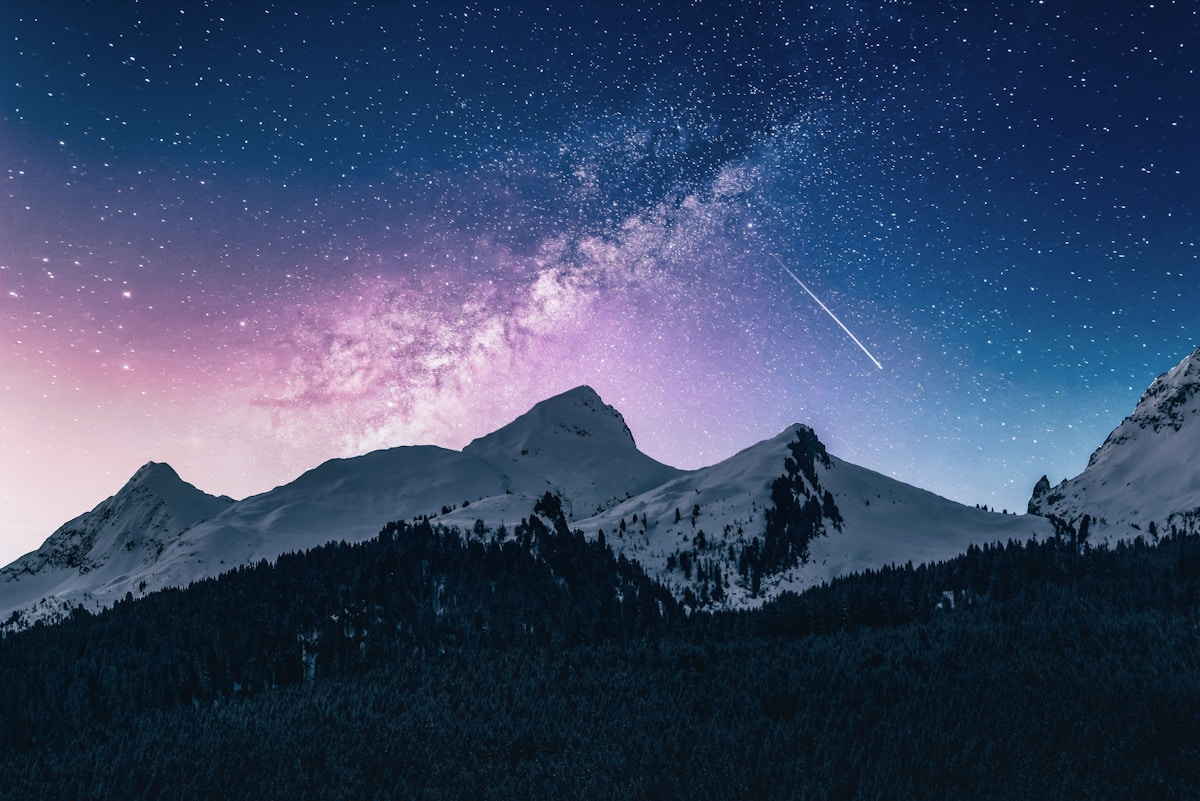
With the naked eye you’ll see thousands of stars, the Milky Way as a soft band, and sometimes shooting stars during a shower. What phone and camera photos show — saturated color, the galactic core in vivid detail — is partly long-exposure processing, not exactly what the eye sees. That’s fine; just know the real view is subtler and, honestly, more moving. Meteors are seasonal: the Perseids in August and the Geminids in December are the reliable shows, and Xinjiang’s clear autumn skies make December surprisingly good despite the cold. Bring patience — the best moments often come after you’ve stopped looking for them.
Weaving Stargazing Into Your Route
You don’t need a dedicated astronomy trip. Most north–south or plateau routes already pass a dark-sky spot; you just need to plan an overnight there rather than racing through. Karakul fits naturally on a Pamir loop, Sayram on an Ili circuit, and the Altai forests on a northern lakes route. Build one or two “stay late” nights into your plan and keep the next morning slow — after a late night under the stars, nobody wants a 7 am departure. Tell your driver or group in advance so the day’s mileage leaves room for a late night.
What to sort out before you leave
- Needing a special permit — You need the border permit to enter the Tashkurgan area where Karakul sits — that’s a travel permit, not a stargazing permit.
- Seeing the milky way with my phone — Yes, with night mode and a steady tripod, modern phones capture the Milky Way surprisingly well.
- Safe to be out at night in remote xinjiang — The remote spots are quiet and generally safe, but tell someone your plan, carry a charged phone, and don’t wander far from your vehicle or guesthouse.
- Month has the clearest skies — May–June and September–October tend to be driest and clearest.
- Light-pollution-free towns to base from — Karakul, Sayram, and the grassland areas around Nalati have minimal glow.
Work through that list a few days before departure, not on the morning you fly. Most of the grief I have seen on this route comes from leaving it until the last minute.