Huocheng Lavender Fields: Xinjiang’s Purple Sea and China’s Lavender Capital
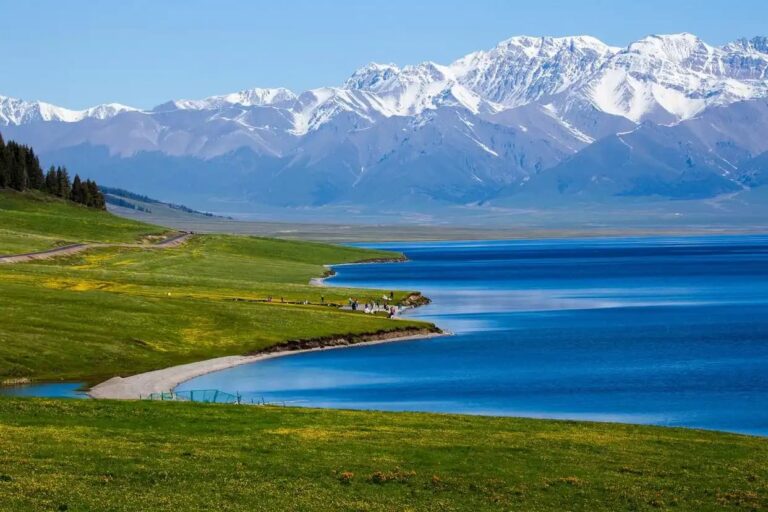
Most travelers come to Xinjiang for deserts, snow mountains, and grasslands. But tucked into the Yili valley, a few hours from the Kazakh border, there is a stretch of land that smells like Provence and rolls out in waves of purple: the Huocheng lavender fields. I almost missed it on my first trip north, dismissing it as a side note to Sayram Lake. That was a mistake. For about three weeks each June, Huocheng turns into the largest lavender-growing area in China, and the air itself is fragrant.
Why Huocheng Earned the Title “Lavender Capital of China”
Lavender is not native to Xinjiang. It was introduced in the 1960s, when agronomists testing cold-hardy crops brought seeds from France and planted trial plots in Huocheng county, in the Yili (Ili) Kazakh Autonomous Prefecture. The climate did the rest. Huocheng sits at roughly the same latitude as Provence, with hot, dry summers, cold winters, and long hours of sunshine — the exact conditions lavender loves. Decades later, the county produces close to a third of China’s lavender and a meaningful share of its essential oil.
What makes it worth a detour is scale and access. Unlike a single paid garden, the lavender here spills across working farms, roadside fields, and low hills. You can pull over almost anywhere in June and walk into a sea of purple with the Tian Shan in the background.
When Does the Lavender Bloom? (Timing Is Everything)
This is the single most important thing to get right. The bloom is short and comes in two waves. Miss it and you will find cut stubble and empty stems.
| Period | What you see | Notes |
|---|---|---|
| Early June | First cut begins; fields turn purple | Best fragrance; some farms already harvesting |
| Mid-to-late June | Peak bloom, festival atmosphere | Crowds highest; photography light is superb at dawn |
| Late June | Second cut; lavender festival events | Still photogenic; product markets at full stock |
| September | Small secondary bloom | Sparse; not worth a dedicated trip |
My timing tip
If you can only pick one week, aim for the second and third week of June. Arrive for the best travel window in Xinjiang and you will catch peak purple with comfortable weather. Go on a weekday and be in the fields before 9 a.m. to beat both the heat and the tour buses.
Getting to Huocheng (and Pairing It With Sayram Lake)
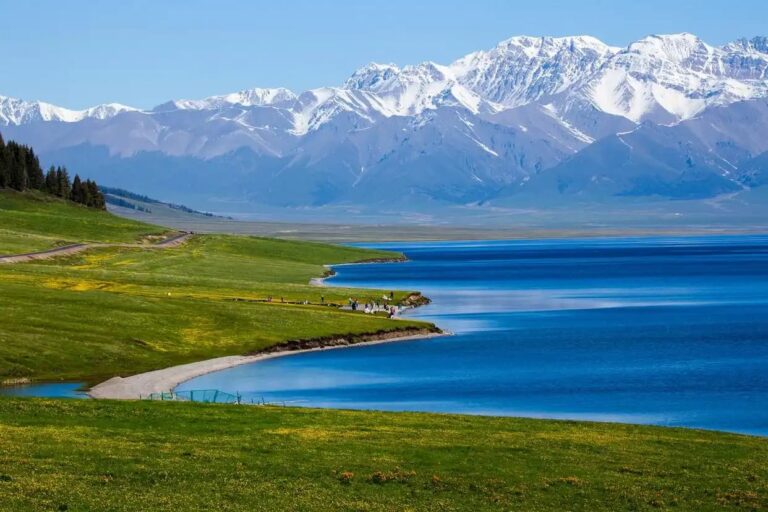
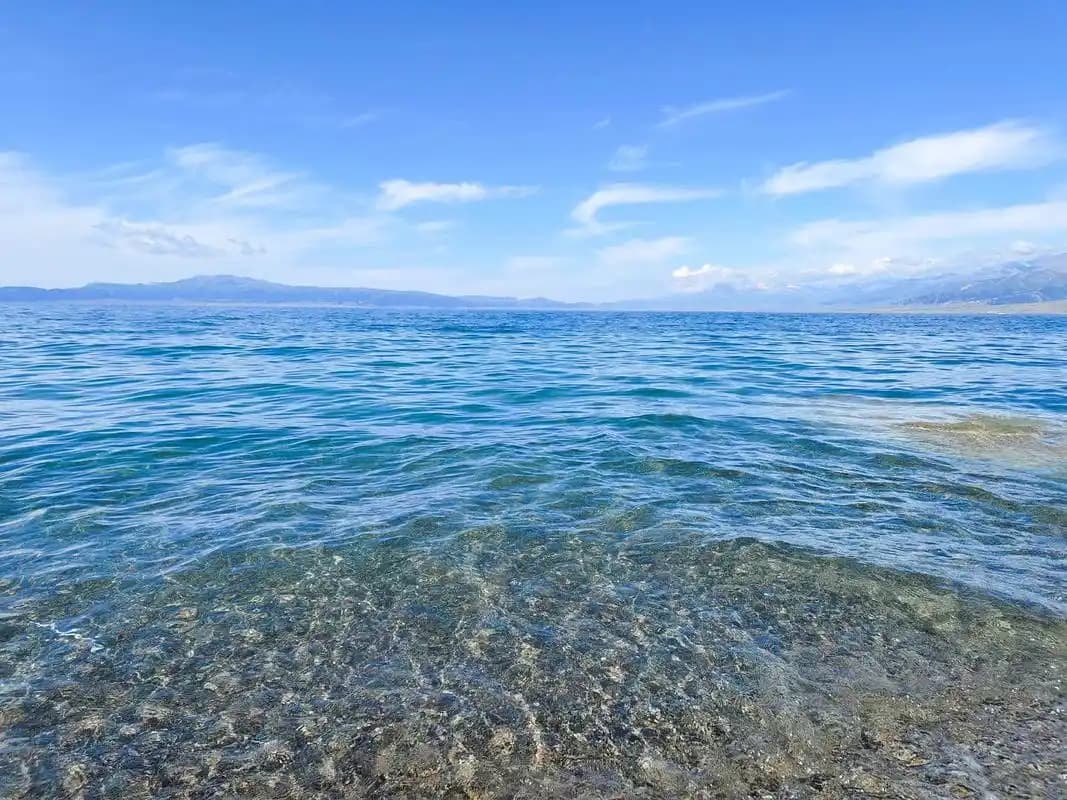
Huocheng county is about 40 km from Sayram Lake and roughly 50 km from Yining (Ghulja), the main hub of Yili. Most visitors fly into Yining airport, rent a car, and loop north: Yining → Huocheng lavender → Sayram Lake → Guozigou Bridge → back. The drive between the lavender fields and Sayram Lake takes under an hour, which makes combining them effortless.
Practical note: lavender farms are spread out. A driver or rental car is strongly recommended. Public buses reach Huocheng town but will not drop you at individual fields. The main lavender scenic zone has a signed entrance and a modest ticket, while many roadside plots are free if you park respectfully and do not trample the crop.
What to Do in the Lavender Fields
Visit a working lavender farm
The largest organized spot is the Huocheng Lavender Cultivation Demonstration Base, where you can walk the rows, watch distillation, and learn how the oil is extracted. It is touristy but informative, and the on-site museum explains the French-seed origin story.
Photography tips
Shoot at golden hour — the low sun makes the purple glow. Wear white, yellow, or red to stand out against the flowers. Drones are allowed in open areas but not directly above the distillation buildings. A polarizing filter cuts glare on the oily leaves.
Buy lavender products
Huocheng sells essential oil, dried bouquets, sachets, pillows, and even lavender ice cream. Prices are far lower than in city shops, but quality varies. Look for a batch number and a clean, not chemical, scent.
Where I would book
| Option | Pros | Cons |
|---|---|---|
| Yining city hotels | Best comfort, airports, restaurants | 50 km from the fields |
| Huocheng town guesthouses | 10–20 min to farms, cheap | Limited English, basic |
| Sayram Lake yurts / camps | Stunning sunrise, combine trips | Cold at night, books out in June |
A Half-Day vs Full-Day Plan
If you are passing between Yining and Sayram Lake, two hours at a lavender farm plus a product stop is enough. If you are a photographer or simply love the scent, spend a full morning: dawn in the fields, late breakfast in Huocheng, then north to the lake by noon. Either way, treat the lavender as the appetizer to Yili’s bigger landscapes, not the whole meal.
Beyond the Fields: What Else to Do in Huocheng
Huocheng itself is a quiet county town, but it sits at the gateway to some of Yili’s best scenery. After the lavender, I recommend the Guozigou Valley, a short drive east, where a dramatic cable-stayed bridge leaps a forested canyon and a walking path follows a mountain stream. In June the hillsides are green and dotted with wildflowers that echo the lavender’s purple without the crowds. The viewpoint over the bridge at sunset is one of the most photographed frames in the whole prefecture.
What to eat nearby
Yili’s food is the most Central Asian in Xinjiang. Around Huocheng you will find excellent hand-pulled laghman noodles, fresh nan bread straight from the tandoor, and dairy from Kazakh and Mongolian herders: thick yogurt, salty milk tea, and soft white cheese. A roadside stop for grilled mutton skewers and a bowl of cold noodle salad rounds out a perfect field day, and the lavender ice cream is worth a scoop even if it sounds gimmicky.
Combining Lavender With a Wider Yili Loop
Most travelers use the lavender as one stop on a bigger Yili circuit. A sensible five-day version runs: Day 1 Yining arrival and the city’s leafy parks; Day 2 Huocheng lavender plus Guozigou; Day 3 Sayram Lake and the Guozigou Bridge; Day 4 westward to the Karajun grasslands or the strange grid plan of Tekes, the bagua city built on an eight-trigram diagram; Day 5 south to Zhaosu for its rolling grasslands and famous horses. The lavender is the fragrant punctuation, not the whole sentence.
Sustainable and Respectful Visiting
Lavender is a working crop. Stay on the paths, ask before entering private plots, and buy something if you photograph a farm: a small bottle of oil or a sachet keeps the relationship healthy. Drones should stay clear of the distillation buildings, and litter in the open fields is unfortunately common, so pack out what you bring. The fields are free to enjoy precisely because locals tolerate curious visitors; a little courtesy keeps them open.
What changes with the calendar
Spring and early summer
Many roadside fields are free if you park off the road and stay on the paths. The main demonstration base charges a small ticket. Never enter a fenced, obviously private plot without asking.
Summer
Yes, easily. They are under an hour apart, and a Yining–Huocheng–Sayram loop is the standard one-day route in June.
Absolutely — Yili also has apricot blossoms in April, rapeseed fields, and wildflower grasslands in summer. The lavender is just the most famous.
Autumn
Light, solid colors (white, red, yellow) pop against purple. Bring a sunhat and water; there is little shade in the open fields.
It falls in late June, around the second cut, with harvest demonstrations and local music. Dates shift slightly by bloom, so check the county tourism notice before you book.