Ramadan in Xinjiang: Traveling During the Fasting Month
I spent one Ramadan in Kashgar, and it reshaped how I think about the city. Days were quiet — cafes shuttered, streets hushed under a pale sun. Then at dusk the iftar cannon (or these days, the call) sounded, and the old town exploded into warmth: dates, soup, milk tea, and families spilling onto carpets. Traveling during Ramadan in Xinjiang asks for adjustment, not avoidance. Done right, it’s one of the most intimate windows into local life you can get.
This guide helps you move through the fasting month without friction — and maybe with a few invitations.
What Ramadan Means Here
Ramadan is the ninth month of the Islamic calendar, when observant Muslims fast from dawn to sunset — no food, no drink, no smoking. In Xinjiang, many (not all) Uyghur, Kazakh, Kyrgyz, and Hui Muslims observe it. The month ends with Eid al-Fitr, a three-day celebration. The dates shift ~11 days earlier each Gregorian year.
How the Day Changes
From sunrise to sunset, many restaurants close or operate quietly, especially in the south. Shops may open late and close early. Nights, by contrast, are lively — markets reopen, families visit, and the pre-dawn suhoor meal sets the rhythm. Plan your sightseeing for mornings and your social life for evenings.
Eating and Drinking as a Visitor
You are not expected to fast. But discretion matters: avoid eating or drinking conspicuously in public during daylight, particularly in conservative areas. Hotels and some tourist restaurants stay open; eat there or in your room. A traveler sipping water openly on a village street can unintentionally cause offense. In cities, it’s more relaxed, but the considerate default is low-key.
| Time | Local rhythm | Visitor approach |
|---|---|---|
| Dawn–sunset | Fasting, quiet days | Eat discreetly; sightsee mornings |
| Sunset (iftar) | Break-fast feasts | Accept invites; be quiet if not joining |
| Evening | Markets, visits | Great time to wander respectfully |
| Pre-dawn | Suhoor meals | Expect early noise; sleep earplugs |
Photography and Sensitivity
This is not the time for photos of people looking weary at midday, or of meals being broken in private. If invited to an iftar, you may photograph the food and the gathering with permission. Our photography guide stresses consent year-round; during Ramadan, lean extra careful.
Joining an Iftar
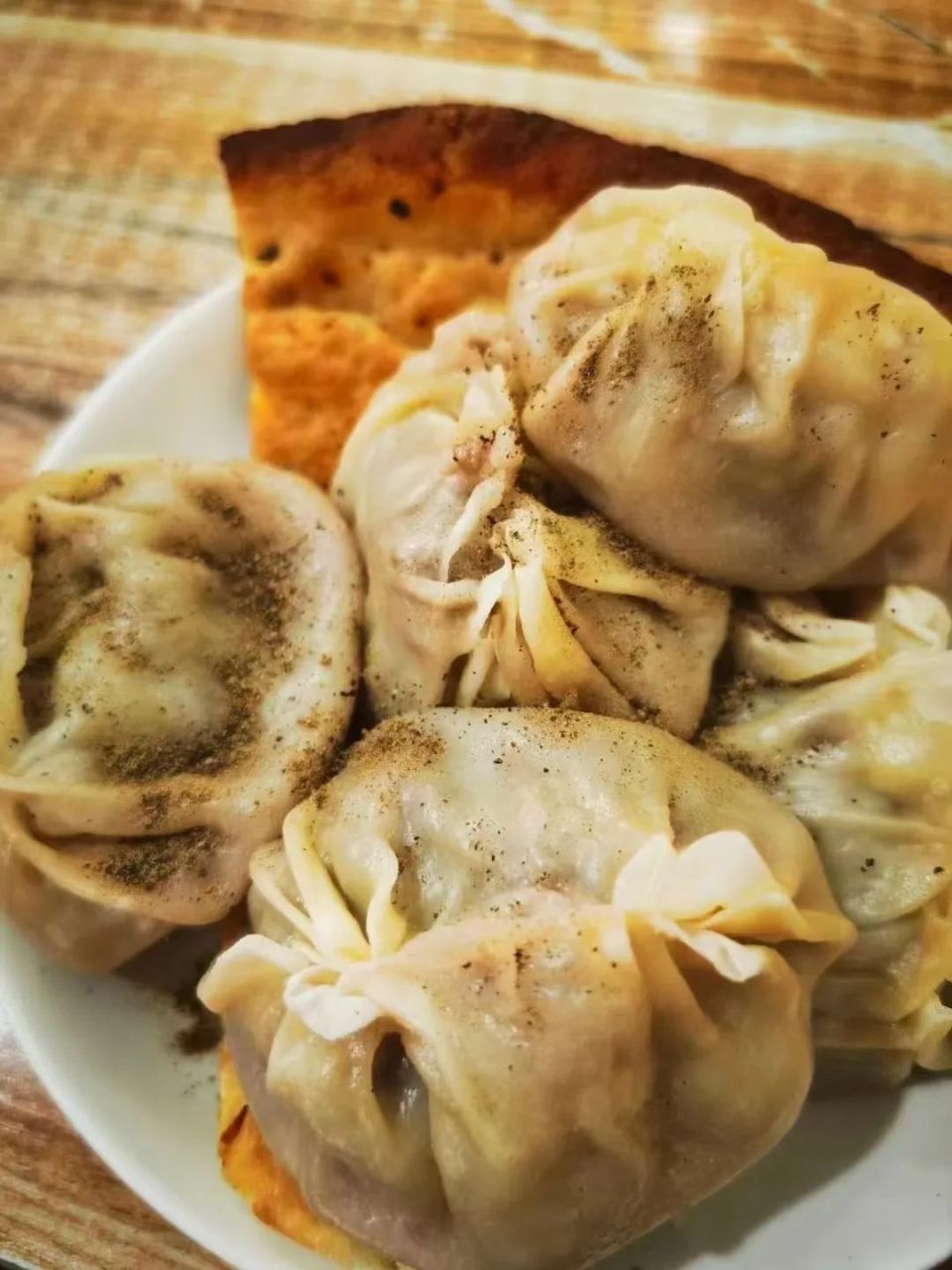
If you’re invited to break the fast, count yourself lucky. Arrive just before sunset, greet with “Ramadan mubarak.” The fast traditionally opens with a date and water, then soup and bread. Don’t eat before the call. Compliment the host. It’s one of the warmest experiences in the region — I still remember the first spoonful of shorpa (broth) handed to me by a stranger who simply refused to let me eat alone.
The Changed Rhythm of the Day
Ramadan rewires a town’s clock. Mornings are calm, even sleepy, as the fasting body conserves. Afternoon is quiet, with shuttered cafes. Then, an hour before sunset, a nervous energy builds — markets reopen, samovars fire up, children run errands for dates and bread. At the call, the fast breaks almost explosively into life. Travelers who align their days to this rhythm — sightsee mornings, rest afternoons, explore evenings — find Ramadan one of the most atmospheric times to be here.
Suhoor and the Pre-Dawn Noise
The pre-dawn meal, suhoor, means drums or calls wake the neighborhood hours before light. If you’re staying in a guesthouse, bring earplugs; the wake-up is traditional and won’t pause for tourists. Rather than resent it, I’ve come to enjoy stepping out at 4 a.m. to see the town quietly stirring — a side of Xinjiang almost no daylight visitor witnesses.
Eating Discreetly as a Non-Faster
You’re not expected to fast, but visibility matters. In conservative southern towns, eating or drinking on the street at midday can unintentionally offend. The considerate move: eat in your hotel, a tourist restaurant, or a corner out of sight. In Urumqi and bigger cities it’s more relaxed, but the respectful default everywhere is low-key. This isn’t suppression of your needs; it’s simple empathy during a hard month for others.
| Time | Local state | Your move |
|---|---|---|
| Pre-dawn | Suhoor, drums | Earplugs; optional step out |
| Morning | Calm, fasting | Sightsee, eat privately |
| Afternoon | Quiet, shuttered | Rest, plan, write postcards |
| Sunset | Iftar explosion | Join if invited; else wander respectfully |
The Joy of Iftar Invitations
If a family invites you to iftar, you’ve been handed a gift. Arrive just before sunset, greet with “Ramadan mubarak.” The fast opens with a date and water, then soup and bread. Don’t eat before the call — waiting with them is the point. I still remember the first spoonful of shorpa handed to me by a stranger who refused to let me eat the sunset alone. That meal taught me more about Xinjiang than any guidebook.
After Ramadan: Eid
The month ends with Eid al-Fitr, three days of feasting that flip the quiet upside down. Plan any tight logistics around that transition, and you’ll have experienced both the discipline and the release that define the season.
Ramadan and the Non-Fasting Traveler’s Dilemma
The honest tension of Ramadan travel is this: you’re hungry and the town is, too, but for opposite reasons. The considerate move is invisibility with your needs — eat in your room, carry a water bottle discreetly, step into a hotel rather than a street corner at noon. I’ve found that locals appreciate the effort far more than any fast I might attempt. Discretion is the gift you give a fasting community: I see your sacrifice, and I won’t rub my needs in its face.
Breaking Fast With Strangers
The most moving Ramadan experience is the open iftar — families who set extra places for whoever arrives. In Kashgar I was pulled into one such table by a man who simply said, “Eat,” and pointed to the dates. That invitation, unearned and unasked, is the holiday’s thesis: scarcity transforms into abundance through sharing. If you’re offered a seat at iftar, take it; you’ll eat less as a guest than you’d learn as a witness to generosity.
Ramadan for the Curious Traveler
You don’t have to fast to appreciate Ramadan; you only have to notice it. Walk the old town at dusk and feel the held breath release; visit a market reopening at sunset; accept the one invitation you’ll surely get. The month is an immersion in a community’s discipline and joy, available to any respectful observer. I’ve come to rank a Ramadan evening in Kashgar among my top Xinjiang memories, precisely because the region revealed a side the daylight hours hide.
Practical Packing for Ramadan Travel
Pack snacks you can eat discreetly in your room, a refillable bottle for private hydration, and earplugs for pre-dawn drums. Adjust your sightseeing to mornings and evenings, and keep afternoons light. None of this is hardship; it’s simply syncing your clock to the place you’re in. The 30 travel tips collection has more on daily pacing that pairs well with Ramadan timing.
Questions people keep asking me
Will I be able to find food during the day?
In big cities and hotels, yes. In smaller southern towns, options shrink at midday; stock snacks and eat privately.
Do I have to fast as a visitor?
No. But many travelers choose to fast a day to understand it — never required, always respected if done sincerely.
Is it a bad time to visit?
Not at all, if you’re flexible. You trade some daytime dining for unforgettable evenings and gentler crowds.
Can I visit mosques during Ramadan?
Yes, but evening Tarawih prayers fill them; observe respectfully from the edges, never disrupt.
What greetings apply in Ramadan?
“Ramadan mubarak” or “Ramadan kareem” works everywhere. At iftar, “Iftarlik mubarak” is a nice touch.