Xinjiang Travel Tips: 30 Things to Know Before You Go
My Xinjiang Before-You-Go Checklist
These Xinjiang travel tips come straight from my own mistakes and lessons, gathered after I self-drove the Duku Highway twice and spent close to six weeks living inside Kashgar Old Town. Below I have pulled together thirty practical things I wish someone had spelled out before my first trip. I am not a tour company and I am not selling a fixed departure. I am an independent traveler who kept notes, and what follows is what actually mattered once I was on the ground.
When I first drove the Duku Highway, I underestimated how quickly mountain weather closes a pass and how few services exist along the way. When I later rented a room in Kashgar Old Town for those six weeks, I learned that the best travel advice is rarely about sightseeing and almost always about logistics: time, permits, money, and altitude. The point of this list is to save you the same fumbling I went through.
I have also been up on the Pamir Plateau three times, to Tashkurgan and Karakul Lake, and each visit taught me something new about border rules and thin air. One of those trips involved a real headache with the Tashkurgan border-zone permit, a story I will tell below because it is the single most common way independent travelers get stuck. Read the whole thing once, then use it as a checklist before you book anything.
A quick orientation
Xinjiang is simply huge. The region covers roughly one sixth of China’s total land area, and that single fact shapes every choice you make about transport, schedule, and budget. Most first timers do not grasp the distances until they try to go from Urumqi to Kashgar in a single push and realize it is about 1,500 kilometers of road, not a quick hop.
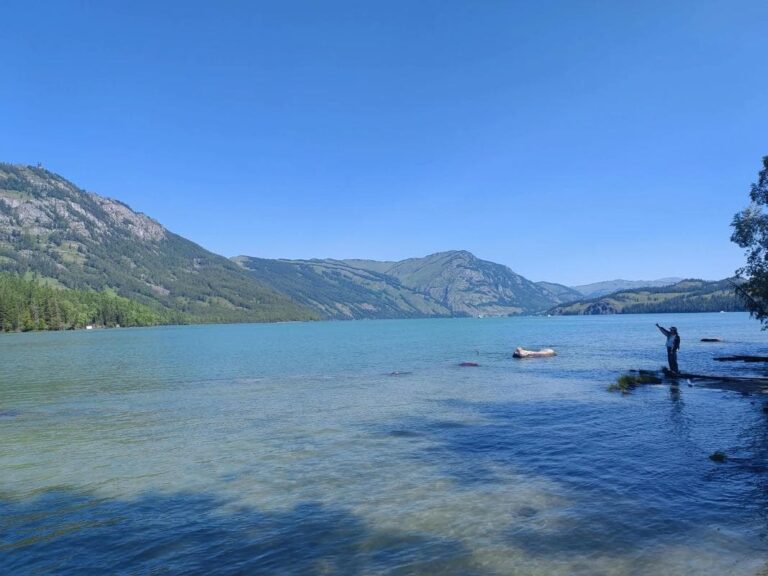
North and south Xinjiang feel like two different trips. The north leans toward grassland, alpine lakes, and forest, with places like Sayram Lake and the Ili river valleys drawing summer crowds. The south is desert, oasis towns, and the older Silk Road culture of Kashgar and Hotan. Your itinerary should commit to one side or the other unless you have three weeks or more to spare.
Time is the first quirk that catches people. The entire country runs on Beijing time, but Xinjiang sits about two time zones to the west. In practice, many people in the south live on Xinjiang time, which runs roughly two hours behind the clock on your phone. Restaurants open late, buses leave on soft schedules, and when a shop says noon it may mean two in the afternoon. Plan your own rhythm around this gap and you avoid a lot of needless friction.
On language, Mandarin is the official tongue and useful in every city, but Uyghur is everywhere in the south. A handful of greeting words goes a long way, and a translation app helps more than you might expect when you are bargaining for fruit or asking directions in a village.
Roads, signposts and distances
Most travelers reach Xinjiang through Urumqi, the regional capital, which holds the main airport and the main rail hub. Direct international flights are limited, so plenty of people connect through Beijing, Xi’an, or Chengdu first. Domestic flights from major Chinese cities to Urumqi are frequent and, as travelers report, often cheap when booked a few weeks ahead.
Trains are the slower alternative. The rail network reaches Urumqi from across China, and the sleeper trains are a genuine experience if you have the time and the patience. From Urumqi you then face the internal jump: flying is by far the fastest way to reach Kashgar or Hotan in the south, while the north is more realistic to drive. For route detail and current options, read our transportation in Xinjiang guide.
Once you are inside the region, internal flights save entire days. The drive from Urumqi to Kashgar is long enough that most people fly one direction and drive the other, or skip the drive entirely. Car rental is possible but the rules for foreigners vary by area, and some remote stretches restrict independent driving, so confirm before you commit to a vehicle.

What tickets cost
Prices move, so treat the numbers below as planning ranges rather than firm quotes. As of 2025, travelers report that a mid range hotel room in a city like Urumqi or Kashgar runs around 200 to 350 RMB per night. Scenic area entry tickets vary widely: Sayram Lake, for example, was reported around 160 RMB as of 2025, while combined national park passes can reach several hundred yuan once you add shuttle buses.
Food is cheap and genuinely filling. A solid plate of laghman or a kebab meal often comes in under 40 RMB, and a nan bread breakfast costs pocket change. Long distance buses and trains are inexpensive relative to the distances they cover. The real expense is distance itself: fuel, repeated internal flights, and any guide or driver fees if you head somewhere remote.
Always confirm current prices on official ticketing platforms or at the gate before you build a budget around them. I am giving you ranges so you can plan, not a promise that a given ticket will cost exactly that next season.
When the road and weather line up
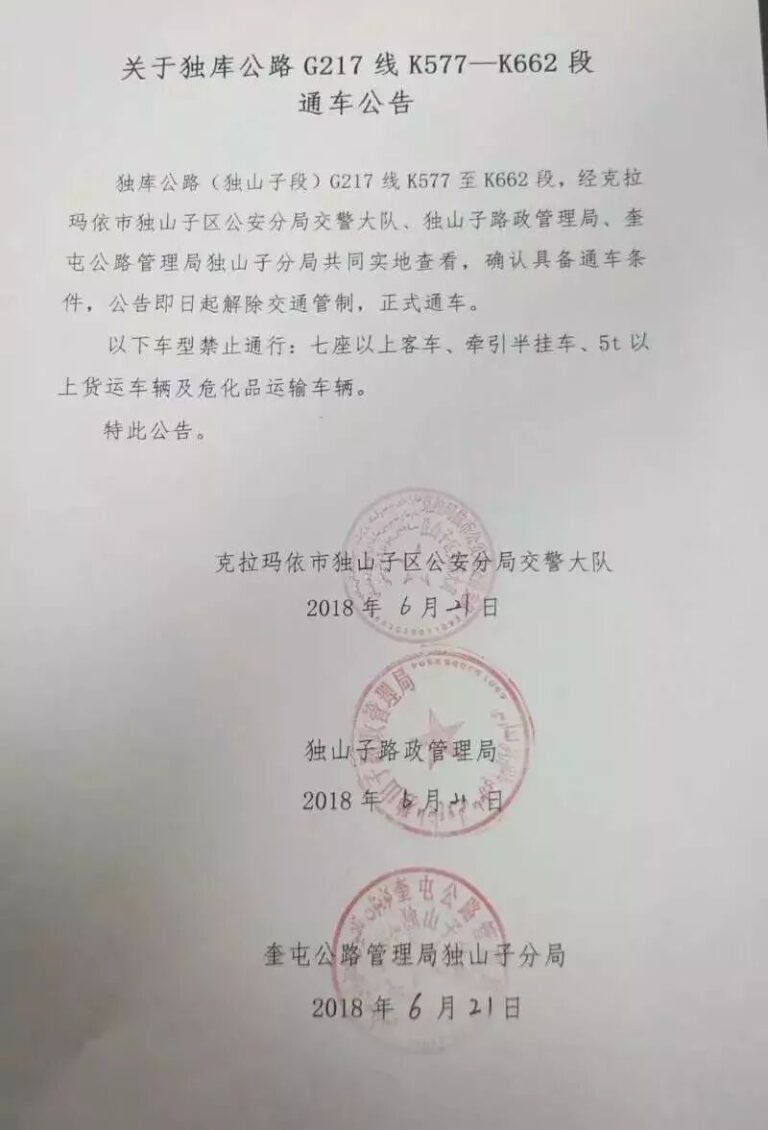
The season you choose changes the whole character of the trip. Spring brings blossom in the south and noticeably fewer crowds. Summer is the peak in the north, with green grasslands and busy mountain roads, and it is also the window when the Duku Highway is fully open, usually from June into early October depending on snow. Autumn, especially October, is prized for the golden poplar forests of the south and for clear skies on the Pamir Plateau. Winter is harsh, many mountain passes close, but prices drop and the towns go quiet.
I have been on the Pamir three times and found late September to early October the most reliable stretch for open roads and clean views. For a fuller month by month breakdown, see our best time to visit Xinjiang guide.
The itinerary I would follow
Here is a compact seven day loop centered on the south, which is the part of the region I know best after those weeks in Kashgar. It is meant to show pacing, not to be the only possible route. The Pamir leg in particular is longer than the map suggests once you factor in checkpoints and altitude.
| Day | Time | Plan |
|---|---|---|
| 1 | 08:00 | Arrive Urumqi, buy supplies and SIM card |
| 1 | 14:00 | Flight to Kashgar |
| 1 | 18:00 | Settle into Old Town guesthouse |
| 2 | 09:00 | Wander Kashgar Old Town, Sunday market if it fits |
| 2 | 15:00 | Id Kah Mosque area and old tea houses |
| 3 | 08:00 | Drive toward Pamir, stop at Karakul Lake |
| 3 | 16:00 | Reach Tashkurgan, rest for altitude |
| 4 | 09:00 | Explore Tashkurgan border town on foot |
| 4 | 14:00 | Return toward Kashgar |
| 5 | 10:00 | Day trip to a nearby oasis town |
| 6 | 08:00 | Fly back to Urumqi |
| 6 | 13:00 | Brief city sightseeing |
| 7 | 10:00 | Depart |
This loop is fast. If you have more days, slow it down and add a second night on the plateau. The timetable is a skeleton, not a race, and the best moments in Kashgar came for me when I dropped the schedule entirely.
Sleeping in the centre
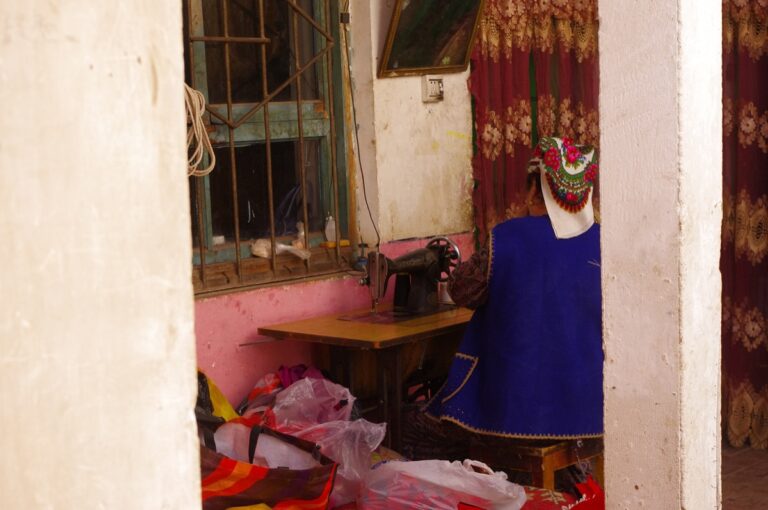
In Kashgar I rented a room inside the Old Town for about six weeks, and that stretch taught me more than any hotel list ever could. Guesthouses within the Old Town are atmospheric and walkable, but rooms can be basic and sound carries through thin walls. City hotels near the airport or train station are more comfortable and far easier for early departures.
Out on the Pamir Plateau you will find yurts and simple lodges near Karakul Lake. These are rustic by any standard: thin fabric or wood walls, shared toilets, and cold nights even in summer. Booking realities for foreigners differ from the Chinese travel platforms you may know. Some international sites do not list the smaller properties, and a few guesthouses prefer walk in arrivals. Have a plan B and do not assume every place accepts a foreign passport without a phone call first.
Food
Xinjiang food is hearty and, in the south, almost entirely halal, which matters if you keep dietary rules. The staples are laghman (hand pulled noodles), polo (rice cooked with carrot and lamb), samsa (baked pastries), nan bread, and more kebabs than you can count. In Kashgar the night market and the Old Town stalls were where I ate best, often for less than the price of a coffee back home.
Be adventurous but sensible. Street food is generally safe and delicious, but wash your fruit, drink bottled water, and watch how busy a stall is before you order. Dairy like kumis, fermented mare’s milk, is an acquired taste, so try a small cup before committing to a bowl.
Practical Xinjiang Travel Tips: Permits, Money, and Daily Life
This is the core of the list. I have grouped the thirty tips so the practical ones land here, with the rest touched on in earlier sections. Read this part twice before you fly.
1. Sort the Tashkurgan border-zone permit before you travel. I learned this the hard way: on one of my Pamir trips I had not arranged the permit in advance, and I spent a stressful morning at a Kashgar police station sorting paperwork before I could drive toward Tashkurgan. As official sources state, the border area around Tashkurgan requires a special permit for foreign visitors, and you usually handle it through your accommodation or a local agent in Kashgar. Do it in the city, never at the checkpoint.
2. Carry your passport everywhere. Checkpoints are common on roads to the south and onto the Pamir. You will show identification often, so keep it accessible rather than buried in your bag.
3. Cash still matters. Alipay and WeChat Pay dominate daily life, but foreign cards often do not link cleanly. Travelers report carrying 500 to 1,000 RMB in cash covers small stalls and remote fuel stops.
4. Get a Chinese SIM card. A local data plan is far more reliable than roaming, and you need it for maps and payments. Many global services are blocked, so sort your VPN before you arrive if you depend on them for work or messaging.
5. Budget for altitude. The Pamir rises well past 3,000 meters. I felt it on all three of my visits. Ascend slowly, drink water, and pack medicine if you are prone to sickness.
6. Distances are brutal. Build buffer days into every plan. A 300 kilometer drive can eat a full day once checkpoints and terrain are counted.
7. Pack in layers. The swing from midday sun to night cold on the plateau is severe. For a full rundown, see our what to pack for Xinjiang guide.
8. Mind photography etiquette. Ask before photographing people, especially at markets and near checkpoints. Military sites, bridges, and border infrastructure are off limits and signs are often in Mandarin only.
9. Learn the time zone gap and double check every schedule against it. 10. Book internal flights early in summer. 11. Halal is the default in the south, so respect the kitchens. 12. A translation app with offline Mandarin or Uyghur helps enormously.
13. Duku Highway closures are weather driven; check status before you set off. 14. Fuel up whenever you can, because remote stations are sparse. 15. Keep both digital and paper copies of every permit.
16. Small guesthouses may not take foreign bookings through apps. 17. Bargain politely at markets, not at fixed price shops. 18. Tap water is not for drinking, so buy bottled. 19. Respect prayer times and mosque etiquette when you visit.
20. Download offline maps, because signal drops in the mountains. 21. Carry snacks for the long drives between towns. 22. Sunscreen and lip balm are essential in the dry air. 23. Avoid sensitive topics with people you do not know.
24. Confirm your hotel accepts foreigners before you book. 25. Trains sell out, so reserve sleeper berths ahead. 26. The Duku is seasonal; I drove it twice and both times outside the deep snow window. 27. Tipping is not expected anywhere.
28. Keep a power bank, because cold weather drains phone batteries fast. 29. Register at each hotel with your passport as required by local rules. 30. Slow down. The best hours in Kashgar and on the Pamir came from lingering, not from rushing the next checkpoint.

Getting the paperwork right
- Really need the tashkurgan permit — No.
- Foreigners self drive the duku highway — I self drove the Duku twice, but the rules for foreign licensed drivers and rented cars change.
- Cashing — Both.
- Bad is the altitude on the pamir plateau — Real but manageable.
- Deal with the two hour time difference — Official time is Beijing time, but local life in the south runs about two hours behind.
- Hard to find halal food in the south — Almost the opposite.
- Minimum number of days for a first trip — A week covers a southern loop like the timetable above.
- Hotels accept foreign passports — Most city hotels do, but some smaller guesthouses and remote yurts do not list foreign acceptance online.
Work through that list a few days before departure, not on the morning you fly. Most of the grief I have seen on this route comes from leaving it until the last minute.