Xinjiang for Muslim Travelers: Halal Food, Prayer & Ramadan on the Road
Xinjiang for Muslim travelers offers a rare combination of familiar halal dining, visible Islamic heritage, and a Muslim-majority population in many areas, making the region one of the easiest places in China for observant visitors to eat and worship. This guide is compiled from published halal dining guides, mosque visitor information, and traveler accounts rather than the author’s personal religious practice.

Research Basis and Boundaries
The information below is drawn from three sources: halal dining guides that map certified and community-verified restaurants, mosque visitor information that lists opening hours and visitor etiquette, and traveler accounts shared in forums and travel reports. The author is not a Muslim and has not personally performed prayers or observed fasts in Xinjiang. Where a claim depends on personal experience, this article attributes it to the source group, using phrases such as “Muslim travelers report” or “halal guides note”. No individual names, dates, or conversations have been invented. Readers should verify current opening hours and certification with local providers before travel, since conditions change.
This article also avoids presenting the writer as a travel agency or hotel. It is a reference compiled from public resources, not a booking service or a paid recommendation. The goal is to help observant visitors plan with realistic expectations rather than to promise a specific experience. When a statement sounds like a guarantee, it reflects what a source reported, not a commitment by this author.
The essentials
Xinjiang is home to several Muslim communities, including Uyghur, Kazakh, Hui, Kyrgyz, and Tajik populations. In cities such as Kashgar, Hotan, and Turpan, halal food is the default rather than the exception. Mosque visitor info states that major mosques welcome respectful visitors outside prayer times, though non-Muslims may be asked to observe from designated areas during congregational prayers.
Muslim travelers report that finding prayer spaces is generally straightforward in southern and western Xinjiang, where mosques are numerous. In larger Han-majority districts of Urumqi, halal restaurants are common but prayer spaces may require a short walk or a request at a hotel. Halal guides note that the Arabic phrase “halal” and the Chinese characters qingzhen are both used on signage, and either marker is a useful signal. The region spans a vast area, so distances between towns can be long, and planning rest stops with prayer in mind is worth doing before a driving day.
For observant visitors, Xinjiang for Muslim travelers means less time worrying about ingredients and more time focused on schedules. The main planning task is not whether food is permissible but whether a given venue serves alcohol or mixes utensils. That distinction is explained in the next section.
Halal Food: What to Expect
Halal food in Xinjiang follows the same broad principles as elsewhere: no pork, no alcohol in the cooking, and meat slaughtered according to Islamic rite. Because the local population is largely Muslim, most restaurants are natively halal rather than adapted for tourists. Traveler accounts describe lamb skewers, hand-pulled noodles, and pilaf as everyday staples that appear in nearly every town.
There are two useful distinctions for visitors. A fully halal restaurant run by a Muslim family typically displays qingzhen and serves no alcohol. A Hui-owned noodle shop may be halal but sometimes serves beer to non-Muslim customers, so travelers who avoid alcohol should ask. Halal guides note that cross-contamination is rare in native halal kitchens but can occur in mixed-license venues in tourist areas. When in doubt, ordering plainly cooked meat and rice reduces risk compared with shared hotpot broths.
Beyond meat, the produce markets are a strength of the region. Muslim travelers report that dried fruit, nuts, and fresh melons are widely available and naturally halal, which makes roadside snacks simple during long drives. For background on plant-based options alongside meat dishes, see our guide to Halal and vegetarian eating in Xinjiang. For a broader look at local dishes, read the Xinjiang cuisine guide.
| Venue type | Alcohol served | Typical confidence level |
|---|---|---|
| Native Uyghur halal restaurant | No | High |
| Hui noodle shop | Sometimes | Medium to high |
| Tourist mixed-license venue | Often | Lower, verify on site |
| Hotel buffet in major city | Separate zone | Medium, ask staff |
Finding Prayer Spaces and Mosques
Mosque visitor info states that the Id Kah Mosque in Kashgar is among the largest and most visited, with clear signage and an adjacent plaza. Muslim travelers report that smaller neighborhood mosques are open for the five daily prayers and are usually welcoming to visiting Muslims who arrive quietly and observe local etiquette.
Practical points from halal guides: carry a small prayer mat, check the direction of qibla with a compass app, and aim to arrive a few minutes before the adhan where audible. In remote areas, traveler accounts note that roadside rest stops and some highway service areas include a quiet room, though this is not guaranteed. Non-Muslim companions should dress modestly and avoid walking across prayer rows. In Urumqi, several large mosques sit within reach of the city center, but the spacing between them is wider than in Kashgar, so a map check before leaving the hotel helps.
Halal guides also recommend learning a few polite phrases in the local language, since asking where the nearest mosque is will usually get a clear point or walk. Mosque visitor info adds that during Friday midday prayers, streets near major mosques can be busy, and arriving early secures space and a calmer entry. For a walkable district rich in mosques and halal eateries, our Kashgar Old City guide is a useful companion.

Ramadan on the Road
During Ramadan, Muslim travelers report that the rhythm of daily life in Muslim-majority towns shifts. Many restaurants close during daylight hours and reopen for iftar after sunset. Halal guides note that in Kashgar and Hotan, suhoor arrangements are common at hotels and family restaurants, while in Urumqi the pattern is more mixed and some venues stay open normally for non-fasting customers.
Travelers who are fasting should plan drives and hikes for early morning or after iftar, since midday heat and low energy are frequently mentioned in accounts. Mosque visitor info states that tarawih prayers are held at larger mosques, and visitors should confirm times locally because they shift with the lunar calendar. Carrying water for non-fasting companions and a small fan in summer makes daytime outings more comfortable for the whole group. Ramadan also changes market hours, with night bazaars becoming lively after iftar, which many traveler accounts describe as a highlight rather than a hardship.
Where to Eat: City-by-City Notes
Urumqi: Halal guides note a dense cluster of qingzhen restaurants near the international bazaar and along major avenues. Muslim travelers report reliable hand-pulled noodles and roasted lamb, with the widest range of price points in the region.
Kashgar: Our Kashgar Old City guide covers the old town where halal food is everywhere and mosque access is easy. Traveler accounts highlight the Sunday market for fresh produce and dried fruit, and note that many small eateries close briefly for midday prayer.
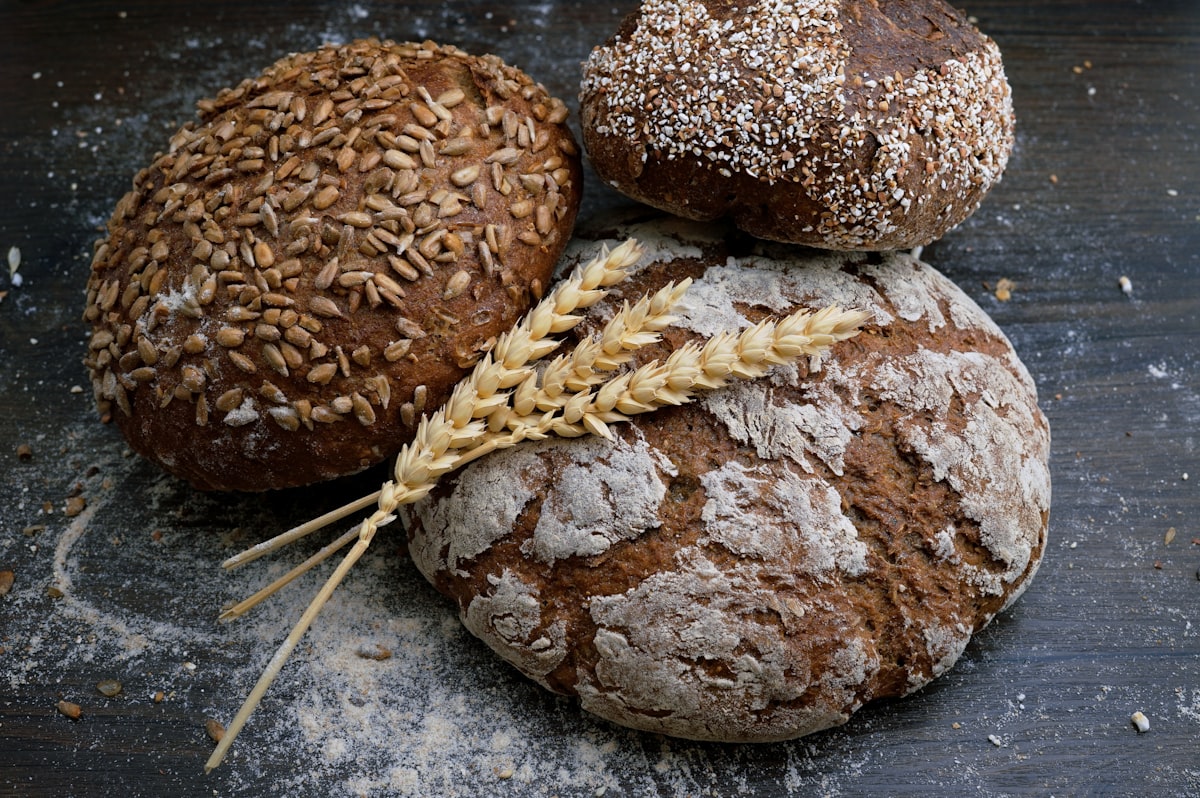
Hotan: Known for its jade market and silk, Hotan is described in halal guides as strongly halal, with few non-halal options, which simplifies choices for observant visitors. The city is also praised for its bread and date sweets.
Turpan: Muslim travelers report good halal restaurants near the bazaar, though the town is hotter and smaller, so prayer-space variety is limited compared with Kashgar. The grape valleys nearby make for easy daytime picnics with bought halal snacks.
Yining (Ghulja): Halal guides note a strong Hui and Kazakh presence, with hearty noodle and dairy dishes and several accessible mosques. Traveler accounts mention that the pace is relaxed and that restaurant staff are used to fasting customers in season.
Best Time to Travel
The best time to visit Xinjiang depends on your priorities. For comfortable fasting during Ramadan, spring and autumn offer milder days. Summer brings long daylight hours, which lengthens the fasting period but also opens highland pastures. Winter is quiet and cold, with shorter fasts if Ramadan falls in those months.
Muslim travelers report that spring and autumn are the easiest seasons for walking between mosques and markets without overheating. Halal guides note that fruit harvest in autumn adds cheap, naturally halal snacks to every stop. Summer suits those who want green pastures and festivals but should expect early suhoor and late iftar because the sun stays up long past eight in the evening in the north.
| Season | Daylight | Notes for Muslim travelers |
|---|---|---|
| Spring (Apr-Jun) | Moderate | Mild weather, good for walking to mosques |
| Summer (Jul-Aug) | Long | Long fasts, busy markets |
| Autumn (Sep-Oct) | Moderate | Fruit harvest, comfortable iftar |
| Winter (Nov-Mar) | Short | Quiet, shorter fasts if applicable |
Day-by-Day Halal Food Plan
The timetable below is a sample structure based on halal guides and traveler accounts. Times are illustrative and shift with season and location. Adjust suhoor and iftar to local prayer times during Ramadan. On non-fasting days, the same meals work well as a light, meat-forward routine.
| Day part | Typical time | Halal meal suggestion |
|---|---|---|
| Suhoor (pre-dawn) | 04:30-05:30 | Plain laghman, tea, dates |
| Morning | 08:00-09:00 | Samsa (baked pastry) from halal bakery |
| Midday | 12:30-13:30 | Polu (pilaf) with lamb, no alcohol |
| Afternoon | 16:00-17:00 | Fresh fruit, nuts, yogurt |
| Iftar (post-sunset) | 19:30-20:30 | Soup, kawap skewers, naan |
| Late evening | 21:30-22:00 | Tea and dried fruit, light tarawih walk |
Practical Tips for Visitors
Halal guides recommend learning the characters qingzhen and the term halal so you can scan signage quickly. Muslim travelers report that carrying tissues is useful since some small eateries lack napkins. Mosque visitor info states that shoes are removed before entering prayer halls, so wear easy footwear. A small reusable bottle for water and a foldable bag for market buys round out a practical day pack.
Payment is mostly digital via WeChat Pay or Alipay in cities, though cash helps in rural markets. Traveler accounts suggest downloading an offline map because signal can drop in mountain passes. For non-fasting companions, halal guides note that explaining dietary needs politely avoids confusion in shared venues. Internet access for foreigners may require a local SIM, and some apps differ from home, so setting up payment before arrival saves time at the first restaurant.

Questions people keep asking
Is all food in Xinjiang halal? No. While most restaurants in southern and western Xinjiang are natively halal, larger cities include non-halal venues. Look for qingzhen or halal signage and ask when unsure.
Can non-Muslim travelers enter mosques? Mosque visitor info states that many mosques allow respectful non-Muslim visitors outside prayer times, often from a designated area. During Friday congregational prayers, access may be limited.
Are prayer mats provided at mosques? Muslim travelers report that large mosques sometimes have mats, but carrying your own is safer, especially in smaller venues and rural stops.
How do I find iftar during Ramadan? Halal guides note that in Muslim-majority towns, restaurants reopen after sunset and hotels often arrange iftar. In mixed cities, ask your accommodation in advance.
Is alcohol easy to avoid? Yes in native halal restaurants, where it is not served. The main caution is mixed-license tourist venues that serve beer, so confirm before ordering.
Do supermarket items show halal certification? Traveler accounts report that packaged meat in local markets is usually from halal sources, but imported or tourist-packaged goods may lack clear marks, so read labels.
What should women travelers bring for mosque visits? Mosque visitor info states that modest dress and a headscarf for prayer halls are appropriate. A light scarf that packs small is practical.